
Architectural Oak Carving
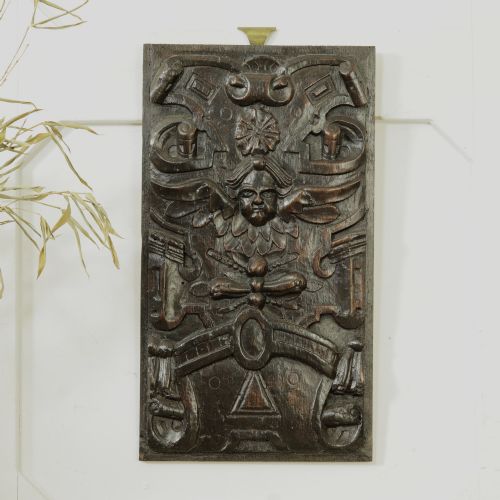
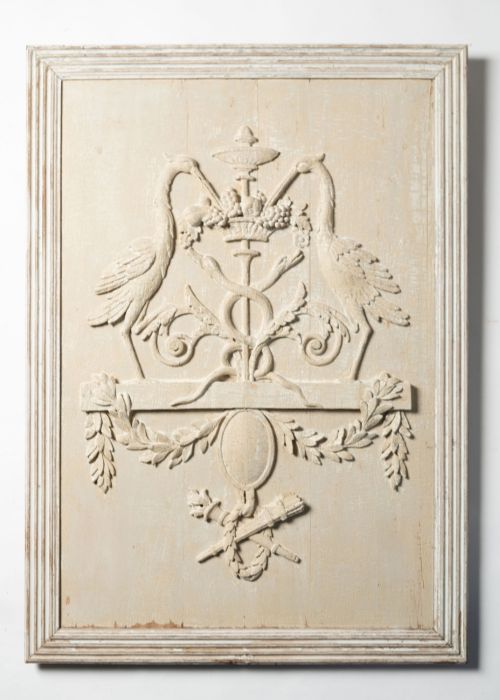
These pieces of architectural oak carving are salvaged fragments and panels built into interiors to add dignity.
Architectural Oak Carving
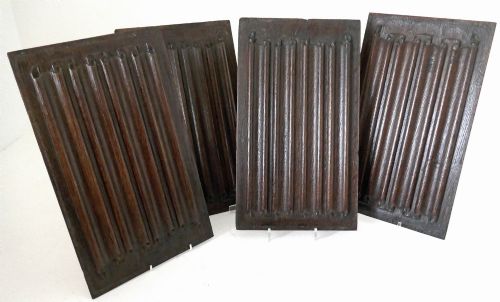
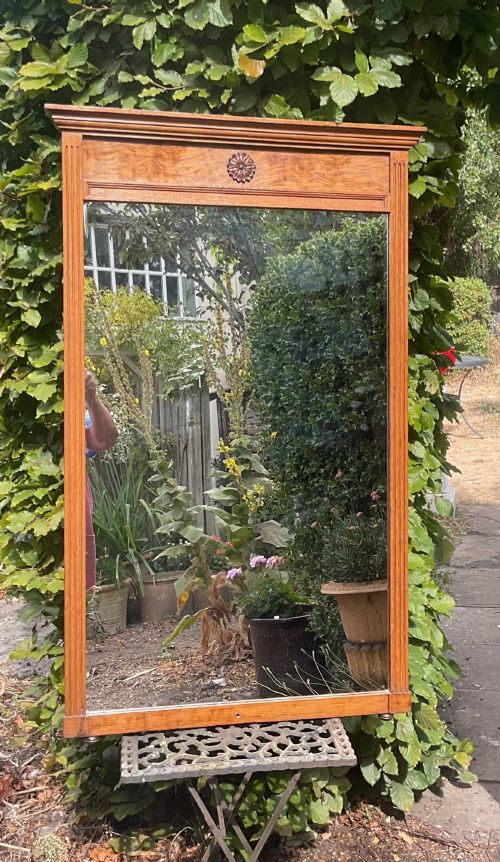
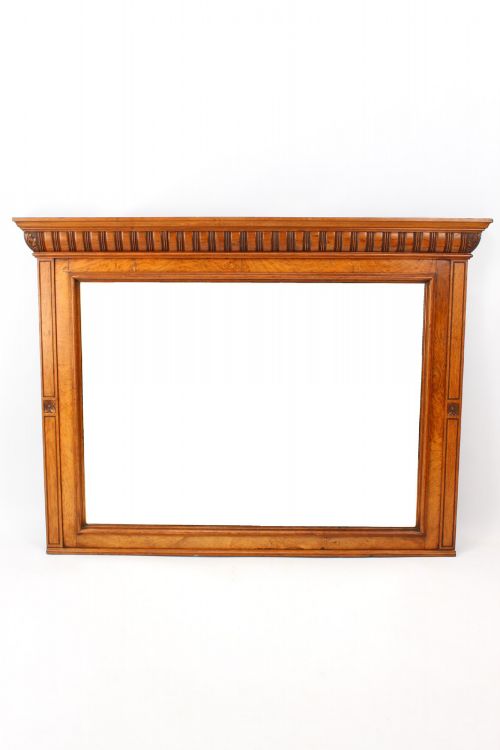
Architectural oak carving encompasses salvaged elements and decorative panels taken from historic buildings, churches, and grand houses over centuries. When searching for architectural oak carving, a buyer encounters everything from medieval window frames and linenfold panels to Victorian overmantel mirrors and French bed canopies.
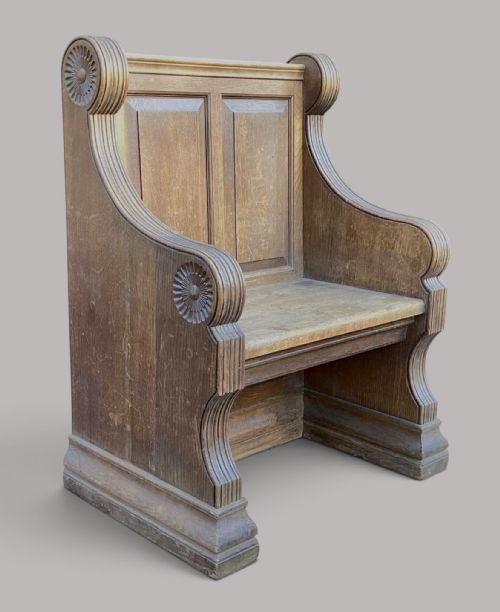
The pieces on this page span several distinct periods, reaching from pre-sixteenth century fragments up to early twentieth-century revivals. Wall panels, carved brackets, ceiling bosses, and lion newel post finials represent the primary forms available in these listings.
Materials and working methods
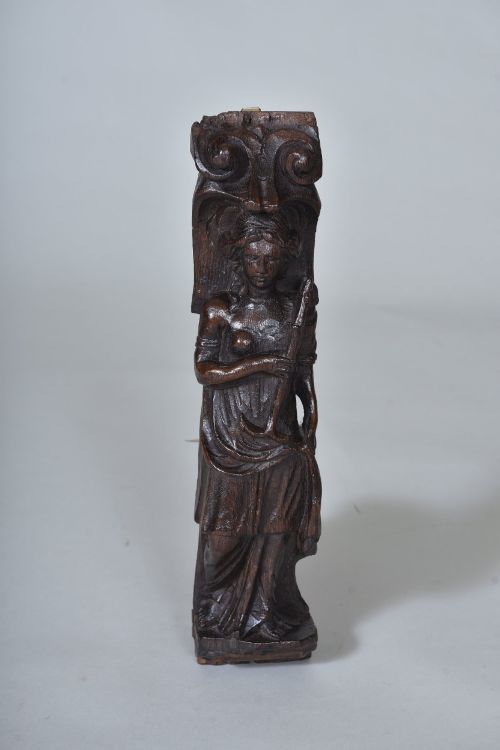
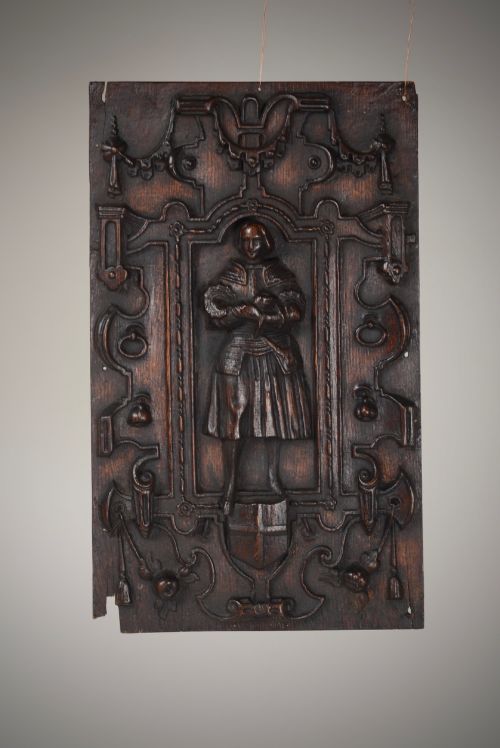
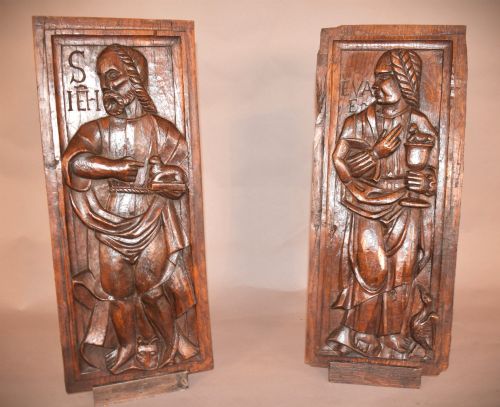
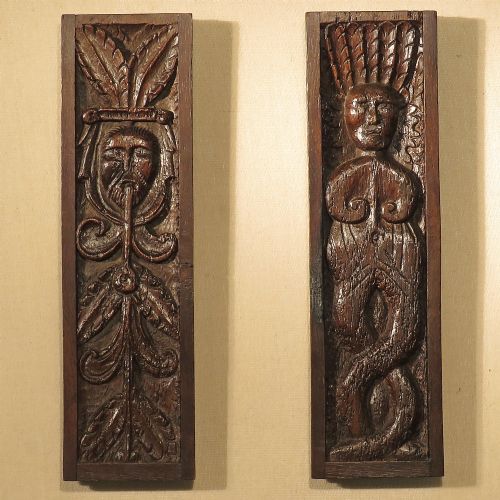
Makers worked primarily in solid oak, occasionally using walnut alongside iron, brass, and glass fittings found in mirrors and structural framing. Hand tools such as gouges and chisels shaped the timber, creating high-relief scenes, linenfold patterns, and caryatids.
Surface treatments developed organically through age, handling, and wax polishing, whilst some later pieces incorporated paint and gilding over the carved wood.
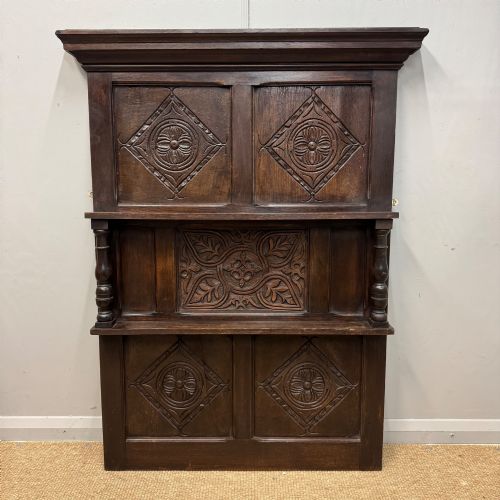
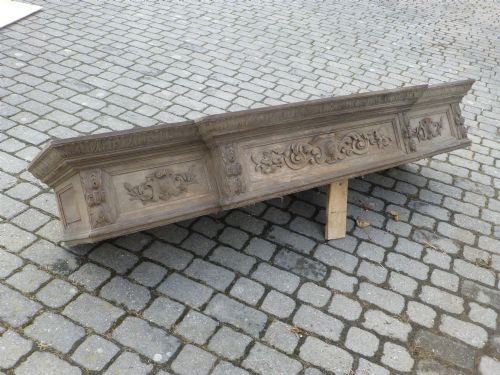
Object forms span wall panels, overmantel mirrors, fire surrounds, corbels, and ceiling boss panels.
Distinctions in quality
The depth and crispness of the chisel work separate ordinary decorative mouldings from master-carved panels, column capitals, and figural reliefs. Pieces retaining early surfaces and structural integrity show the hand of skilled workshops rather than later mechanical replication.
The historical coherence of the timber and the survival of original joinery determine whether an architectural fragment maintains its authentic character.
Edward Pearce
The Architectural Oak Carving Glossary
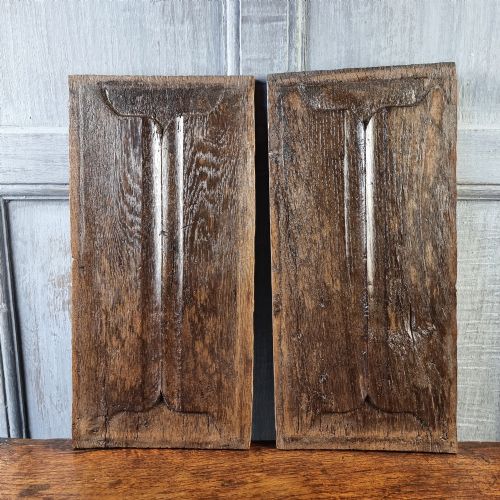
- Linenfold
- A style of wood panel carving that imitates folded linen cloth, common on sixteenth-century panels.
- Solomonic
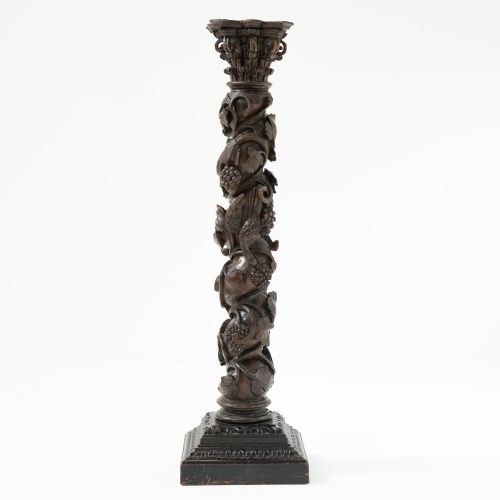
- A helical or twisted column shaft derived from classical architecture, seen on eighteenth-century pedestals.
- Caryatid
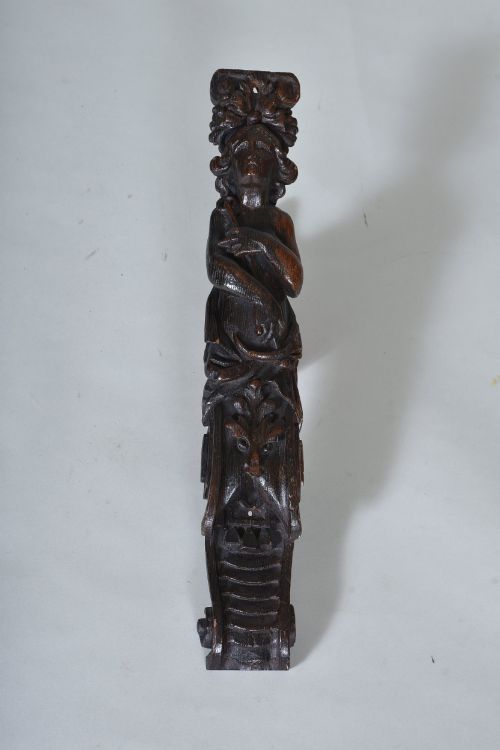
- A sculpted female figure serving as an architectural support in place of a column or pilaster.
- Ceiling Boss
- A decorative projecting block placed at the intersection of ribs in a ceiling vault.
- Corbel
- A structural piece of stone or timber projecting from a wall to support a weight above.
Architectural Oak Carving: Frequently Asked Questions
How were these carvings originally used?
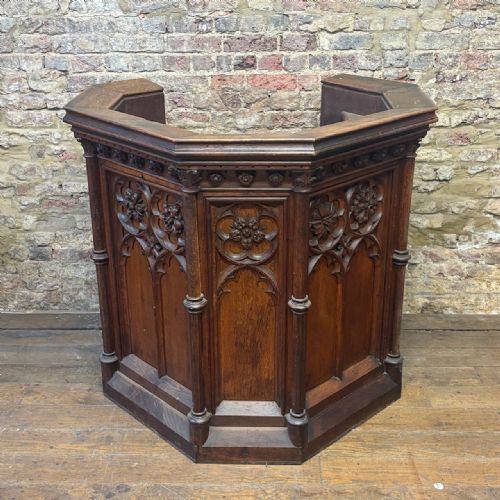
These carvings served structural and decorative roles in churches, public buildings, and domestic interiors. They appeared as church pulpits, overdoor panels, wall friezes, and ceiling roses.
Over time, many of these elements were salvaged during building alterations and repurposed as standalone wall art or integrated into new furniture.
How do I date an oak carving?
Dating relies on examining the tool marks, the style of the carving, and the characteristics of the timber itself. Earlier sixteenth and seventeenth-century pieces display heavier adze marks and distinct jointing methods.
Revival pieces from the nineteenth century often mimic earlier styles like Gothic or Jacobean, but the timber grain, wear patterns, and hardware usually reveal their later date.
How do I hang a heavy carved panel?
Heavy architectural carvings require secure wall fixings distributed evenly across the timber frame or backing board. Steel brackets or hidden french cleats provide stable support for substantial weight.
Consulting a professional installer ensures the wall substrate can bear the load safely without damaging the historic wood.
Can I use these carvings outdoors?
Unprotected oak carvings degrade when exposed to constant moisture, direct sunlight, and fluctuating temperatures outdoors. Rain and frost cause the timber to swell, crack, and lose its historic surface character.
These pieces belong indoors in stable interior environments where humidity remains controlled.