
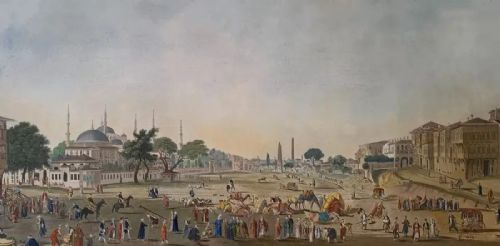


Architectural Copperplate Engraving
These architectural copperplate engraving pieces offer historic views of ancient structures and classical design.
Architectural Copperplate Engraving
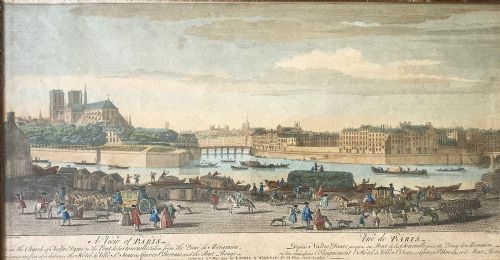
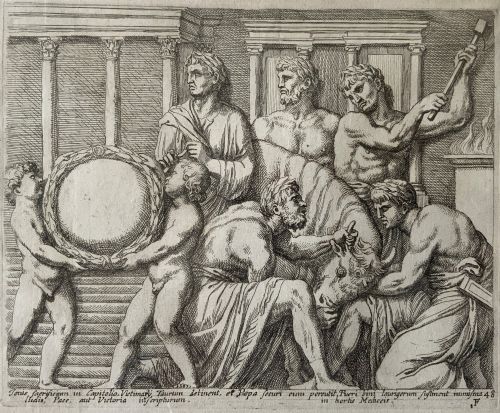
An architectural copperplate engraving captures detailed elevations, ruins, and grand buildings from the seventeenth, eighteenth, and nineteenth centuries. Buyers encounter works depicting classical antiquities, London hotels, and continental cathedrals produced during the Georgian, Regency, and Victorian periods.
The selection on this page relies heavily on eighteenth-century plates, particularly large format prints documenting the antiquities of Athens and Vatican loggie. These sheets originate from ambitious publishing projects recording the grand tour and classical architecture.
Materials and Working Methods
Maker incisions lines into copper plates with sharp tools before applying ink to transfer the image onto laid or wove paper. Some examples receive additional depth through original hand colouring applied with watercolour.
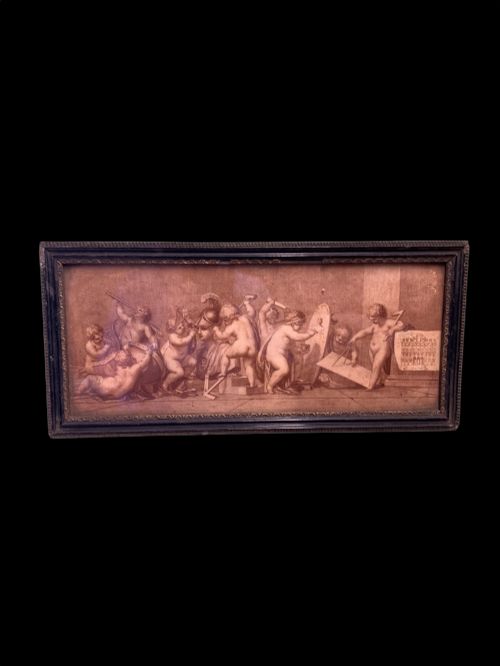
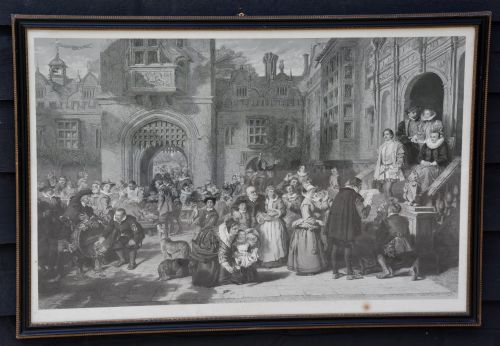
Framing materials reflect period custom, utilising maple, gilt wood, and glass to protect the fragile paper sheets. Hogarth frames and simple moulded timber borders appear frequently among the mounted examples.
Listings feature paper, ink, and glass housed within maple and gilt wood frames across eighteenth and nineteenth century periods.
Evaluating the Engraved Plate and Impression
Quality rests primarily in the crispness of the ink impression and the depth of the copperplate strike visible in the paper. Early strikes from a fresh plate reveal sharp architectural details, whereas worn plates produce softer, muddier lines.
The presence of original hand watercolour adds distinction to a plate, as does sheet size and wide margins. Condition of the paper surface, minimal foxing, and the survival of contemporary framing elevate individual pieces.
François Perrier·Anton Ignaz Melling·Alessandro Mocchetti·Francesco Piranesi·James Basire·Edward Rooker·Giovanni Ottaviani
The Architectural Copperplate Engraving Glossary
- Copperplate engraving
- A printmaking technique where an artist carves an image directly into a copper sheet using a burin. The inked plate runs through a press under high pressure to transfer the design onto paper.
- Plate mark
- The indentation left in the paper by the edges of the metal plate during the printing process. Its crisp presence confirms an authentic impression.
- Grand tour
- A cultural journey through continental Europe undertaken by wealthy young men in the eighteenth and nineteenth centuries. Prints recording these travels formed lasting records of classical architecture.
- Hand colouring
- The application of watercolour by hand to a monochrome printed image. This adds decorative visual context to architectural plates and maps.
- Wove paper
- Paper manufactured on a fine wire mesh sieve, producing a smooth surface without the ribbed chain lines characteristic of laid paper.
Architectural Copperplate Engraving: Frequently Asked Questions
How do I identify an architectural copperplate engraving?
Look closely at the paper for a distinct plate mark impression surrounding the printed image. The lines should show slight ridges of ink characteristic of intaglio printing.
Examine the paper stock for age indicators such as watermark traces and chain lines typical of historic handmade paper.
Were these engravings originally published in books?
Many large architectural plates were issued as part of multi-volume subscription folios documenting ancient ruins or city prospects. Publishers often sold individual plates separately to travellers on the grand tour.
Collected plates were subsequently framed individually for domestic display in Georgian and Regency interiors.
How should I care for framed paper engravings?
Keep framed prints away from direct sunlight to prevent the ink and any watercolour additions from fading. Maintain stable indoor humidity levels to protect the historic paper from dampness and foxing.
Ensure framing uses acid-free backing materials to prevent chemical degradation of the paper over time.
What indicates original hand colouring?
Original period tinting sits lightly within the plate lines using subtle watercolour washes rather than modern opaque pigments. Close inspection under magnification reveals the delicate brushwork applied directly to the printed paper.
Later additions often look flat or sit heavily across the engraved lines.