

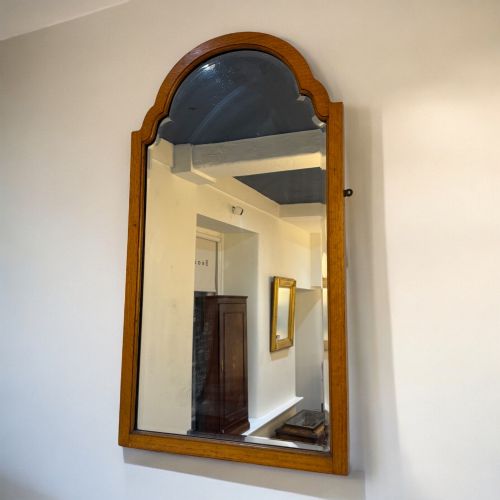
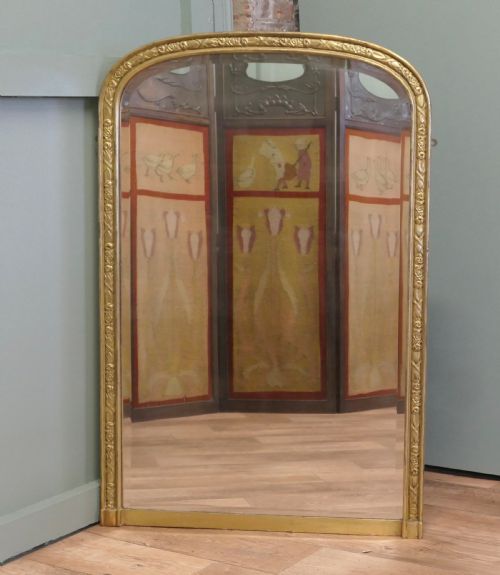
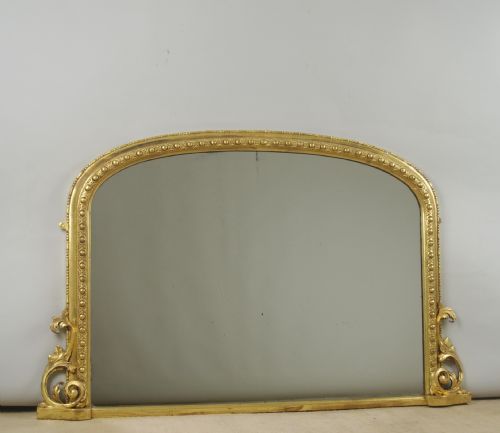
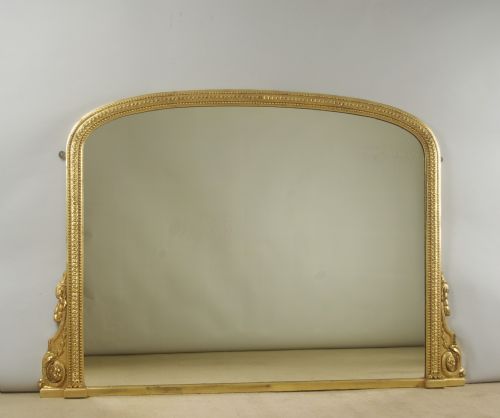
Arched Top Mantle Mirror
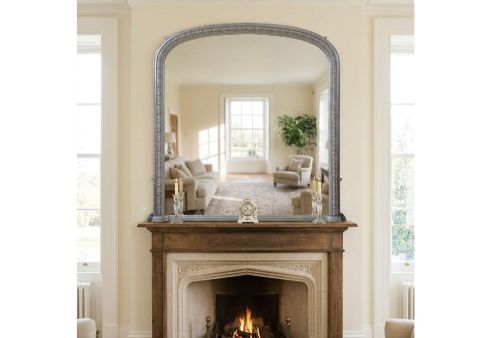
These nineteenth-century mirrors bring vertical presence and reflected light to a room, designed traditionally to sit above a fireplace mantel.
Arched Top Mantle Mirror
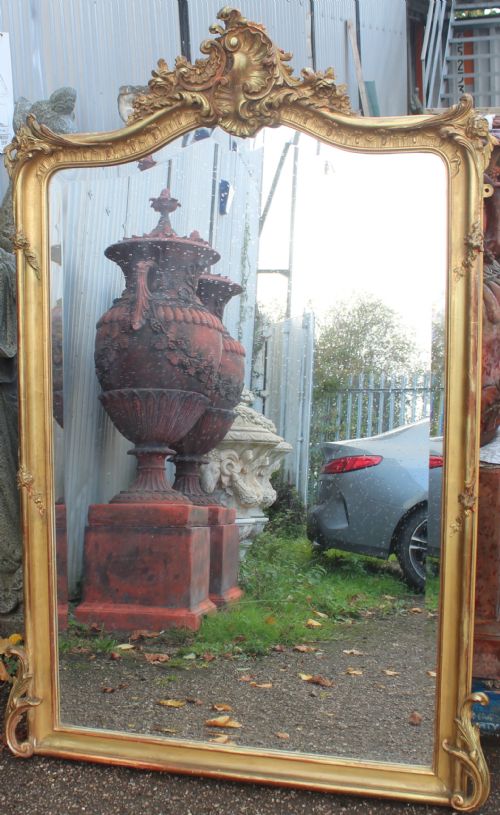
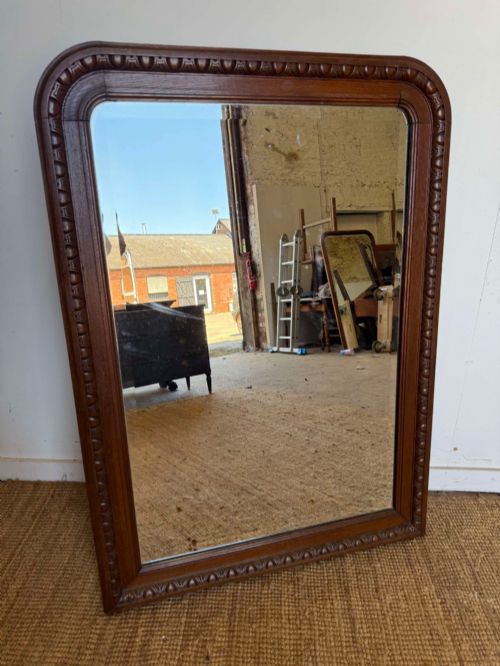
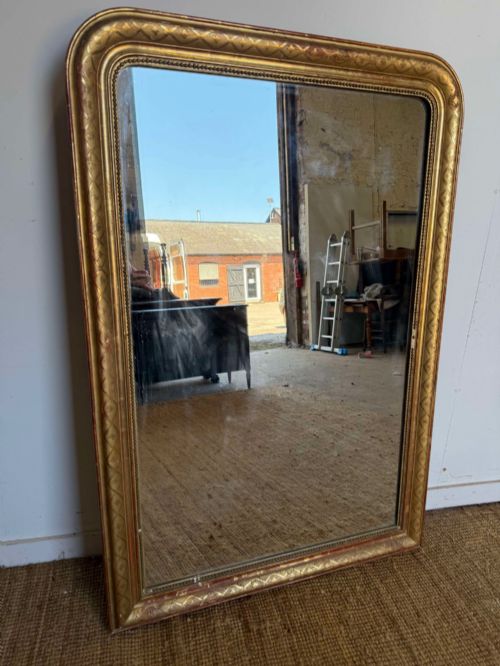
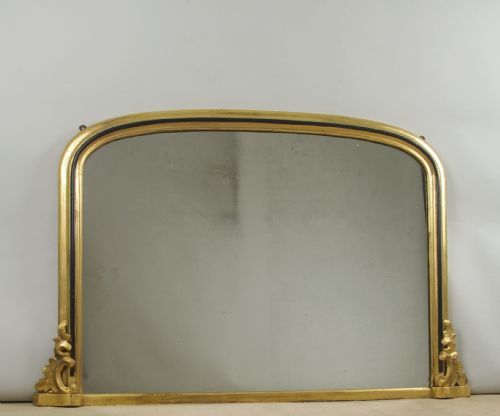
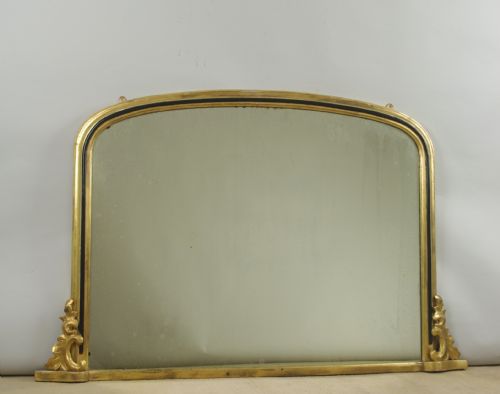
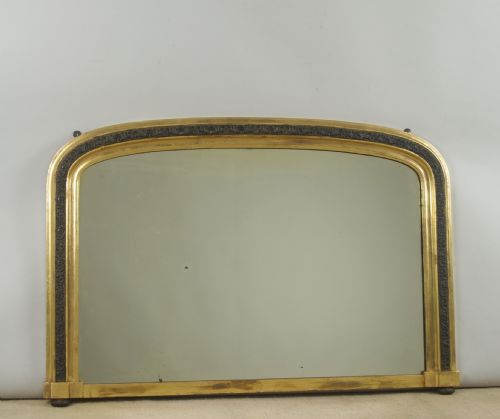
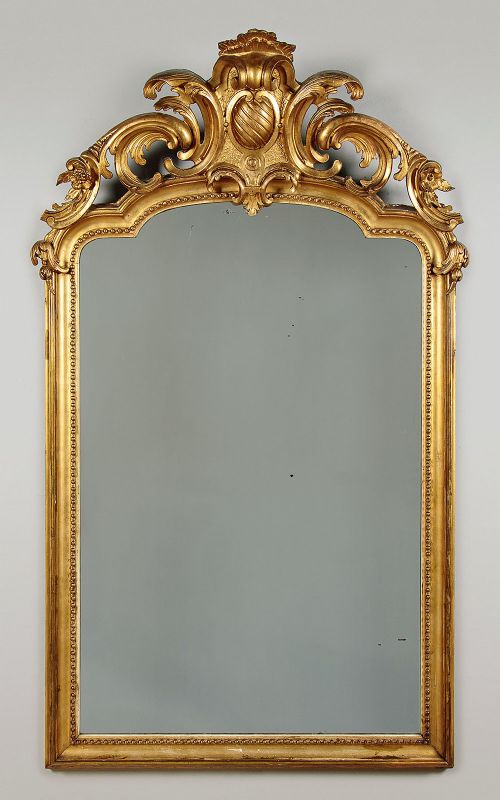
An arched top mantle mirror is a substantial wall-hanging glass panel framed in carved timber, specifically designed to anchor the space above a fireplace. The pieces encountered most frequently on this page originate from nineteenth-century English and French workshops, capturing Victorian and Louis Philippe aesthetic movements.
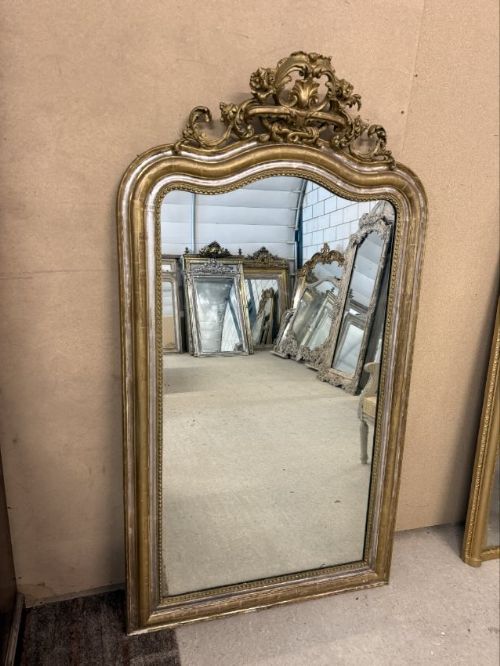
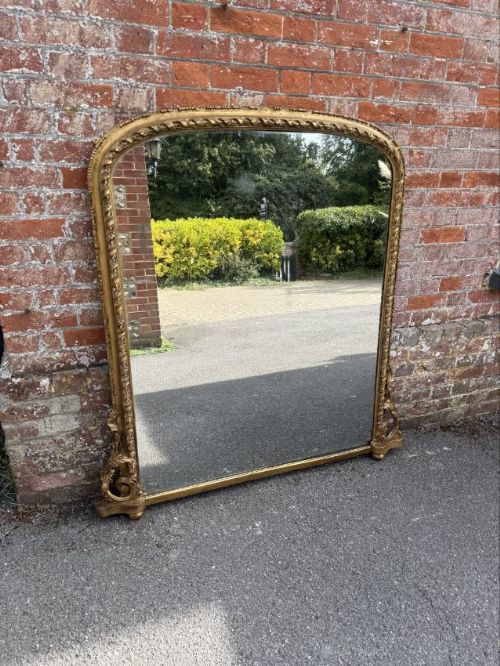
The dominant form is the overmantel mirror, created in large formats to reflect maximum light across a drawing room or parlour. These items combine architectural arched profiles with decorative crestings, functioning both as utilitarian looking glasses and as grand wall ornaments.
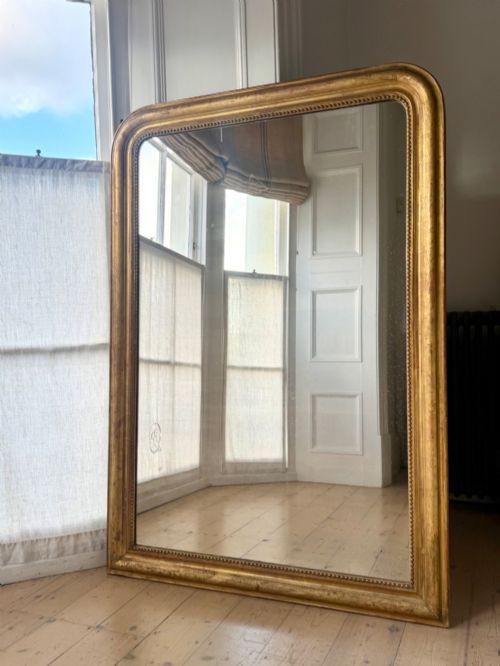
Examples span several decades from the mid-Victorian era through to the turn of the twentieth century, appearing in rectangular formats with curved upper sections. They serve today as focal points in period interiors, maintaining their historic placement above mantels or suspended on principal salon walls.
How they were made
Carved wooden foundations, often executed in softwoods or walnut, are built to support the substantial weight of large glass plates. Artisans applied layers of gesso over the timber carcass to create smooth surfaces capable of receiving intricate relief ornamentation, such as floral embossed details or rope twist frames.
Gilding techniques involved the application of gold leaf or gilt finish over the prepared gesso mouldings, producing the characteristic metallic brilliance seen across the period. Mirror glass was securely fitted into the rebated frames, with many surviving examples retaining their original mercury backing.
Arched Top Mantle Mirror Retail Price Guide 2026
Typical asking prices for arched top mantle mirror among the pieces listed under this phrase on Sellingantiques today, from the lower quarter to the upper quarter. They describe what is for sale here now, not the wider market.
Materials recorded on this page include giltwood, carved gesso, African mahogany, and original mercury mirror glass.
What varies in quality
The sophistication of the carved wooden and gesso ornament dictates the distinction between standard production and superior craftsmanship. Elaborate decorative elements like central cartouches, deep relief floral motifs, and cleanly defined architectural ribs elevate the visual impact of an individual piece.
The integrity of the original surface finish, whether intact gold leaf or well-preserved parcel gilding, influences the character of the object. Furthermore, the proportion between the arched frame and the reflective glass plate determines the aesthetic balance of the entire composition.
The Arched Top Mantle Mirror Glossary
- Overmantel mirror
- A large mirror specifically proportioned to hang on the wall directly above a fireplace mantelpiece. These fixtures were essential components of nineteenth-century interior design schemes.
- Gesso
- A plaster-like mixture applied to wooden frame foundations to create a smooth surface for subsequent gilding or painting. It allows craftsmen to mould intricate relief decorations.
- Giltwood
- Timber that has been coated with a thin layer of gold leaf or metallic gilt finish. It creates a luminous surface that reflects ambient room light.
- Cartouche
- An ornamental framed panel or tablet, often bearing carved decorative motifs, situated centrally on the crest of a mirror frame. It provides a focal point for the upper moulding.
- Foxed glass
- Mirror glass exhibiting characteristic dark spots and speckling caused by the degradation of the reflective silver or mercury backing over time. Collectors prize this aged patina for its authentic historic appearance.
Arched Top Mantle Mirror: Frequently Asked Questions
Where should an arched mirror hang?
These mirrors were traditionally positioned directly above a fireplace mantelpiece to reflect light and visually expand the proportions of a reception room.
In modern settings, they function equally well mounted on principal living room walls or above large sideboards to create a similar architectural focal point.
Are these mirrors original nineteenth century?
The inventory consists primarily of nineteenth-century English and French pieces produced during the Victorian and Louis Philippe periods.
Maker methods, including carved wood and gesso construction under gold leaf, align with the manufacturing practices of the eighteen-sixties and eighteen-seventies.
How do I identify a French style?
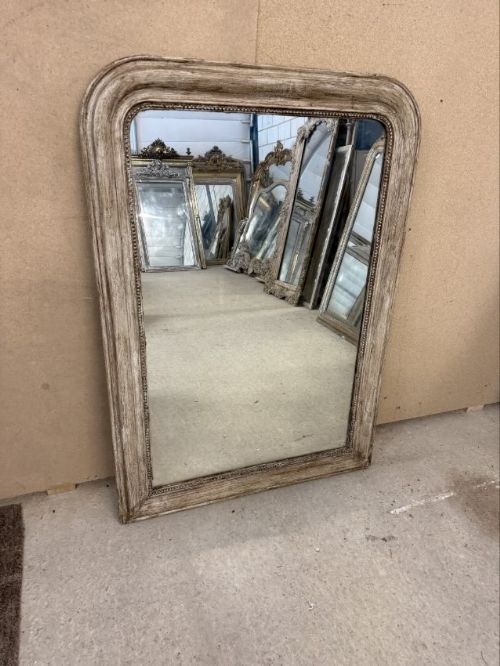
French examples from this period often display the restrained curves characteristic of Louis Philippe designs or the more exuberant ornamentation associated with Rococo revival styles.
They frequently utilise specific timber frames and proportions distinct from contemporaneous English overmantel mirrors.
What is mercury glass?
Older looking glasses were backed using a liquid mercury amalgam before modern chemical silvering processes were invented.
This historic technique results in the characteristic soft reflection and aged foxing spots valued by collectors today.