




Arched Mirror Dressing Table
An arched mirror dressing table brings practical grace and refined glasswork to the bedroom, offering distinct forms shaped by Victorian and Edwardian hands.
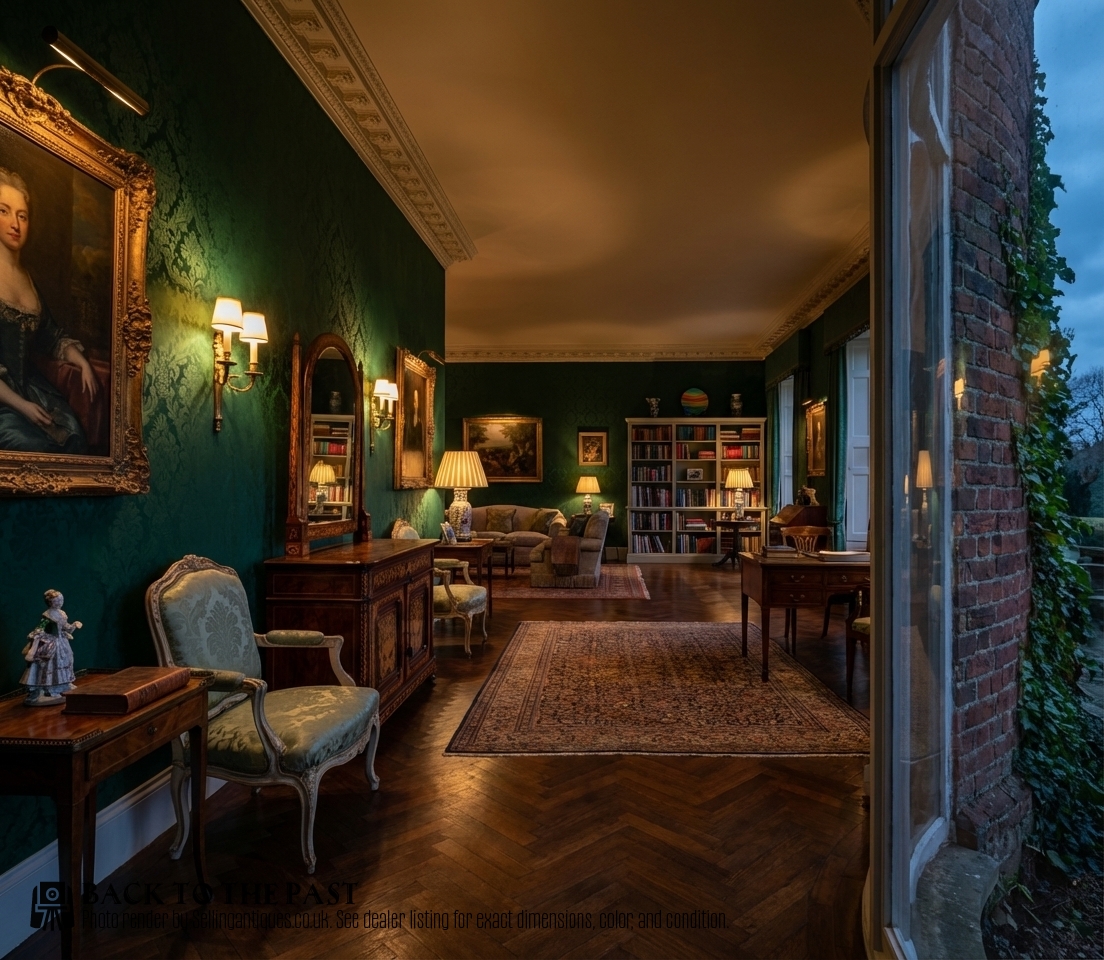
Arched Mirror Dressing Table
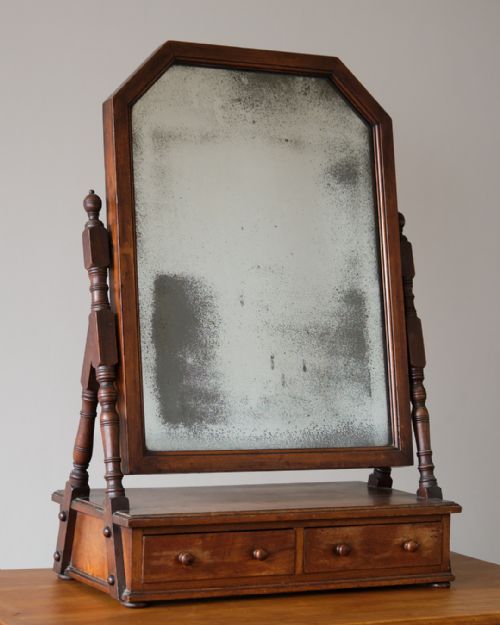
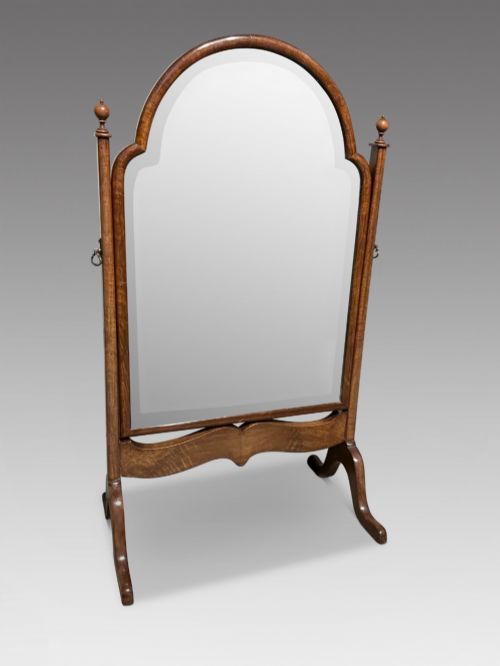
When you search for an arched mirror dressing table, you encounter a selection of vanity pieces, table mirrors, and freestanding dressing furniture designed for personal grooming. These items combine a reflective surface with timber frames, often arranged on a dressing table or manufactured as a self-contained dressing mirror.
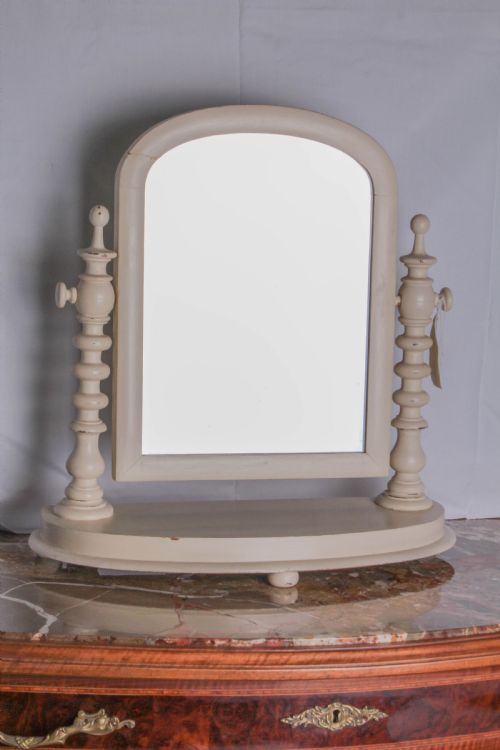
The pieces appearing on this page span the nineteenth century, the Victorian era, the Edwardian period, and into the nineteen-twenties and nineteen-thirties. You will find compact table mirrors alongside larger dressing tables in mahogany, walnut, and painted finishes, reflecting diverse stylistic influences from Queen Anne Revival to Art Deco.
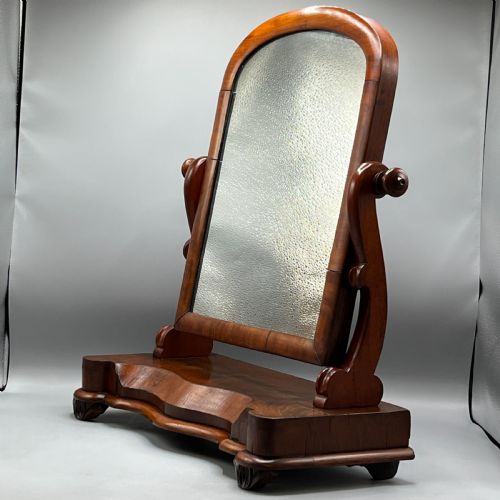
Many examples incorporate swing mechanisms or triptych folding panels, allowing the user to adjust the glass angles. Whether handling a bureau-fitted walnut piece or a large Victorian mahogany swing mirror, each item displays the domestic utility and decorative ambitions of its period.
Materials and construction methods
Cabinetmakers constructed these pieces using dense hardwoods such as mahogany and walnut, frequently selecting figured veneers to create striking grain patterns on the drawer fronts and frames. Joinery relied on traditional methods suited to supporting pivoting or triptych mirror frames securely.
Mirror glass was set into shaped wooden surrounds, sometimes supported by brass pivots, arms, or easel backs that permitted tilting. Secondary materials like ormolu, silver plate, and painted surfaces added decorative contrast to the timber structures.
Listings feature mahogany, walnut, and mirror glass across nineteenth-century and twentieth-century periods.
Judging quality and craftsmanship
Quality rests upon the selection of timber veneers, the precision of the cabinet joinery, and the integrity of the pivoting mechanism that holds the mirror frame. Finer examples display carefully matched wood grains, solid brass hardware, and well-proportioned arches that integrate harmoniously with the base or support arms.
Lesser pieces show simpler construction, plain secondary timbers, or replacement glass and hardware that lack the cohesion of the original design. The weight of the timber and the smoothness of the swing action distinguish the more accomplished workshops from standard production.
Heal And Sons
The Arched Mirror Dressing Table Glossary
- Swing mirror
- A looking glass hung on vertical pivots within a frame, allowing it to tilt back and forth. This mechanism is central to most dressing table designs.
- Triptych mirror
- A three-panel dressing mirror featuring a central glass flanked by two smaller hinged wings. These side panels fold inward to alter the angles of reflection.
- Bureau fitment
- A compartmented desk section incorporated into the base of a dressing table or mirror stand. It provides small drawers and writing surfaces for personal correspondence.
- Flame mahogany
- Timber cut from the fork of a mahogany tree to produce a dramatic, flame-like grain pattern. Cabinetmakers used these veneers on prominent display surfaces.
Arched Mirror Dressing Table: Frequently Asked Questions
What is an arched mirror dressing table?
An arched mirror dressing table is a piece of bedroom furniture featuring a curved looking glass paired with a table or vanity stand. These items range from compact table mirrors to larger freestanding dressing furniture.
They were designed for grooming and personal care, combining functional glass panels with storage drawers or decorative wooden frames.
How do I date an antique dressing mirror?
Dating relies on observing the timber species, construction techniques, and stylistic markers such as Victorian Gothic, Edwardian inlay, or Art Deco geometry. The types of brass hardware and mirror glass beveling also provide clues to the era of manufacture.
Earlier nineteenth-century pieces often feature solid mahogany and hand-planed secondary woods, while later twentieth-century examples embrace streamlined forms and different veneer treatments.
Where should I place a table mirror?
Table mirrors sit comfortably upon a chest of drawers, a dedicated dressing table, or a sideboard to create a functional vanity station. They require a stable surface with sufficient depth to support the weight of the pivoting frame.
Placing them near a natural light source enhances their utility for daily grooming while reflecting light across the room.
How do triptych dressing mirrors work?
Triptych dressing mirrors feature a large central arched glass flanked by two smaller hinged side panels. These wings swing inward so you can view yourself from multiple angles.
They rest either on a table base or attach directly to the back of a dressing table, combining adjustable functionality with architectural presence.