




Arched Glass Cupboard
These arched glass cupboard pieces give rooms architectural depth and clear display space, offering the exact proportions collectors want for books and collections.
Arched Glass Cupboard
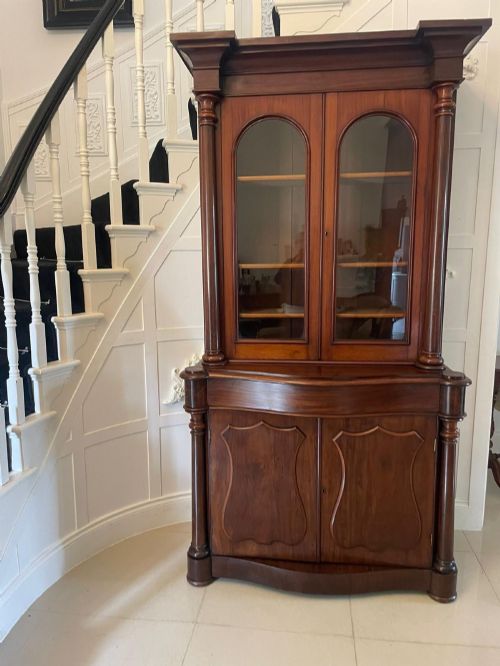
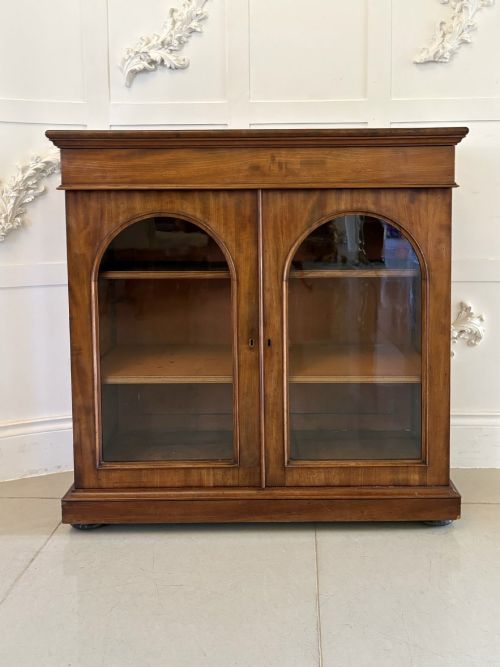
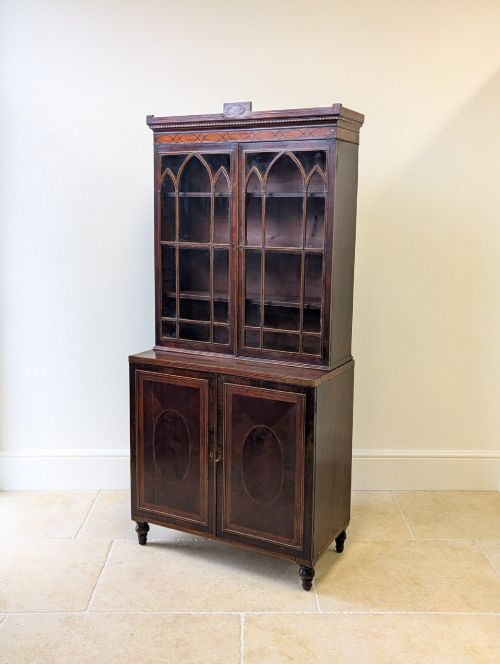
When you search for an arched glass cupboard, you are looking at tall storage and display furniture defined by curved glazed upper doors. The selections here include display cabinets, bookcases, corner cabinets, and kitchen dressers originating from various historic periods.
Most examples you will encounter date from the Georgian and Victorian eras down to the early twentieth century. These pieces combine lower wooden cabinet bases or drawers with upper compartments designed to exhibit objects safely behind glass panes.
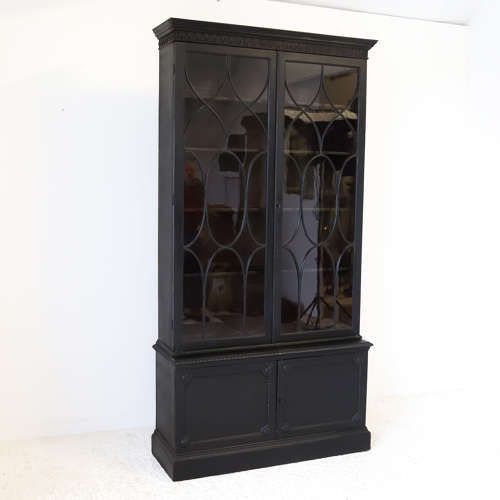
The forms range from substantial library bookcases in mahogany and walnut to corner units and painted country pieces. Each variant provides practical utility alongside the distinctive architectural line of the arched top.
Materials and construction
Cabinetmakers built these cupboards primarily using dense cabinet timbers like mahogany, oak, walnut, and burr walnut, alongside painted pine in regional country workshops. Brass hardware, fabric linings, and leaded glass details frequently complete the construction.
Joinery techniques relied on traditional cabinetmaking methods to house heavy glass doors and substantial shelving safely. Timber selection drove the visual character, utilising figured mahogany veneers or rich walnut grains to catch the light.
The listings span the eighteenth through the early twentieth centuries, featuring mahogany, oak, walnut, burr walnut, and painted wood finishes.
Assessing quality
Quality rests in the architectural harmony of the arch and the crispness of the timber selection. Superior examples display carefully matched veneers, such as figured mahogany or burr walnut, which elevate a standard storage piece into a work of fine cabinetmaking.
The handling of the glazed sections also separates standard production from finer work. Finer glazing bars, well-proportioned arched apertures, and original brass fittings indicate a higher grade of manufacture from the period.
The Arched Glass Cupboard Glossary
- Glazed
- Fitted with glass panes to enclose shelves while permitting visibility of the contents. This treatment protects books and collections from dust.
- Corner cabinet
- A piece shaped specifically to fit into the angle of a room. These save floor space while providing display capacity.
- Dresser
- A dual-purpose piece featuring a lower cupboard or drawer base combined with upper shelving. They serve practical storage and display functions.
- Marquetry
- Decorative veneer work created by fitting together small pieces of wood or other materials to form geometric or pictorial patterns. It appears on finer continental European pieces.
- Scrumbled
- A decorative paint technique mimicking wood grain or texture. It is often found on country pine furniture.
Arched Glass Cupboard: Frequently Asked Questions
Where should I place an arched glass cupboard?
These pieces suit living rooms, libraries, or dining spaces where books and decorative objects benefit from dust-free display. Corner variants fit neatly into unused room angles.
Ensure the floor is reasonably level to keep the tall glazed doors hanging true and shutting correctly against the frame.
How do I care for antique mahogany and walnut?
Protect timber surfaces by avoiding direct sunlight and maintaining stable room humidity. Regular dusting with a dry, soft cloth preserves the polish.
Feed the wood periodically with appropriate wax to prevent the grain from drying out over time.
Can these cupboards support heavy books?
Most bookcases and display cabinets feature adjustable or fixed wooden shelving designed for heavy volumes. Check the thickness and span of the shelves.
Distribute weight evenly across the boards to prevent sagging over extended periods of use.
How do I identify a Georgian piece?
Georgian examples from the eighteenth century typically exhibit restrained classical proportions, dense mahogany timbers, and hand-cut dovetail joinery. Look closely at the construction details.
Later Victorian and Edwardian pieces often repeat these classical forms with heavier mouldings and different internal fittings.