


Arched French Mantel Mirror
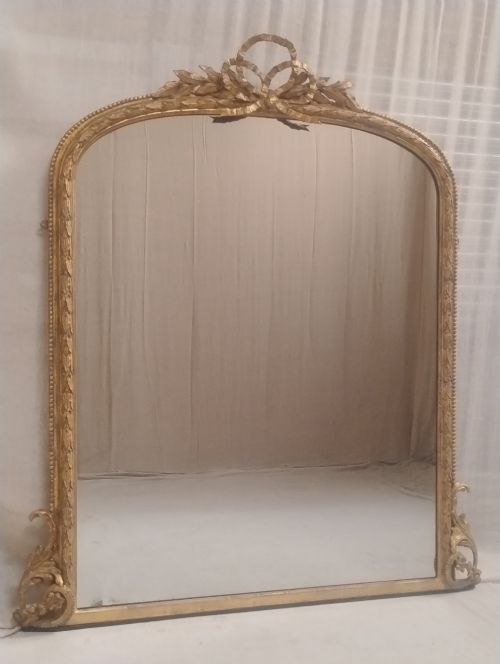
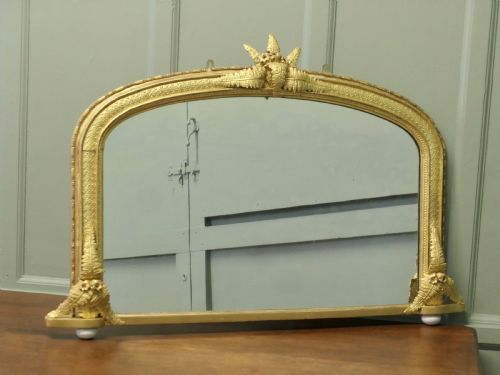
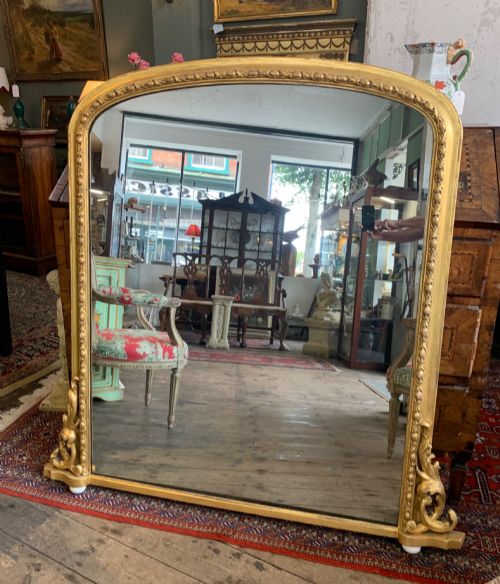
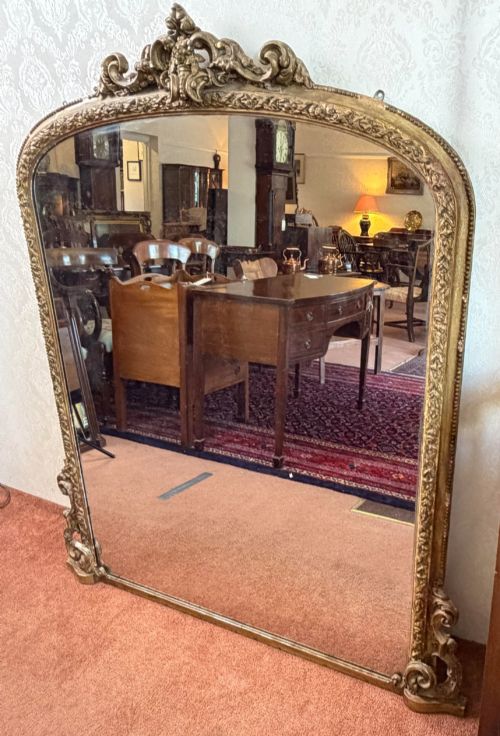
An arched french mantel mirror brings light and grand proportion to a room, anchoring a fireplace with period presence.
Arched French Mantel Mirror
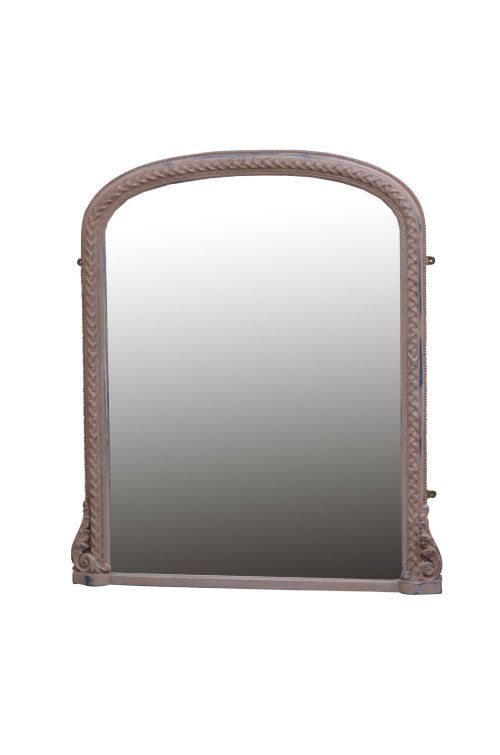
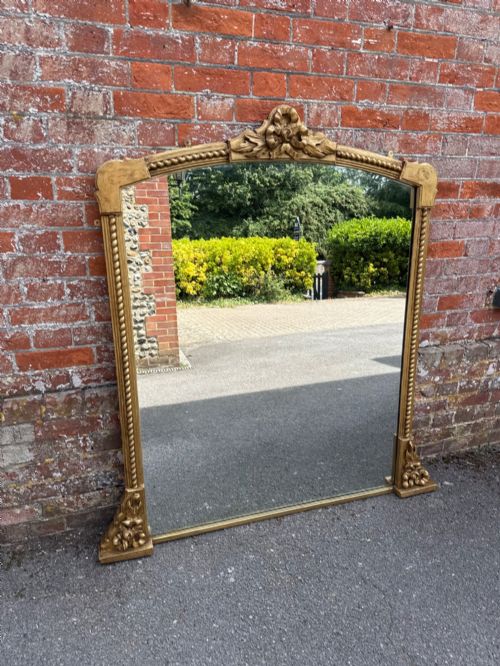
An arched french mantel mirror is primarily found in nineteenth-century overmantel forms designed to sit directly above a fireplace. These pieces span Victorian, Louis Philippe, and Rococo Revival styles, originating from both French and English workshops.
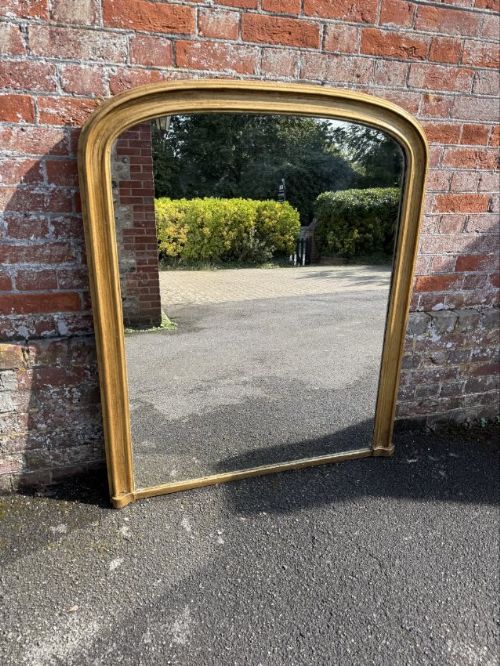
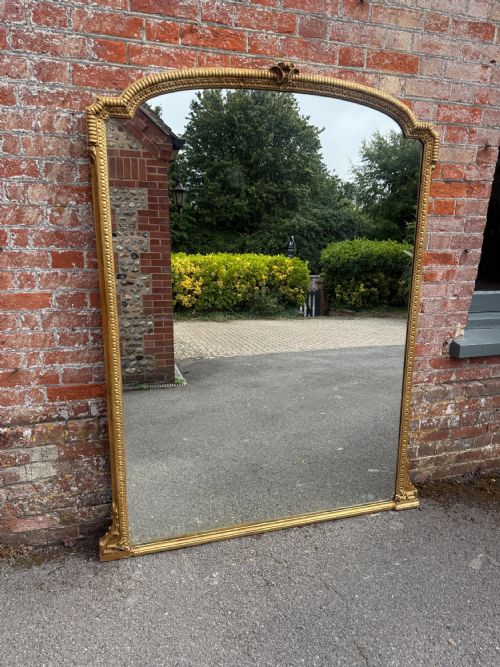
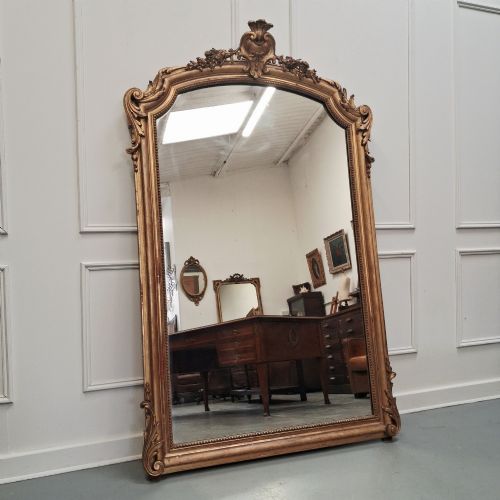
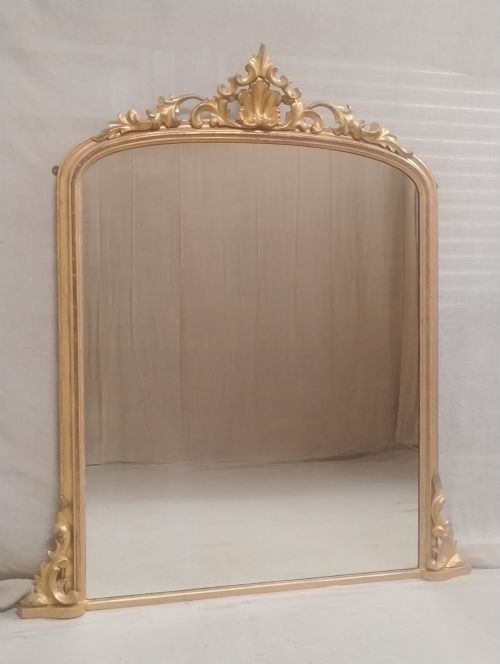
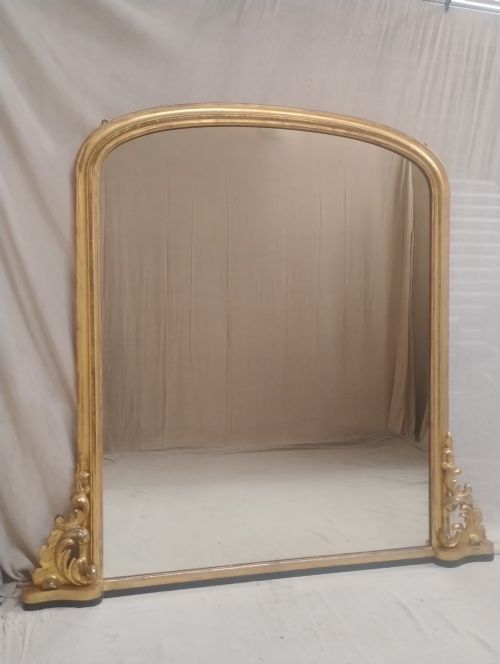
The dominant version on this page is the large, gilt-framed overmantel mirror featuring an arched top, frequently dated around the 1860s to 1880s. Alongside these grand architectural pieces, buyers encounter smaller wall-hanging mirrors and painted variants in palettes such as layered lilac, ink blue, or distressed white.
How they were made
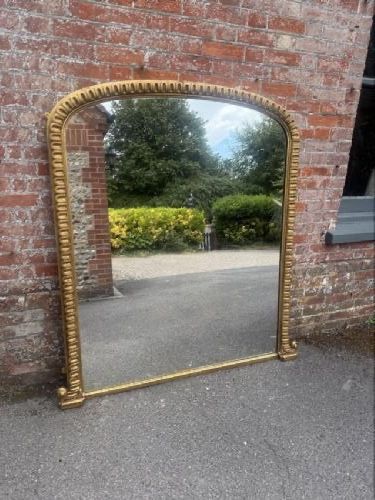
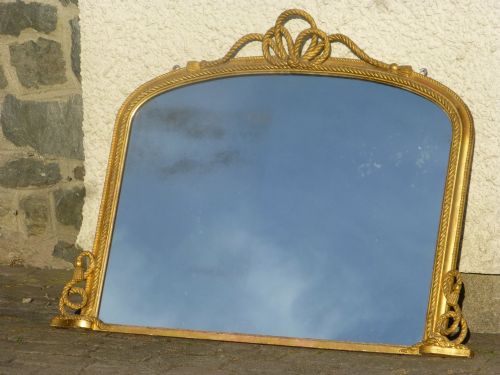
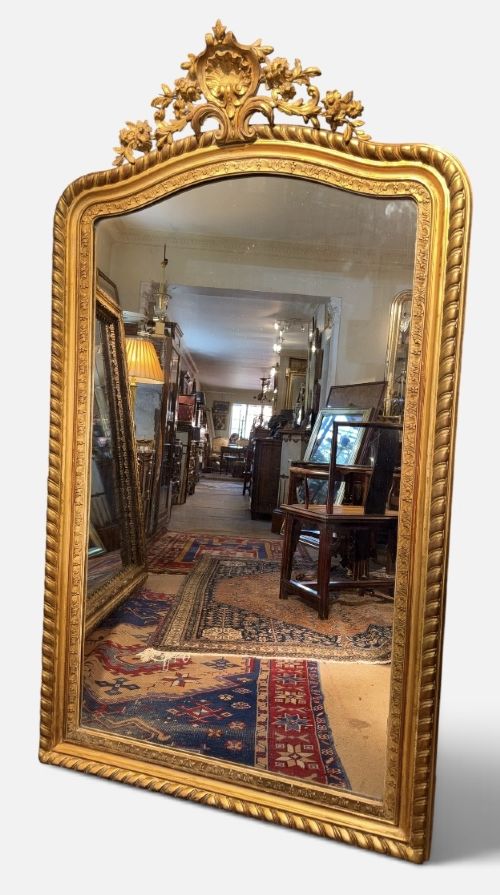
Makers constructed the structural frames using carved wood, applying layers of gesso to build up intricate surface detail and decorative motifs. Composition material was often pressed into moulds for repetitive ornaments like rope twist borders or central cartouches.
Finishing techniques relied heavily on gold leaf application or gilding, alongside painted surfaces. Glass plates were secured within the arched rebates, sometimes displaying the natural foxing and silvering wear expected of nineteenth-century mirrors.
Listings feature nineteenth-century pieces utilising gesso, giltwood, and painted wood in Victorian and Louis Philippe styles.
What varies in quality
The depth and crispness of the carved wood and gesso ornamentation separate standard frames from superior examples. Hand-carved detailing and sharp moulding on elements like rope twist frames or central cartouches demonstrate higher workshop skill.
Originality of the components determines the standing of a piece within the range. Retaining the original gilding, paint palette, and glass plate elevates an arched french mantel mirror far above those subjected to later re-gilding or mirror plate replacement.
The Arched French Mantel Mirror Glossary
- Overmantel mirror
- A large mirror specifically proportioned to hang on the wall directly above a mantelpiece or fireplace. These pieces often feature horizontal or vertical rectangular formats with shaped or arched tops designed to echo architectural cornices.
- Gesso
- A plaster-like mixture applied to wood frames to create a smooth surface for gilding or painting. It accepts deep relief carving and moulding before the application of gold leaf.
- Giltwood
- Timber that has been coated with thin sheets of gold leaf. Over time, the underlying red bole beneath the gold can show through as wear occurs.
- Louis Philippe
- A mid-nineteenth-century French style characterised by understated elegance, clean architectural lines, and gentle arched tops. These frames typically eschew heavy ornamentation in favour of simple beaded or channelled borders.
- Cartouche
- An ornamental frame or tablet resembling a rolled-up piece of parchment, frequently placed centrally at the crest of an arched mirror. It often bears subtle sculptural relief.
Arched French Mantel Mirror: Frequently Asked Questions
How do I hang a heavy overmantel mirror?
Due to the substantial weight of carved wood and gesso frames, secure wall fixings directly into masonry or structural studs using heavy-duty brackets. Professional installation ensures the mirror rests safely above the mantelpiece.
Many nineteenth-century pieces include original hanging rings, but modern weight-rated mirror plates provide additional security for daily living.
Can I place these mirrors directly on a mantel?
Traditionally, large overmantel mirrors were designed to rest their weight on the mantel shelf itself while being secured to the wall with safety brackets. This prevents tipping while sharing the load between the shelf and the wall fixings.
Smaller wall mirrors hang entirely from wall fastenings rather than resting on the timber shelf below.
How do I identify a Louis Philippe mirror?
Louis Philippe mirrors are distinguished by their simple arched tops, restrained decorative elements, and clean rectilinear frames. They lack the exuberant carving found in Rococo Revival pieces.
Instead, they rely on subtle thumb-moulded edges and occasionally a restrained crest or beaded inner border.
Should I replace foxed mirror glass?
Original mirror glass often displays foxing, dark spots, and silvering degradation caused by age and oxidation. Collectors generally prefer retaining original glass as proof of period authenticity.
Replacing the plate removes the historic character and visual depth that defines nineteenth-century mirrors.