
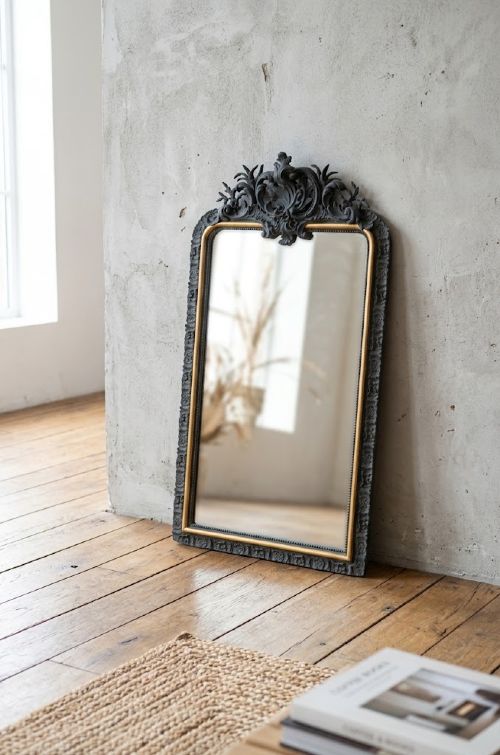
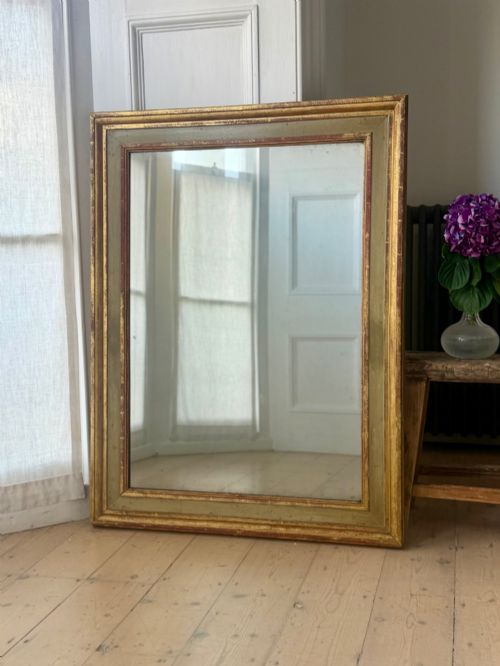





Large Painted Pier Glass
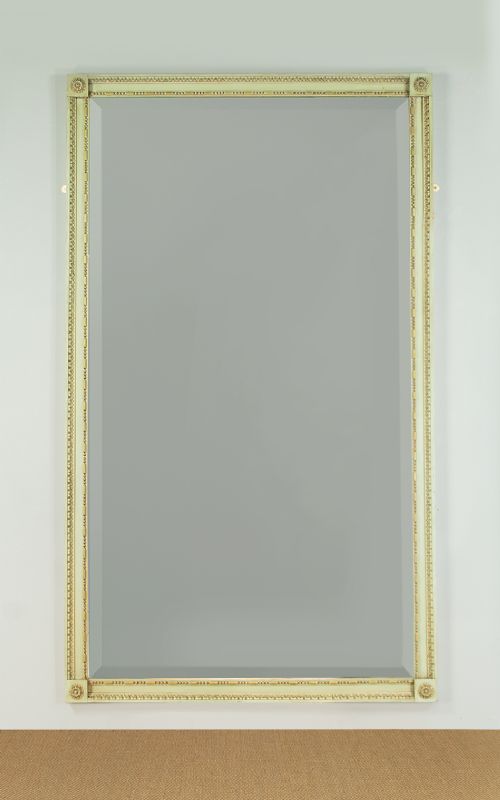
A large painted pier glass brings scale and light to a room, fitting naturally between windows or above a console table.
Large Painted Pier Glass
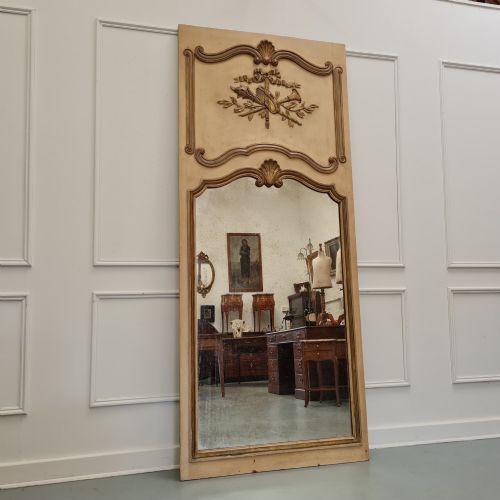
A large painted pier glass serves as a commanding wall mirror designed specifically for the narrow wall space between windows or above low furniture. These pieces often appear as French trumeau mirrors incorporating oil paintings or carved architectural details.
Most examples originate from the nineteenth century, particularly from French workshops influenced by Empire, Rococo, and Neoclassical styles. Makers combined painted surfaces with gilded woodwork to create tall vertical proportions that reflected natural light deep into period rooms.
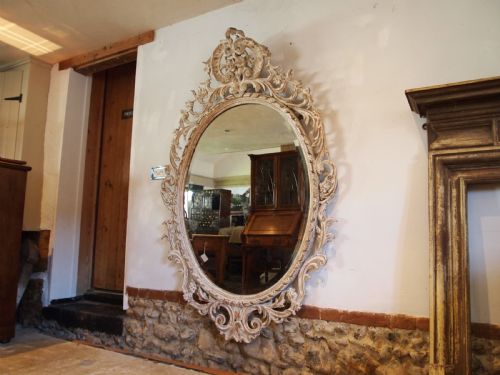
Beyond French provincial and chateau styles, the selection includes English interpretations featuring lion masks or expansive framing. These mirrors function primarily as architectural statements, shifting the visual balance of high-ceilinged interiors.
Materials and construction
Craftsmen built the structural frames using carved wood and applied gesso to form intricate relief ornaments before finishing the surfaces with paint and gold leaf. This combination provided a durable base for decorative mouldings, columns, and shaped tops.
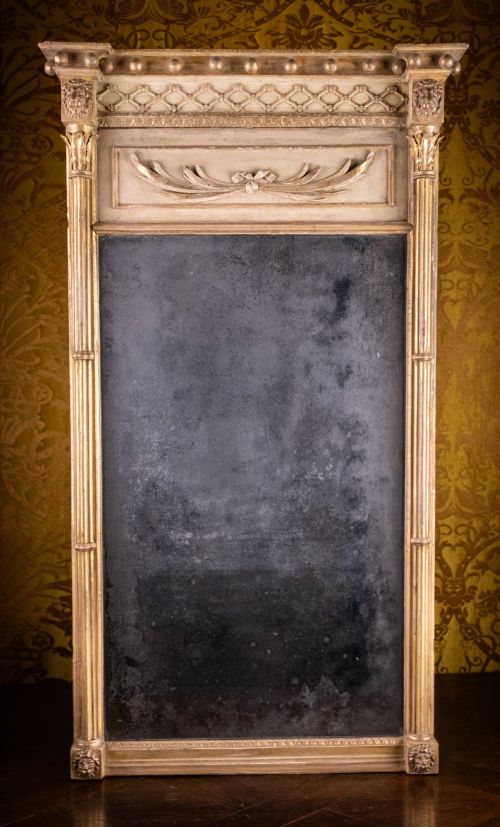
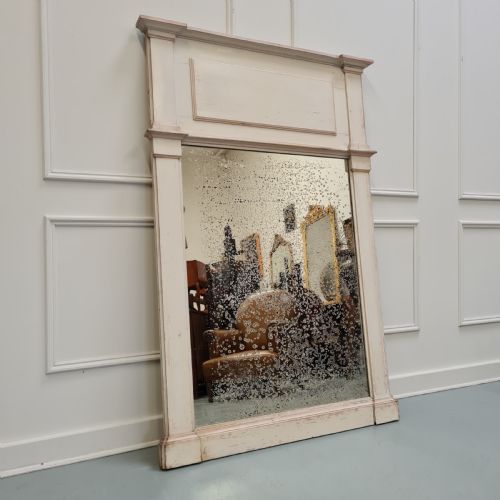
Mirrors from this era frequently utilise early mercury glass plates, which produce a characteristic mottled reflection due to the silvering process. Painted finishes range from simple over-painted gilt surfaces to detailed pastoral oil paintings integrated directly into trumeau panels.
Listings feature nineteenth-century French mirrors predominantly, spanning Empire, Rococo, and Neoclassical styles executed in carved wood, gesso, and gold leaf.
Evaluating quality and execution
The distinction between standard and exceptional pieces lies in the crispness of the carved wood and gesso ornamentation rather than surface condition alone. Deeply carved details, such as lion masks or classical columns, demonstrate superior workshop execution.
Original glass plates and intact original paint layers significantly elevate the standing of a piece. The integration of hand-painted pastoral scenes within trumeau frames also separates purely decorative mirrors from higher-tier artistic examples.
The Large Painted Pier Glass Glossary
- Pier glass
- A tall mirror designed to hang on the pier, which is the narrow wall space between two windows. These mirrors maximise available daylight in period drawing rooms.
- Trumeau
- An architectural term for a decorative wall panel, often incorporating an oil painting above a mirror plate. They gained popularity in eighteenth and nineteenth-century French interiors.
- Gesso
- A plaster-like mixture applied to carved wooden frames to provide a smooth surface for gilding and painting. Skilled artisans sculpted fine relief details directly into this layer.
- Mercury glass
- A type of antique mirror plate created by coating the glass with a mercury-tin amalgam before the twentieth-century silver nitrate process. It produces a soft, uneven reflection.
- Parcel-gilt
- A decorative treatment where portions of an object are highlighted with gold leaf while the remaining surface is painted or left natural. This technique creates contrast against the painted wooden ground.
Large Painted Pier Glass: Frequently Asked Questions
Where should I hang a pier glass?
These tall mirrors suit narrow wall spaces between tall windows, above mantelpieces, or anchored over low console tables. Their vertical proportions draw the eye upward and amplify natural light within a room.
Ensure the wall construction supports substantial weight, as carved wood and gesso frames combined with thick glass plates make these pieces remarkably heavy.
How do I identify a trumeau mirror?
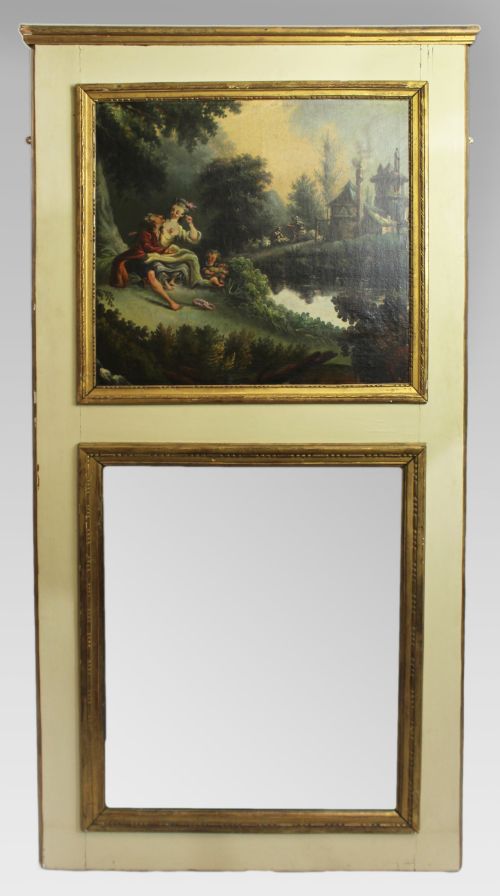
A trumeau incorporates a painted panel or an oil painting directly into the upper section of the wooden frame, positioned directly above the mirror glass. This architectural style originated in eighteenth-century France and remained popular through the nineteenth century.
They often feature neoclassical motifs, pastoral scenes, or carved moulding that frames both the artwork and the glass as a single unified composition.
What is mercury glass?
Mercury glass refers to mirror plates produced before modern silvering techniques became standard around the mid-nineteenth century. The process involved applying a liquid mercury amalgam to the back of the glass.
This creates a distinctive dark, mottled reflection with characteristic foxing spots, which collectors value as a sign of authenticity and age.
Are these mirrors French or English?
The majority of pieces in this category reflect French design traditions, including Empire, Rococo, and Neoclassical styles associated with chateaux and provincial homes. English examples also appear, sometimes featuring distinct elements like carved lion masks.
Stylistic cues such as column framing, painted gesso, and pastoral artwork generally point toward continental nineteenth-century workshops.