




Arch Top Overmantel Mirror
An arch top overmantel mirror brings a curved silhouette above a fireplace, reflecting light and adding architectural presence to a room.
Arch Top Overmantel Mirror
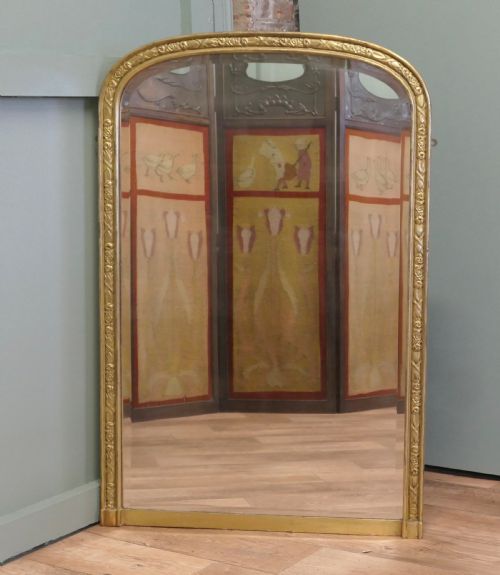
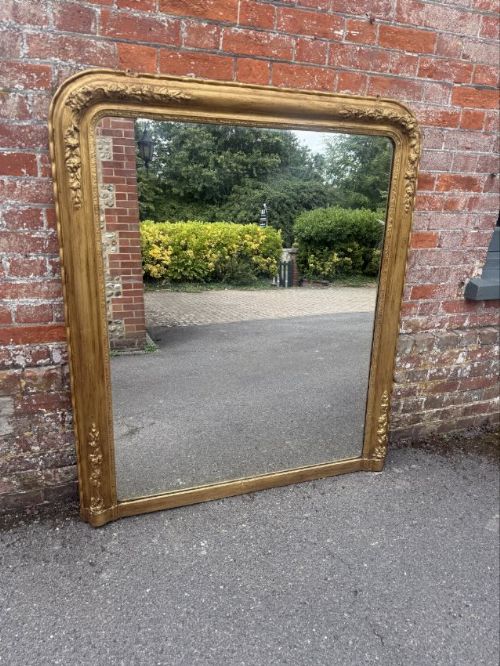
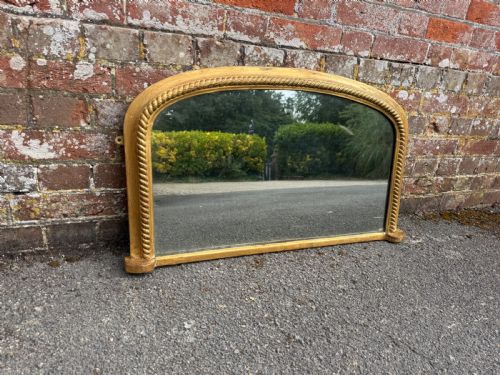
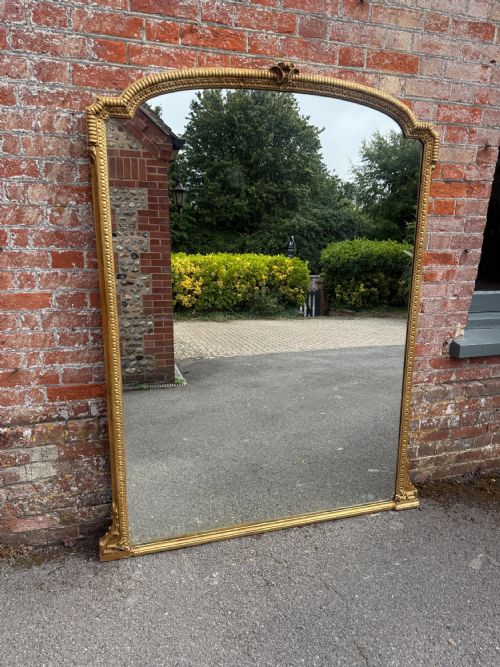
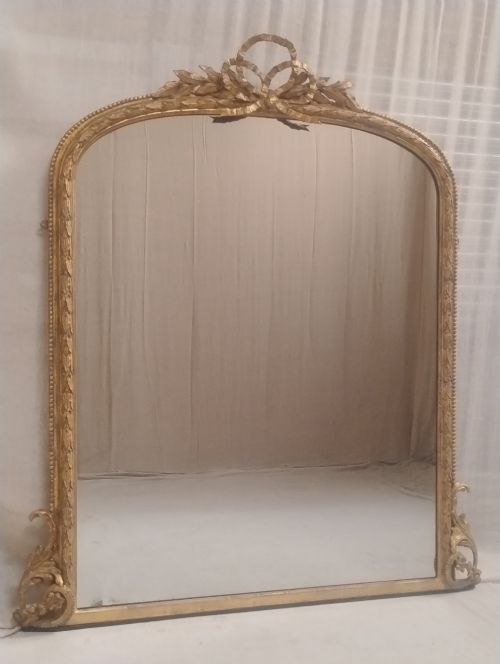
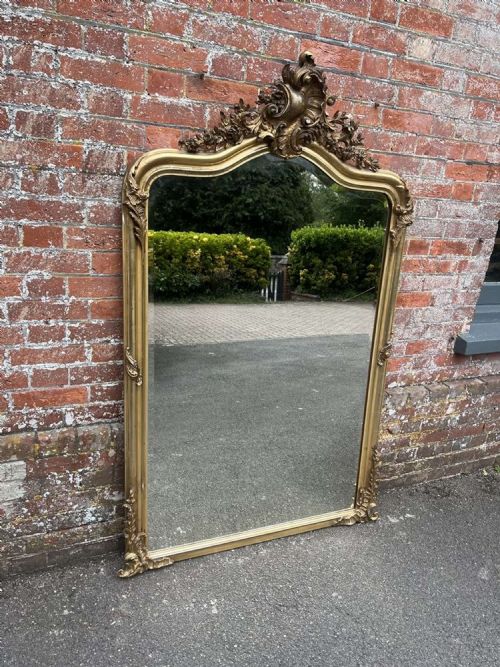
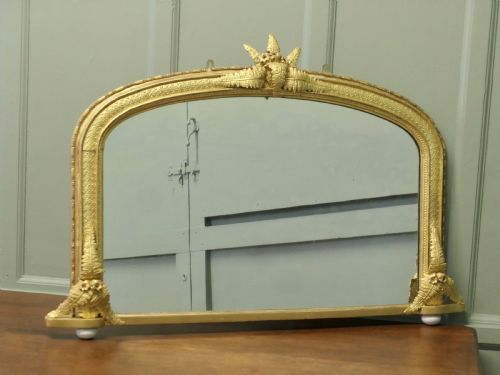
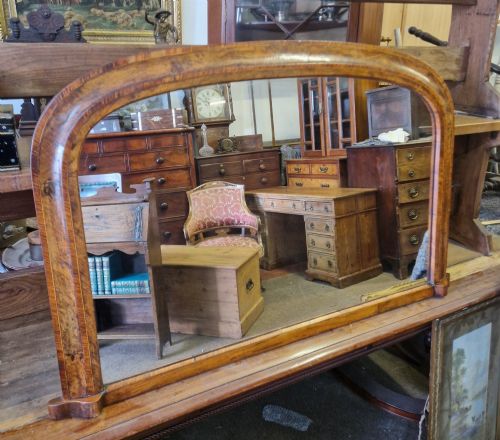
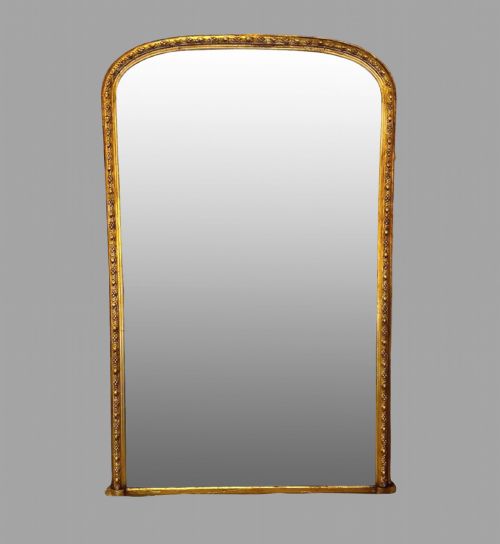
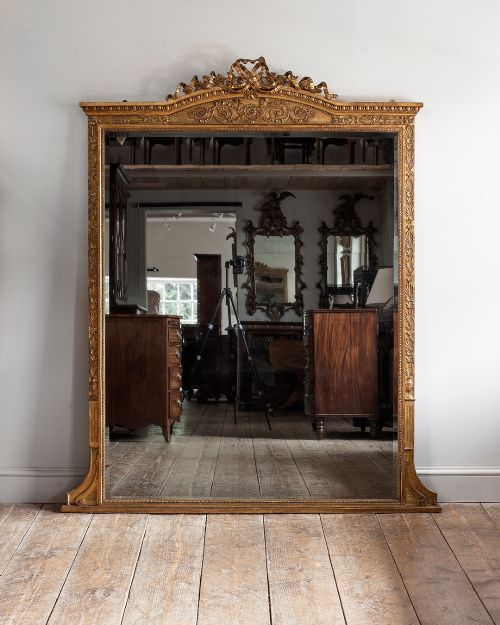
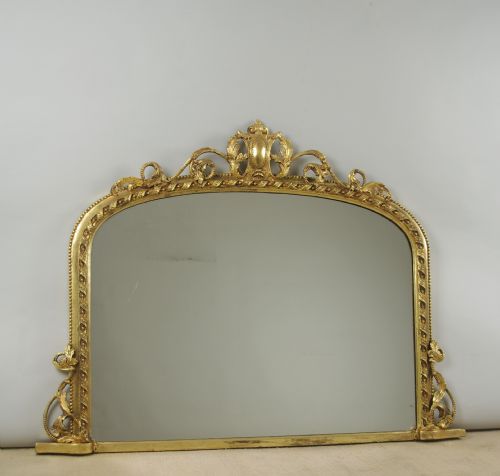
An arch top overmantel mirror is designed specifically to sit on a chimney breast above a fireplace mantel, drawing the eye upward with its curved crown. The majority of pieces encountered here date from the nineteenth century, encompassing both English Victorian examples and French regional variants.
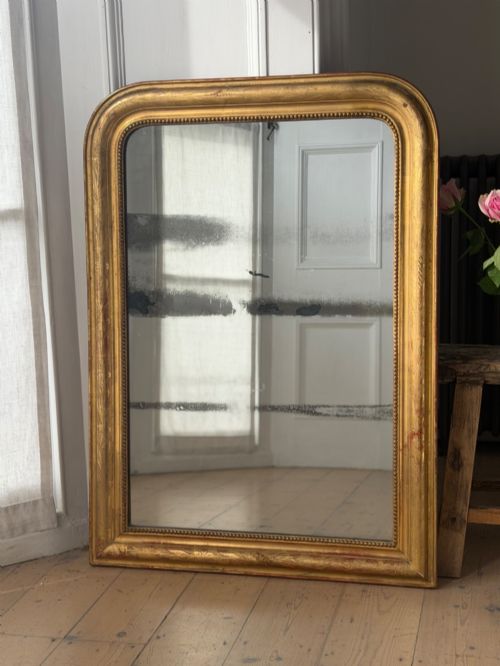
Makers shaped these plates to be wide and tall, fitting the generous proportions of period chimney breasts. Alongside gilded wood frames, the selection includes painted and silvered surfaces, as well as distinct forms reflecting French Louis Philippe and Rococo influences.
How They Were Made
Craftsmen built the underlying frames using carved wood, applying layers of gesso to smooth the surface before adding gilding or paint. Gold leaf and composition ornamentation were frequently pressed into the gesso to create crisp decorative borders such as tulip motifs or rope twists.
The glass plates themselves were set into the frames, with older examples occasionally exhibiting the characteristic foxing of period mercury glass. Backboards of plain timber secured the mirror glass within the heavy wooden structure.
What Varies in Quality
Quality rests primarily in the crispness of the carved wooden ornament and the depth of the gesso mouldings applied to the frame. Superior examples retain their original gold leaf surface and display sharp, well-defined architectural proportions without heavy restoration.
The integrity of the frame construction and the condition of the original mirror glass further distinguish finer pieces from simpler decorative alternatives. Original backboards and untouched gilding indicate higher preservation standards.
The Arch Top Overmantel Mirror Glossary
- Gesso
- A plaster-like mixture applied to wooden frames to provide a smooth base for gilding or painting. Artisans carved intricate details directly into this hardened layer before applying gold leaf.
- Giltwood
- Timber that has been coated with gold leaf or gold paint. It provides the bright, reflective surface characteristic of nineteenth-century chimney mirrors.
- Overmantel
- A large mirror or painting designed to be hung specifically on the wall directly above a fireplace mantelpiece. These pieces were proportioned to anchor the hearth within the room.
- Mercury glass
- An early form of double-walled mirror glass created by pouring a silvering mixture between two panes of glass. It often develops dark spots, known as foxing, over time.
- Louis Philippe
- A French nineteenth-century style characterised by simple, elegant curves and restrained ornamentation. Frames from this period often feature rounded upper corners rather than elaborate crests.
Arch Top Overmantel Mirror: Frequently Asked Questions
Where should an arch top overmantel mirror hang?
These mirrors were traditionally placed directly on the mantelpiece shelf above a fireplace, anchoring the vertical space of the chimney breast. They also function successfully on large drawing-room walls where their curved silhouette can reflect natural light.
Because of their substantial weight, secure wall fixings are essential regardless of whether the piece rests on a mantel or hangs independently.
How do English and French mirrors differ?
English nineteenth-century examples often feature robust carved wood and gesso frames with architectural motifs like rope twists or tulip borders. French pieces from the same era frequently show softer lines, particularly within the Louis Philippe and Rococo styles.
French frames also tend to employ smoother, more understated gilding or painted finishes compared to their heavier English counterparts.
What causes spots on antique mirror glass?
Dark spots, known as foxing, occur when moisture or atmospheric gases react over decades with the silvering compound behind the glass. This chemical change is particularly common in older mirrors made with mercury backing.
Many collectors value foxing as an authentic indicator of age and original manufacture rather than treating it as a defect.
How do I identify a Victorian overmantel mirror?
Victorian pieces usually date from the mid to late nineteenth century and are characterised by heavy carved wood, gesso mouldings, and generous proportions. They frequently display arched tops designed to complement period fireplace dimensions.
Examining the construction of the timber frame and the backboards helps confirm the nineteenth-century origin.