




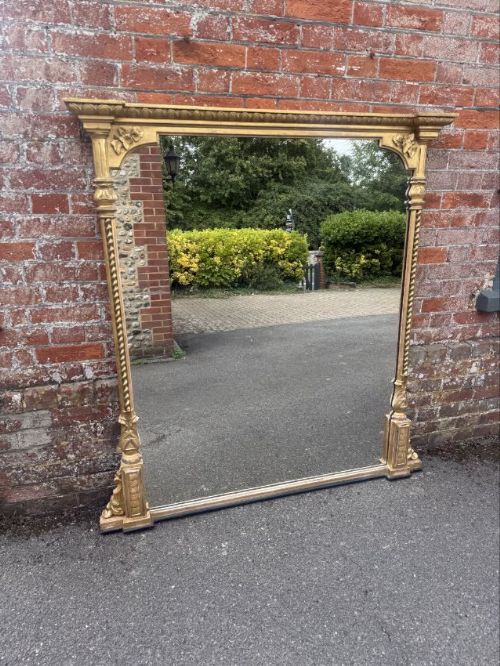
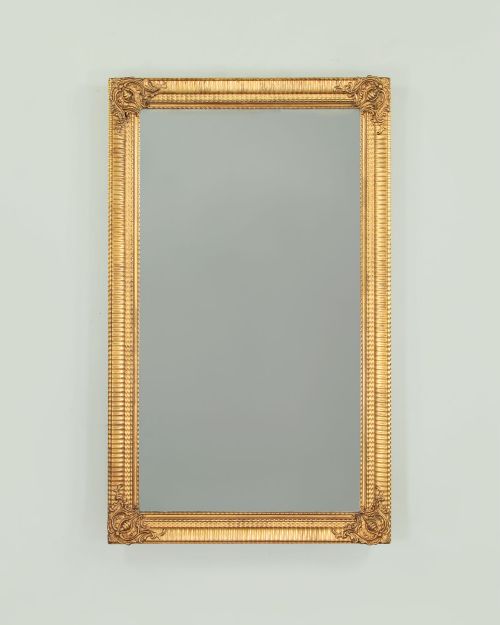
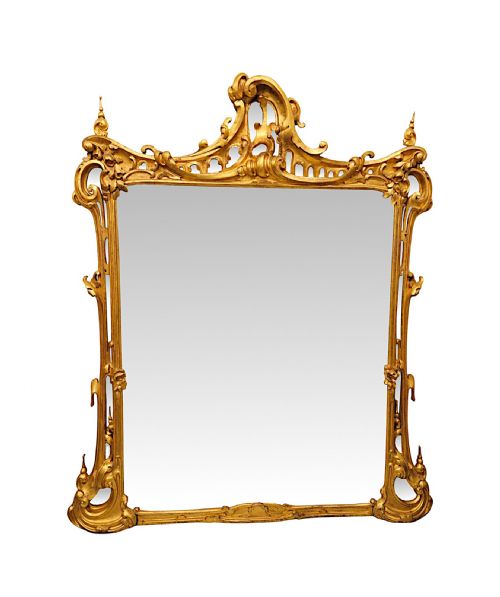
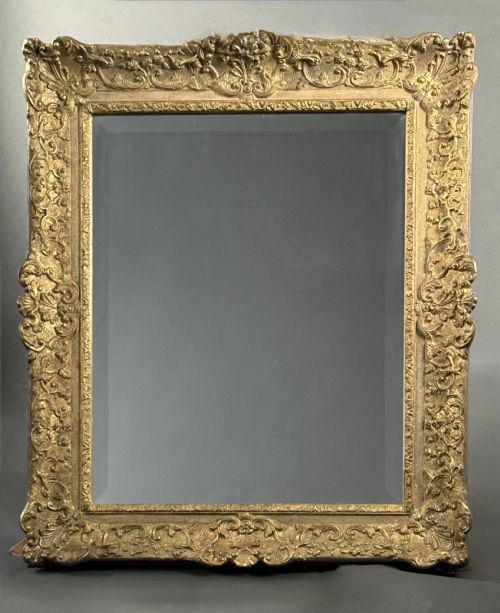
Victorian Carved Gold Mirror
A victorian carved gold mirror brings dramatic scale and reflective light to a room through ornate nineteenth-century craftsmanship.
Victorian Carved Gold Mirror
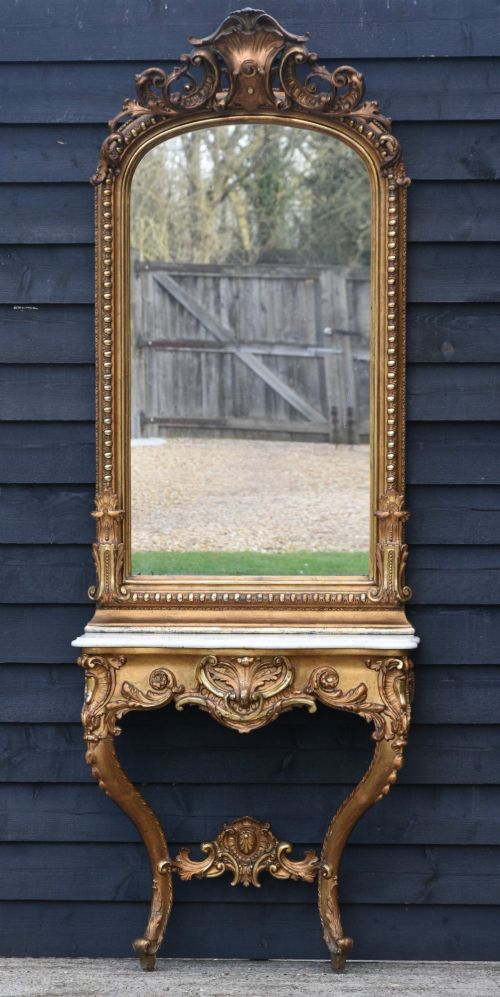
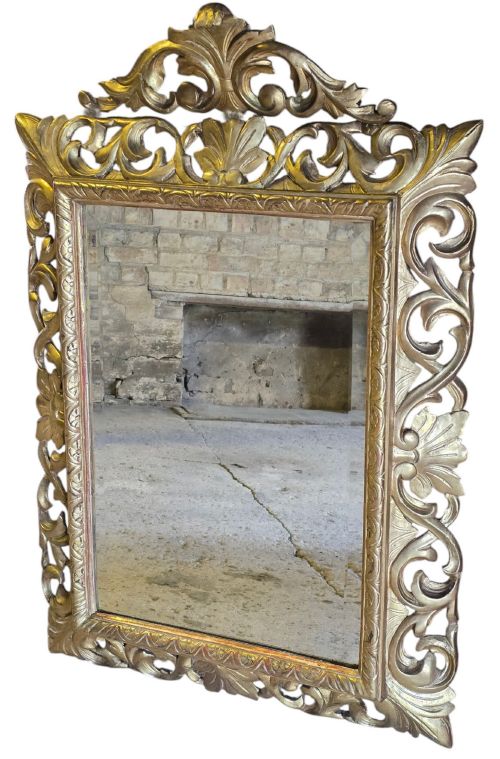
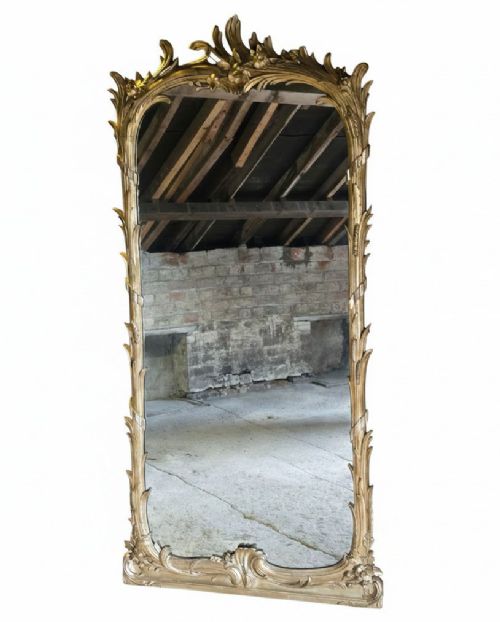
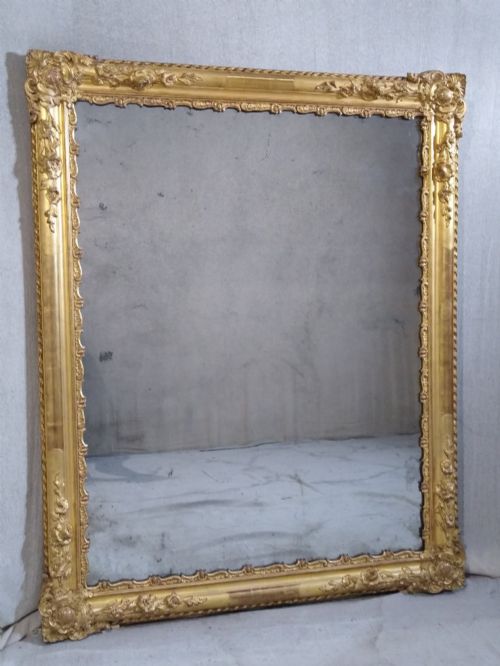
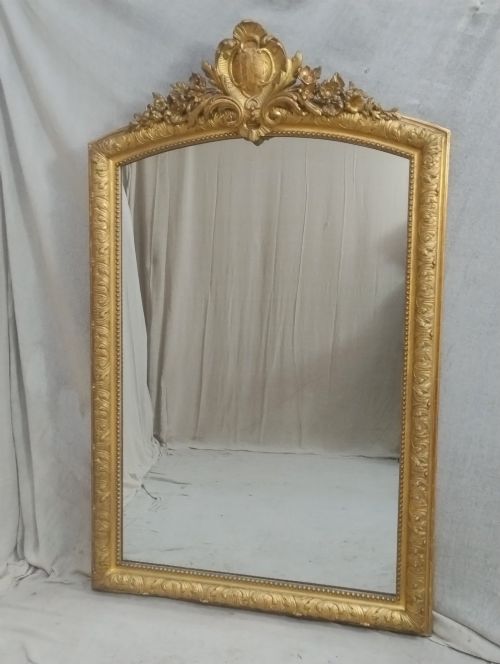
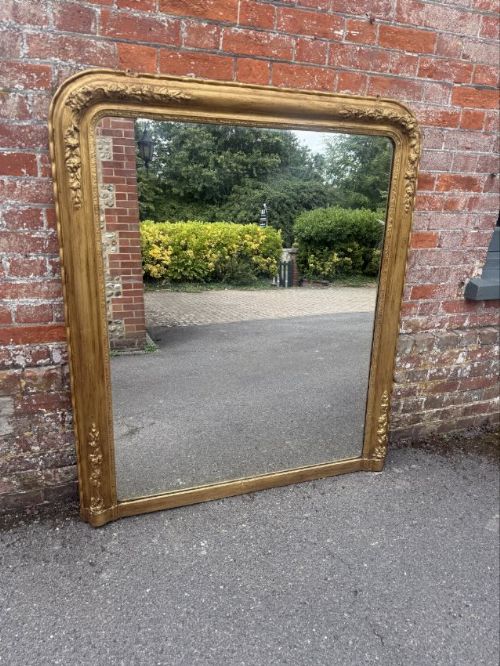
When searching for a victorian carved gold mirror, buyers encounter grand nineteenth-century pieces designed to command attention on a principal wall or above a fireplace. The selection spans substantial English and French wall mirrors, pier glasses, and expansive overmantels shaped with arched or decorative crests.
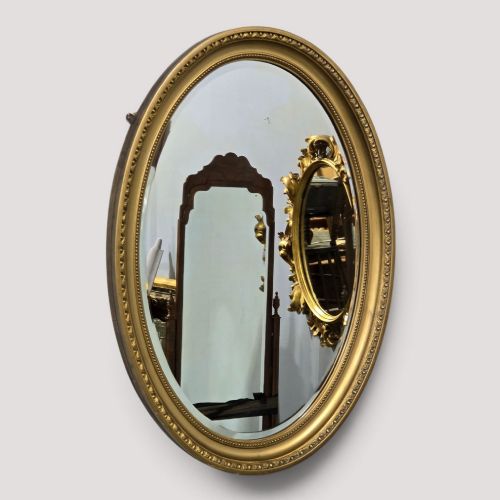
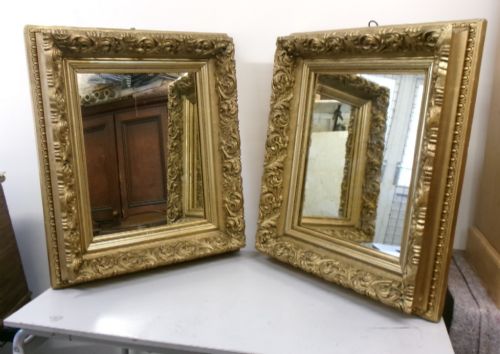
Most examples originate from the Victorian era and surrounding decades, manifesting styles from exuberant Rococo Revival to restrained classical lines. Forms range from compact oval wall pieces to monumental taller formats intended to bounce light deep into nineteenth-century drawing rooms.
How they were made
Carved wooden frames form the structural core, utilising timber foundations built to support heavy glass plates. Artisans layered gesso over the wood to create smooth surfaces capable of holding crisp relief details before applying gold leaf or paint.
Moulded composition ornaments frequently supplement hand-carving on elaborate frames, allowing intricate acanthus leaves, rope twists, and scrolling motifs. Silvered mirror glass sits within these heavy borders, sometimes bevelled at the edges to catch and refract daylight.
Some nineteenth-century frames incorporate clever rope twist carvings designed to look like nautical rigging.
What varies in quality
The depth and sharpness of the hand-carving distinguish finer frames from simpler moulded production. Crisp relief work in the gesso and wood reveals the hand of a skilled artisan rather than a hurried workshop.
The original integrity of the gilding and the clarity of the underlying mirror plate dictate the overall visual impact. Superior pieces retain rich layers of gold leaf that have aged gracefully alongside the heavy timber structure.
The Victorian Carved Gold Mirror Glossary
- Overmantel mirror
- A large horizontal mirror designed specifically to hang above a fireplace mantelpiece. These pieces often feature arched or shaped tops to fit architectural chimney breasts.
- Gesso
- A plaster-like mixture applied to wooden frame foundations to build up smooth surfaces for carving or gilding. It provides the crisp base needed for intricate ornamental relief.
- Giltwood
- Timber that has been coated with gold leaf or gold paint to give a rich metallic finish. It forms the primary visual identity of these nineteenth-century decorative mirrors.
- Pier glass
- A tall vertical mirror designed to hang on the narrow wall space between two windows, often paired with a console table beneath. They maximise natural light in traditional reception rooms.
- Girandole
- A decorative wall mirror fitted with one or more candle sconces attached to the frame. The polished glass reflects the candlelight to brighten dark evening interiors.
Victorian Carved Gold Mirror: Frequently Asked Questions
Where should I hang a large overmantel mirror?
These large mirrors traditionally sit directly above a fireplace mantelpiece to anchor the room's proportions.
They also work effectively on plain freestanding walls to reflect light and create an illusion of greater spatial depth.
How do I identify a Victorian mirror?
Victorian examples typically feature dense wood and gesso frames decorated with motifs like acanthus leaves or rope twists.
Construction details such as heavy timber backs and nineteenth-century glass characteristics help confirm the period.
What is the difference between an overmantel and a wall mirror?
Overmantel mirrors are proportioned horizontally to span the width of a fireplace breast.
Standard wall mirrors are built in various vertical or horizontal shapes for general room placement.
How do I care for antique giltwood?
Dust the carved frame gently with a soft dry brush to protect the delicate gold leaf surface.
Avoid liquid cleaning products on the gilded areas and keep the mirror away from direct dampness.