

Antique Writing Bureau Top
An antique writing bureau top represents a distinct upper section or companion piece designed for stationary storage and surface writing.
Antique Writing Bureau Top
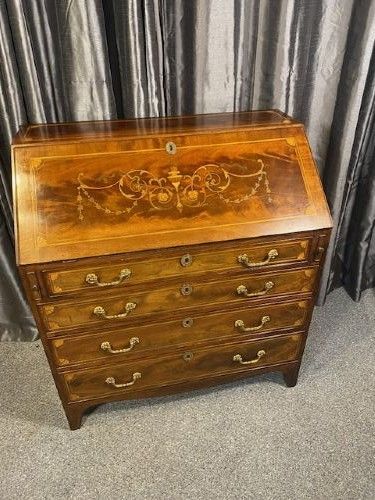
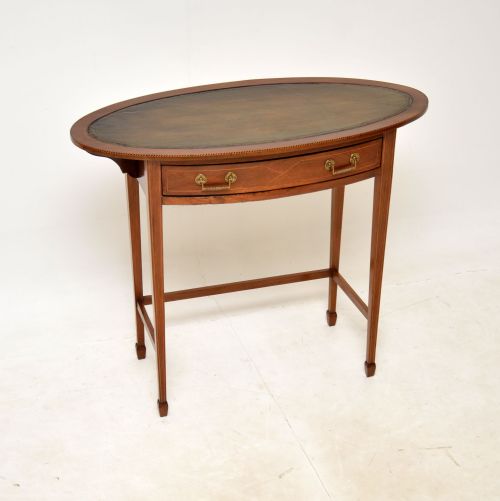
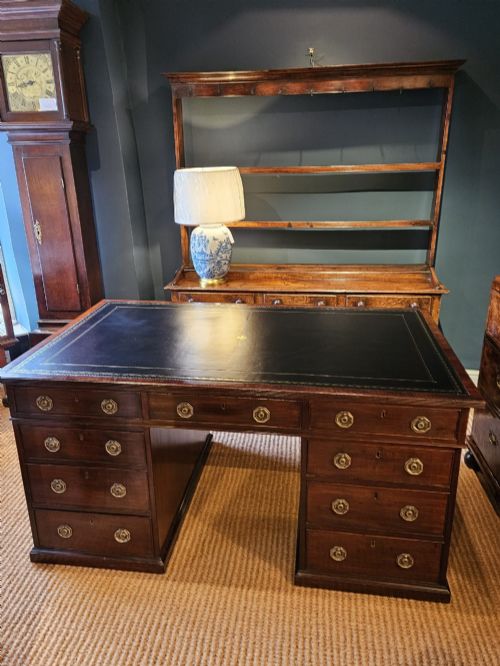
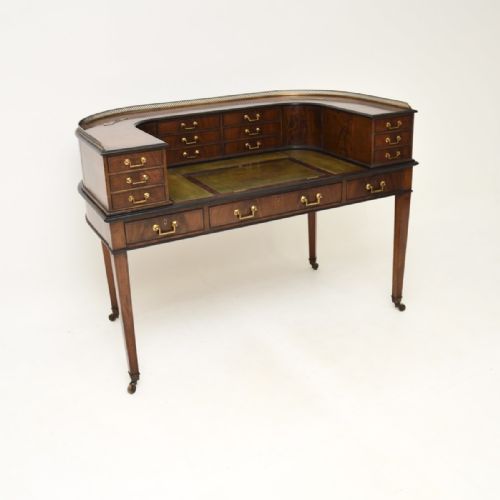
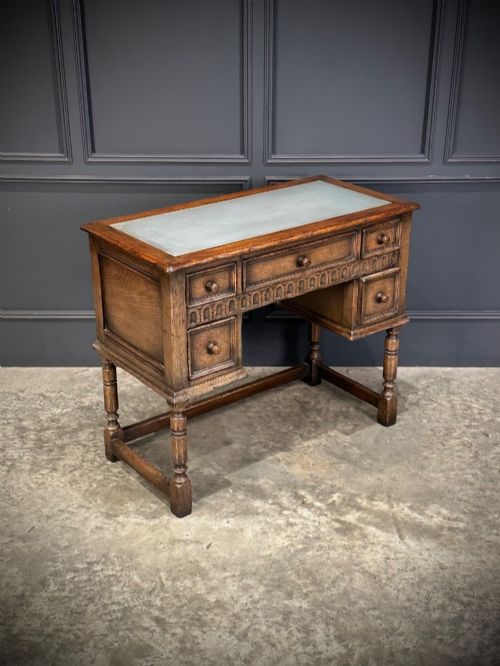
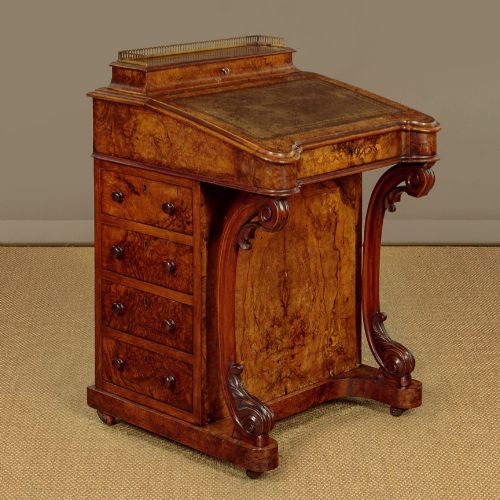
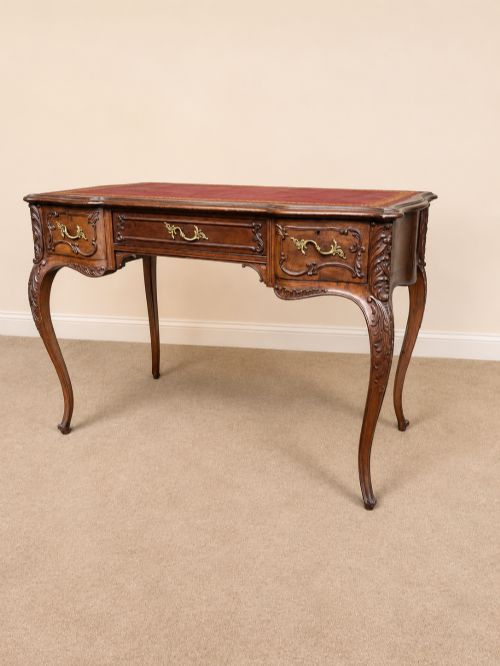
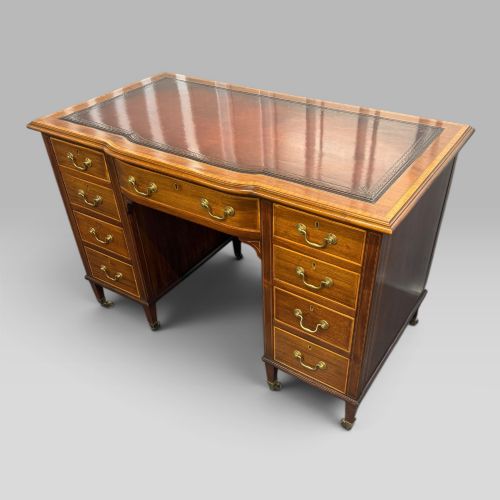
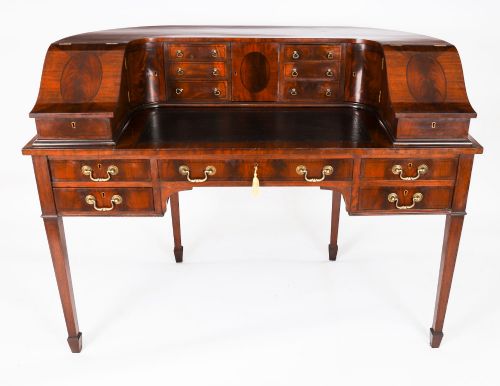
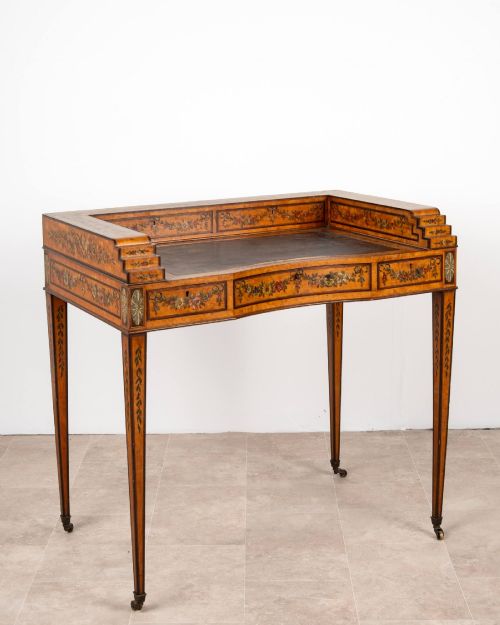
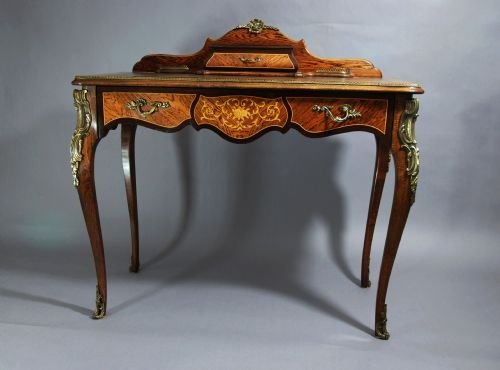
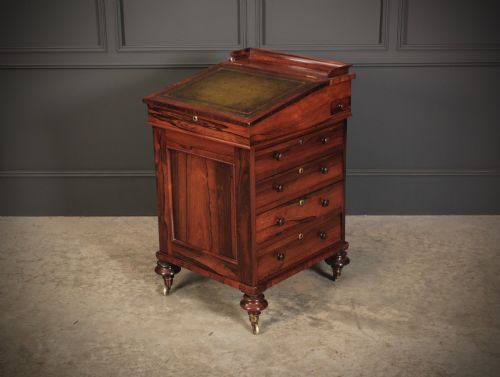
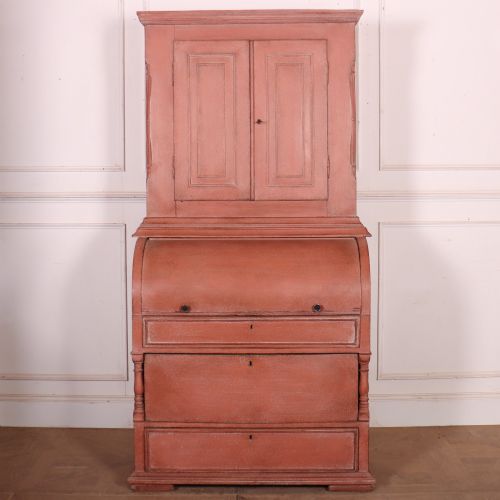
An antique writing bureau top covers upper compartments, shelving units, and fall-front writing surfaces associated with desks and bookcases. Buyers searching for an antique writing bureau top encounter modular upper sections or complete cabinet components spanning the eighteenth, nineteenth, and early twentieth centuries. These pieces appear in forms such as bureau bookcases, secretaire bookcases, and cartonnier attachments designed to sit upon writing tables.
The materials recorded across these pieces include mahogany, oak, walnut, rosewood, satinwood, and kingwood, often embellished with brass hardware, leather inserts, and glass glazing. Styles range from Georgian and Regency to Victorian, Edwardian, and various revival movements including Queen Anne and Louis XV. The selection reflects domestic and formal writing furniture utilised across British and continental workshops.
Materials and construction methods
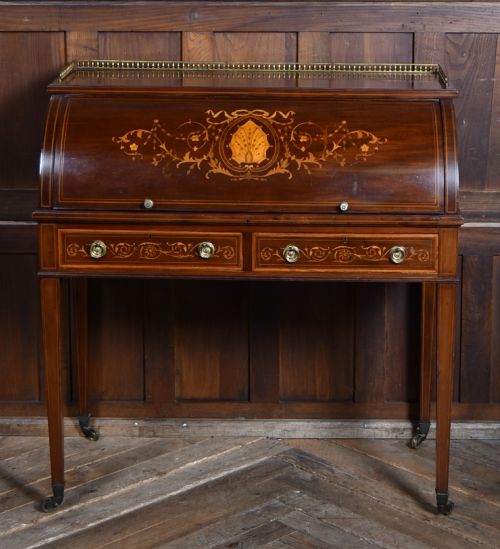
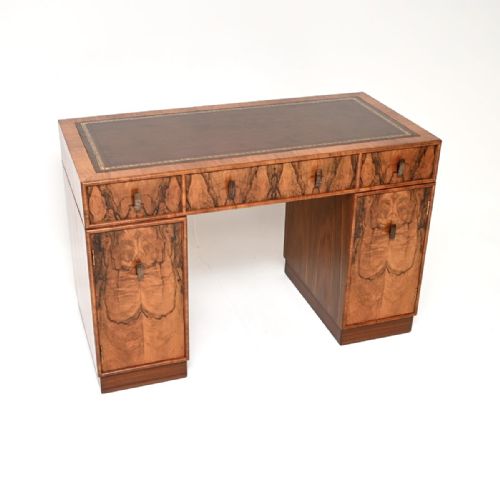
Cabinetmakers utilised dense hardwoods such as mahogany, oak, and walnut for primary structures, applying fine veneers of rosewood, satinwood, and kingwood to visible surfaces. Flame mahogany and burr walnut figured prominently in decorative panels, matched with marquetry and parquetry inlay techniques.
Internal components relied on solid secondary timbers for drawer linings and pigeonhole dividers, constructed with traditional joinery. Metalwork mounts in brass, ormolu, and gilt bronze accompanied leather writing surfaces and glazed doors fitted with astragal bars.
Antique Writing Bureau Top Retail Price Guide 2026
Typical asking prices for writing bureau top among the pieces listed under this phrase on Sellingantiques today, from the lower quarter to the upper quarter. They describe what is for sale here now, not the wider market.
Listings feature oak, mahogany, walnut, and rosewood across Georgian, Victorian, and Edwardian periods.
Distinctions in construction and design
Quality rests upon the selection of timber veneers and the precision of internal cabinetry, particularly within fitted compartments and secret drawers. Superior examples demonstrate continuous grain matching, restrained marquetry, and substantial secondary woods.
Hardware integration and mount casting separate standard production from finer workshop output, alongside the architectural coherence of cornices and glazing bars on upper bookcase sections.
Edwards & Roberts
The Antique Writing Bureau Top Glossary
- Bureau
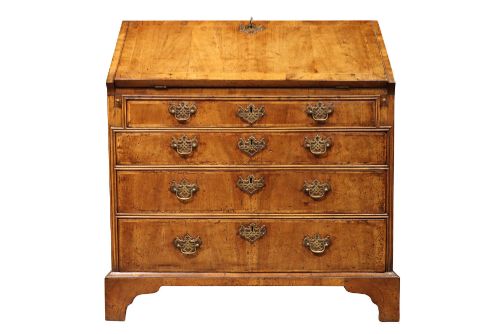
- A desk with a sloping fall-front that opens to reveal a fitted interior of pigeonholes and small drawers.
- Secretaire
- A piece of furniture containing a concealed writing drawer or a drop-front writing flap.
- Ormolu
- Gilded bronze mounts applied as decorative ornaments on French and revival furniture.
- Astragal glazing
- Wooden or metal bars dividing glass panes within bookcase doors.
- Marquetry
- Decorative patterns formed by the insertion of contrasting veneer pieces into a solid wood ground.
Antique Writing Bureau Top: Frequently Asked Questions
What is an antique writing bureau top?
An antique writing bureau top typically refers to the upper cabinet, bookcase, or modular writing section designed to sit upon a base desk or stand.
These pieces provide structured storage through pigeonholes, shelving, and enclosed compartments tailored for correspondence and stationery.
How were bureau tops used?
Bureau tops served as dedicated repositories for writing materials, ledgers, and books within studies, libraries, and drawing rooms.
The drop-front or desk components offered a stable surface for composition while keeping private papers secured behind panelled or glazed doors.
Which woods are most common?
Mahogany and oak appear frequently across English and continental examples, utilised for both solid construction and framing.
Walnut, rosewood, satinwood, and kingwood are also prevalent, often deployed as decorative veneers with intricate grain patterns.
How do styles differ across periods?
Georgian and Regency pieces favour architectural proportions with mahogany solids and brass hardware.
Victorian, Edwardian, and continental revival items incorporate varied marquetry, ormolu mounts, and lighter satinwood finishes.