
Antique Woven Textile
These antique woven textile pieces range from grand Flemish wall hangings to tribal Turkmen torbas, offering centuries of historic craftsmanship for the home.
Antique Woven Textile
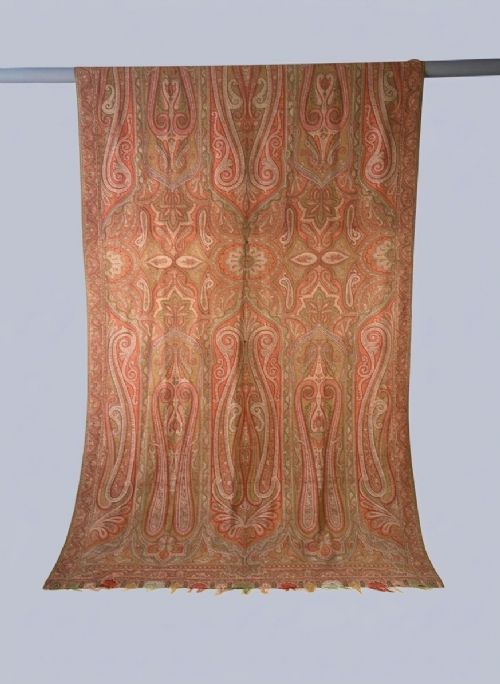
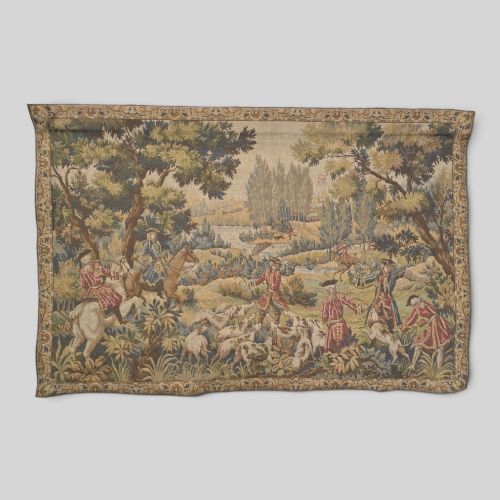
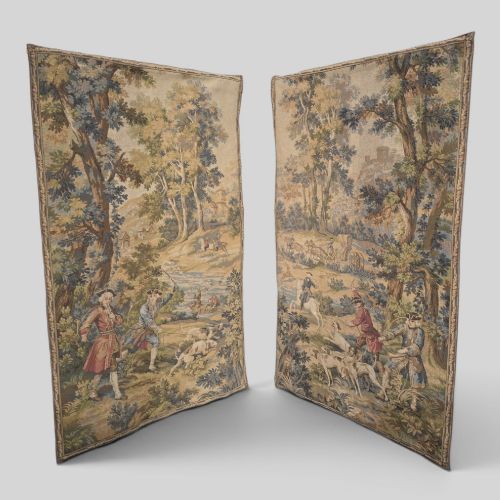
When you search for an antique woven textile, you encounter large wall tapestries and tribal bags spanning several centuries. The most common examples on this page are Flemish verdure tapestries and Turkmen tribal pieces from Central Asia.
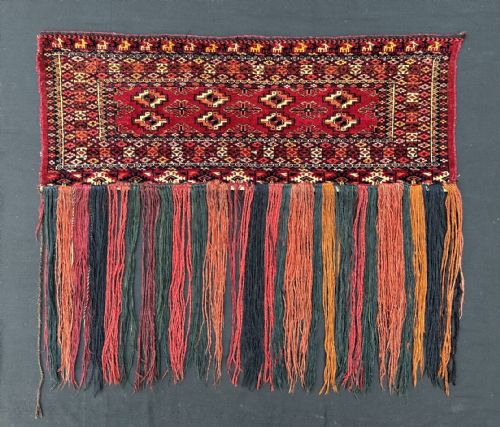
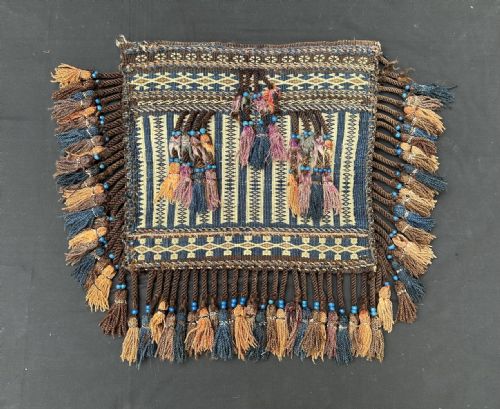
The selection includes 16th century Flemish works alongside 17th century Aubusson verdure panels and 18th century Flemish tapestries. Turkmen tribal items such as Yomut and Tekke pieces date from around eighteen eighty to nineteen hundred.
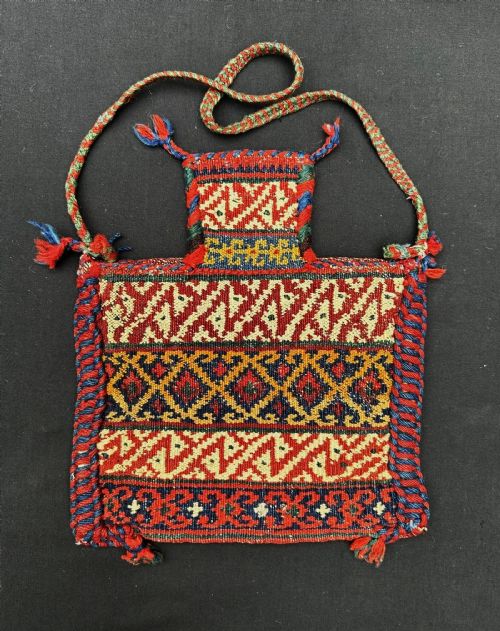
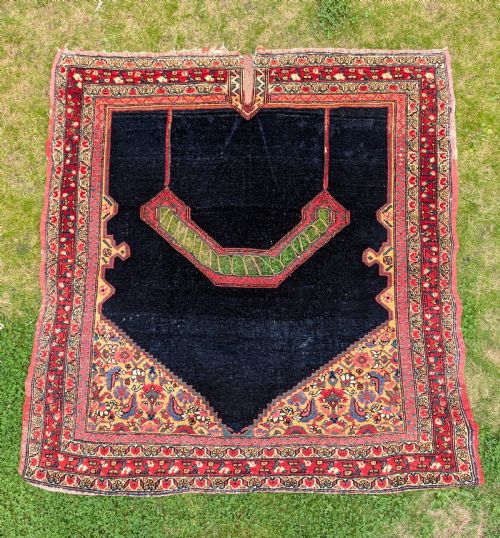
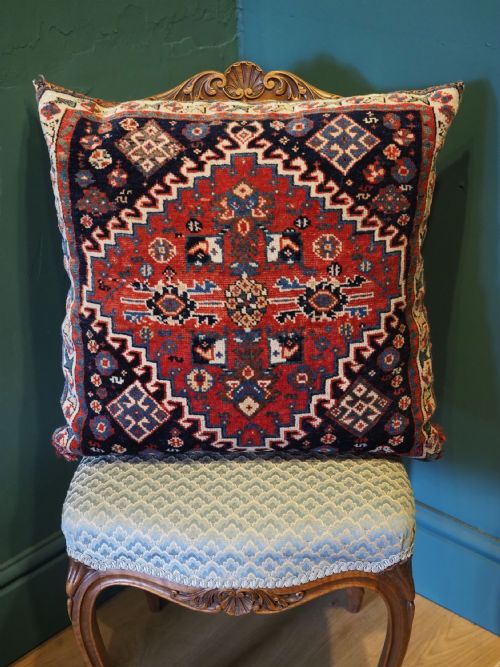
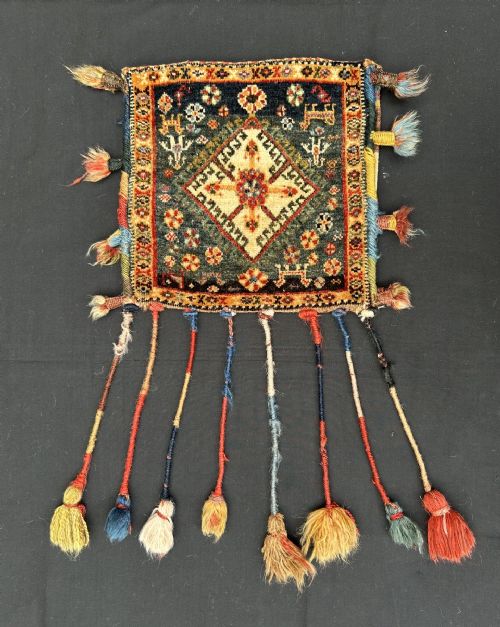
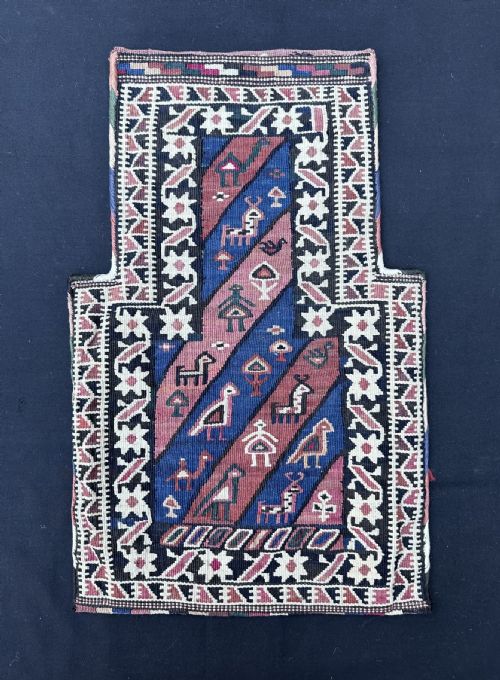
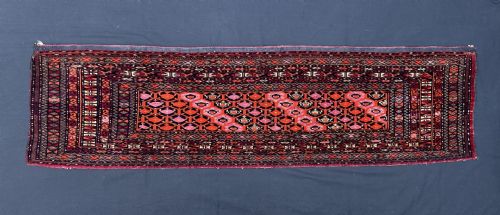
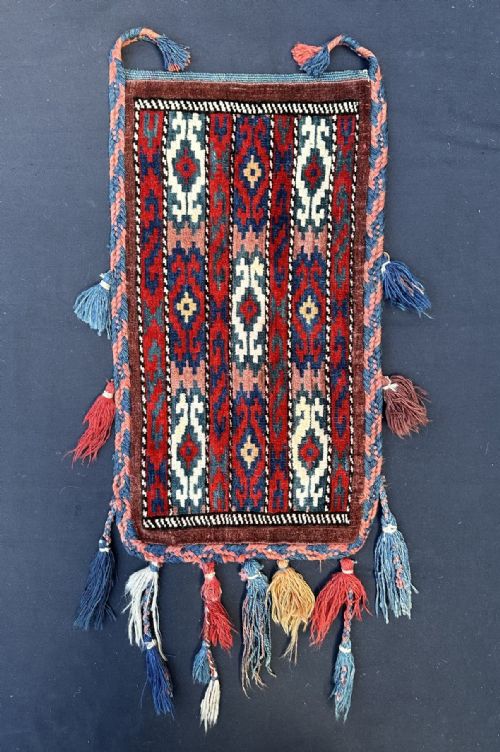
Forms vary from monumental wall tapestries down to smaller torba and chuval bags complete with backs. These objects shift between decorative European wall art and functional tribal weavings.
How they were made
The materials recorded in these pieces comprise wool, silk, and cotton. Weavers utilised these fibres to build complex pictorial scenes and dense geometric tribal patterns.
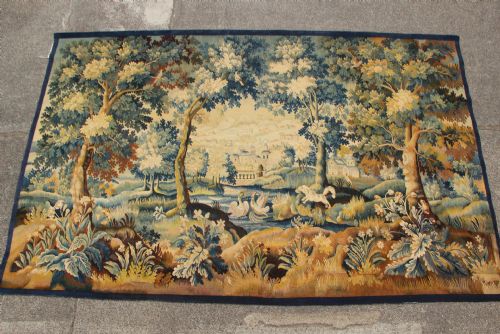
European works employ tapestry weaving techniques to render foliage and landscape verdure details. Central Asian tribal weavings construct intricate motifs such as the kepse gul design using durable wool and cotton structures.
Antique Woven Textile Retail Price Guide 2026
Typical asking prices for woven textile among the pieces listed under this phrase on Sellingantiques today, from the lower quarter to the upper quarter. They describe what is for sale here now, not the wider market.
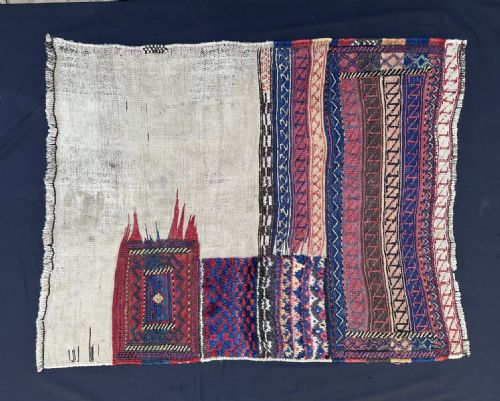
Several Turkmen bags arrive complete with their original backs, proving that nomad storage can outlast modern wardrobes.
What varies in quality
Quality rests in the complexity of the design and the preservation of the original materials. Complete tribal bags retain their original backs, which alters their integrity compared to fragment pieces.
Larger European tapestries show distinct skill in the rendering of verdure landscapes and pictorial depth. The fineness of the wool and silk weave dictates the visual impact of the composition.
The Antique Woven Textile Glossary
- Verdure
- A tapestry style featuring lush foliage, trees, and landscape elements. These scenes often dominate Flemish and Aubusson panels.
- Torba
- A small Turkmen tribal bag used for storage inside a tent. This form frequently displays precise geometric gul motifs.
- Chuval
- A large Turkmen tent bag produced by tribal groups. Examples often feature multiple gul arrangements across the main field.
- Gul
- A primary medallion or repeating motif found in Central Asian tribal rugs and torbas. Each design indicates the specific tribal origin of the weaving.
Antique Woven Textile: Frequently Asked Questions
How do I hang a heavy tapestry?
Large wall tapestries require even weight distribution across a sturdy wooden batten or metal rod. Stitching a heavy-duty fabric sleeve to the reverse helps support the textile without damaging the wool or silk.
Avoid hanging tapestries in direct sunlight or damp spaces, as natural fibres degrade under harsh environmental conditions. Professional framing or mounting ensures the weight hangs correctly over time.
What is a verdure tapestry?
A verdure tapestry depicts forest scenes, trees, plants, and sometimes animals or distant architecture. These pieces were particularly popular in Flemish and French workshops during the sixteenth and seventeenth centuries.
The palette relies heavily on greens, blues, and earth tones to create a dense garden or woodland atmosphere within a room.
How old are Turkmen tribal pieces?
Turkmen tribal torbas and chuvals listed here date from the late nineteenth century, around eighteen eighty to nineteen hundred. These items were woven by Yomut and Tekke groups for domestic use.
They use durable wool structures and traditional motifs passed down through generations of tribal weavers.
Can tribal bags be used on the floor?
Torbas and chuvals served as storage bags inside tents rather than floor coverings. Their delicate wool structure and historic age make wall display or gentle placement more suitable than heavy foot traffic.
Keeping them off the floor protects the original backs and delicate side cords from unnecessary wear.