
Antique Woven Mat
An antique woven mat brings centuries of nomadic and village craftsmanship into a room, offering rich textures and traditional patterns.
Antique Woven Mat
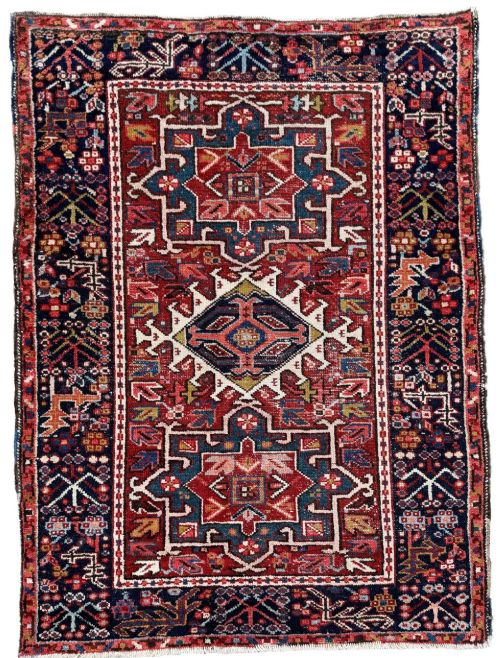
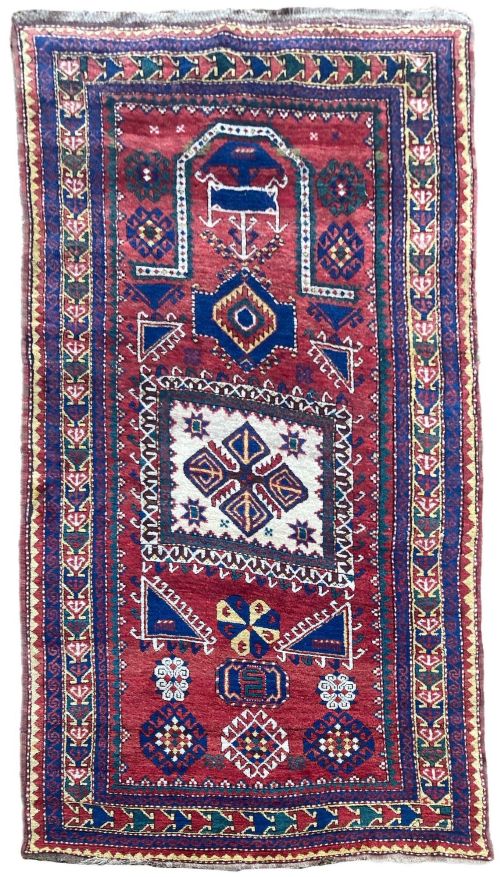
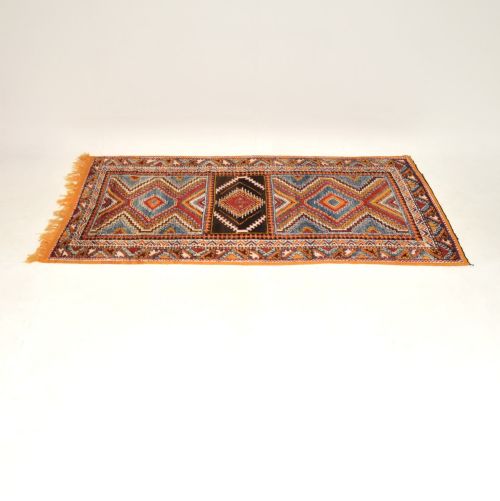
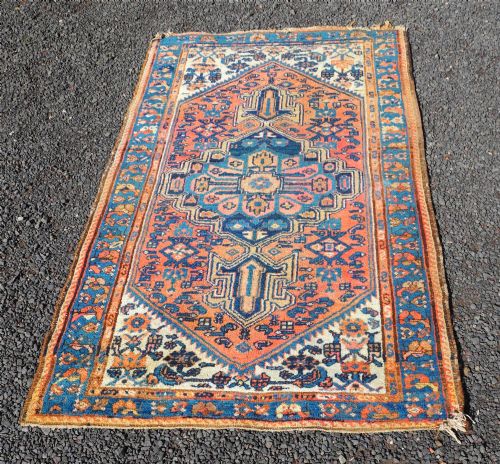
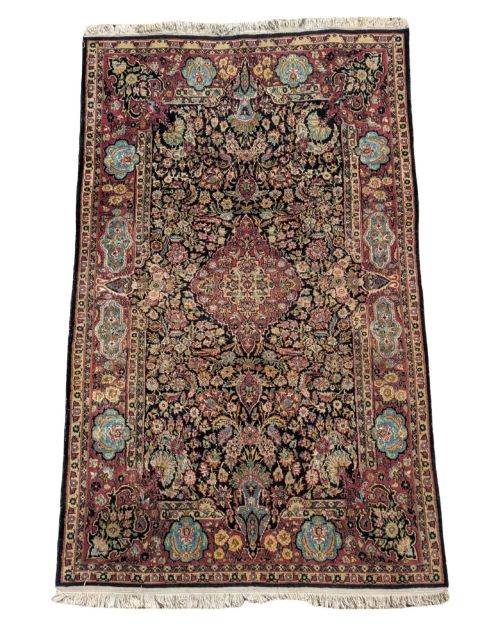
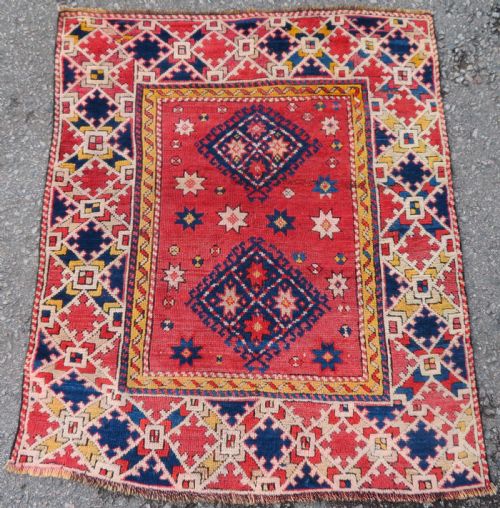
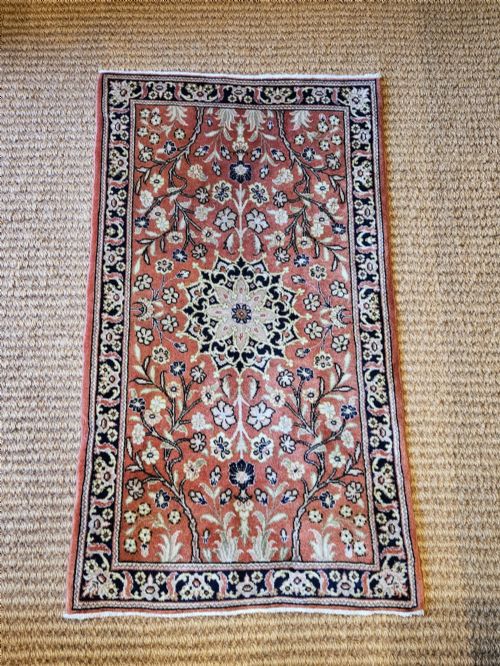
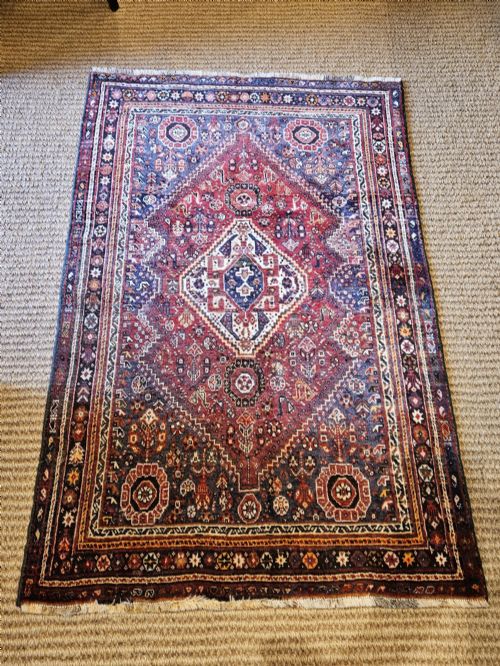
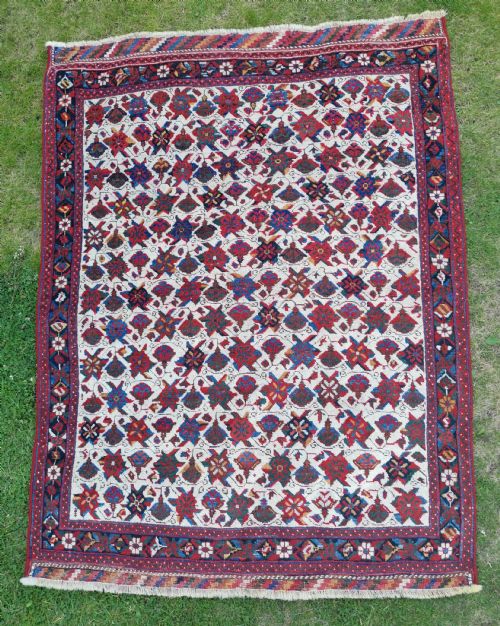
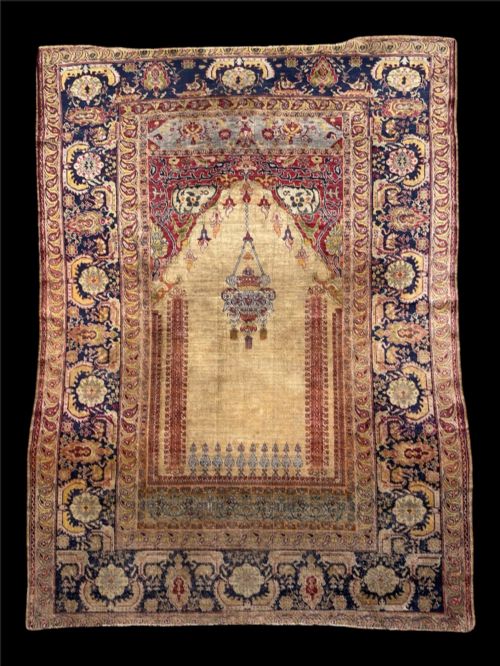
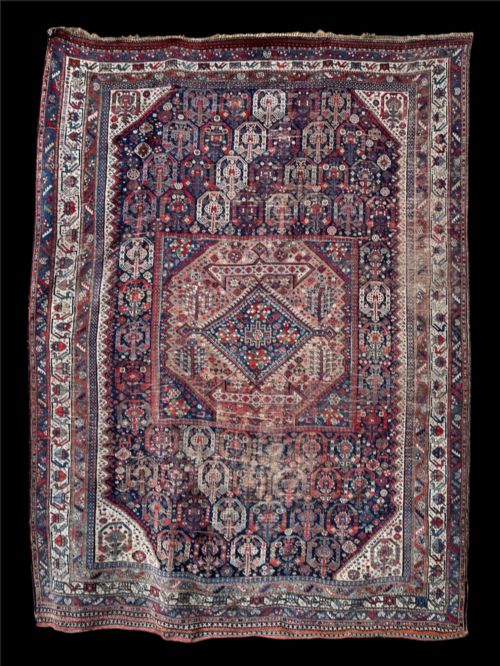
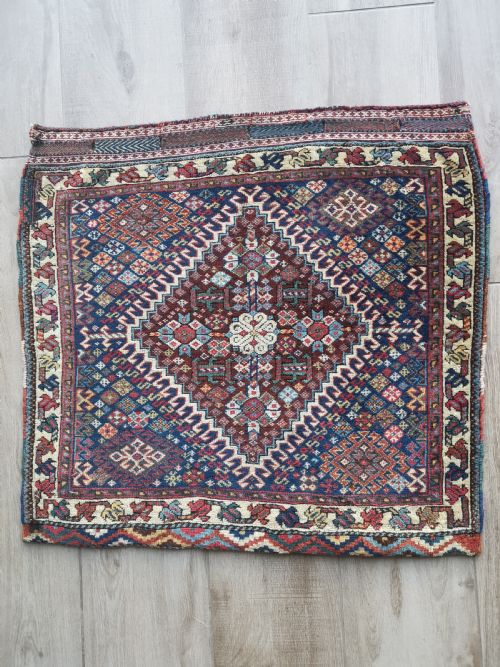
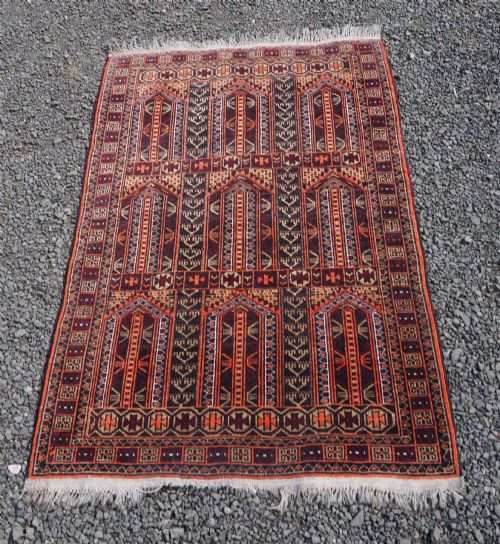
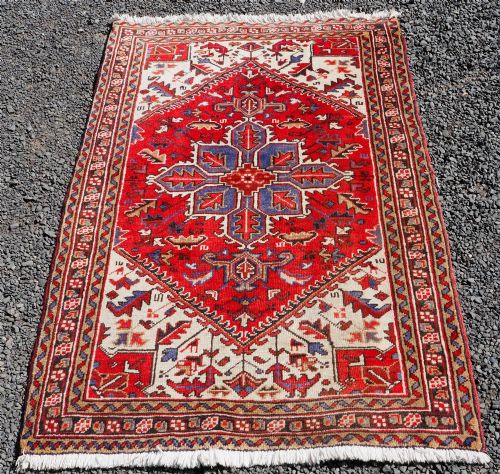
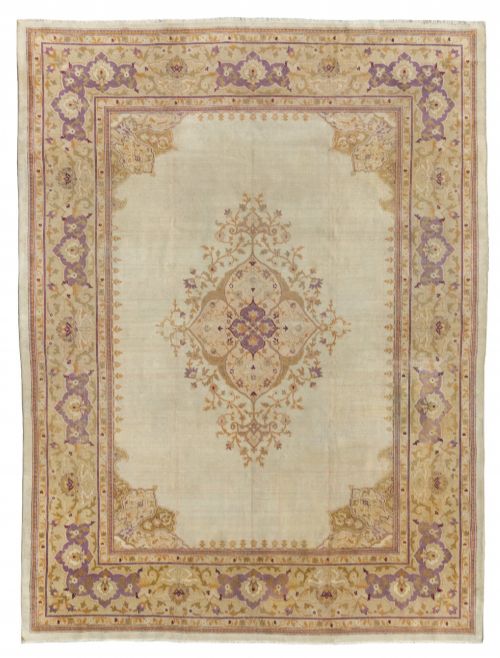
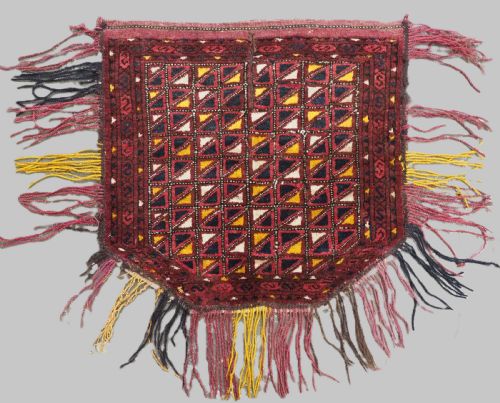
When searching for an antique woven mat, collectors encounter a diverse selection of hand-knotted and flat-woven pieces originating from Persian, Caucasian, Anatolian, and Central Asian weaving traditions. The inventory spans several decades and centuries, with examples ranging from small village rugs and prayer rugs to tribal bag faces, saddle covers, and utility cloths such as bread sofreh.
Village workshops and nomadic groups produced these textiles using durable animal fibres to withstand daily domestic use while displaying distinct regional iconography. Common forms include geometric Caucasian prayer rugs, intricate Turkmen torba faces, and compact Persian scatter mats designed for specific functional roles within the household or tent.
Materials and construction
Weavers constructed these textiles primarily using wool for foundations and pile, occasionally incorporating cotton for structural warp and weft threads or silk for highlighted details in finer carpets. Natural dyes provided the foundational palette, yielding deep earthy tones alongside vibrant accents that settled into harmonious patinas over time.
Nomadic and village artisans tied wool piles by hand onto sturdy vertical or horizontal looms, utilising specialised knotting techniques specific to their tribe or region. Finished edges were reinforced with overcast stitching, and functional items often retained original elements such as wool tassels or flat-woven selvedges.
Some pieces served as spindle bags, holding the tools that spun the very wool forming their intricate patterns.
Assessing the grade
Quality in these textiles depends heavily upon the precision of the knotting and the complexity of the tribal design, where denser structures allow intricate motifs to remain crisp and well-defined. The depth and saturation of natural dyes dictate visual brilliance, separating standard utility pieces from exceptional weaving achievements.
The integrity of the wool fleece and the preservation of original borders, tassels, or formatting significantly influence the desirability of a piece. Examples that maintain their structural stability alongside rich, undiminished colour palettes represent the higher tier of traditional village and nomadic craftsmanship.
The Antique Woven Mat Glossary
- Sofreh
- A flat-woven textile used traditionally for kneading bread dough or serving meals within nomadic households.
- Gul
- A medallion or repeating octagonal motif frequently utilised in Turkmen and Central Asian tribal weaving.
- Prayer rug
- A textile featuring a central mihrab design intended to indicate the direction of prayer.
- Warp
- The vertical foundation threads stretched tightly on the loom before knotting begins.
Antique Woven Mat: Frequently Asked Questions
How were these mats used?
Nomadic and village communities utilised these textiles as floor coverings, animal trappings, storage bags, and functional household cloths for preparing food.
Smaller formats often served as seated prayer spaces, wall hangings, or saddle covers during seasonal migrations.
How do I care for an old rug?
Regular, gentle vacuuming without a rotating brush roll prevents dust and grit from settling deep into the wool pile.
Professional textile conservators should handle major cleaning or structural repairs to preserve the natural fibres and dyes.
How are different tribal styles told apart?
Weaving traditions reveal themselves through distinct regional palettes, border arrangements, and characteristic geometric or floral motifs.
Specific structural elements, such as knot types and finishing methods, provide further clues to geographic origins.
What makes a piece tribal rather than village made?
Tribal pieces generally reflect the spontaneous, memory-based designs and utilitarian forms of nomadic groups moving across regions.
Village textiles often display more structured symmetrical layouts produced within settled community workshops.