





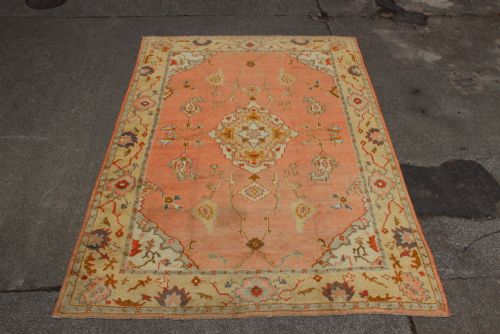
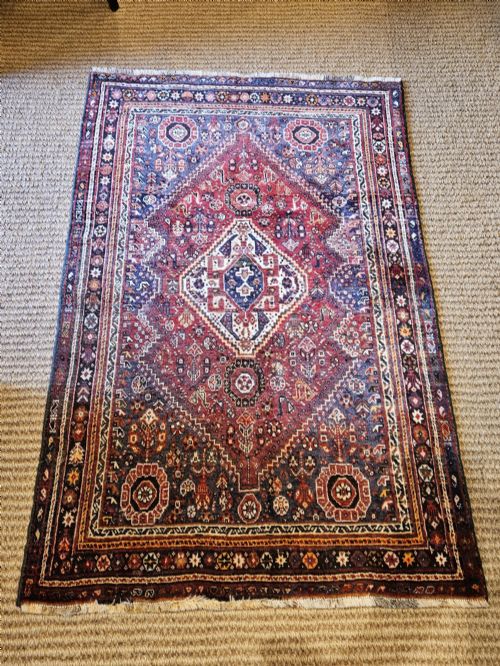
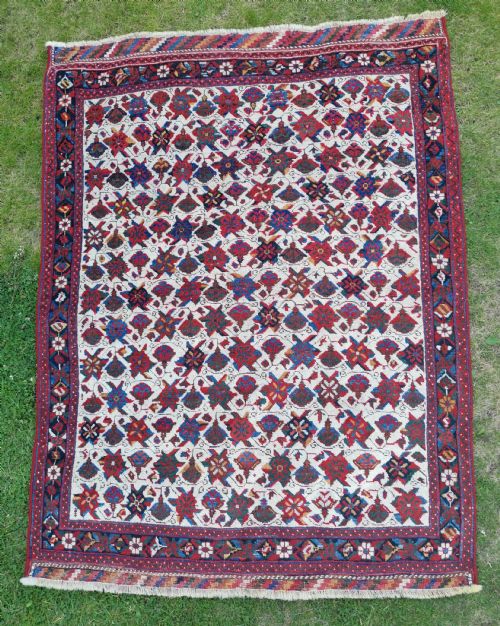
Antique Woven Floor Rug
An antique woven floor rug brings warmth and historic texture into a room through traditional hand-knotting and vegetable dyes.
Antique Woven Floor Rug
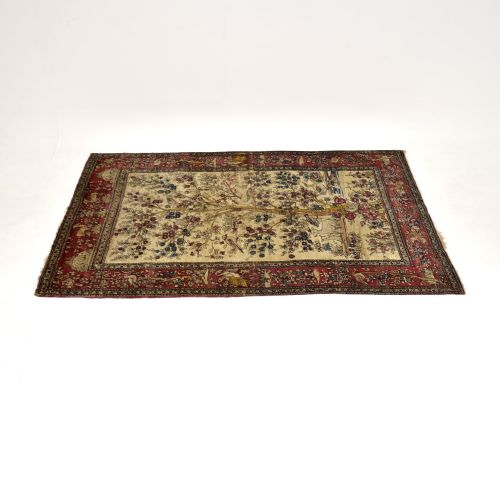
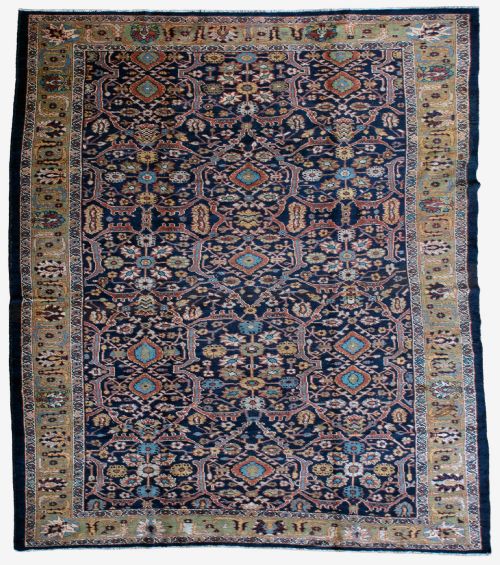
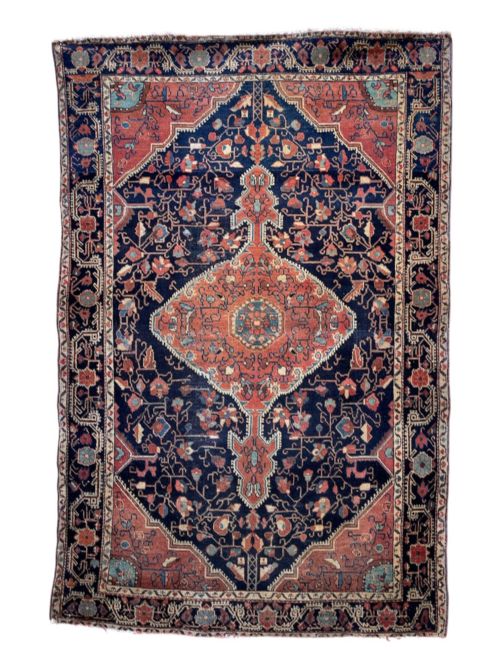
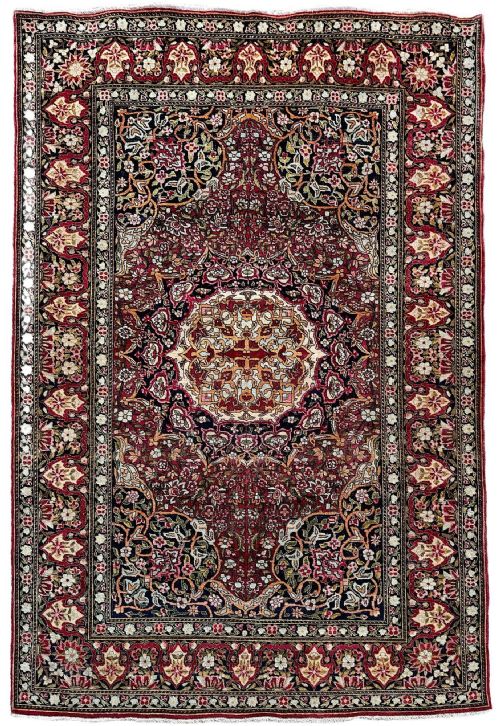
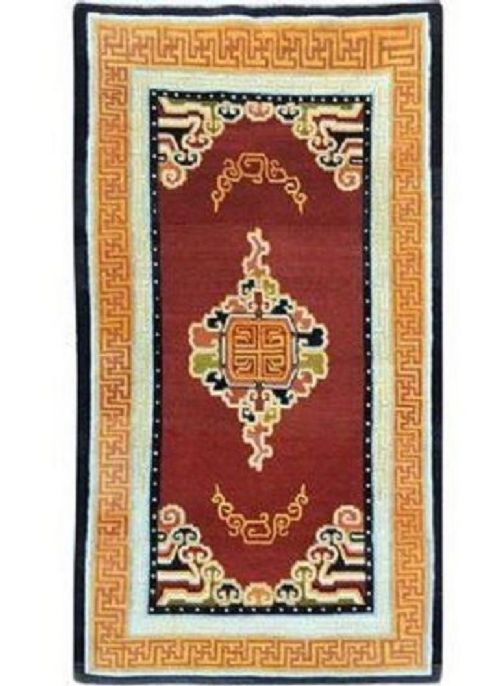
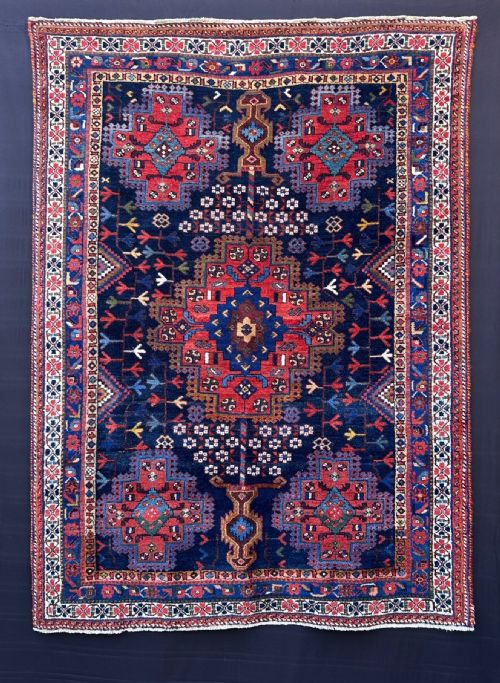
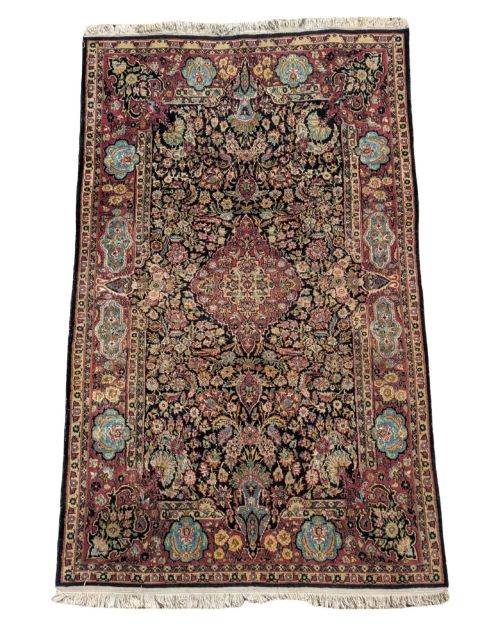
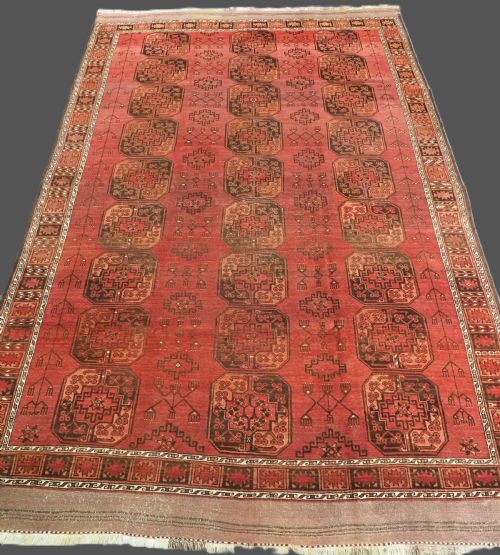
An antique woven floor rug is a functional textile designed for domestic interiors, represented here by large carpets and smaller floor coverings. These examples date from the late nineteenth century to the early twentieth century, spanning periods such as eighteen-eighty, eighteen-ninety, nineteen-ten, and nineteen-twenty.
The styles seen in these listings are predominantly Persian, including specific regional designs such as Sultanabad, Heriz, Mahal, Khamseh nomadic, and Shekarlu Qashqai. Buyers encounter various formats ranging from substantial room-size carpets measuring over three metres to more compact tribal rugs.
The regional origins dictate the distinct visual vocabulary of each piece, showing geometric motifs or grand floral patterns. These rugs reflect the diverse aesthetic traditions of Persian workshops and nomadic weavers.
Materials and Construction
The materials recorded in these rugs consist of wool and cotton, utilised together to provide both a soft, durable pile and a stable foundation warp and weft. Wool forms the visible pile of the carpets, offering resilience underfoot, while cotton often provides the underlying structural grid.
Natural dyes supply the rich colour palette observed across the pieces, creating deep tones that age gracefully over time. These organic colourants interact with the wool fibres to produce subtle variations in shade across the surface of the rug.
Antique Woven Floor Rug Retail Price Guide 2026
Typical asking prices for woven floor rug among the pieces listed under this phrase on Sellingantiques today, from the lower quarter to the upper quarter. They describe what is for sale here now, not the wider market.
Nomadic weavers occasionally embedded small intentional imperfections into their geometric rugs to ward off the evil eye.
Distinctions in Quality
Quality in these floor coverings rests upon the precision of the knotting and the complexity of the regional design execution. Finer examples display meticulous attention to detail in the rendering of traditional motifs and balanced proportions.
The integrity of the natural dye palette and the condition of the wool pile further separate exceptional pieces from standard examples. Superior materials retain their lustre and structural strength through decades of use.
The Antique Woven Floor Rug Glossary
- Pile
- The upright yarn loops that form the soft surface of a rug. This layer receives the direct wear of foot traffic in a room.
- Warp
- The stationary longitudinal threads stretched on the loom before weaving begins. These parallel strings carry the tension of the entire textile.
- Weft
- The transverse threads passed across the warp threads to bind the knots in place. Row by row, these horizontal elements secure the structural integrity.
- Natural Dyes
- Colourants derived from plants, insects, and minerals rather than synthetic chemicals. These traditional substances yield nuanced, harmonious shades that mature pleasingly.
- Nomadic
- Produced by tribal groups moving seasonally rather than in permanent urban workshops. These rugs frequently feature spontaneous geometric compositions and local memory designs.
Antique Woven Floor Rug: Frequently Asked Questions
How do I clean an old rug?
Gentle surface vacuuming without a beater bar removes loose dirt from the wool pile safely.
Professional specialist cleaning is necessary for deeper maintenance to protect the natural dyes and historical foundation.
Can these carpets handle daily walking?
Traditional wool and cotton construction provides strong durability suited for everyday domestic use in living spaces.
Placing a quality underlay beneath the textile prevents slipping and reduces friction against hard flooring.
What defines a tribal rug?
Tribal pieces emerge from nomadic or village weavers working independently of urban workshop traditions.
Their designs rely on generational motifs and geometric interpretations rather than pre-planned cartographic workshop cartoons.
How do I date these textiles?
Stylistic evidence, structural materials, and dye characteristics offer reliable clues to a carpet's age.
Comparing regional knotting styles and historical production periods helps narrow down the decade of creation.