


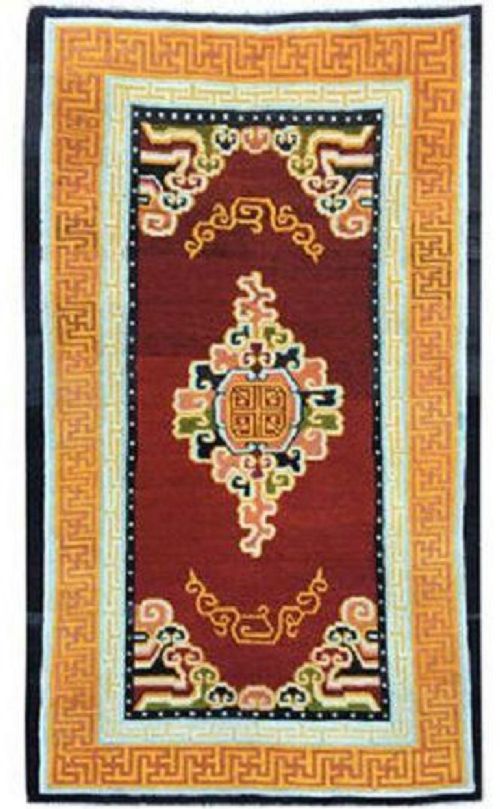
Antique Woven Area Rug
An antique woven area rug brings centuries of village tradition and precise knotting directly to a modern floor.
Antique Woven Area Rug
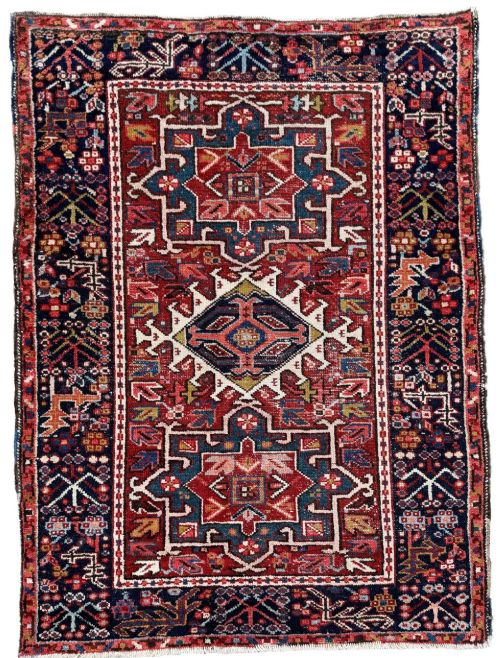
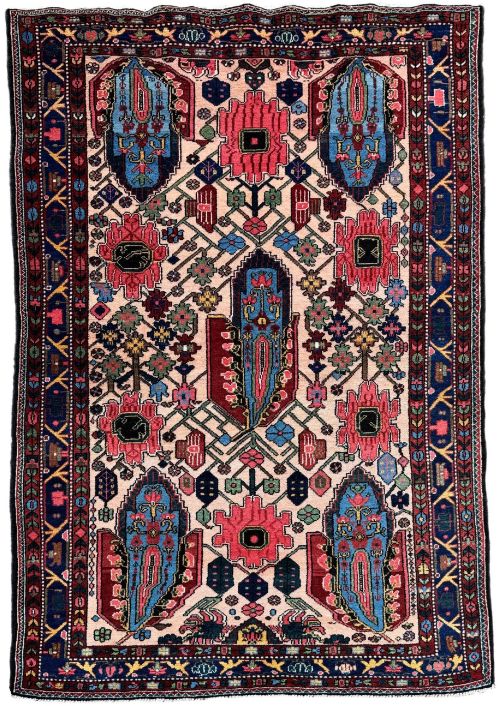
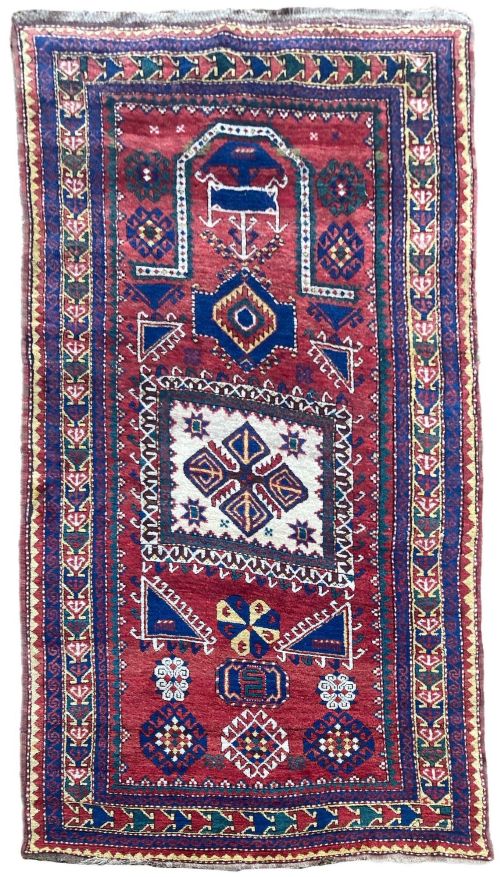
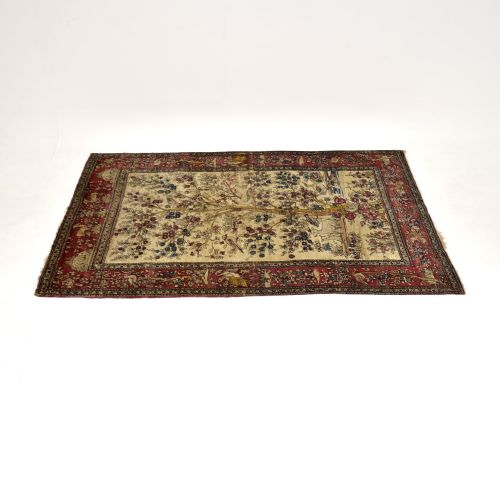
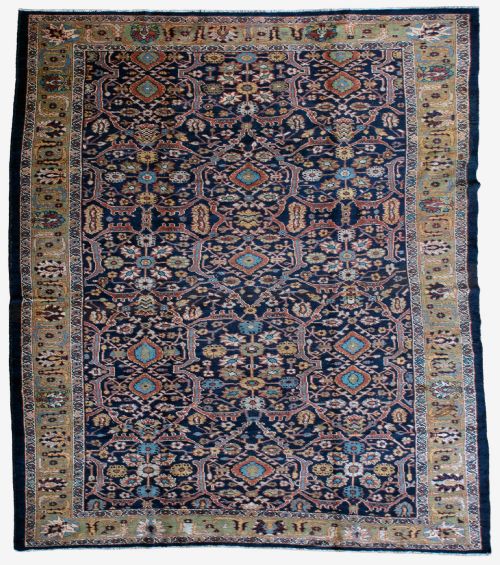
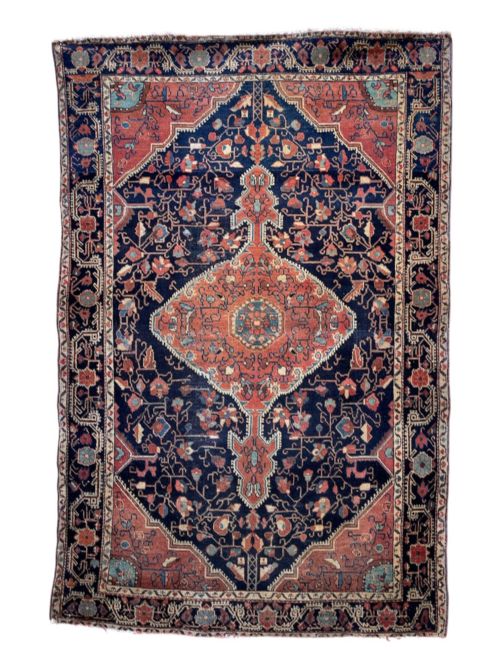
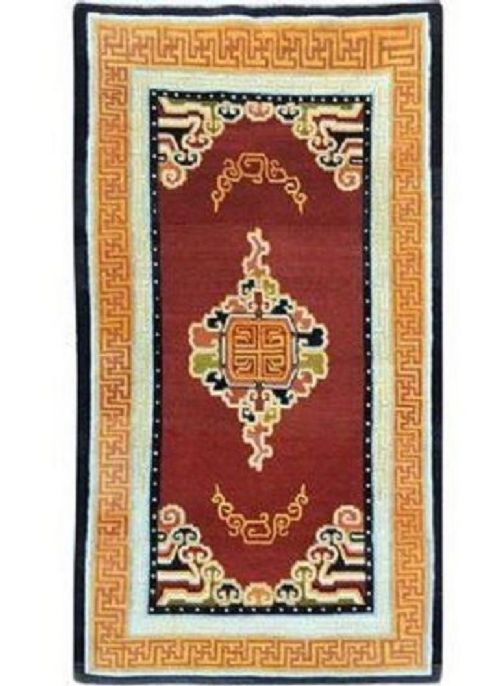
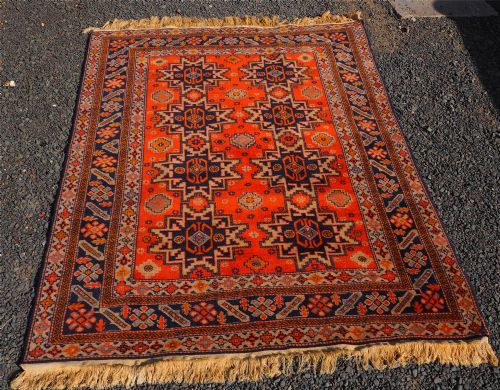
An antique woven area rug encompasses floor coverings originating from Persian, Caucasian, Anatolian, Turkmen, Tibetan, and tribal workshops. These pieces span from the mid-nineteenth century through the early decades of the twentieth century, appearing as smaller mats, prayer rugs, runner formats, and room-sized carpets.
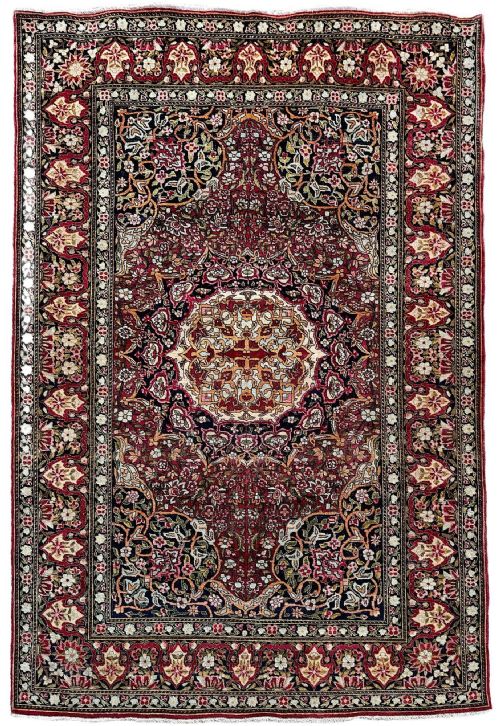
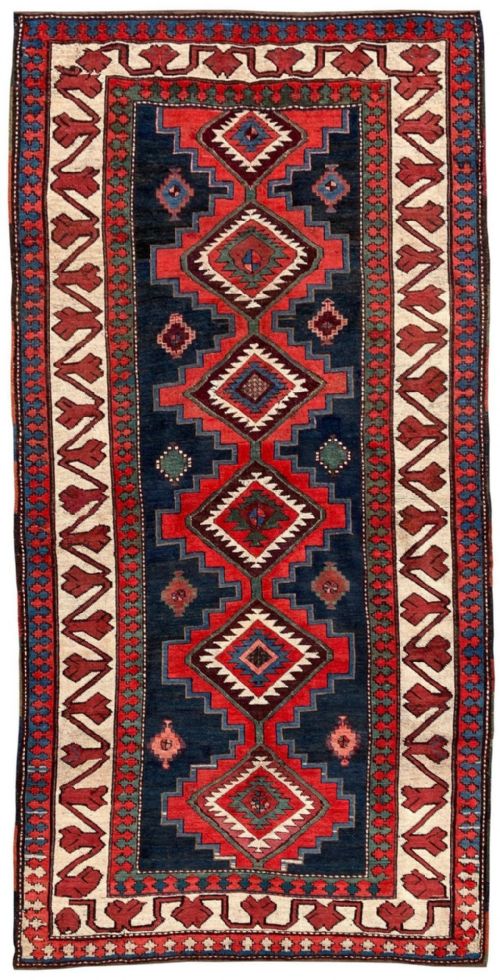
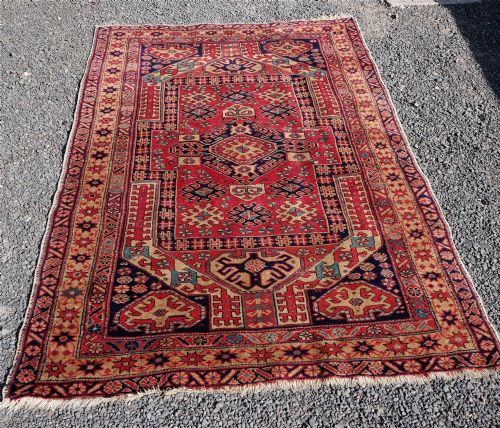
A buyer searching this category encounters diverse regional forms, including geometric Kazak and Kurdish pieces, village productions from Mahal and Heriz, and finely detailed city carpets from Isfahan and Saroukh. The material selection relies predominantly on wool, supplemented by cotton foundations and occasional silk highlights.
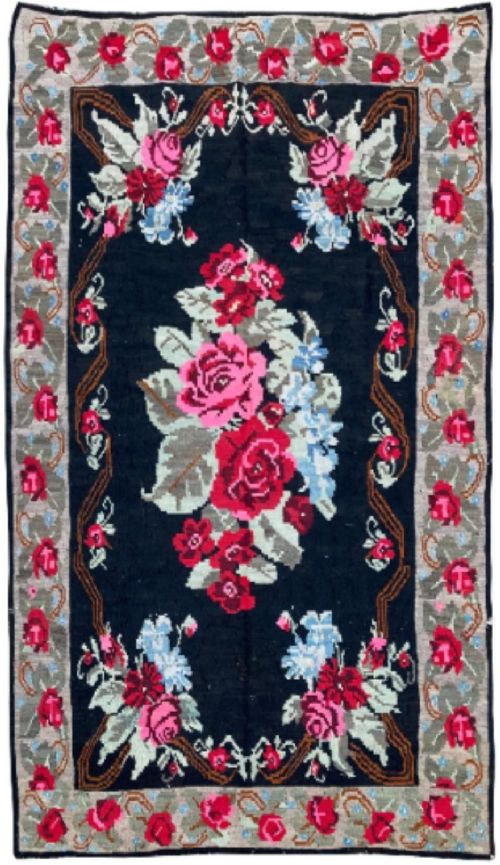
The selection ranges from small village prayer formats to expansive room carpets like Fereghan and Sultanabad weaves. Regional styles dictate the visual language, shifting between bold tribal medallions and curvilinear floral compositions.
Assessing quality and execution
Quality in these textiles rests upon the density of the knotting, the precision of the design execution, and the stability of the foundation. Finer city workshops achieved high knot counts with intricate curvilinear details, whereas tribal pieces achieved distinction through robust wool and powerful geometric balance.
The integrity of the dyes and the original proportions of the borders relative to the central field also determine the standing of an individual textile. Secondary repairs and the retention of original outer edges and fringe areas contribute further to the overall standing of the piece.
Antique Woven Area Rug Retail Price Guide 2026
Typical asking prices for woven area rug among the pieces listed under this phrase on Sellingantiques today, from the lower quarter to the upper quarter. They describe what is for sale here now, not the wider market.
Early weavers often embedded subtle intentional asymmetry into tribal rugs to ward off the evil eye.
The Antique Woven Area Rug Glossary
- Warp
- The stationary vertical strings stretched on the loom before knotting begins. These form the skeletal foundation of the textile.
- Weft
- The horizontal strands passed alternately over and under the warp threads to bind the knots in place. They stabilise the rows across the width of the rug.
- Pile
- The upright cut ends of the yarn that form the soft surface of the rug. It stands above the woven foundation.
- Medallion
- A large central ornamental design motif placed in the middle of the field. It serves as the primary focal point of the composition.
- Kilim
- A flatwoven carpet or rug produced without a pile. These pieces rely on interlocking weft techniques to create crisp geometric patterns.
Antique Woven Area Rug: Frequently Asked Questions
How do I clean an old rug?
Professional specialist cleaning is essential to protect historical fibres and natural dyes from bleeding or shrinkage.
Regular gentle vacuuming without a rotating power brush helps remove surface dust between professional maintenance visits.
Can these rugs go in hallways?
Runner formats and sturdier village weaves function well in hallways when paired with a quality underlay to prevent shifting.
High-traffic areas require durable wool construction to withstand daily foot traffic over the years.
How do I identify tribal designs?
Tribal designs display geometric motifs, stylized animals, and hooked medallions passed down through nomadic family traditions.
These patterns contrast with the precise floral curves found in urban workshop carpets.