
Antique Wool Wall Art
Antique wool wall art brings centuries of woven narratives, tribal designs and embroidered panels directly into domestic spaces.
Antique Wool Wall Art
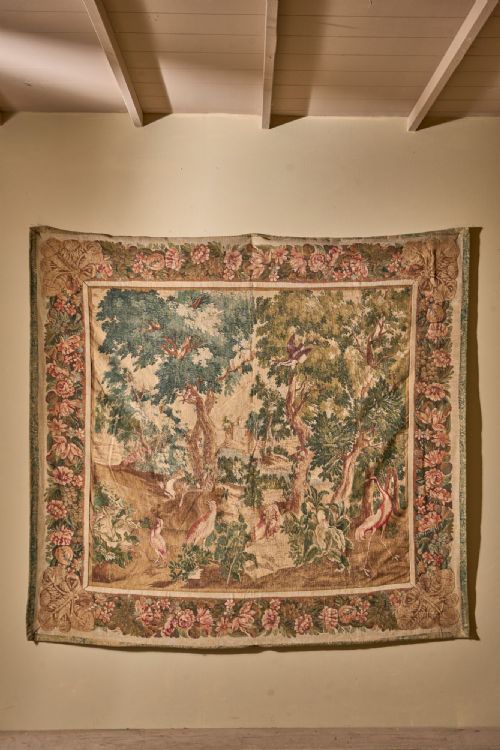
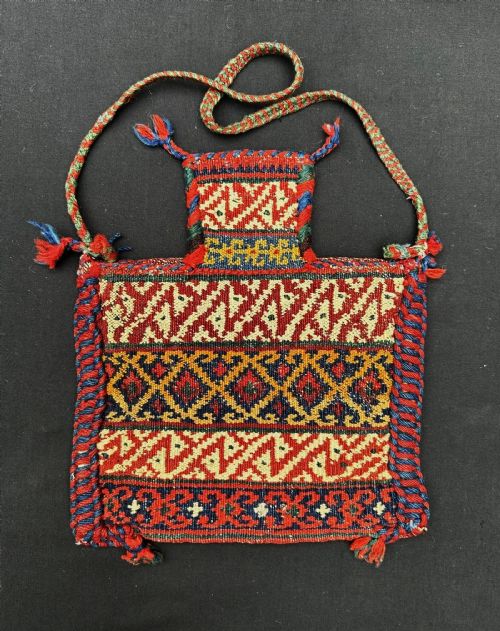
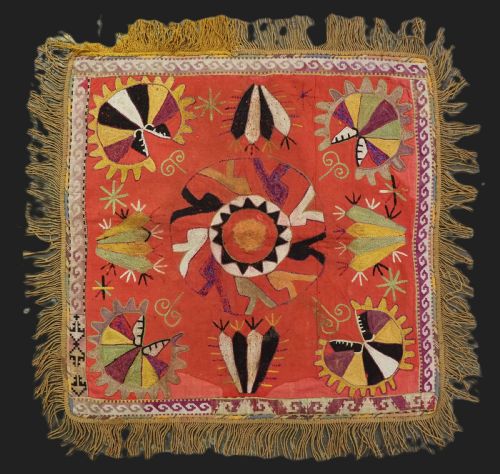
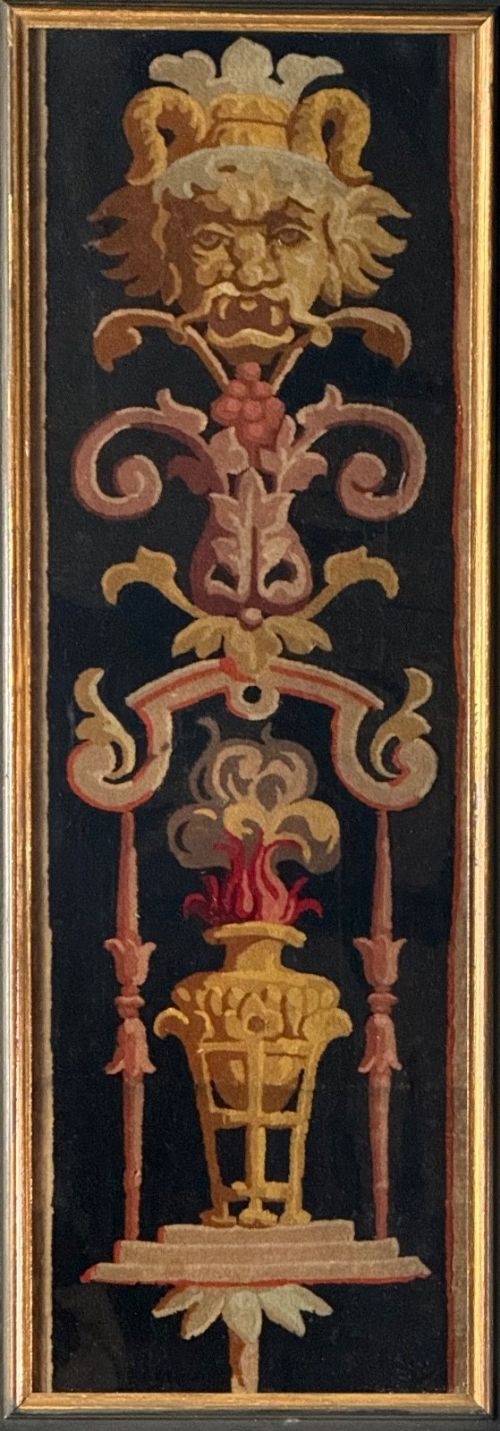
When searching for antique wool wall art, collectors encounter a diverse array of historical textiles ranging from European verdure tapestries to Central Asian tribal dowry bags. These pieces function primarily as decorative wall hangings, transforming textile art into room focal points.
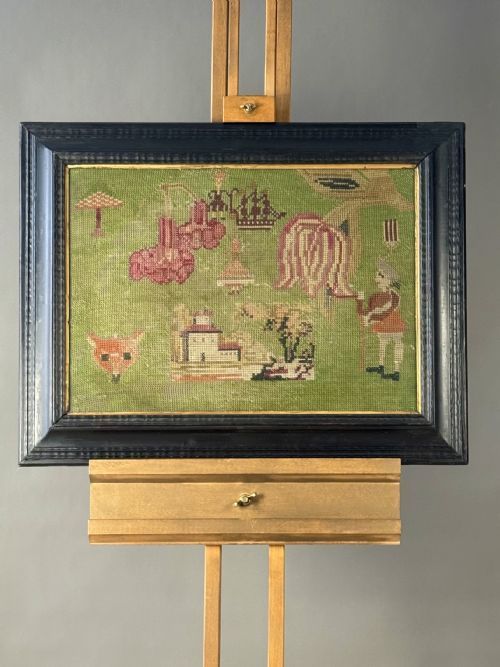
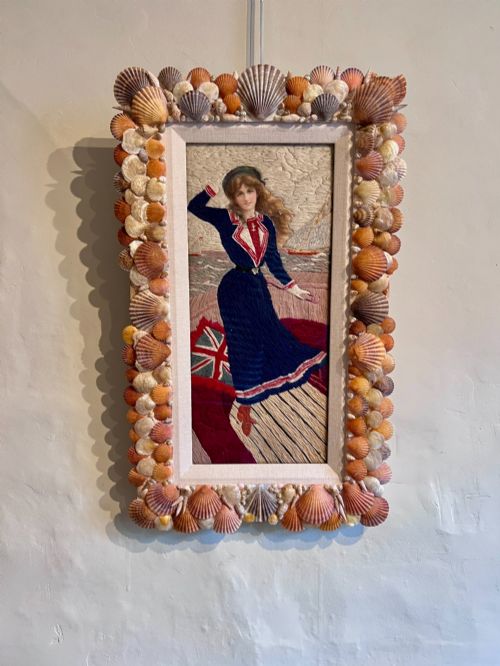
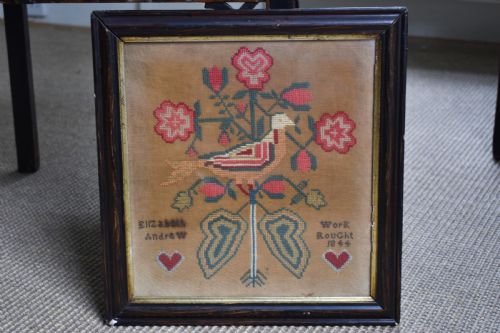
The selection on this page relies heavily on nineteenth-century European needlework, Victorian woolwork pictures, and tribal weavings from Persian and Turkmen nomadic groups. Pieces span multiple centuries, touching upon seventeenth-century classical embroidered panels alongside later French and Flemish tapestry fragments.
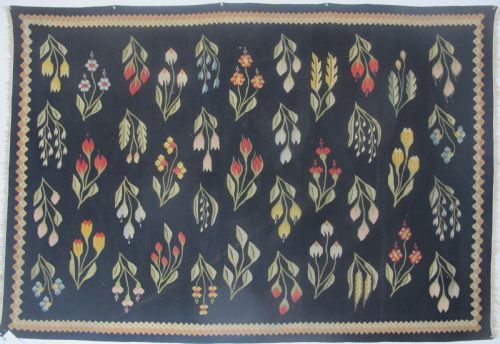
Formats shift fluidly between large framed tapestries, embroidered wall hangings, and repurposed nomadic bagfaces mounted for display. Each object preserves domestic or tribal textile traditions designed originally for utility or ceremonial ornamentation.
Materials and construction methods
The construction of these pieces centres on wool, often combined with silk, cotton, and linen on canvas or wooden supports. Natural dyes impart the varied colour palettes seen across tribal and European works.
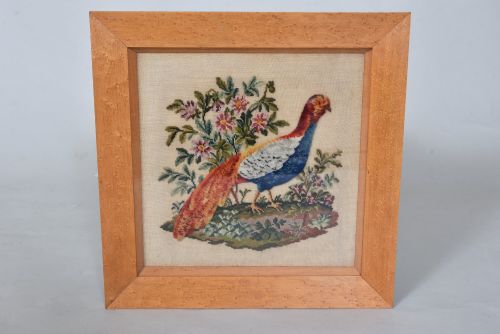
Techniques diverge between needlework execution, such as Berlin work and crewelwork embroidery, and complex weaving traditions found in European verdure tapestries and tribal saddle-bags. Frame mounting frequently utilises wood and glass to preserve fragile nineteenth-century woolwork pictures.
Listings feature eighteenth-century European needlework alongside nineteenth-century Victorian plushwork and Central Asian tribal dowry embroideries.
Distinctions in quality and execution
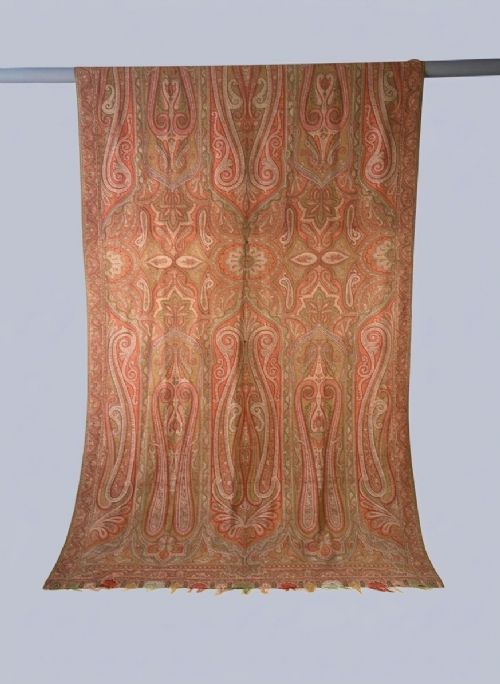
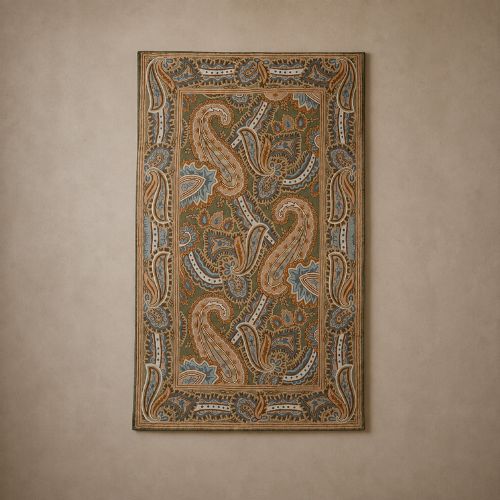
Quality rests upon the intricacy of the needlework or weave, alongside the integrity of the natural dyes and materials. Finely detailed nineteenth-century Scottish shawls and seventeenth-century classical panels demonstrate high technical mastery.
Preservation of original frames, such as burr maple, and the stability of mounted textile fragments elevate the standard of a piece. Depth of design complexity, from simple folk art samplers to elaborate French chateau tapestries, defines the upper tiers of the range.
The Antique Wool Wall Art Glossary
- Verdure tapestry
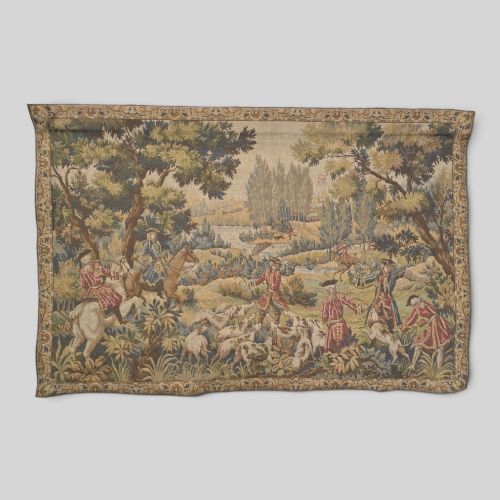
- A European woven wall hanging depicting lush foliage, trees, and often animals. These panels originate frequently from French and Flemish workshops.
- Berlin work
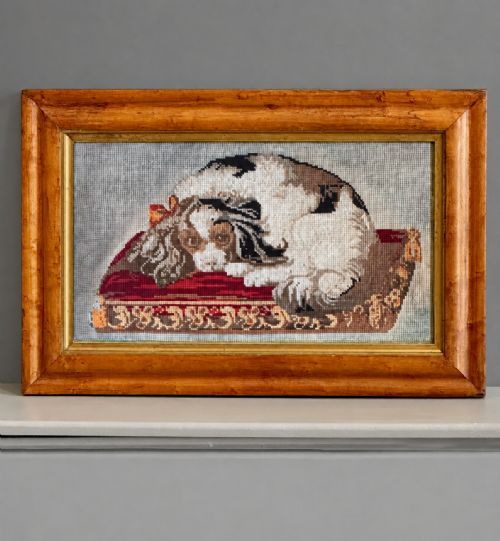
- A style of nineteenth-century needlework stitched in wool using charted patterns printed on grid paper. It yields brightly coloured pictorial scenes like King Charles spaniels.
- Ilgich
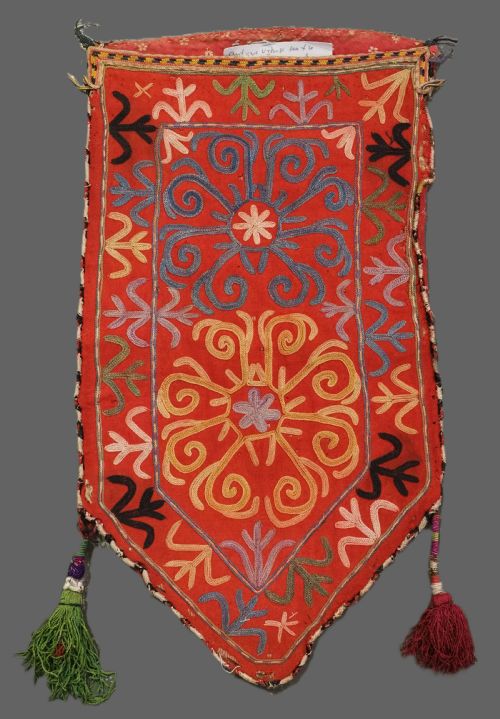
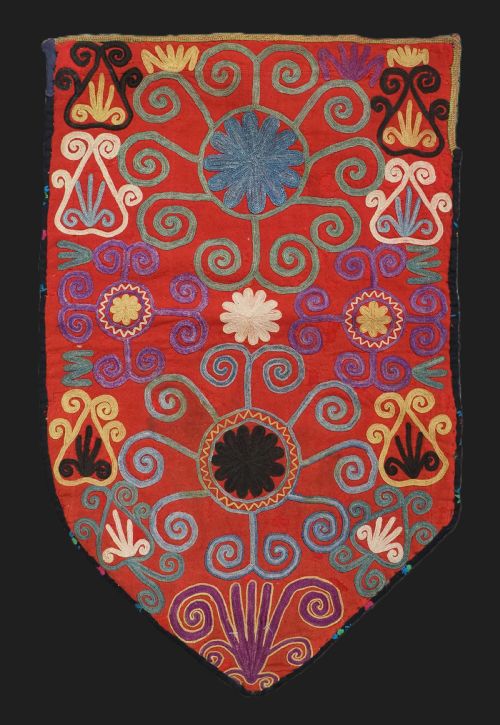
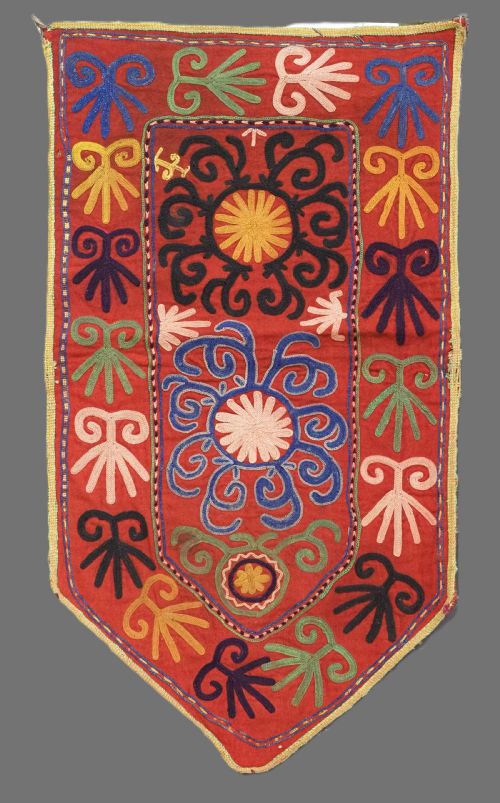
- A dowry embroidery piece produced by the Lakai tribe in Central Asia. These items served as decorative wall hangings within nomadic dwellings.
- Asmalyk
- A ceremonial camel trapping produced by Yomut Turkmen tribes. Pairs of these pentagonal weavings adorned wedding processions before moving to domestic walls.
- Crewelwork
- Embroidery executed with wool yarn on linen or cotton canvas ground. This technique creates textured surface designs on large historical wall panels.
Antique Wool Wall Art: Frequently Asked Questions
How are antique tapestries hung?
Most large tapestries utilise a sewn-on fabric sleeve along the top reverse edge to accommodate a discreet metal or wooden rod. Smaller framed needlework pieces hang directly from traditional picture hooks secured to wall studs.
Weight distribution matters significantly for heavier wool panels. Proper mounting distributes tension evenly across the entire upper margin rather than pulling at isolated corners.
What is Berlin wool work?
Berlin wool work is a nineteenth-century style of counted-thread embroidery utilising brightly dyed wool yarns stitched onto canvas. Popular subjects include domestic animals, historical scenes, and literary narratives.
Originating in Germany, the craft spread rapidly across Victorian Britain. Women stitched these detailed pictures using printed grid patterns before mounting them into decorative wooden frames.
How do I protect wool wall art?
Protecting historical wool requires avoiding direct sunlight to prevent natural dye fading. Maintaining stable indoor humidity prevents fibre degradation and discourages insect activity.
Displaying textiles away from direct heat sources preserves the natural lanolin within the wool fibres. Periodic gentle dusting with a soft brush keeps surface debris from settling into the weave.