




Antique Wooden Washstand Table
An antique wooden washstand table brings daily utility and period timber into the bedroom, offering sturdy surfaces built for personal grooming.
Antique Wooden Washstand Table
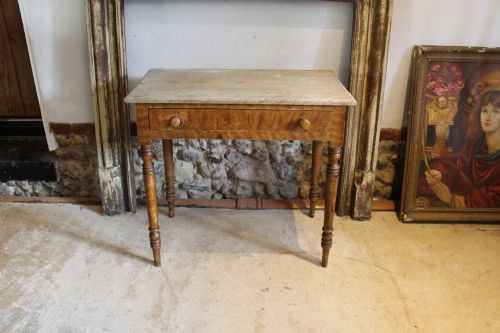
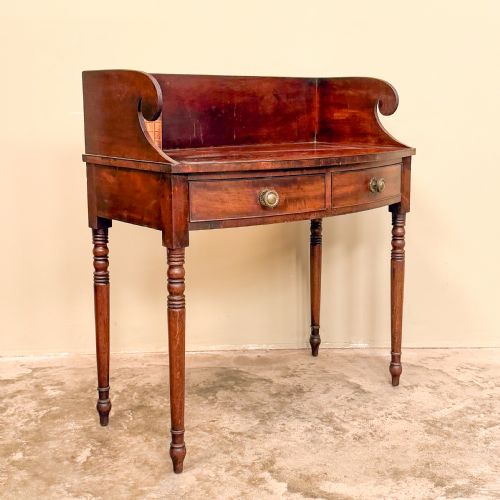
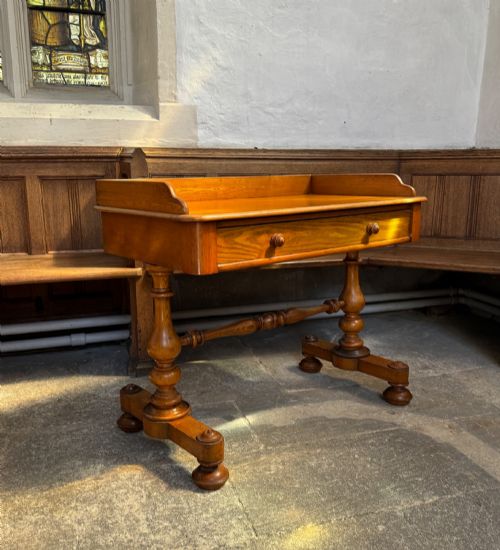
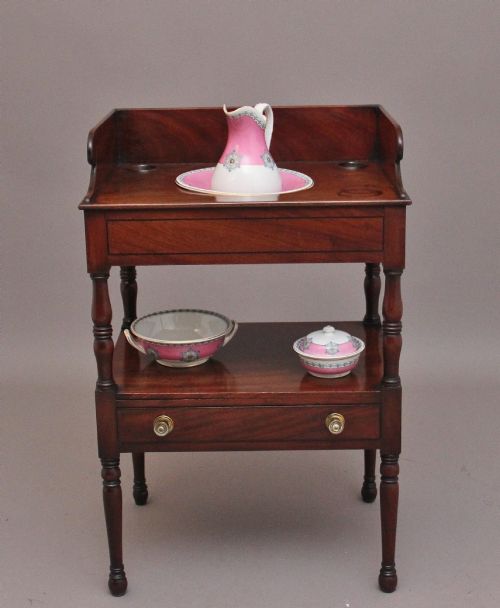
An antique wooden washstand table serves as a functional piece designed to hold basins, jugs, and toiletries in domestic spaces before modern plumbing arrived. The selection on this page centres primarily on nineteenth-century specimens alongside Georgian and Edwardian examples.
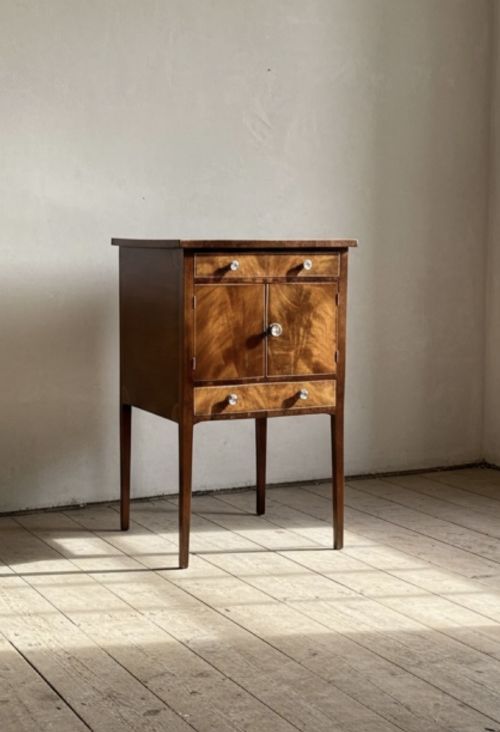
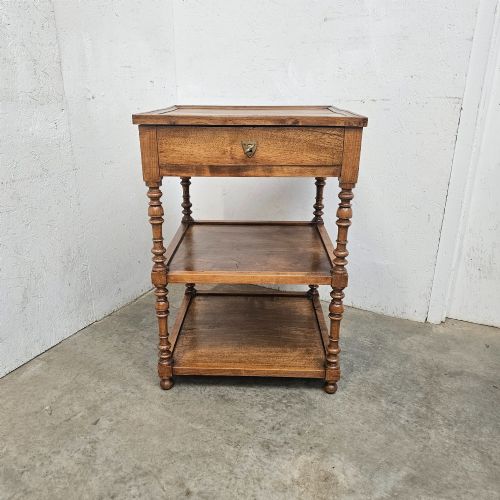
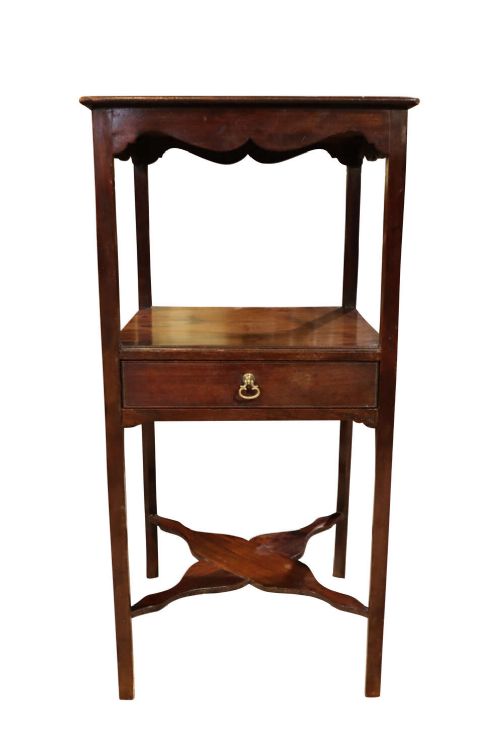
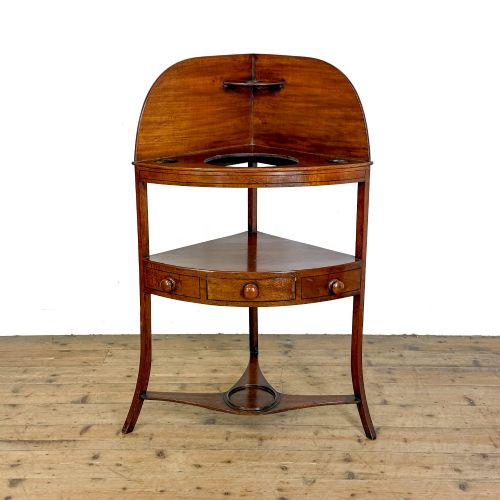
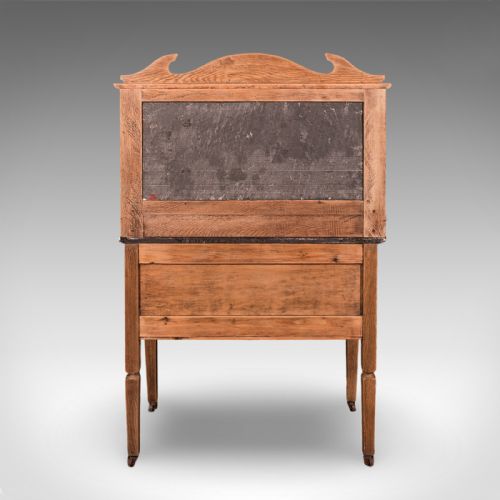
Makers fashioned these items in forms ranging from corner washstands to freestanding side tables and bedside cabinets. Mahogany, pine, and walnut dominate the offerings, occasionally paired with marble tops or original paint finishes.
Buyers encounter conversions and standard washstands alike, reflecting how domestic furniture adapts to modern living spaces over generations. Regional workshops and larger firms both contributed to the variety seen across the periods.
Materials and construction methods
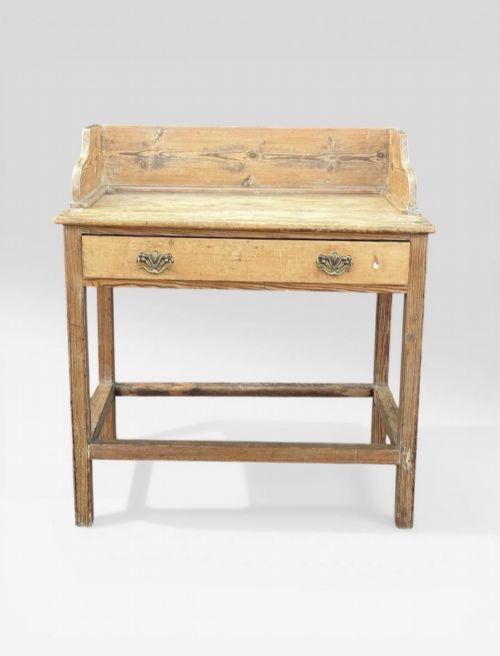
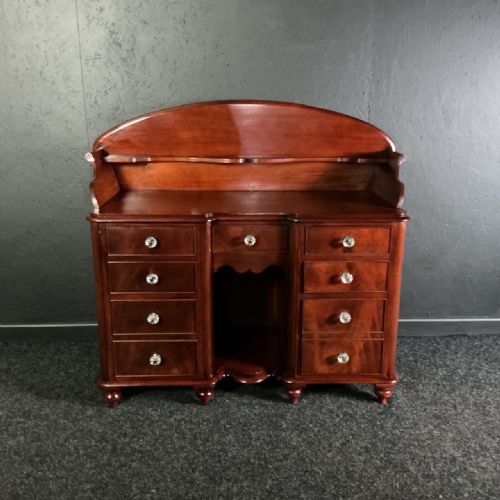
Cabinetmakers utilised solid timbers such as mahogany and pine alongside flame mahogany veneers to construct the main bodies of these washstands. Structural integrity relied on traditional joinery, with turned legs and panelled doors frequently appearing.
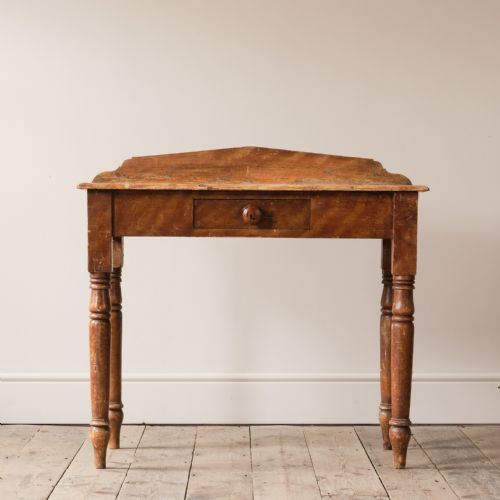
Surfaces exposed to water often featured protective elements like marble tops or painted faux finishes to prevent wood damage during washing routines. Brass hardware, including handles and drawer pulls, completed the functional assembly of the pieces.
Materials across the inventory include mahogany, pine, walnut, brass, glass, marble, and painted finishes.
Distinctions in craftsmanship and condition
Quality separates examples built with dense, well-figured mahogany and precise dovetail joints from simpler utilitarian pieces constructed in pine. The presence of original paint finishes, authentic hardware, and intact marble inserts elevates a piece above standard utility items.
Finer specimens display superior turning on the legs and careful matching of veneers across drawer fronts and cabinet doors. Alterations and conversions from washstands to standard side tables influence how closely a piece aligns with its original form.
Gillows Lancaster·James Shoolbred
The Antique Wooden Washstand Table Glossary
- Washstand
- A piece of furniture designed to hold a wash basin and water jug for morning ablutions. These items often include splashbacks or recessed tops.
- Flame mahogany veneer
- A thin slice of mahogany timber featuring a distinctive flickering grain pattern applied to a secondary wood base. Cabinetmakers used this technique to create decorative surfaces on drawer fronts.
- Pot cupboard
- A small bedside cabinet or enclosed stand originally built to house a chamber pot. These practical items typically feature a single door and enclosed interior space.
- Etagere
- A set of open shelves supported by columns or turned legs used for display. They appear in walnut and other fine timbers across the nineteenth century.
- Scumble paint
- A decorative translucent paint finish applied over a base coat to imitate wood grain or texture. Artisans utilised this technique on pine furniture to mimic more expensive hardwoods.
Antique Wooden Washstand Table: Frequently Asked Questions
How were washstands used originally?
These tables held ceramic basins, water jugs, and soap dishes for washing hands and faces before bathrooms became standard in homes. Servants filled the basins daily from larger ewers kept in bedrooms.
Today, owners repurpose them as hallway consoles, bedside tables, or plant stands while retaining their historic character.
What woods should I expect to find?
Mahogany and pine appear most frequently in these listings, alongside walnut and flame mahogany veneers. Higher-end pieces utilised dense tropical hardwoods, while country variants favoured local softwoods.
Selected examples also incorporate marble tops specifically chosen to resist water damage during washing.
How do I date a wooden washstand?
Dating relies on timber choices, leg turning styles, and construction techniques like dovetailing on drawers. Georgian models lean toward simpler lines or corner designs, whereas Victorian versions often feature heavier proportions and turned legs.
Edwardian pieces frequently introduce marble inserts and lighter structural framing.
Can I use a washstand in a modern bathroom?
Many buyers adapt these tables as vanity bases for modern vessel sinks with appropriate sealing against moisture. Their original purpose makes them well-suited for holding toiletries and towels in compact spaces.
Careful modification preserves the historic timber while adding contemporary plumbing functionality.