




Antique Wooden Vanity Glass
An antique wooden vanity glass provides a functional surface for personal grooming whilst anchoring a room with period character.
Antique Wooden Vanity Glass
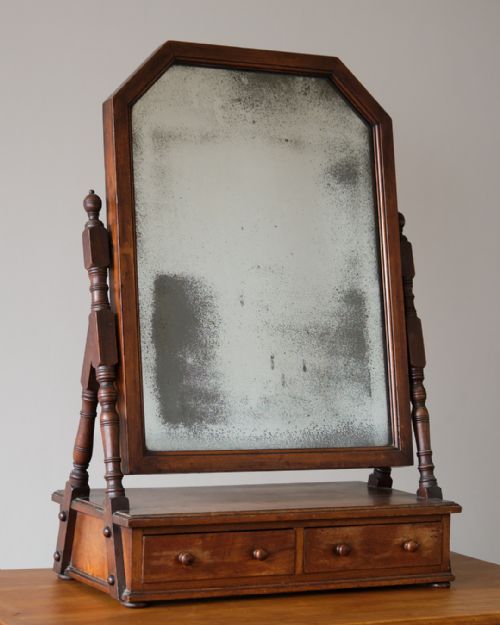
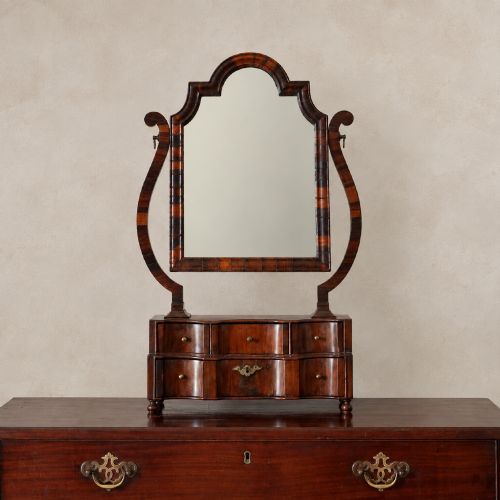
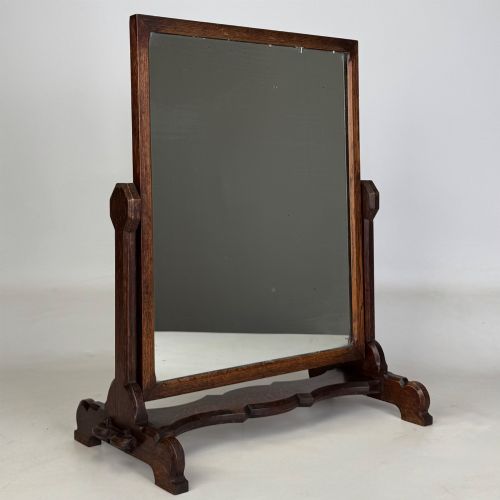
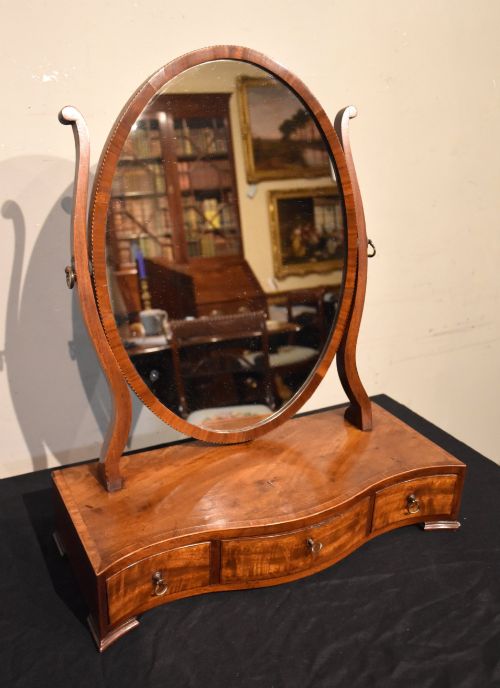
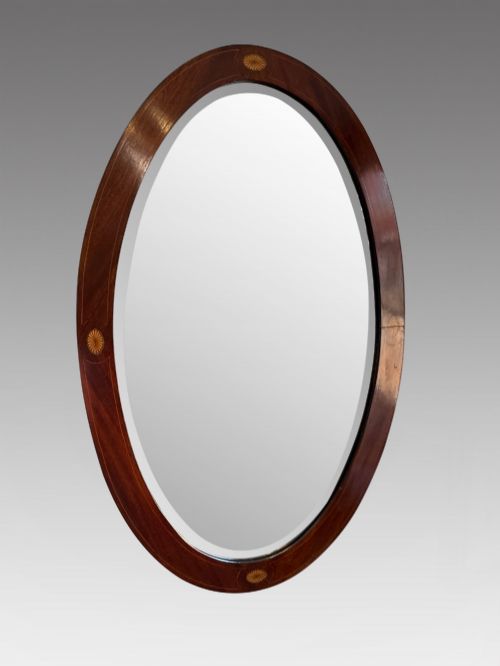
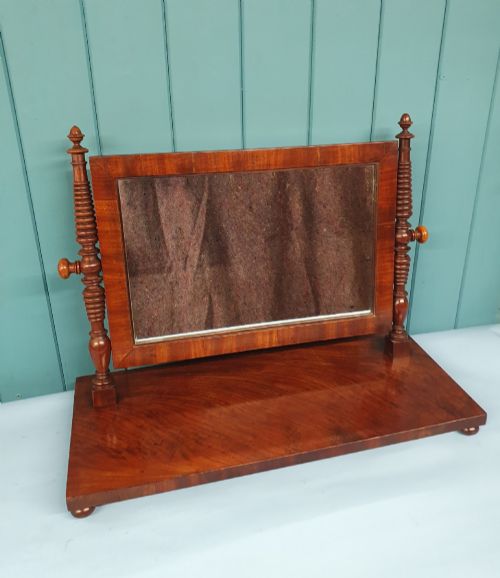
An antique wooden vanity glass primarily encompasses dressing mirrors, toilet mirrors, and table mirrors designed for personal grooming and domestic use.
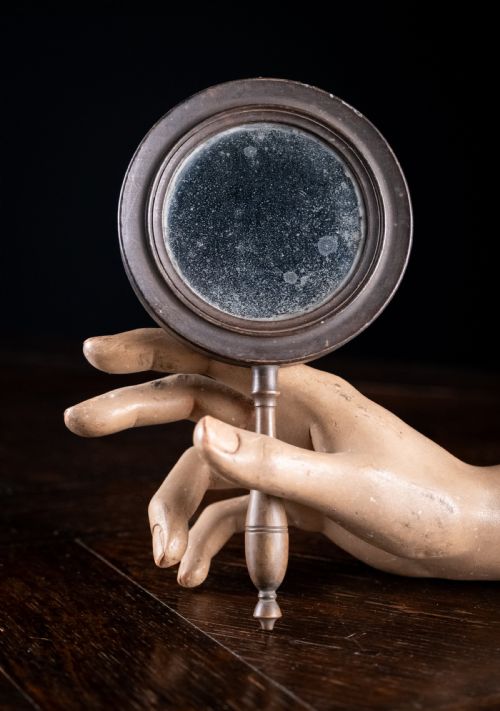
Buyers searching for this phrase encounter portable toilet mirrors resting on small stands, wall-hanging mirrors, and pivoting swing mirrors from various centuries.
Materials and construction
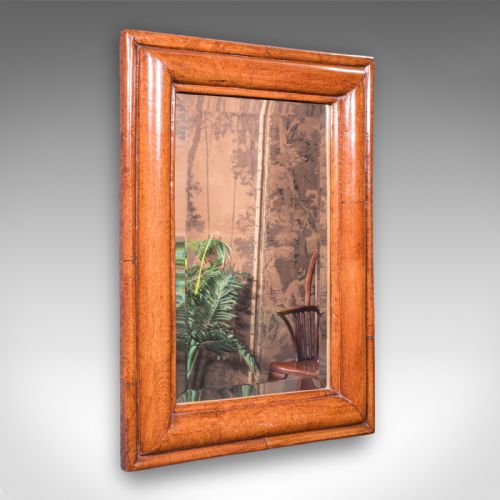
Joiners and cabinetmakers utilised dense timbers such as mahogany, walnut, and rosewood to construct sturdy frames and supporting stands.
Reflective surfaces utilised mirror glass and bevelled glass, often mounted with brass fittings and adjustable hinges to allow tilting.
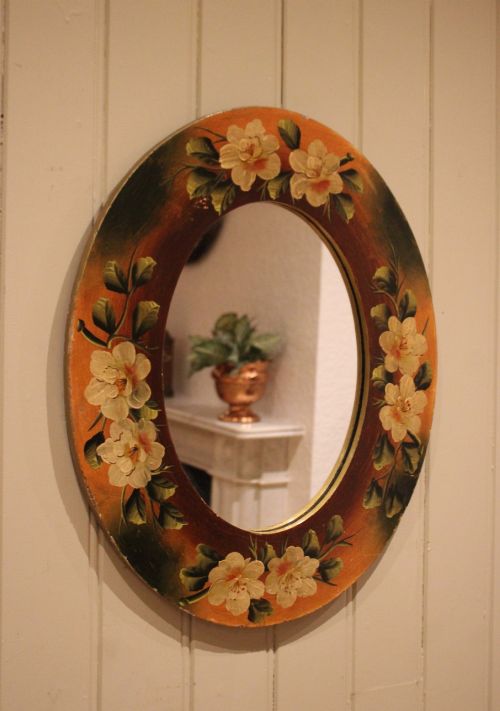
Decorative touches included inlay work, marquetry, and painted floral motifs on wooden surrounds.
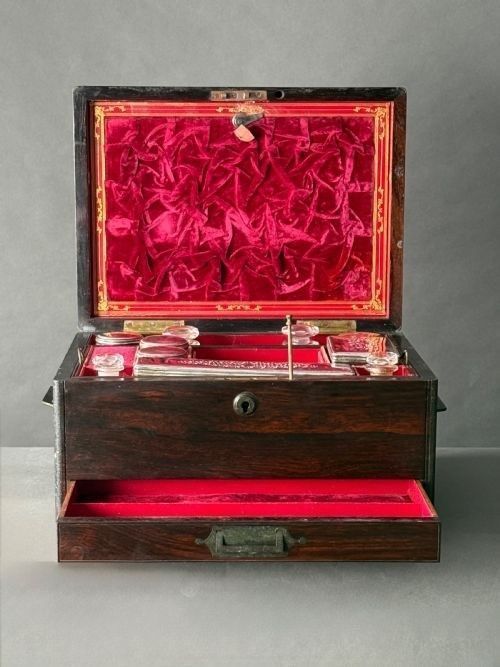
Some dressing mirrors doubled as secret storage, hiding tiny compartments behind the glass for clandestine love letters and jewels.
Judging quality and craft
The standard of timber selection and cabinetmaking distinguishes pieces, visible in the grain matching and structural joinery of the frame and base.
The clarity and age of the mirror glass itself, alongside the original operational integrity of brass pivots and brackets, indicate high-grade workmanship.
Heal & Sons
The Antique Wooden Vanity Glass Glossary
- Toilet mirror
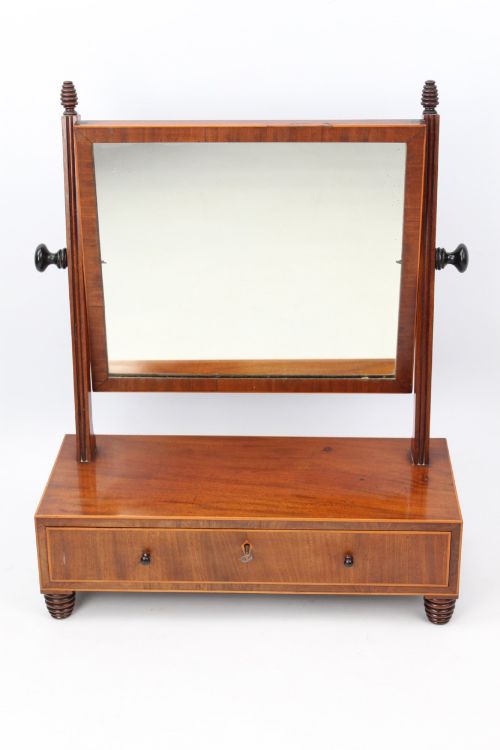
- A smaller mirror designed to sit upon a dressing table or chest of drawers. These often feature a small drawer or set of drawers integrated into the base.
- Swing mirror
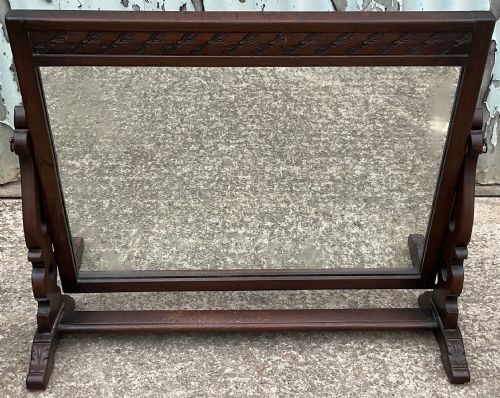
- A mirror mounted on vertical uprights with pivots that allow the glass to tilt. This mechanism is frequently found on Regency and Georgian dressing pieces.
- Bevelled glass
- A mirror plate with edges cut and polished to an angled slope. This treatment adds depth and refracts light differently than flat-edged glass.
- Marquetry
- Decorative veneer work inlaid into wood to form intricate patterns or pictures. It appears on select Dutch and continental dressing mirrors.
Antique Wooden Vanity Glass: Frequently Asked Questions
What is the difference between a toilet mirror and a dressing mirror?
Toilet mirrors are generally smaller and built to sit on top of an existing piece of furniture like a chest of drawers. Dressing mirrors often refer to larger standalone swing mirrors or full-length standing pieces.
Both serve the same primary grooming function but occupy different scales within a room's layout.
How do I date a wooden vanity glass?
Dating relies heavily on the timber used, the style of the frame, and the construction methods of the stand. Mahogany and walnut dominated earlier Georgian and Regency examples, whilst oak and specific inlays often point towards Edwardian or later periods.
Examining the mirror plate and screw types can also offer clues regarding the age of assembly.
Were these mirrors originally part of larger tables?
Many toilet mirrors were manufactured as companion pieces designed to sit upon matching dressing tables or washstands. Over time, mirrors and tables frequently became separated.
Today, these tabletop pieces function independently as versatile decorative items.
How do I care for antique mirror glass and wood?
Keep wooden frames conditioned using appropriate wax polishes suited to hardwoods like mahogany and walnut. Avoid excess moisture near the silvered backing of the mirror glass.
Gentle dusting and careful handling of brass adjusting pivots will preserve the mechanism.