


Antique Glass Hand Mirror
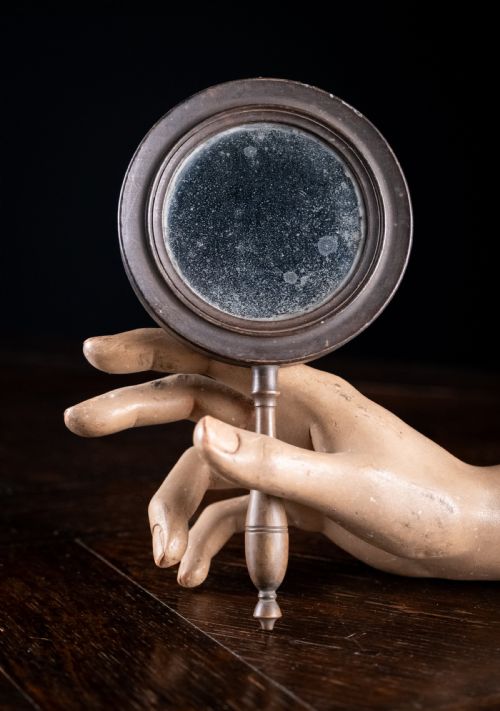
An antique glass hand mirror is a personal accessory shaped by Regency and Victorian craft, offering a tactile piece of history to hold.
Antique Glass Hand Mirror
The pieces on this page span the Regency and Victorian eras through to the early twentieth century. You encounter double-sided formats, hand-held vanity designs, and painted surfaces that reflect the domestic tastes of their periods.
Materials and construction
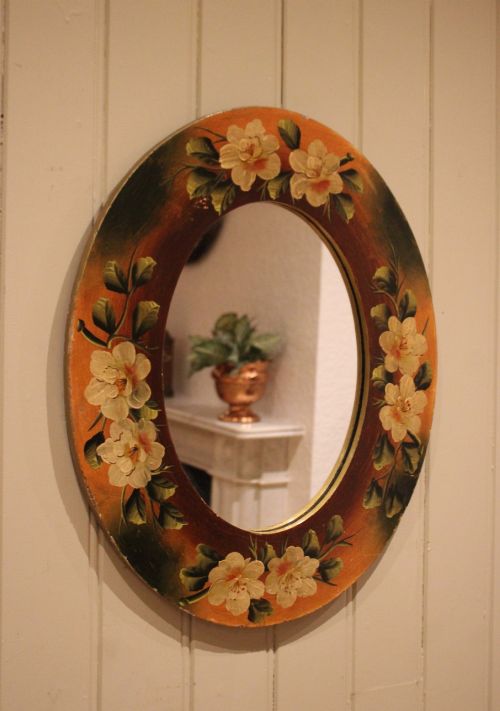
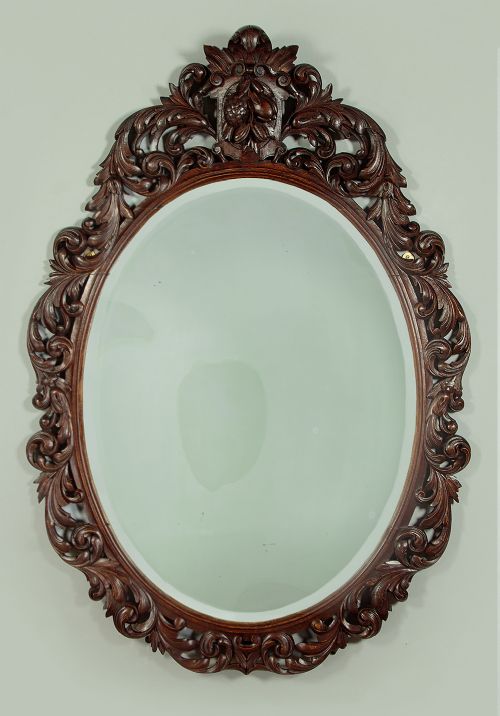
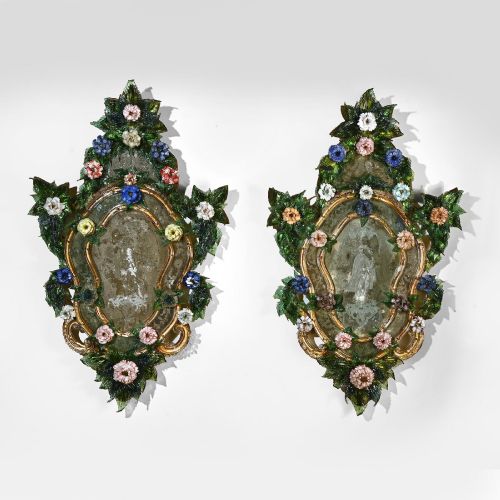
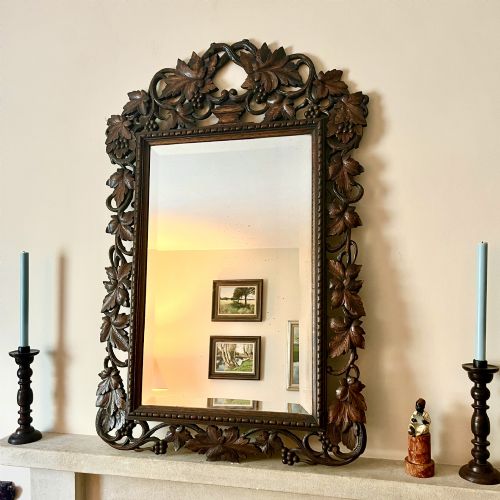
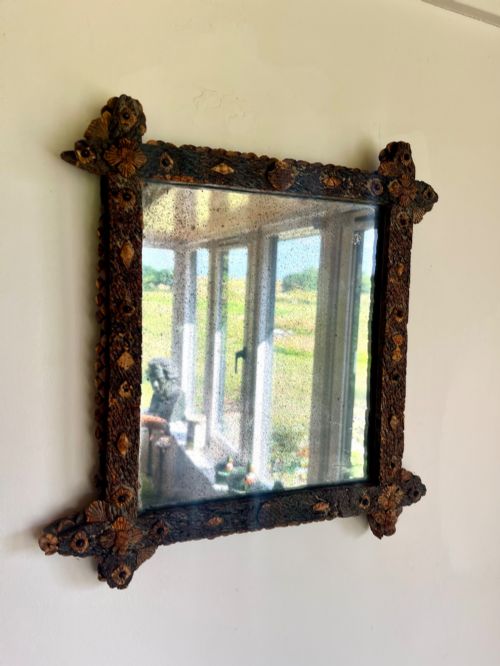
Makers utilised wood, mirror glass, and metal alongside gesso and paint. Carved oak, walnut, and limewood provide sturdy frames for the reflective plates.
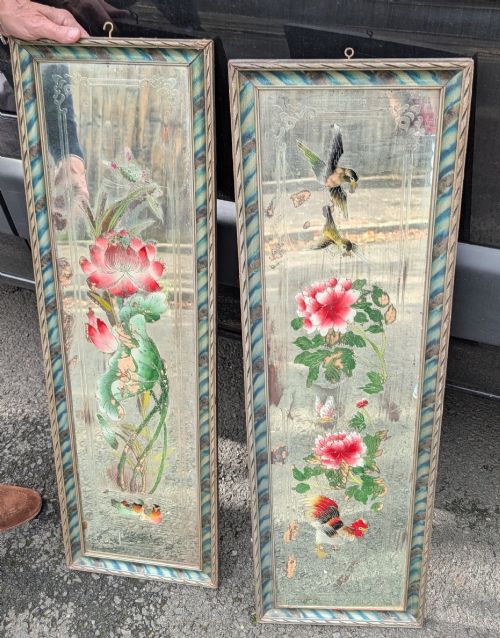
Techniques range from hand-carved relief work to reverse painting, etching, and giltwood application. Original plates sit within frames shaped by period joinery and decorative finishing.
The listings show materials spanning oak, walnut, limewood, gesso, and paint across the nineteenth and early twentieth centuries.
Distinctions in quality
Quality rests in the crispness of the hand-carved frame and the preservation of the original mirror plate. Superior examples show depth in carved wood or meticulous hand-painting on panels.
The integration of the handle to the main body and the fidelity of the decorative details distinguish standard production from finer workshop pieces.
Joseph Meissonnier
The Antique Glass Hand Mirror Glossary
- Mirror Glass
- The reflective sheet set within the frame, often showing period characteristics like slight oxidisation or bevelled edges.
- Gesso
- A plaster-based material applied to wood surfaces and carved or gilded to create ornate decorative frames.
- Giltwood
- Timber coated with fine gold leaf or gilt paint, common in decorative frames from the Regency and Victorian periods.
- Double-Sided
- A mirror configuration featuring reflective surfaces on both front and back, allowing versatile handheld use.
Antique Glass Hand Mirror: Frequently Asked Questions
How do I hold an antique hand mirror safely?
Support the weight by cradling the base of the frame rather than relying solely on the handle. Older joints can weaken over decades of use.
Keep the piece on a soft surface when not in use to protect both the wooden frame and the original mirror plate.
Are these mirrors suitable for daily use?
While fully functional, antique hand mirrors benefit from gentle handling to preserve fragile painted surfaces and aged silvering on the glass.
Treat them as historical items of personal use rather than modern utility objects to ensure their longevity.
How do I date an antique hand mirror?
Look to the materials, such as Regency ebonised wood or Victorian giltwork, alongside the style of any painted panels or carving.
The backing materials and the type of mirror plate construction also provide clear indicators of period manufacture.