
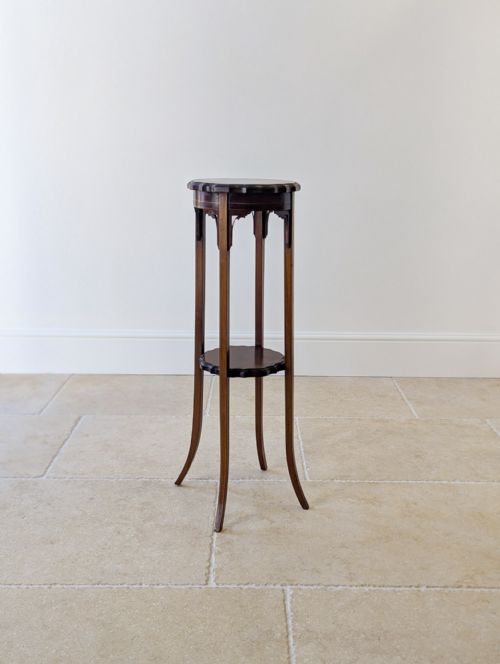
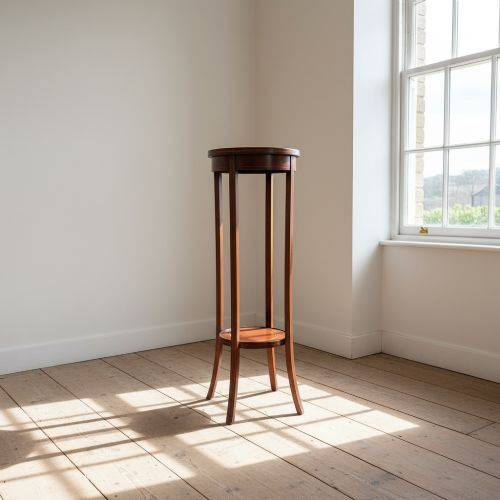
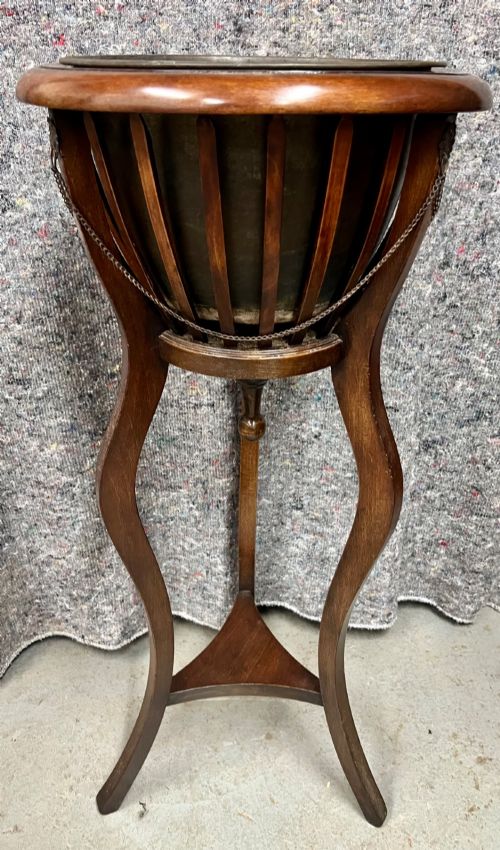
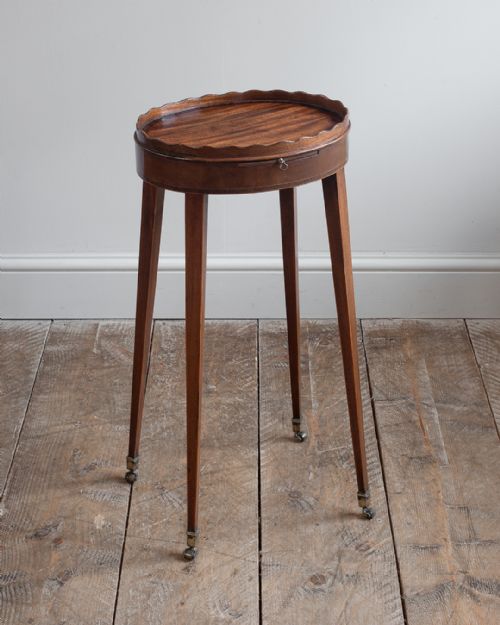
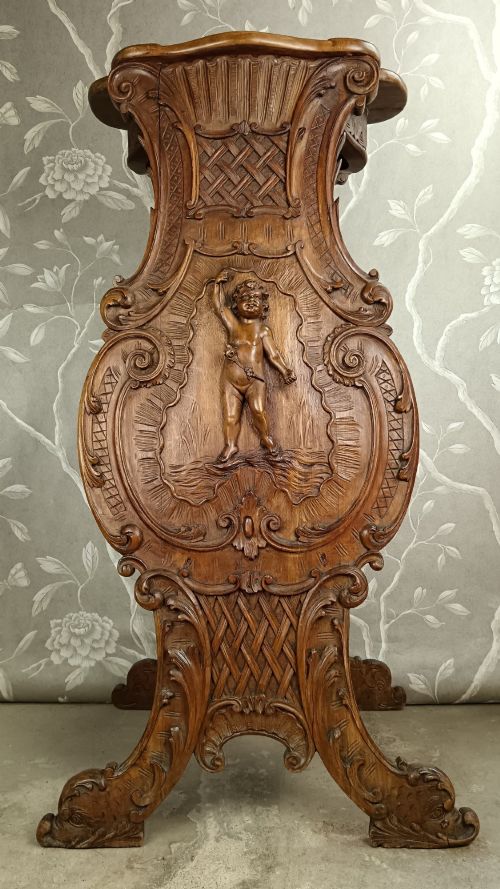
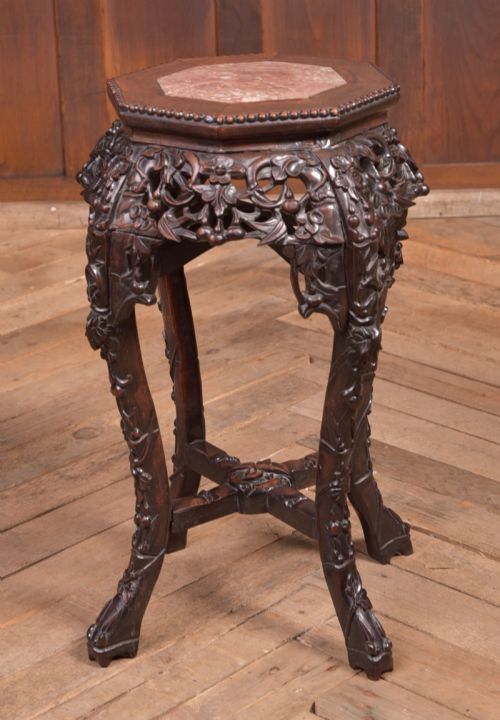
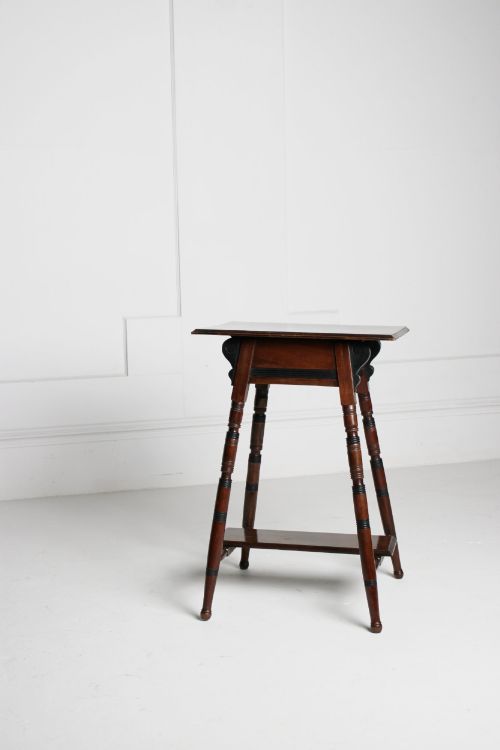
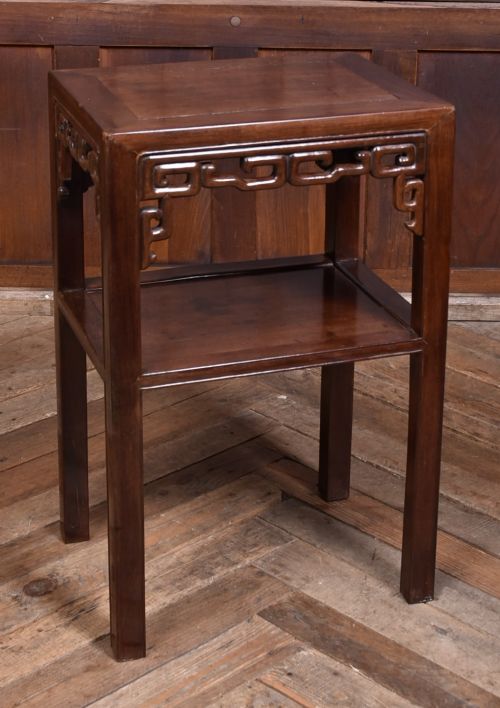
Antique Wooden Urn Stand
An antique wooden urn stand provides a raised platform for display, offering both functional support and decorative presence in a room.
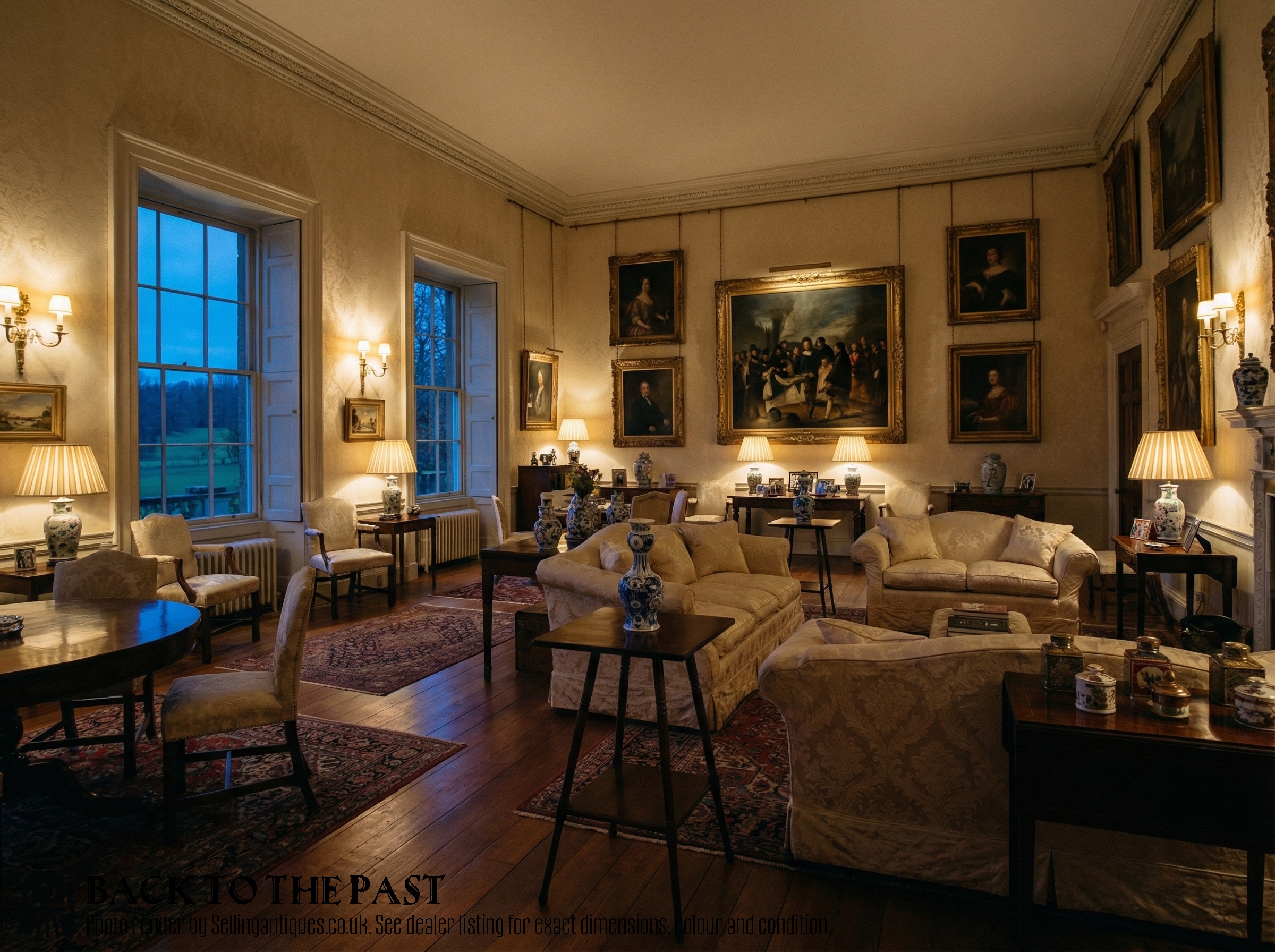
What an antique wooden urn stand is
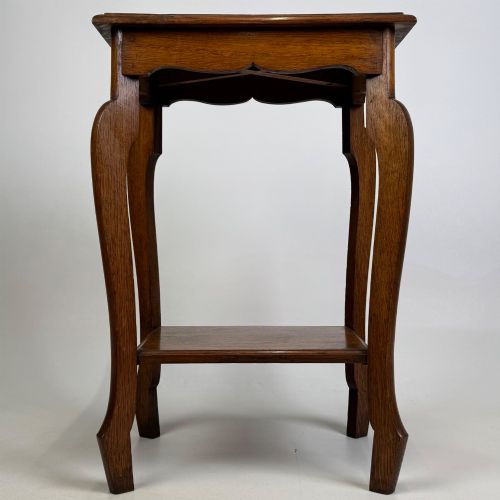
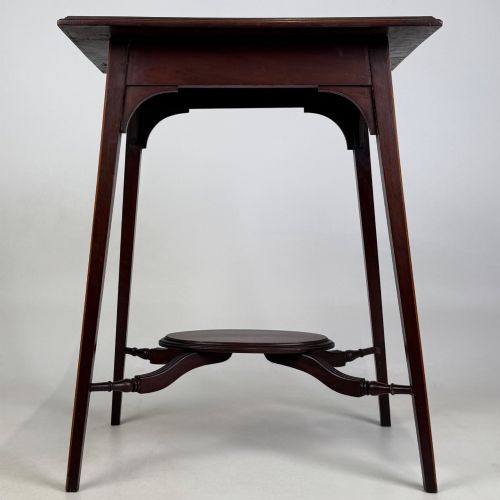
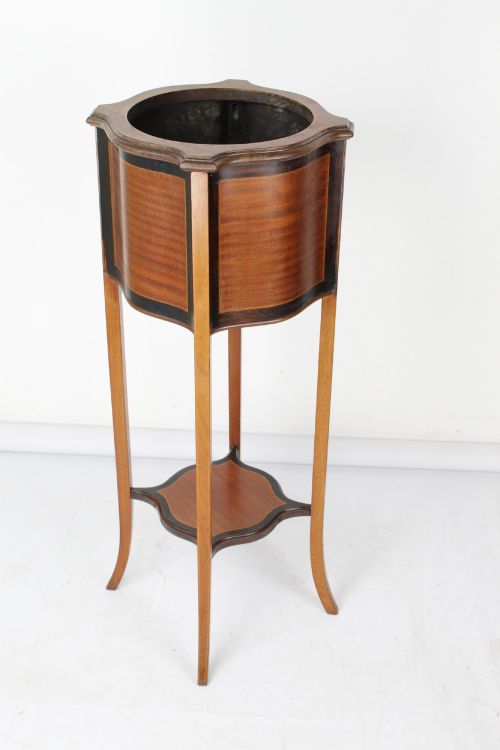
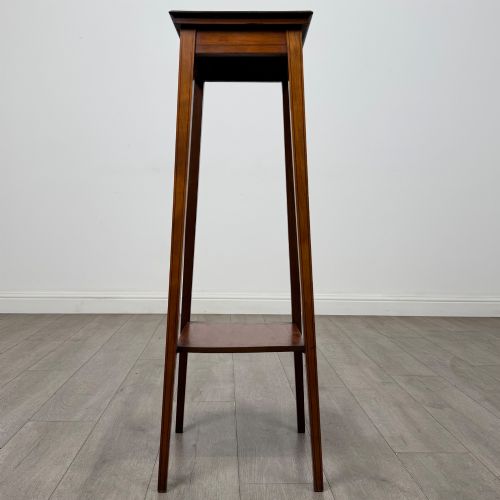
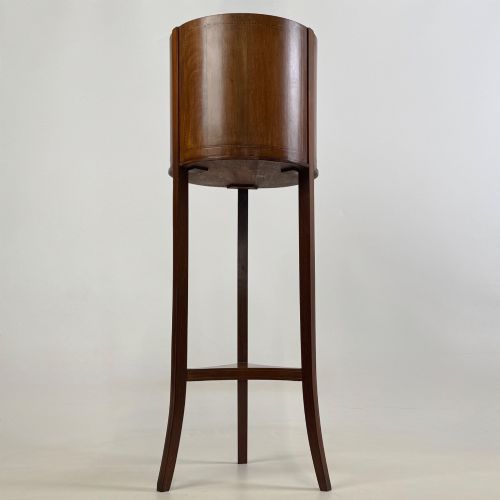
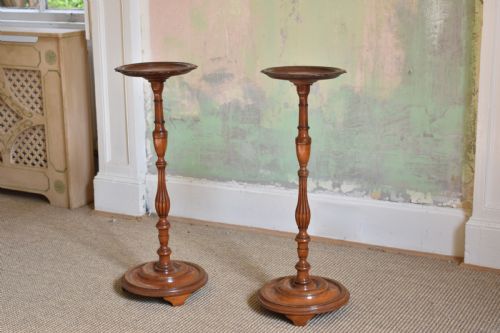
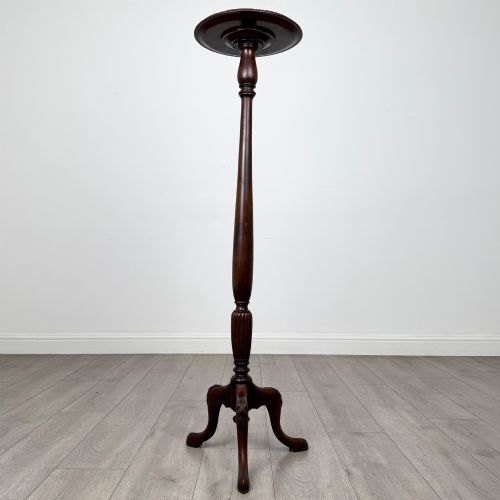
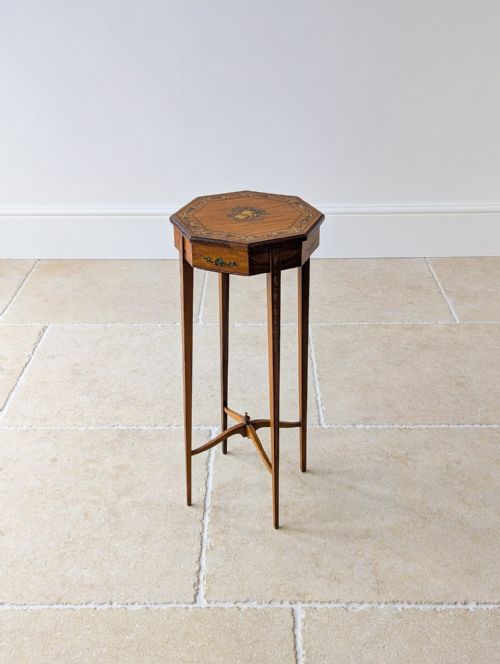
When you search for an antique wooden urn stand, you encounter several forms including lamp tables, torchere stands, jardinières, and étagères. These versatile items provide elevated surfaces for plants, lamps, or decorative urns within domestic interiors.
The pieces appearing on this page span the nineteenth century, the Regency period, the Edwardian era, and the early twentieth century around nineteen ten. They demonstrate the shifting domestic tastes in display furniture across these distinct periods.
How they were made
The items are constructed from a variety of timbers including mahogany, yew wood, satinwood, ebonised wood, and ebony. Cabinet makers selected these woods for their grain patterns and structural suitability.
Metal and brass components often supplement the wooden frames to provide structural support or decorative contrast on the stands and tables.
Retail Price Guide 2026
Typical UK retail prices for wooden urn stand, calculated from the Sellingantiques database of over a million retail prices indexed since 2003. This retail price guide relies exclusively on Sellingantiques data; no external sources or auction records are used, so the figures do not describe the wider market.
Some stands wear their ebonised coats with such conviction that even the timber gets stage fright.
What varies in quality
The standard of timber selection and the refinement of surface finishes distinguish the finer examples from standard production. Artisans applied sophisticated turning, carving, and contrasting wood selections to elevate certain pieces.
Makers such as Druce and Company demonstrate how workshop pedigree and specific stylistic detailing influence the distinction between standard occasional tables and exceptional furnishing items.
Druce and Co London
The Antique Wooden Urn Stand Glossary
- Torchere stand
- A tall, slender stand designed specifically to hold a light source, candle, or small ornamental urn. These pieces typically feature a central pillar supported by three or more legs.
- Jardinière
- A decorative container or stand designed to hold plants and flowers indoors. Edwardian examples often utilise satinwood and detailed joinery.
- Étagère
- A piece of furniture consisting of a set of open shelves for displaying small objects. The serpentine form incorporates undulating curves along the edges.
- Ebonised wood
- Timber treated with a dark finish to imitate expensive ebony. This technique was popular for creating strong visual contrasts in Victorian and later interiors.
Frequently Asked Questions
What is an antique wooden urn stand?
An antique wooden urn stand is a small elevated piece of furniture designed to support decorative vessels, plants, or lamps.
They appear in various forms including torchere stands, lamp tables, and jardinières across multiple nineteenth and twentieth century periods.
How were these stands used originally?
Original usage involved placing heavy urns, floral arrangements, or lighting fixtures upon them to display decorative items at eye level.
They occupied corners or central spaces in reception rooms to add height and architectural interest to interiors.
What woods are commonly found?
The listings show pieces constructed from mahogany, yew, satinwood, ebonised wood, and ebony.
Cabinet makers matched timber choice to the prevailing style of the Regency, Victorian, or Edwardian eras.
How do I identify the period?
Period identification relies on observing the timber types, structural forms, and decorative details characteristic of the era.
Regency stands often feature classical proportions, while Edwardian pieces frequently showcase lighter satinwood construction.