
Antique Wooden Top Table
An antique wooden top table brings centuries of practical craft into a room, spanning rustic kitchen refectories to refined Georgian side pieces.
Antique Wooden Top Table
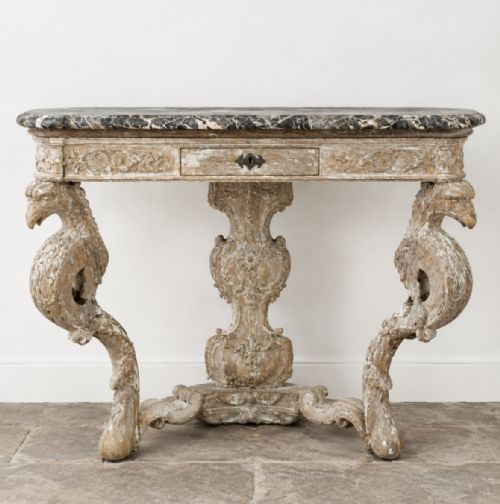
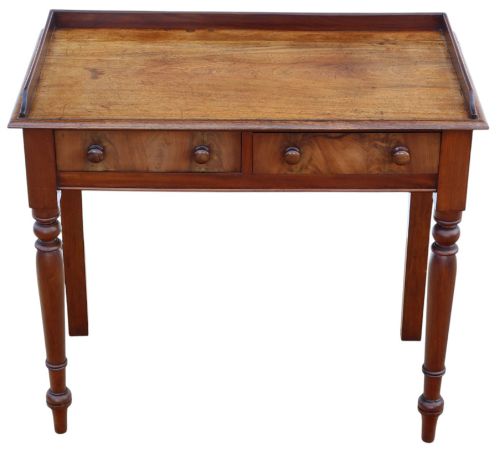
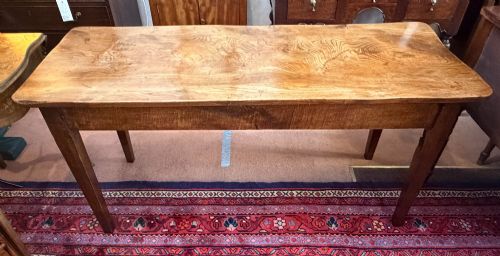
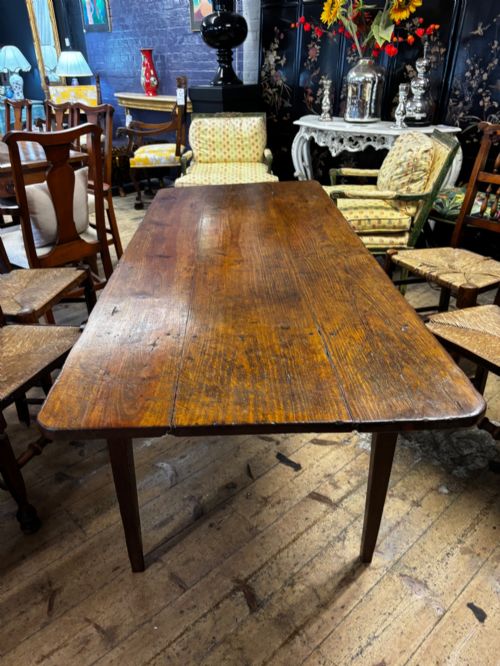
An antique wooden top table covers a broad domestic territory, ranging from large kitchen and refectory boards to smaller tilt-top wine stands and occasional pieces. When searching this phrase, the most common encounters are nineteenth-century mahogany side tables and sturdy oak farmhouse dining boards.
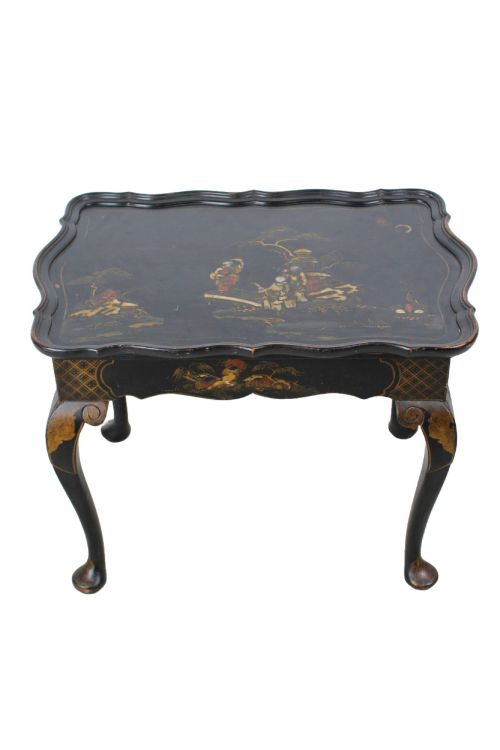
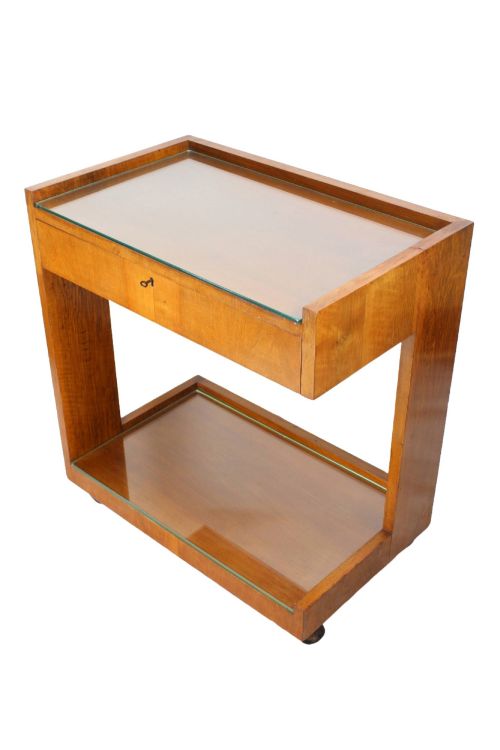
The evidence shows forms evolving from eighteenth-century Georgian tripod tables and consoles through Victorian pedestals and desks to Edwardian tray-top coffee tables and inlaid centre pieces. Function dictated form, whether intended for writing, dining, serving wine or holding bedside lamps.
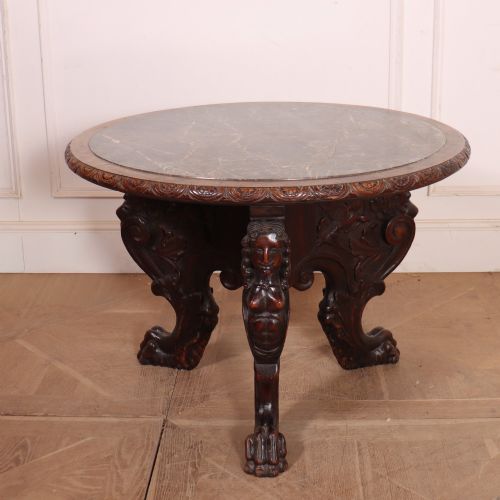
Origins stretch across English, French and Italian workshops, uniting simple pine and fruitwood kitchen workhorses with highly decorative satinwood and marquetry drawing-room surfaces. Each piece reflects the domestic habits of its period, from large family gatherings to formal parlour tea service.
How they were made
Cabinet makers relied on solid timbers such as mahogany, oak and walnut, often pairing denser hardwoods with fruitwood, beech or pine for secondary framing. Surfaces frequently featured decorative veneers or fine inlay work using satinwood and brass details.
Joinery techniques prioritised durability, employing mortise and tenon joints for heavy refectory frames alongside clever pivoting mechanisms for tilt-top tripod tables. Turning lathes shaped pedestal columns and candlestands, while hand planes smoothed large scrubbed plank tops.
Listings feature woods ranging from common pine and fruitwood to luxurious mahogany, walnut and satinwood.
What varies in quality
Quality rests in the selection of timber and the restraint of decorative carving, where honest utility meets purposeful elegance. Superior examples display well-figured grain, stable proportions and original structural fixings without heavy modern intervention.
The refinement of turning, the precision of dovetailing in drawers and the integrity of pedestal bases separate standard utilitarian furniture from exceptional cabinet work. Patina accumulated through decades of use reveals whether a surface has retained its character over time.
William Gard
The Antique Wooden Top Table Glossary
- Refectory table
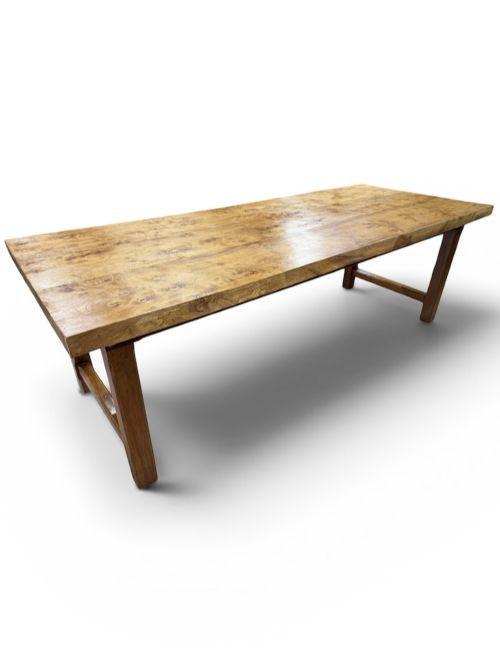
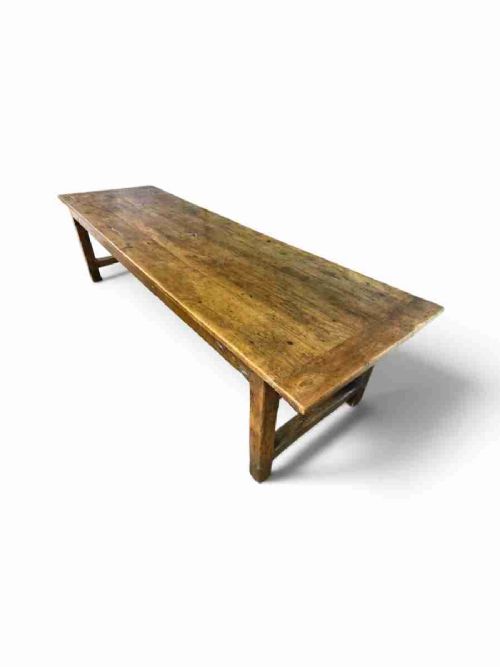
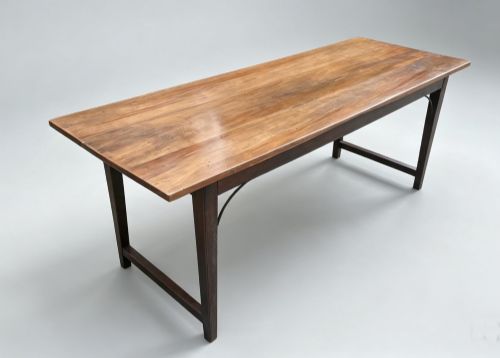
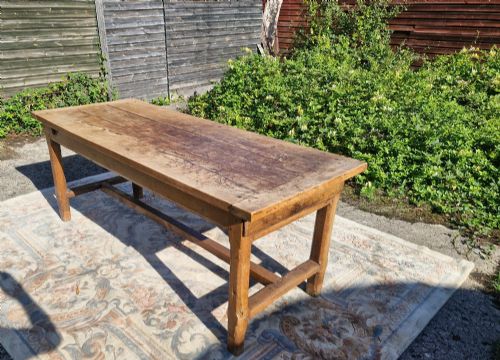
- A long dining table traditionally used in communal halls and later adapted for domestic kitchens. These heavy boards usually feature substantial trestle ends or sturdy legs connected by stretchers.
- Tilt-top table
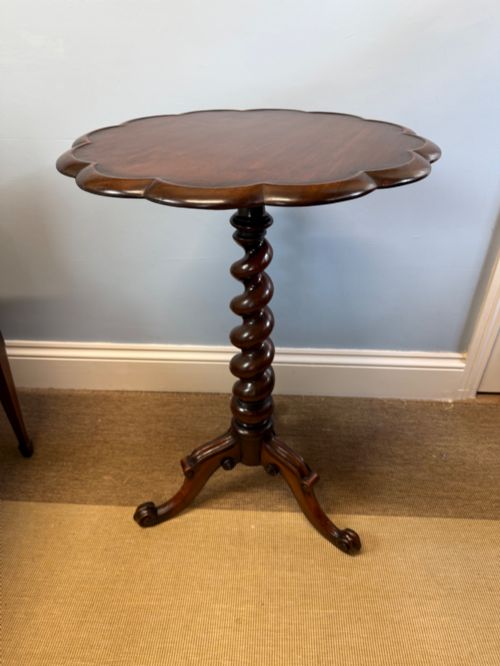
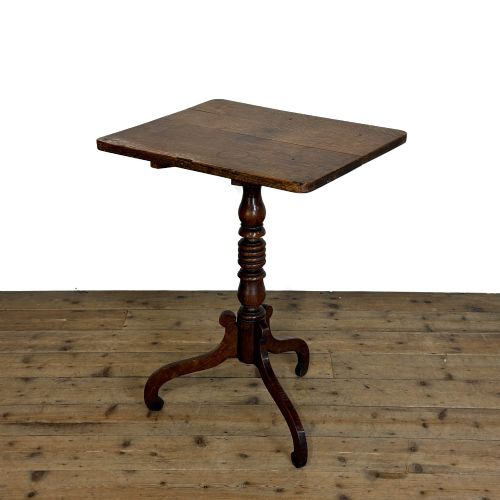
- A small occasional or wine table with a hinged top that pivots vertically when not in use. This clever space-saving mechanism allowed tables to be stored flat against walls.
- Tripod table
- A freestanding small table supported by a central turned pillar resting on three spreading legs. They appear frequently in eighteenth and nineteenth-century parlours as candle stands or wine tables.
- Tray top
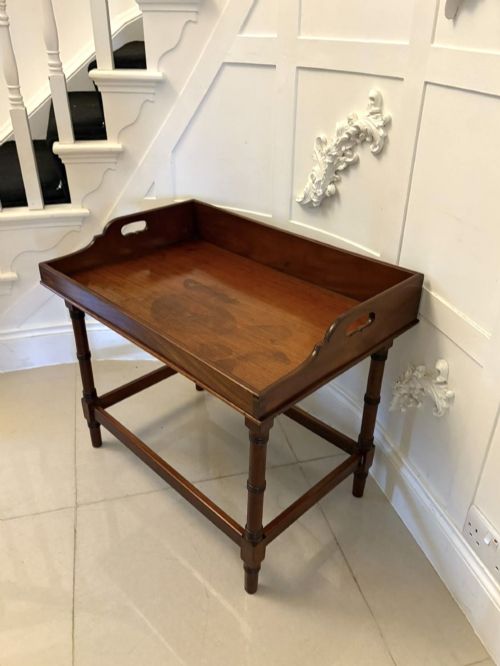
- A tabletop finished with a raised rim or gallery edge, sometimes removable for serving. Edwardian examples often incorporated marquetry or brass handles into this practical design.
- Scrubs top
- A plain wooden tabletop designed for vigorous daily scrubbing in busy kitchens. These unpolished surfaces show the honest grain of pine, oak or fruitwood.
Antique Wooden Top Table: Frequently Asked Questions
What is a refectory table used for?
Refectory tables served as the central dining and gathering surfaces in large households, designed to accommodate many diners along long benches.
Today, their sturdy oak or fruitwood construction makes them enduringly popular as kitchen or dining tables in modern homes.
How do I care for an antique wooden top?
Protect antique wood by avoiding direct sunlight and maintaining steady room humidity to prevent timber movement or splitting.
Regular dusting with a dry cloth and occasional application of appropriate wax preserves the historic patina without damaging the finish.
How can I tell a Georgian table from a Victorian one?
Georgian tables often display restrained classical proportions, elegant tripod bases and rich mahogany grain dating from the eighteenth century.
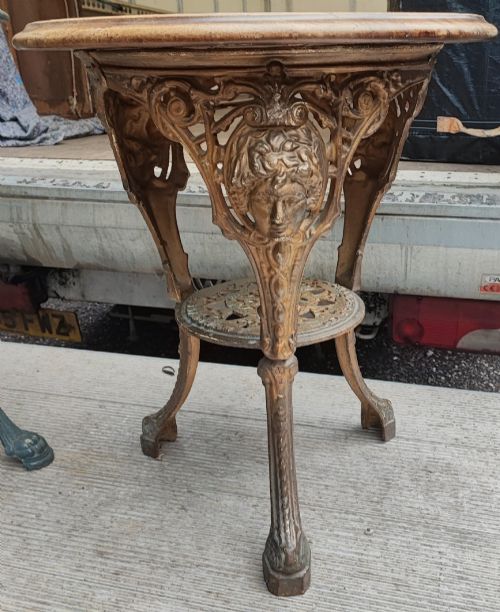
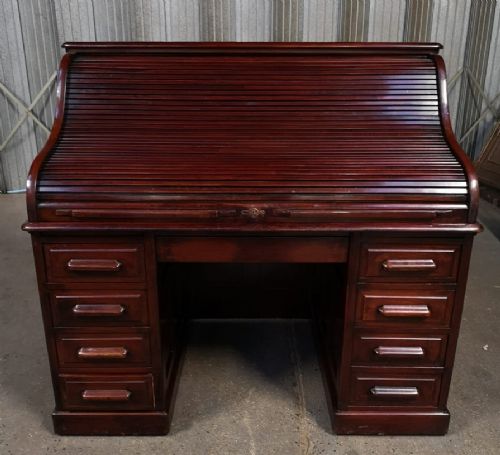
Victorian pieces tend to be heavier, incorporating robust pedestals, roll-top mechanisms or cast iron elements suited to expanding nineteenth-century domestic needs.