
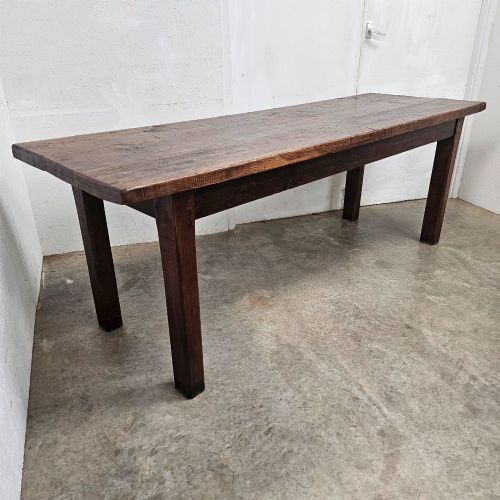
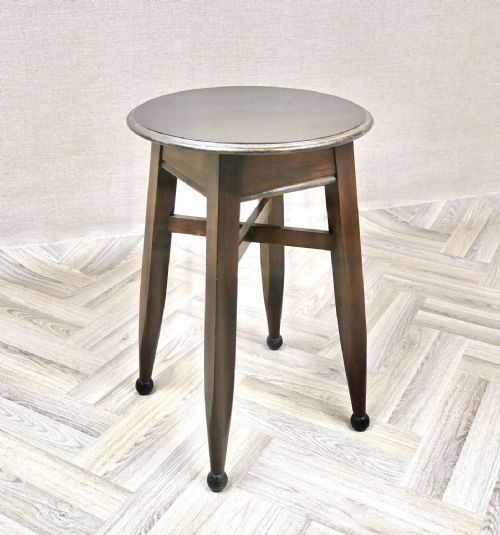


Antique Wooden Tavern Table
An antique wooden tavern table brings centuries of robust hospitality and honest utility straight into a modern interior.
Antique Wooden Tavern Table
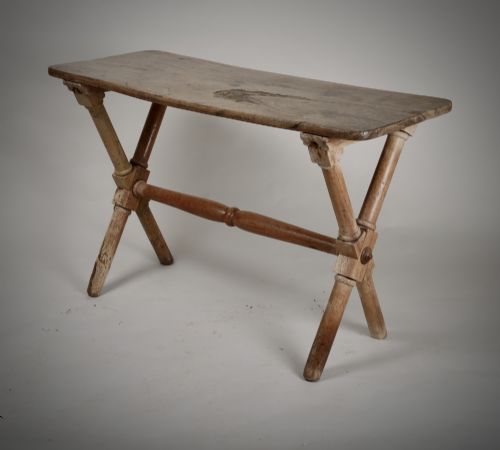
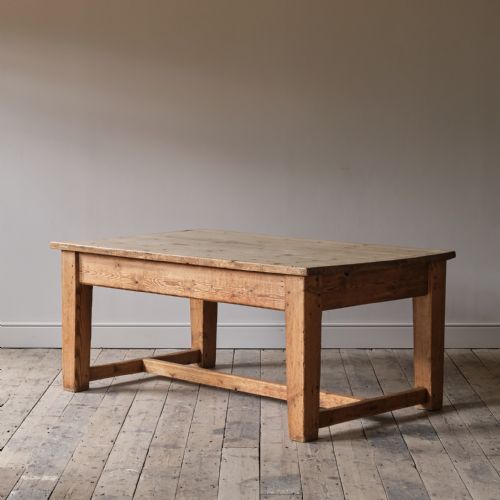
When you search for an antique wooden tavern table, you look at sturdy surfaces built originally for public houses, inns and domestic kitchens. These pieces span from the seventeenth century through to the twentieth century, encompassing periods like the Georgian era and the Victorian age. The version you are most likely to meet on this page is an oak or pine table designed for dining or communal gathering.
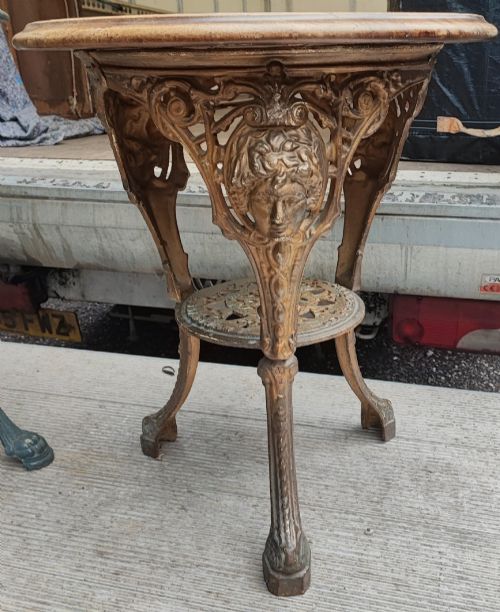
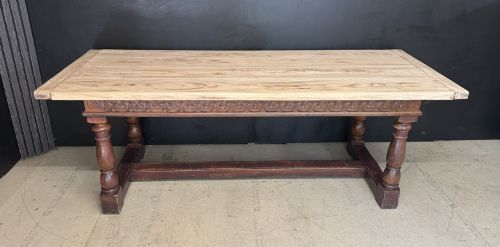
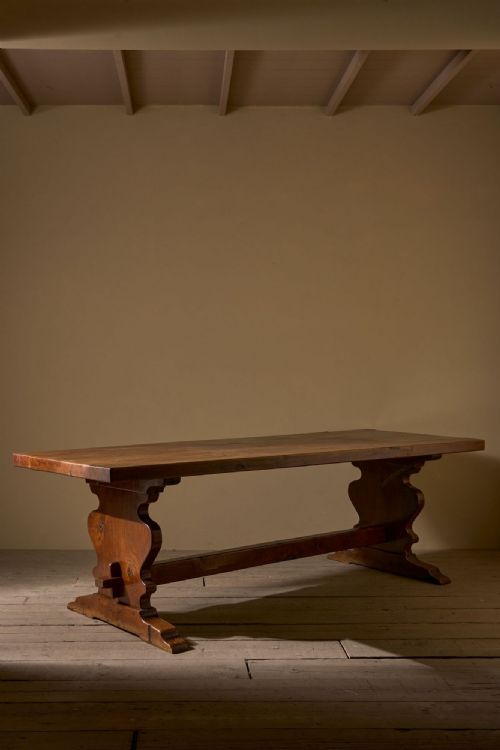
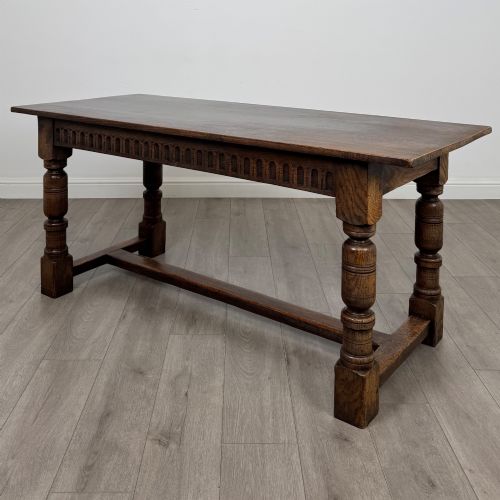
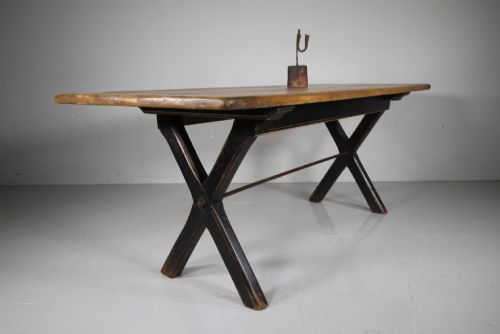
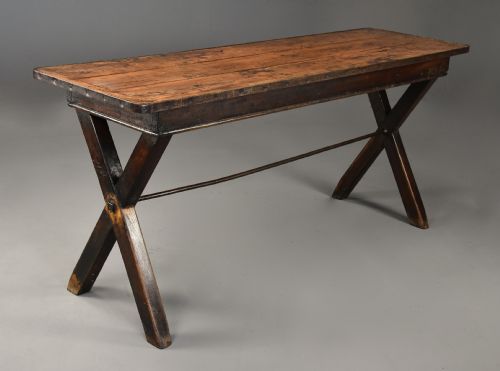
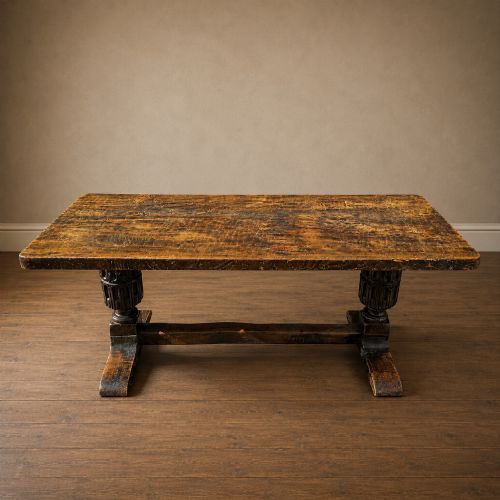
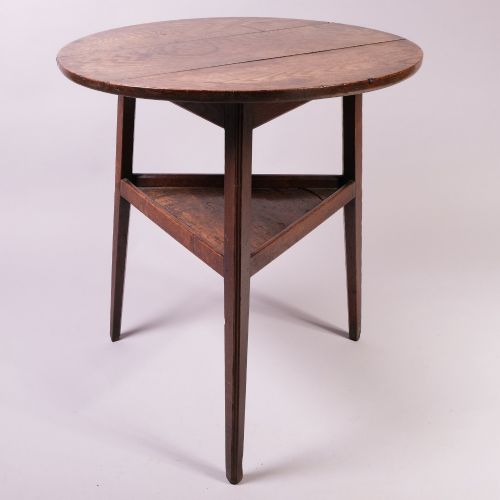
The forms vary from simple trestle structures and cricket tables with three legs to long refectory formats and X-framed designs. Oak, elm, pine and sycamore dominate the construction, often displaying thick plank tops and cleated ends shaped by daily use. Regional variations such as Welsh tavern tables appear alongside styles labelled as rustic farmhouse, Jacobean revival or Georgian vernacular.
Construction and materials
Carpenters built these tables using domestic hardwoods and softwoods selected for hard-wearing practicality. Oak and elm provide heavy, durable frames and single plank tops, whilst pine and sycamore offer lighter alternatives for trestle and cricket constructions.
Joinery relied on pegged joints, thick timber planks and substantial framing to withstand heavy weight and constant movement. Some examples retain original painted finishes or iron supports, demonstrating the utilitarian nature of pub and tavern furniture.
The selection includes regional formats such as Welsh tavern tables and three-legged cricket tables alongside traditional refectory styles.
Judging quality and character
The distinction between ordinary and exceptional tables rests upon the integrity of the timber and the depth of the surface patina. Single plank tops and untouched original surfaces command greater interest than heavily restored or later altered examples.
Proportion and structural honesty separate superior pieces from lesser ones. A table retaining its original timber thickness, authentic fixings and honest wear tells a clearer story of its working past.
The Antique Wooden Tavern Table Glossary
- Tavern table
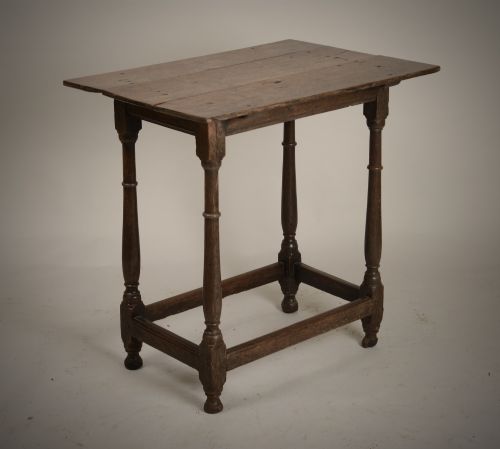
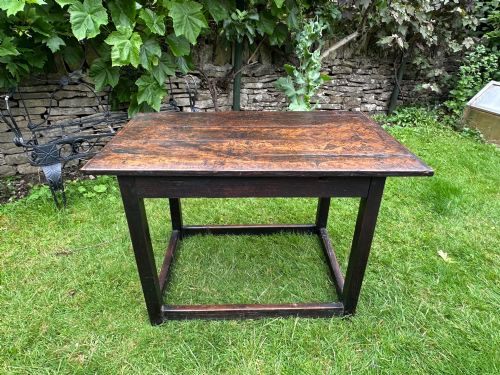
- A sturdy wooden table historically used in public houses and inns for dining and drinking. These tables typically feature robust legs connected by stretchers to ensure stability on uneven floors.
- Cricket table
- A small, lightweight round table supported by three splayed legs. This design prevents tipping on flagstone floors found in historic kitchens and taverns.
- Refectory table
- A long, narrow dining table traditionally designed for communal dining halls. They utilise thick timber tops supported by heavy trestles or framed legs.
- Patina
- The surface sheen and colour developed by wood over centuries through handling, waxing and ageing. A rich patina indicates natural preservation rather than modern chemical finishing.
- Trestle table
- A table consisting of two or more support frames connected by a horizontal beam or stretcher. This method allows maximum legroom along the length of the top.
Antique Wooden Tavern Table: Frequently Asked Questions
What is an antique wooden tavern table?
An antique wooden tavern table is a sturdy, functional table originally built for commercial drinking and dining establishments or farmhouse kitchens. They typically feature heavy timber construction designed to endure daily public use.
Over the centuries, these tables transitioned from utilitarian public house furnishings into appreciated items for domestic dining and living spaces.
How do I date an old tavern table?
Dating relies upon examining the timber species, construction joints, tool marks and overall wear patterns. Seventeenth and eighteenth-century examples often display pegged joints and hand-sawn board marks.
Later nineteenth-century and Edwardian pieces frequently incorporate machine-sawn timber or different framing techniques while retaining traditional farmhouse proportions.
Can I use a tavern table for daily dining?
These tables were engineered specifically for heavy daily use, making them exceptionally practical for modern family dining. Their robust frames easily accommodate the demands of contemporary meals.
Care should be taken to use appropriate protection against moisture and heat to preserve the historic surface and accumulated patina.
What woods were used for tavern tables?
English and European carpenters utilised readily available local hardwoods and softwoods for these commercial pieces. Oak, elm, walnut, chestnut and sycamore provided strong framework and durable tops.
Pine also appears frequently, particularly in painted or trestle-form tavern tables intended for lighter service or kitchen preparation work.