
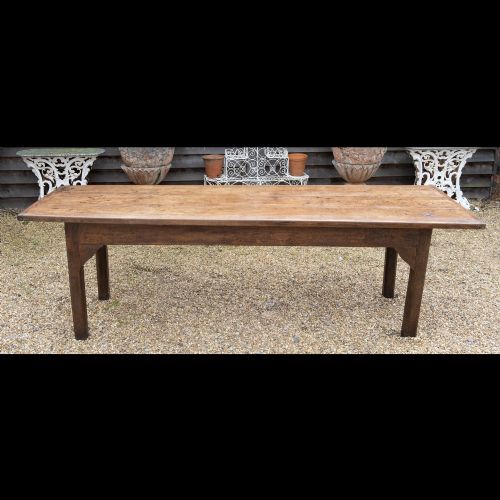


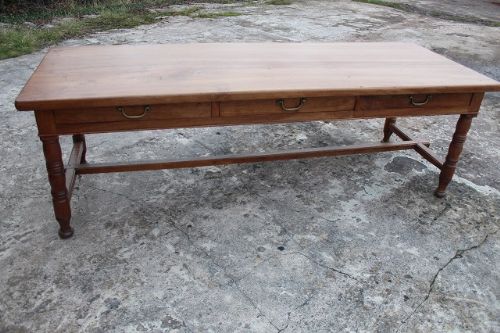
Traditional Oak Harvest Table
These traditional oak harvest table examples bring enduring utility and rustic warmth to everyday dining spaces.
Traditional Oak Harvest Table
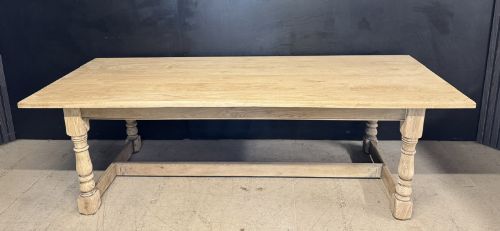
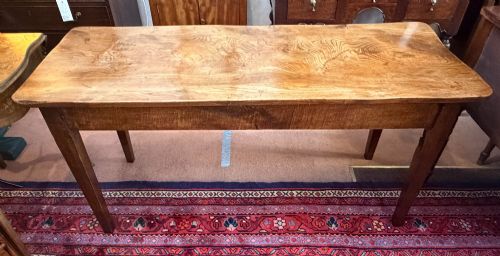
A traditional oak harvest table centres on robust dining tables shaped by centuries of farmhouse and country house traditions. The selection spans pieces from the seventeenth century through to the early twentieth century, encompassing styles such as French country, Georgian, and Jacobean Revival.
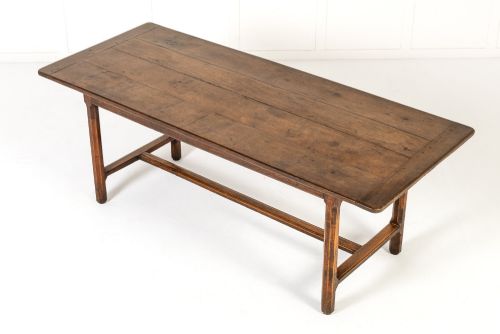
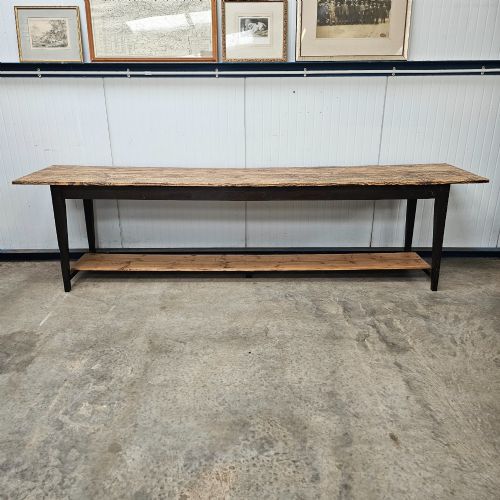
The most frequent encounters on this page are nineteenth-century and eighteenth-century examples built primarily from oak. Many pieces incorporate sturdy stretcher bases, including H stretcher configurations and expansive lengths suitable for modern or historic interiors.
Materials and construction methods
Construction relies heavily on solid oak timber, frequently paired with secondary woods like pine, elm, fruitwood, and walnut for internal or supporting structures. Brass and iron fixings appear where structural reinforcement is required.
Joinery traditions reflected in the evidence emphasise sturdy framing suitable for heavy daily use. Tables range from long two-tier formats to classic refectory designs with substantial proportions.
Listings span periods from the seventeenth century through to the early twentieth century, highlighting oak alongside elm, walnut, and pine.
Judging the quality of these tables
Quality separates through the integrity of the timber selection and the cohesion of the period style. Tables displaying thoughtful integration of oak alongside complementary woods such as elm or walnut demonstrate superior craftsmanship.
The harmony of the base construction, whether utilising an H stretcher or refectory framing, dictates the enduring stability of the piece. Authentic historical proportion and honest timber patination distinguish the finest examples.
The Traditional Oak Harvest Table Glossary
- Refectory table
- A long dining table traditionally used in monastic refectories and later adopted in domestic country houses. These pieces are built for communal dining and often feature long stretcher bases for added strength.
- H stretcher
- A horizontal timber brace connecting the legs of a table in the shape of the letter H. This component provides structural rigidity to large dining surfaces.
- Jacobean Revival
- A nineteenth-century and early twentieth-century style reviving the heavy, ornate characteristics of seventeenth-century British furniture. It is frequently seen in substantial oak dining tables.
- Pine and oak
- A mixed-material construction where durable oak forms the primary surfaces and pine serves secondary structural roles. This combination reflects traditional utilitarian workshop practices.
Traditional Oak Harvest Table: Frequently Asked Questions
How do I clean a traditional oak harvest table?
Maintain the surface by wiping it gently with a slightly damp cloth to remove everyday dust and debris. Avoid harsh chemical cleaners that can strip the historic finish.
Apply natural beeswax periodically to nourish the timber and protect the grain. This preserves the natural patination built up over decades of use.
Are these tables suitable for daily family dining?
These robust tables were originally constructed for heavy daily use in farmhouses and country houses. Their solid timber builds handle regular meals with ease.
Use protective mats under hot dishes and liquids to prevent surface marks. Embracing minor wear allows the character of the wood to evolve naturally over time.
How can I tell an eighteenth-century table from a later reproduction?
Examine the construction joints, tool marks, and timber shrinkage patterns for signs of genuine age. Eighteenth-century pieces exhibit hand-cut joinery and natural wear consistent with centuries of use.
Later styles, such as Jacobean Revival pieces from the early twentieth century, display different tooling characteristics and uniformity. Comparing the secondary woods like pine or elm also helps determine the period.
What chairs pair best with a rustic farmhouse table?
Pair these tables with simpler wooden chairs or benches that echo the country house or provincial aesthetic. Mismatched seating often enhances the relaxed, collected character of the dining area.
Ensure the clearance under the table apron accommodates the seat heights comfortably. Proportions matter when seating guests along longer refectory or harvest designs.