


Antique Wooden Stick Chair
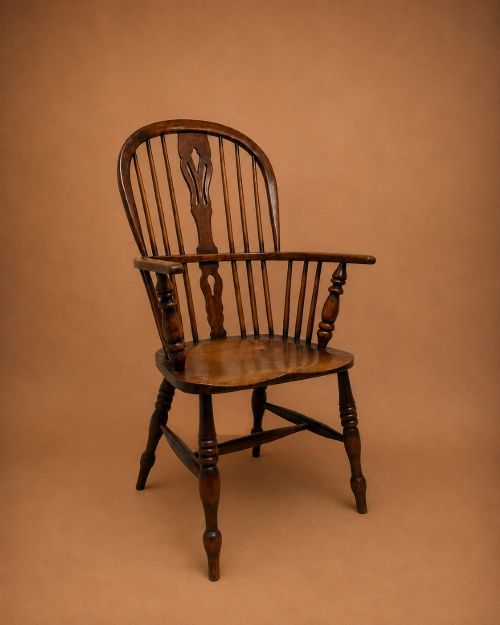
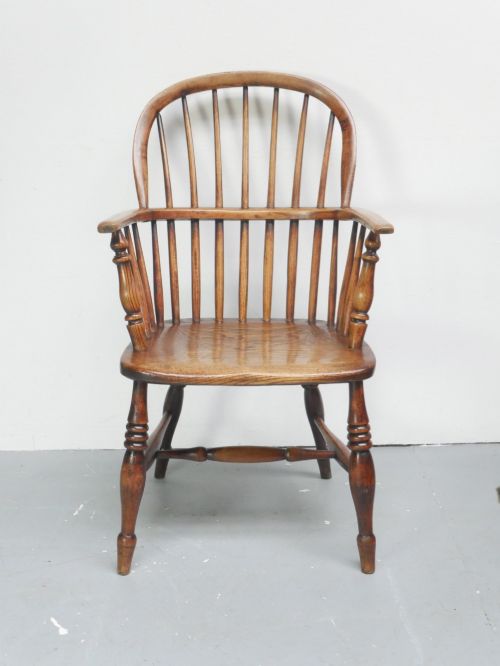
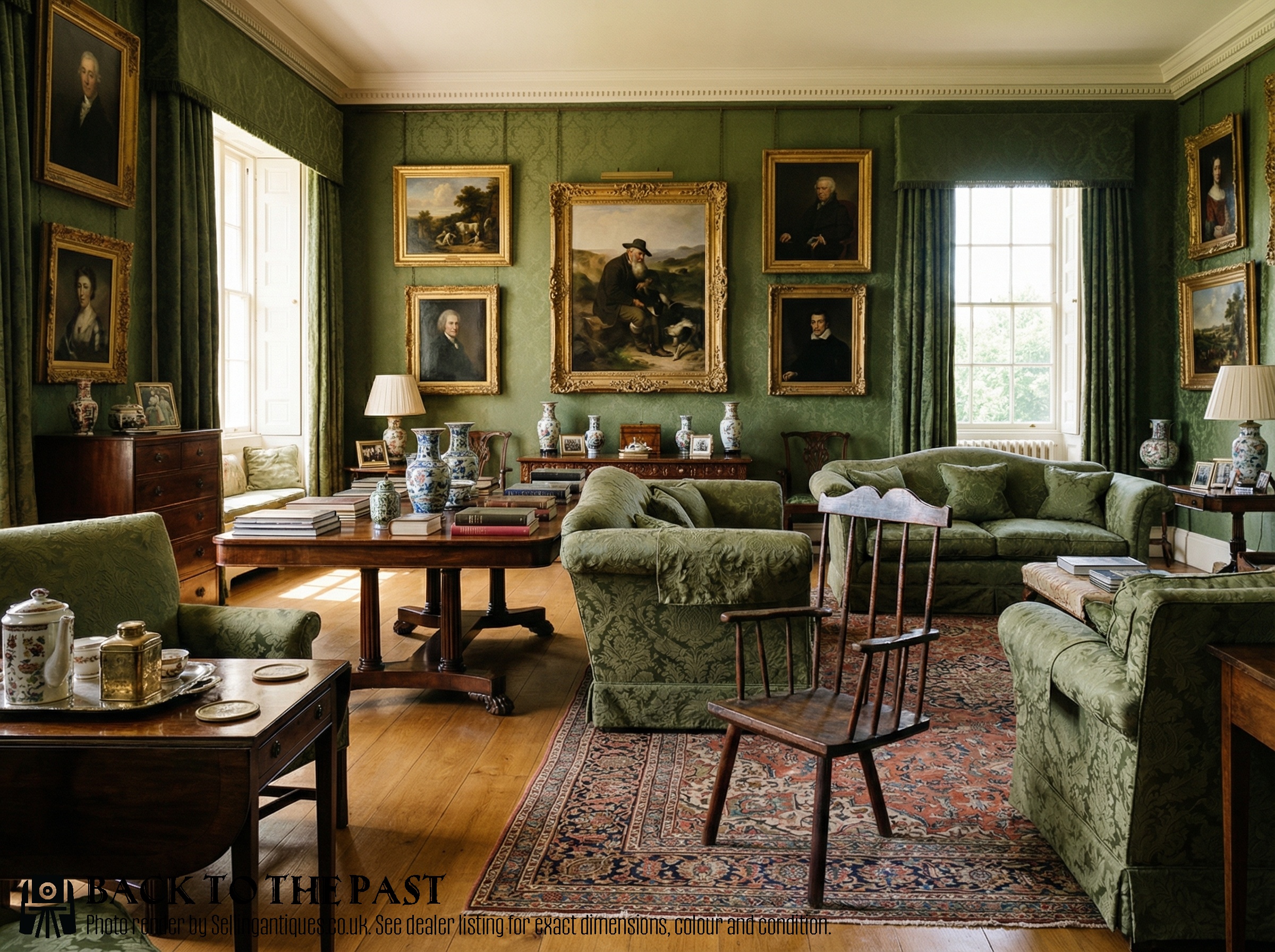
An antique wooden stick chair brings direct, honest craft into a room through shaped timber and turned spindles.
Antique Wooden Stick Chair
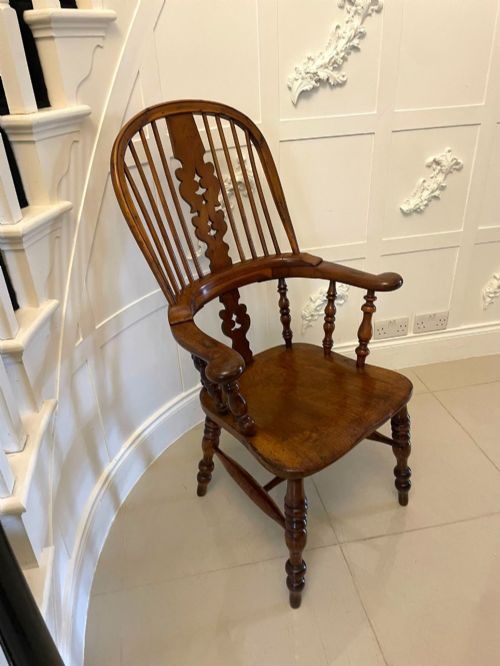
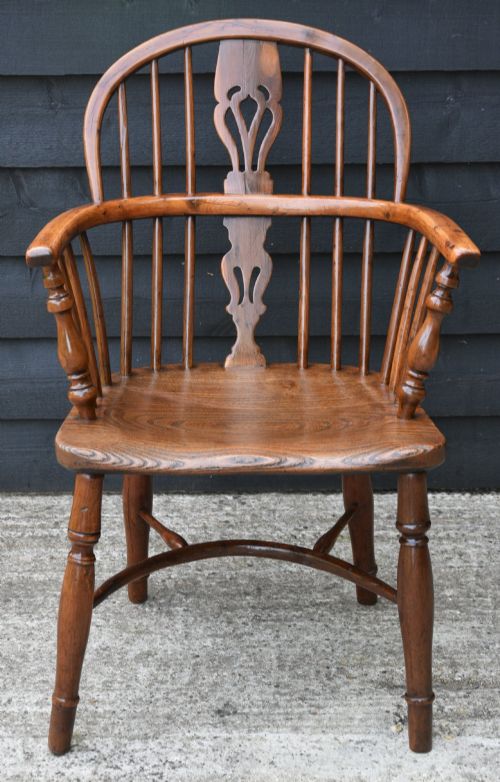
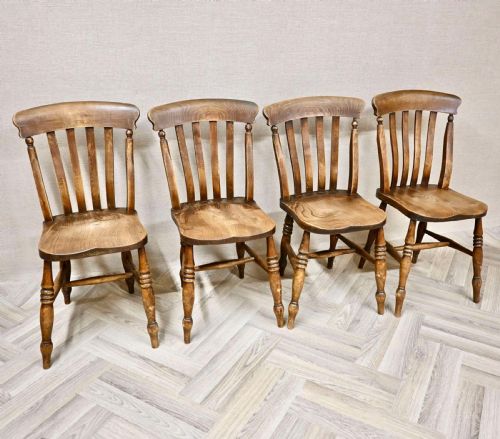
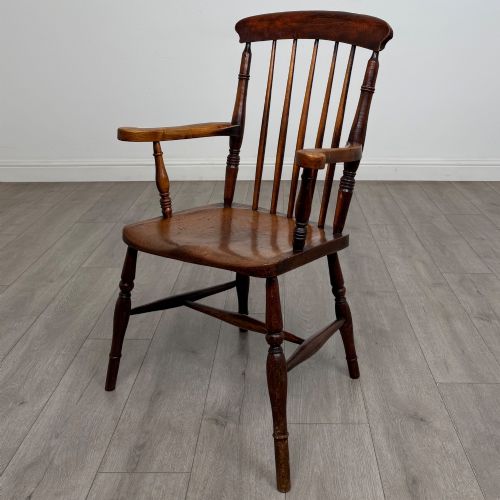
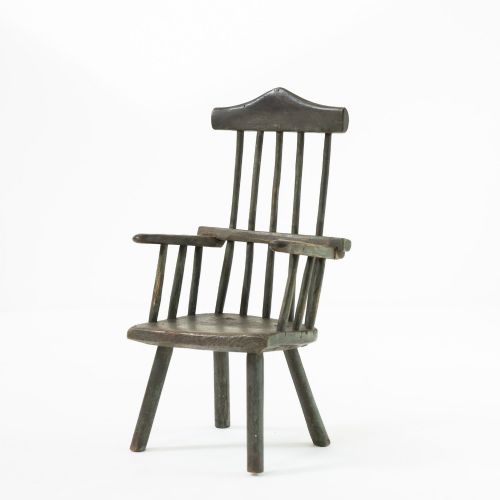
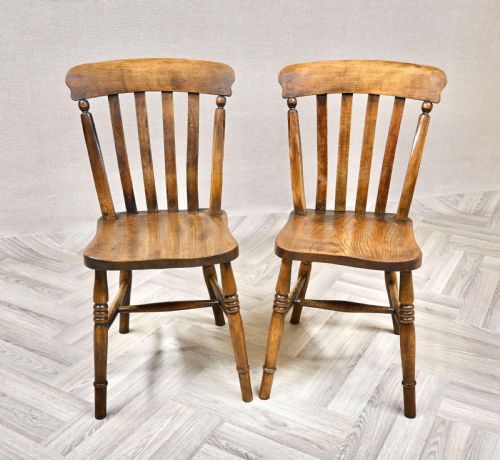
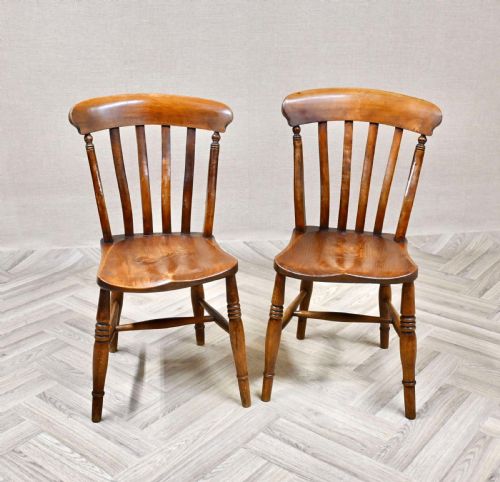
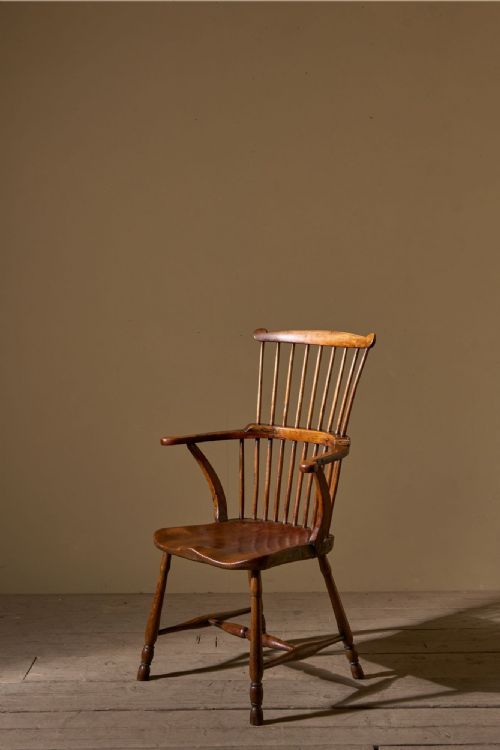
An antique wooden stick chair is a seating form defined by turned or cleft spindles slotted directly into a solid wooden seat, encompassing regional Windsor designs, kitchen dining chairs, and low farmhouse armchairs. When searching for this phrase, a buyer encounters examples spanning the eighteenth and nineteenth centuries, alongside Victorian and Georgian vernacular iterations.
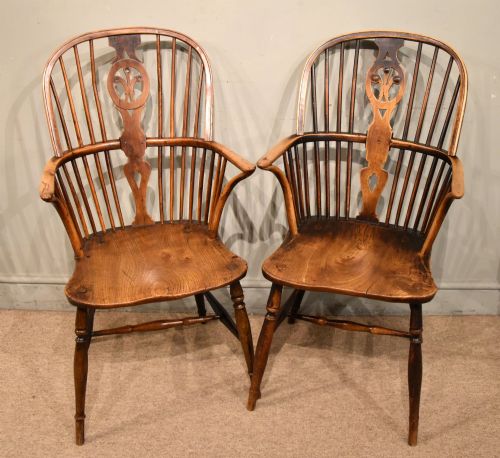
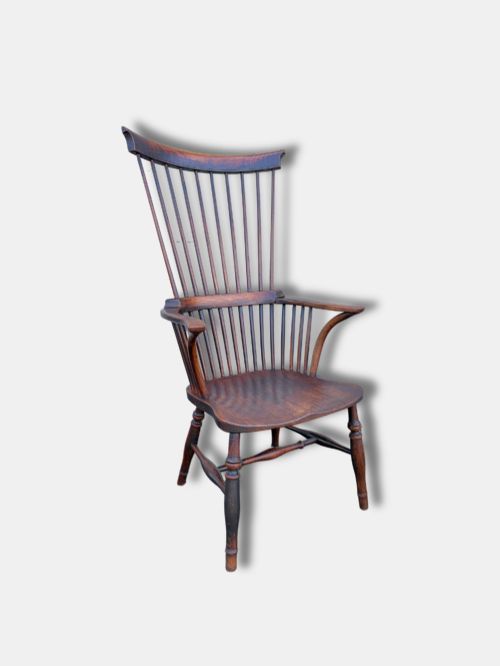
The pieces originating from rural workshops include high comb backs, low hoops, and panel backs designed for daily utility in farmhouses and cottages. Regional variants from the Thames Valley, West Country, Wales, and Scotland appear frequently, often constructed as single armchairs or matched sets for dining.
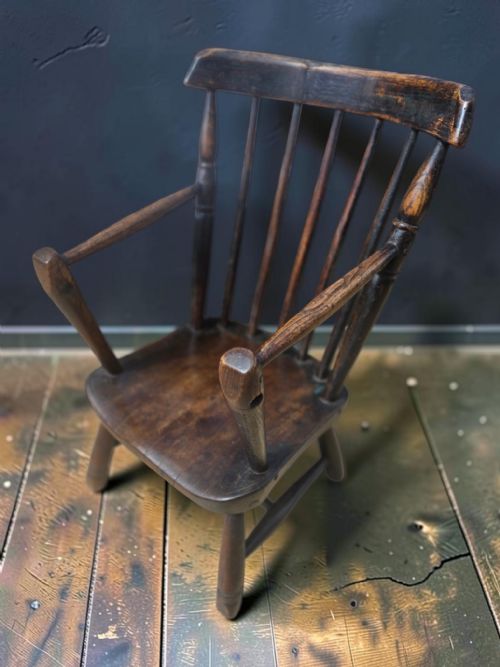
Smaller formats such as children's armchairs and small stick back chairs also feature within this tradition. These domestic objects display straightforward construction methods intended to serve practical household functions over generations of continuous use.
Materials and construction methods
Makers utilised a combination of native timbers, pairing durable hardwoods for the main framework with softer or pliable woods for seats and spindles. Ash, elm, beech, oak, yew, fruitwood, and laburnum provide the structural integrity required for traditional stick and Windsor construction.
Seats are typically carved from solid elm or hardwood blocks to form a comfortable saddle shape, into which legs and upright sticks are wedged and pinned. Spindles are turned on a lathe or shaved by hand with a drawknife to achieve uniform taper before assembly.
Surface finishes range from bare scrubbed timber and old brown paint to polished patinas developed through decades of domestic handling and wax application.
Listings feature ash, elm, oak, yew, beech, fruitwood, and laburnum across eighteenth-century, nineteenth-century, and Victorian periods.
Qualities of distinction
The distinction between ordinary and exceptional examples rests upon the harmony of proportions, the selection of timber grains, and the crispness of the spindle turnings. A well-balanced armchair displays fluid lines in the bow or comb, whereas lesser examples can appear heavy or rigid in stance.
The choice of wood significantly influences the visual depth of the piece, particularly where figured yew, laburnum, or burr elm is employed for the arms and back. Combinations of contrasting woods selected by the maker enhance the character of the chair.
Retained original surfaces, such as early brown paint or undisturbed historical polish, elevate the integrity of a stick chair far above pieces that have undergone heavy stripping or modern refinishing.
John Brand of Sleaford
The Antique Wooden Stick Chair Glossary
- Windsor chair
- A chair built with a solid wooden seat into which the legs, back sticks, and bow are all separately inserted. This structural method forms the basis of many traditional country seating designs.
- Comb back
- A Windsor chair back design featuring a horizontal headpiece supported by vertical spindles that resemble the teeth of a comb. This style often terminates in scrolled ears.
- Hoop back
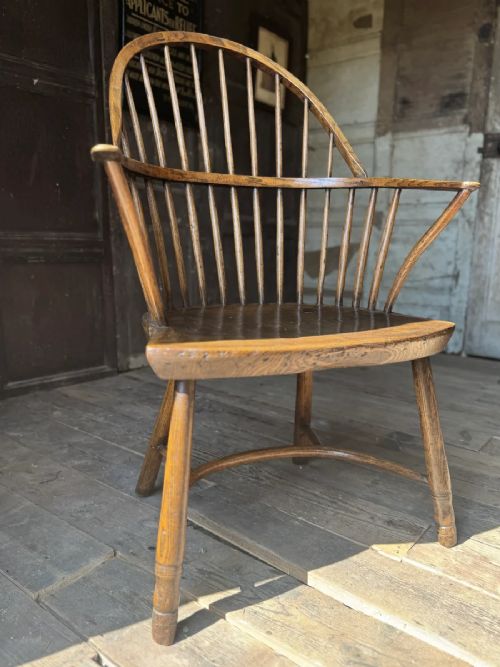
- A continuous bentwood bow forming the back and arms of a chair in a single sweeping arc. Steam or moisture is used to bend the green wood into this curved profile.
- Crinoline stretcher
- An arched underframe connecting the legs of a chair to provide rigidity. The curved shape resembles the hoop-supported undergarments worn in the nineteenth century.
- Vernacular
- Objects designed and built by local craftspeople using traditional regional methods rather than following strict academic design rules. These pieces reflect local timber availability and domestic custom.
- Thames Valley
- A geographical style designation associated with eighteenth and nineteenth-century Windsor chair production along the Thames basin. These chairs frequently incorporate yew timber and refined wheel-turned details.
Antique Wooden Stick Chair: Frequently Asked Questions
What is an antique wooden stick chair?
An antique wooden stick chair is a traditional seating form constructed with turned or shaved spindles fitted directly into a solid carved wooden seat. These practical objects originate primarily from eighteenth and nineteenth-century rural and vernacular workshops.
They encompass regional Windsor armchairs, kitchen dining chairs, and smaller children's seats made by local carpenters using native timbers like elm, ash, and yew.
How do I date an antique stick chair?
Dating relies on examining the construction marks, timber wear, and assembly methods used in the seat and undercarriage. Eighteenth-century examples often feature thicker saddle seats and ash components, while Victorian pieces incorporate beech and machine-turned spindles.
Stylistic cues such as comb backs, hoop bows, and crinoline stretchers further indicate the period of manufacture, ranging from Georgian vernacular output to later nineteenth-century farmhouse production.
Where were stick chairs originally made?
Stick chairs were made across rural Britain in regional workshops, with specific concentrations in the Thames Valley, the West Country, Wales, and Scotland. Local craftspeople utilised the indigenous hardwoods readily available in their immediate surrounding woodlands.
Regional preferences influenced whether makers selected yew, elm, ash, or fruitwood for the frame, resulting in distinct local variations in chair design and construction.
How do I care for an antique wooden stick chair?
Care involves keeping the timber away from direct heat sources and sudden temperature fluctuations that cause wood to dry out or split. Regular application of a traditional beeswax polish maintains the surface sheen and nourishes the historic grain.
Avoid aggressive chemical cleaners and modern synthetic varnishes, allowing the natural patina developed over generations of domestic use to remain undisturbed.
Are stick chairs comfortable for daily use?
Stick chairs are designed with ergonomically sculpted saddle seats that distribute weight effectively for prolonged sitting. The rake of the back sticks and the height of the arms provide natural support during dining or relaxing.
Their lightweight yet robust construction makes them practical for everyday use around kitchen tables or within living spaces.