

Antique Wooden Stationery Box
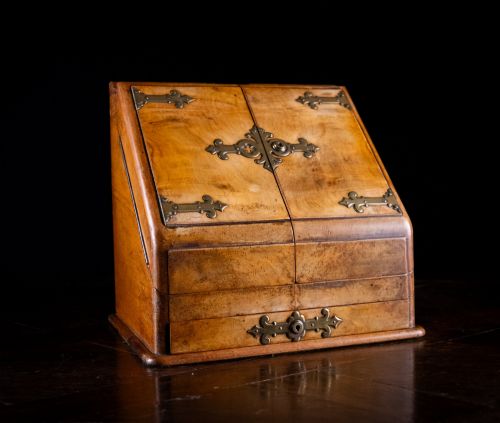
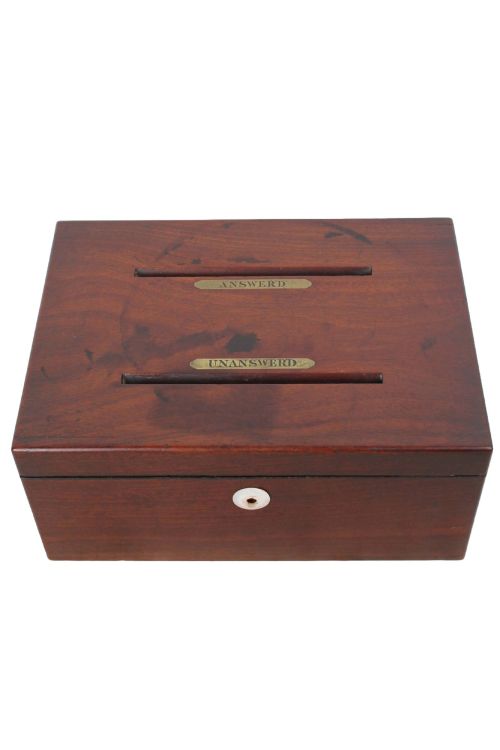
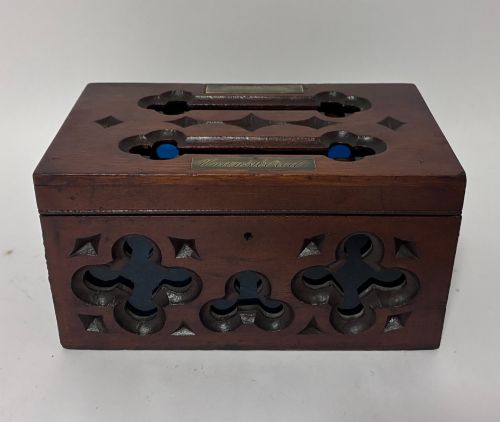
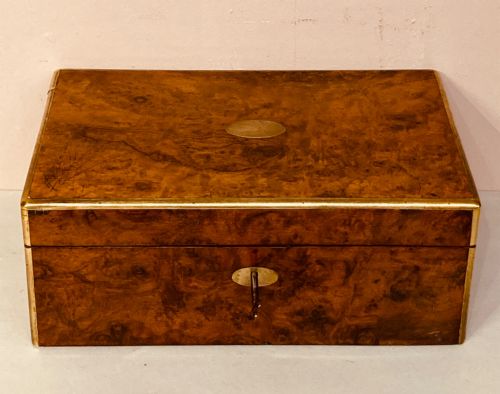
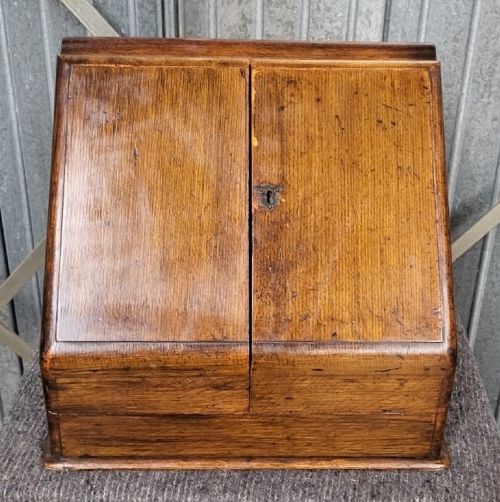
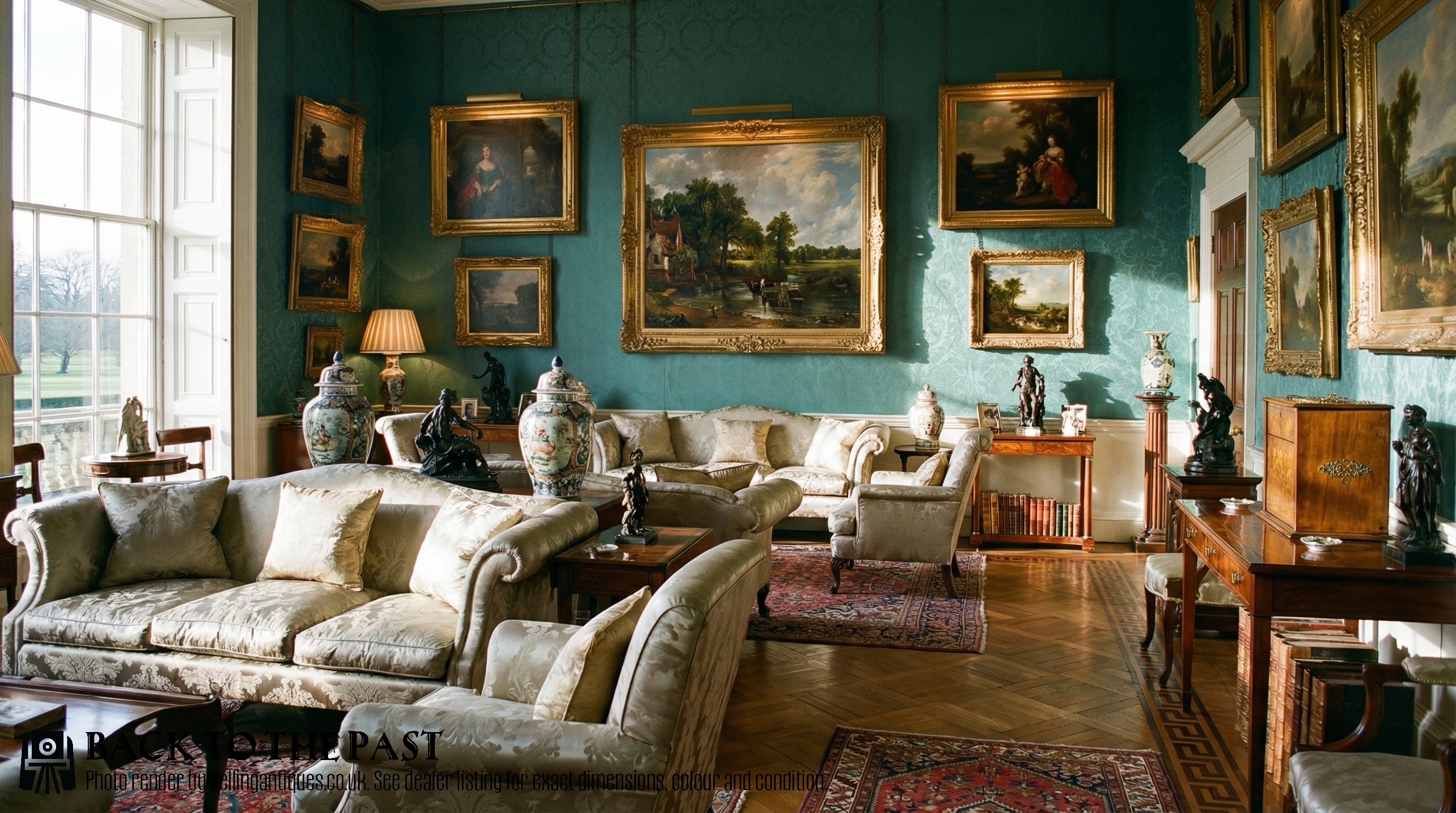
An antique wooden stationery box sits on a desk to hold paper and envelopes, bringing practical order and rich timber grain to a study.
What an antique wooden stationery box is
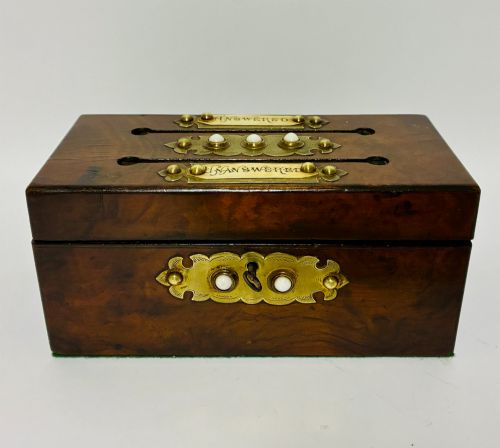
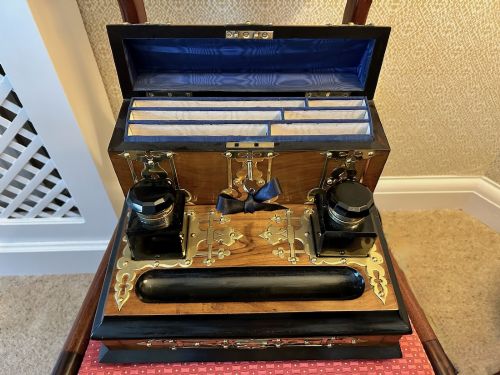
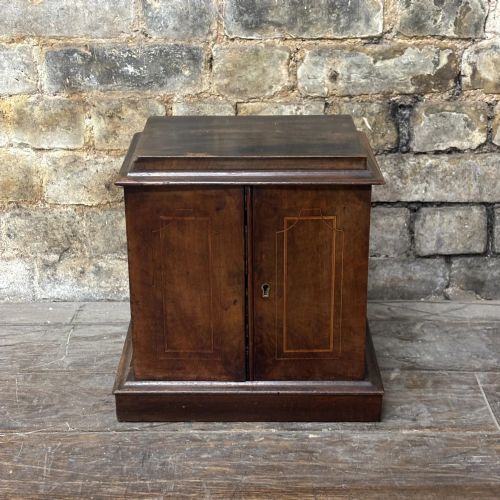
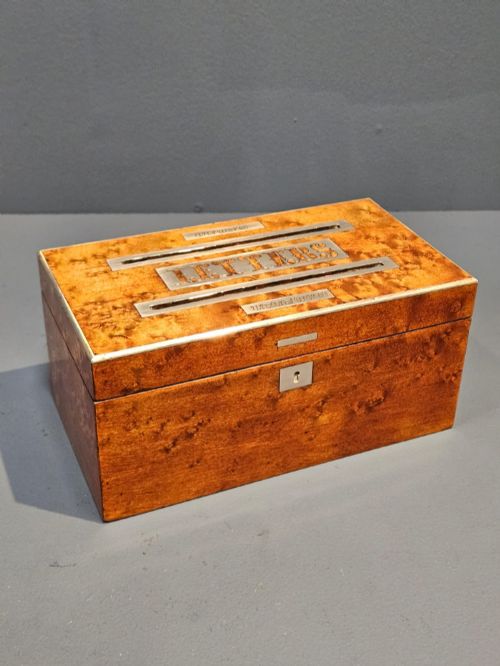
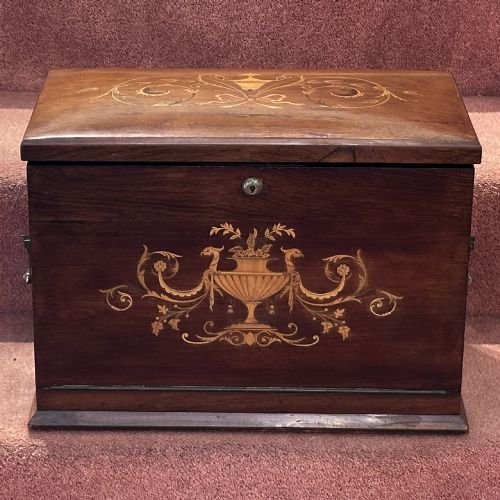
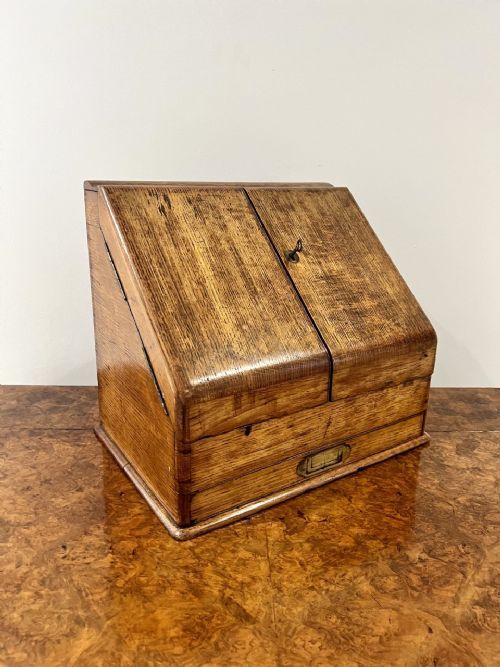
An antique wooden stationery box provides a dedicated desktop house for writing paper, envelopes and correspondence accessories. The pieces encountered here span the Victorian and Edwardian periods, including both nineteenth century writing slopes and dedicated correspondence cabinets.
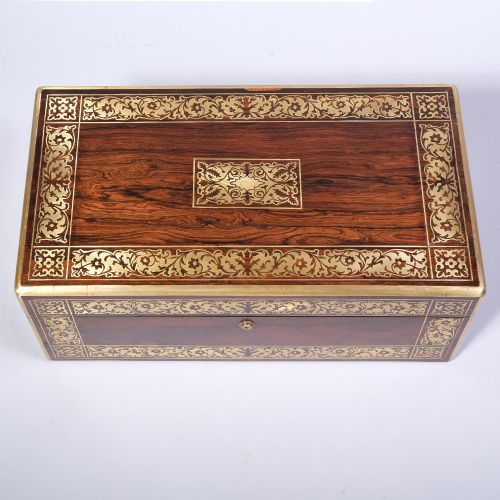
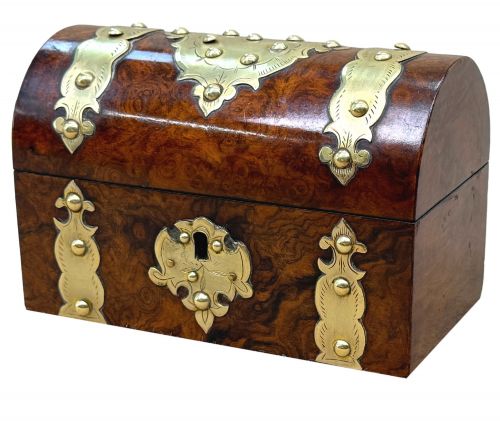
Makers shaped these items from dense hardwoods like mahogany and walnut, often mounting them in brass for travel or adorning them with intricate marquetry. Collectors meet everything from brass bound campaign writing boxes to inlaid Edwardian stationery cabinets designed for the writing desk.
How they were made
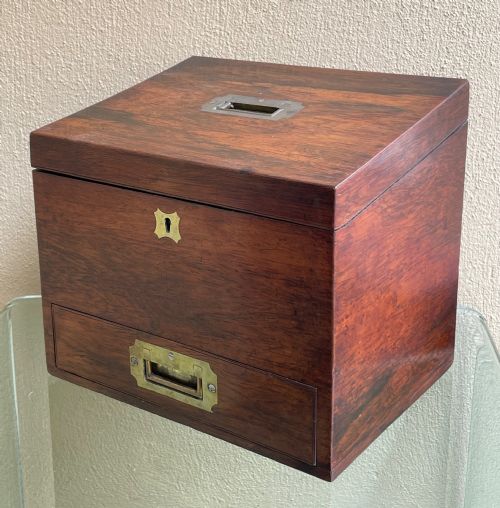
Cabinetmakers utilised rich timbers such as burr walnut, rosewood and mahogany, building solid wooden carcasses to withstand regular handling. Many pieces incorporated brass binding and recessed handles for transport during the nineteenth century.
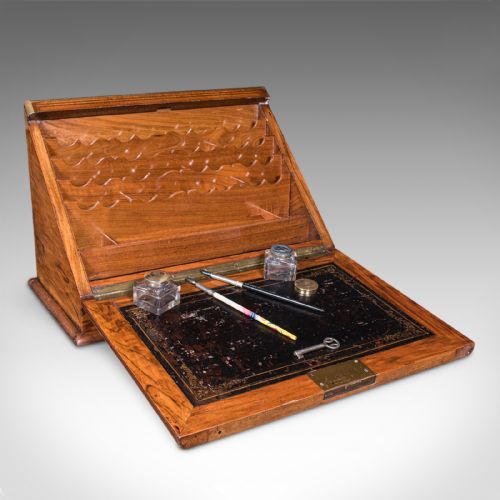
Surface decoration relied on natural wood grains and fine marquetry inlay rather than applied ornament. Skilled hands fitted interior partitions and sloping writing surfaces to organise pens, paper and ink.
Retail Price Guide 2026
Typical UK retail prices for wooden stationery box, calculated from the Sellingantiques database of over a million retail prices indexed since 2003. This retail price guide relies exclusively on Sellingantiques data; no external sources or auction records are used, so the figures do not describe the wider market.
Secret compartments hidden beneath stationery trays remind us that nineteenth century writers guarded their private correspondence rather fiercely.
What varies in quality
Quality rests in the selection of timber, where burr walnut veneers and figured mahogany reveal a deeper natural depth across better examples. The precision of brass corner mounts and flush hinges separates standard utility pieces from finer campaign boxes.
Interior architecture dictates the grade of a box, with fitted stationery dividers, secret drawers and well executed marquetry showing superior craftsmanship. Simpler nineteenth century pieces rely entirely on plain timber construction and straightforward joinery.
Mappin & Webb·Fisher
The Antique Wooden Stationery Box Glossary
- Campaign box
- A portable wooden box constructed with brass corners and recessed handles for military travel. These items allowed officers to carry writing materials on the move.
- Marquetry
- The art of applying small pieces of wood veneer to a structure to form decorative patterns. Edwardian cabinets frequently display this technique on their doors.
- Sloping writing surface
- An inclined board built into a box to provide a comfortable angle for writing letters. It often lifts to reveal storage compartments beneath.
- Burr walnut
- A prized timber cut from the abnormal growth of a walnut tree, yielding swirling grain patterns. It decorates the exterior of high status nineteenth century boxes.
Frequently Asked Questions
What fits inside an antique wooden stationery box?
These boxes accommodate folded writing paper, envelopes, stamps and small desk accessories within their divided wooden compartments.
Larger cabinets hold upright files and correspondence, while compact nineteenth century slopes offer shallow trays for nibs and sealing wax.
How do I date an antique stationery box?
Dating relies on timber choices, construction methods and stylistic markers recorded across the Victorian and Edwardian periods.
Brass bound campaign boxes typically point to the nineteenth century, whereas marquetry cabinets usually indicate the Edwardian era.
Where should I place a stationery box at home?
A stationery box sits naturally on a study desk, a writing table or a living room console where paper is kept close to hand.
Keeping the box away from direct heat sources protects the timber joints and prevents the polished wood from drying out.
How do I care for the wood finish?
Maintenance requires occasional dusting with a soft, dry cloth to preserve the natural lustre of the polished mahogany or walnut.
Harsh chemical polishes should be avoided to protect the aged surface and the integrity of any brass mounts or inlay.