





Antique Wooden Slide Chest
An antique wooden slide chest delivers practical surface space or specialised storage through pull-out brushing slides, document panels, and cabinet drawers.
Antique Wooden Slide Chest
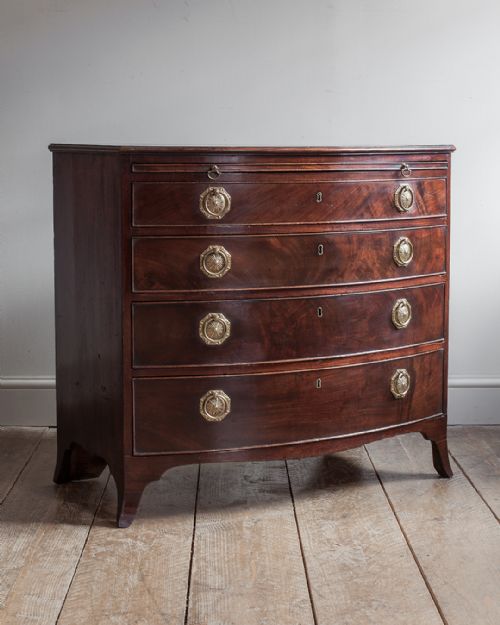
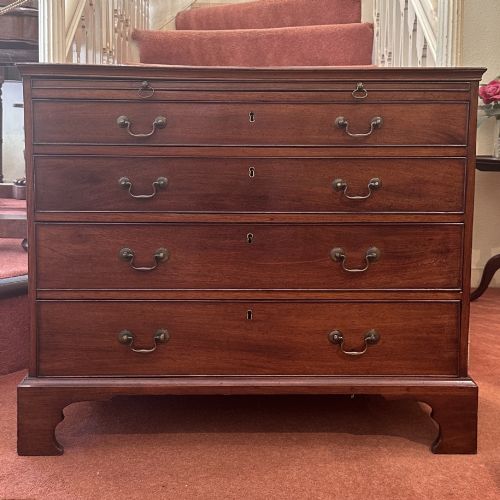
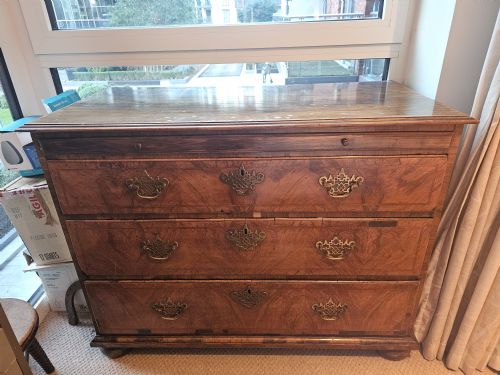
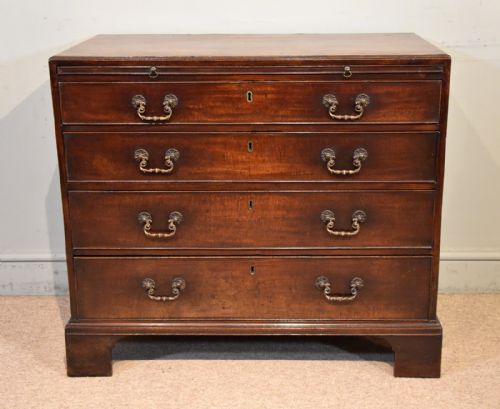
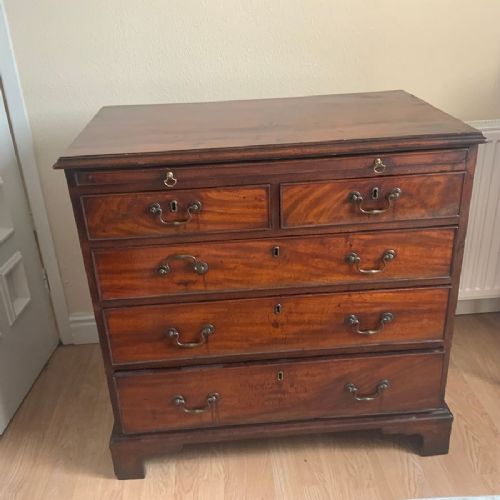
When you search for an antique wooden slide chest, you encounter a variety of forms including bachelor chests, document boxes, and collectors cabinets. The most frequently met version on this page is the Georgian mahogany chest of drawers featuring a pull-out brushing slide beneath the top surface.
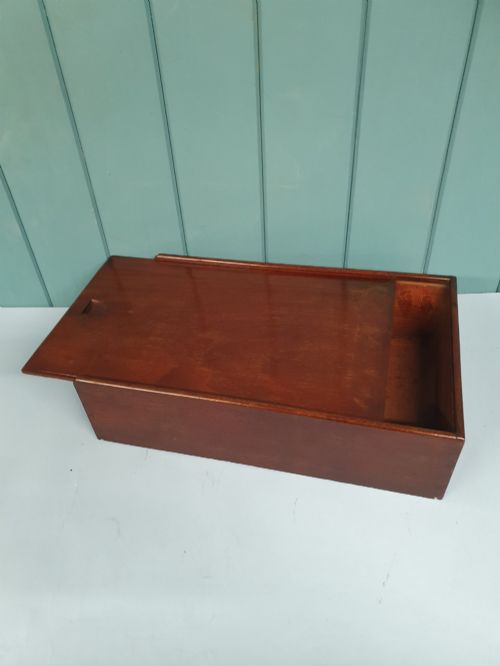
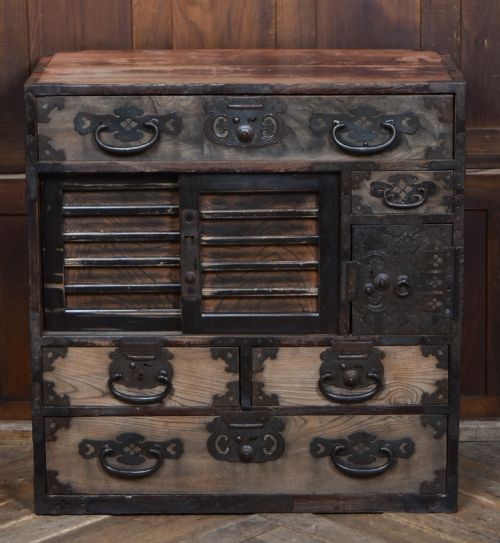
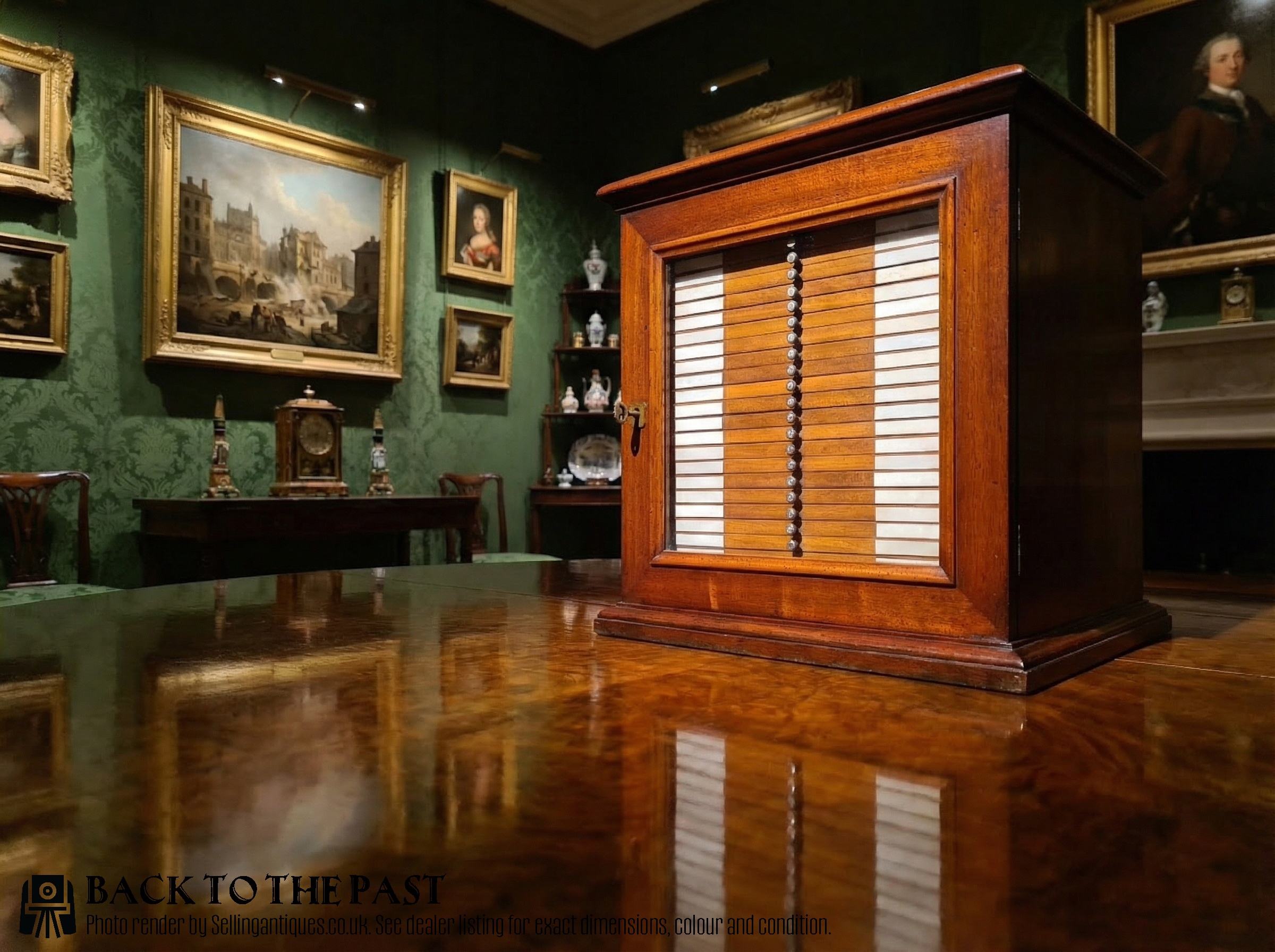
These pieces originate primarily from the eighteenth and nineteenth centuries, spanning Georgian, Victorian, and Edwardian periods. Alongside English furniture, the selection includes Japanese tansu and specialised microscope slide cabinets constructed in walnut and mahogany.
The primary function centres on storage, whether for garments, documents, or delicate scientific slides. The incorporation of a sliding shelf provides a temporary writing or dressing surface that tucks away completely when not in use.
How they were made
Cabinet makers utilised dense hardwoods such as mahogany and walnut, frequently selecting figured veneers, flame mahogany, burr walnut, and yew for primary visual surfaces. Secondary structural elements often incorporate pine and oak within drawer linings and internal framing.
Joinery relies on traditional techniques to house moving parts like brushing slides and sliding top panels smoothly within the carcase. Brass hardware, including drop handles, escutcheons, and hinges, provides functional contrast to the polished timber.
Materials recorded across the inventory include mahogany, walnut, burr walnut, oak, pine, brass, glass, and iron.
What varies in quality
Quality rests upon the selection of timber veneers and the precision with which sliding mechanisms operate within the cabinet frame. Superior examples demonstrate careful matching of grain patterns across drawer fronts and sliding panels.
The sophistication of the carcase design, such as serpentine shaping or proportions found in bachelor chests, distinguishes standard utility furniture from finer cabinet work. Original brass fittings and stable construction integrity further separate the tiers.
The Antique Wooden Slide Chest Glossary
- Brushing slide
- A pull-out shelf integrated just beneath the top of a chest, historically used for dusting clothes or as a temporary writing surface. It runs on wooden runners built into the interior frame.
- Bachelor chest
- A compact chest of drawers equipped with a folding top or a sliding shelf, designed for smaller chambers. These pieces date predominantly from the Georgian period.
- Tansu
- A traditional Japanese mobile storage cabinet built from woods such as keyaki, featuring sliding doors and specialised compartments. They served practical domestic and merchant functions.
- Serpentine
- A furniture front characterised by a wavy contour that curves outward at the centre and inward at the sides. This technique requires considerable skill from the woodworker.
- Microscope slide cabinet
- A specialised collectors cabinet fitted with shallow drawers designed to hold glass slides. They often feature locking glass doors or panelled timber doors.
Antique Wooden Slide Chest: Frequently Asked Questions
What is a brushing slide used for?
A brushing slide provides a pull-out surface historically utilised for brushing clothes or inspecting garments without placing them on the main top. In a bachelor chest, it also serves as a compact writing desk.
When pushed fully home, the slide sits flush with the moulding, remaining hidden until needed for daily use.
How do I date a mahogany chest?
Dating relies on carcass construction, timber selection, handle hardware, and drawer lining materials. Eighteenth-century pieces frequently show hand-cut dovetails and solid mahogany boards.
Later Victorian and Edwardian examples often incorporate machine-sawn elements, different secondary timbers, and distinct veneer thicknesses.
Are Japanese tansu chests compatible with western interiors?
Japanese tansu chests offer versatile proportions that function well as low sideboards or bedside storage units. Their distinctive metal hardware and functional drawer arrangements provide a contrasting focal point.
They blend easily into modern and traditional rooms alike due to their clean lines and honest timber construction.
What is the difference between a tallboy and a chest?
A tallboy typically consists of a chest of drawers stacked upon another larger chest, creating a high vertical storage unit. Standard chests remain lower in profile and often incorporate the brushing slide near the top.
Tallboys maximise vertical capacity while standard chests prioritize surface height and top access.