



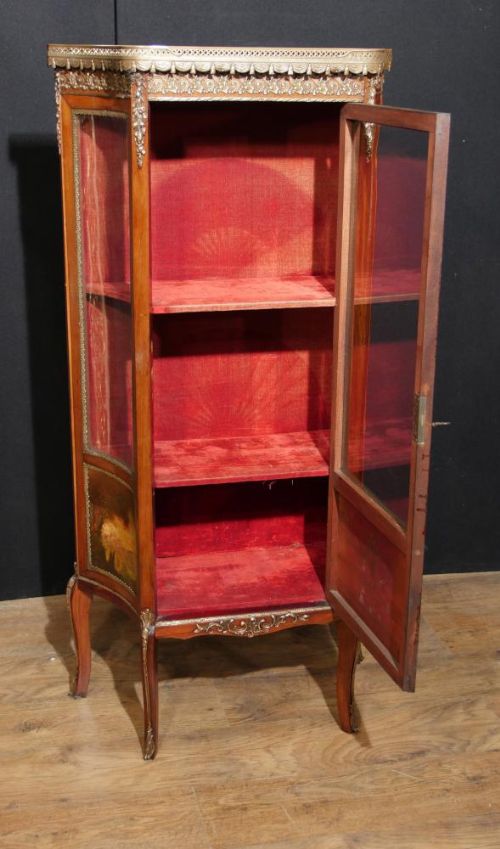


Mahogany Curiosity Cabinet
Mahogany curiosity cabinets are timber display pieces designed to hold small treasures, prized by collectors for showing off curiosities.
Mahogany Curiosity Cabinet
A mahogany curiosity cabinet is a timber container built to display small objects, spanning forms such as bijouterie tables, vitrines, specimen cases and display stands. These pieces appear across Georgian, Victorian and Edwardian periods, reflecting changing domestic fashions for showing natural history specimens and small artefacts.
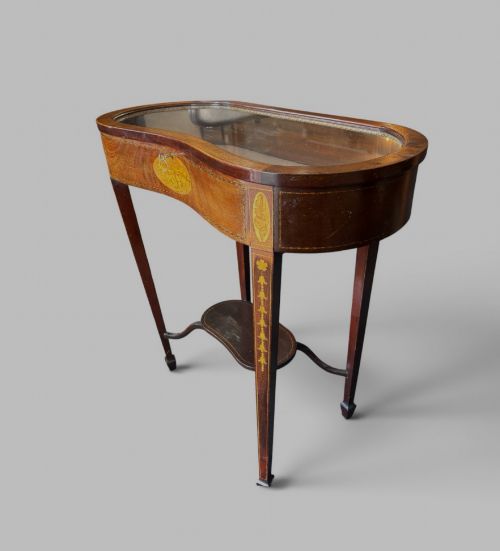
Buyers seeking a mahogany curiosity cabinet will most commonly find Edwardian and Victorian examples on this page. The selection ranges from inlaid display tables and kidney-shaped vitrines to specialised cabinets for entomology, microscopes and taxidermy.
The objects grouped under this search phrase encompass both tabletop display pieces and larger stands with glazed panels. Their primary purpose remains the safe containment and presentation of delicate collections.
How they were made
Makers constructed these cabinets using solid and veneered mahogany, frequently embellishing the timber with satinwood and boxwood inlay or marquetry details. Brass hardware provided functional closures and decorative accents for glazed doors and table lids.
Interiors were often lined with fabric or velvet to cushion delicate items such as specimen slides, insects and small curiosities. Glass panels and display domes provided all-around visibility while protecting contents from dust.
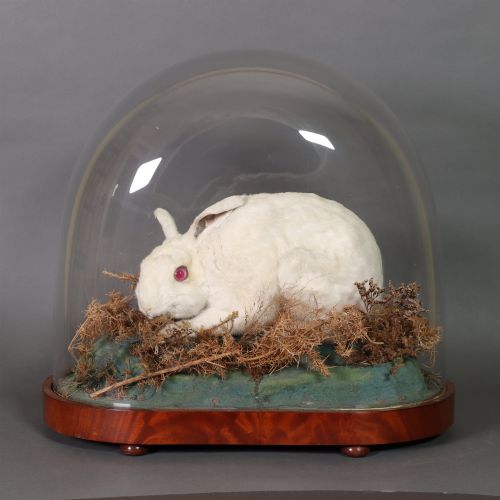
An albino rabbit preserved by a royal taxidermist shares shelf space with gentlemanly pocket compasses and microscope slides.
What varies in quality
Quality in these cabinets rests upon the precision of the cabinetmaking, visible in the tightness of the timber joints and the crispness of the satinwood or boxwood inlay. Finer pieces demonstrate careful selection of mahogany grain and sophisticated forms like kidney-shaped tables or pedestal vitrines.
The sophistication of the internal fittings, such as graduated drawers in specimen cabinets or fitted velvet linings in bijouterie tables, distinguishes standard utility pieces from more ambitious commissions. Original glass panes and intact brass work also contribute to the integrity of the piece.
James Gardner·Angela Kaufman
The Mahogany Curiosity Cabinet Glossary
- Bijouterie table
- A glass-topped table designed specifically for displaying small valuable items and trinkets. These pieces often feature hinged lids and velvet-lined interiors.
- Vitrine
- A glass-fronted cabinet or display case used for exhibiting fine objects and curiosities. They allow light to enter from multiple angles to illuminate the contents.
- Marquetry
- Decorative woodwork where pieces of veneer are applied to a structure to form ornamental patterns. Makers utilised contrasting timbers like satinwood and boxwood for this work.
- Specimen cabinet
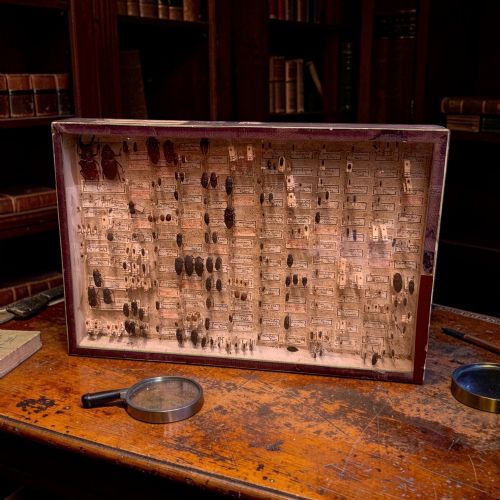
- A specialised piece of furniture containing multiple shallow drawers for housing collections such as insects, slides or minerals. These drawers often feature tight-fitting glazed lids.
- Display dome
- A blown glass cover resting on a base, used to protect and display delicate items like taxidermy and ornaments. They maintain a dust-free environment for fragile objects.
Mahogany Curiosity Cabinet: Frequently Asked Questions
What goes inside a mahogany curiosity cabinet?
These cabinets traditionally house small collectibles, natural history specimens, scientific instruments and personal trinkets. Owners use the glass panels and table tops to exhibit items safely while keeping them visible.
Depending on the specific form, interiors might contain velvet-lined trays for jewellery or narrow drawers for entomology and microscope slides.
How do I date an Edwardian display table?
Edwardian pieces generally date from the early twentieth century and frequently feature inlaid satinwood details on mahogany structures. Examining the construction methods, drawer linings and hardware styles helps confirm the period.
Cabinet designs from this era often lighter proportions compared to heavier Victorian counterparts.
Were these cabinets used for taxidermy?
Certain cabinets and glass domes were specifically constructed to house taxidermy specimens and natural history collections. These enclosures protected delicate mounts from dust and handling.
Examples range from tabletop display domes to dedicated cases prepared by professional taxidermists.
How should I care for a mahogany cabinet?
Mahogany surfaces benefit from gentle dusting with a soft cloth and occasional light waxing to maintain the finish of the timber. Keeping the furniture away from direct sunlight prevents the wood and interior fabrics from fading.
Glass panels and domes require standard glass cleaner applied carefully to avoid contact with surrounding wood or fabric linings.