

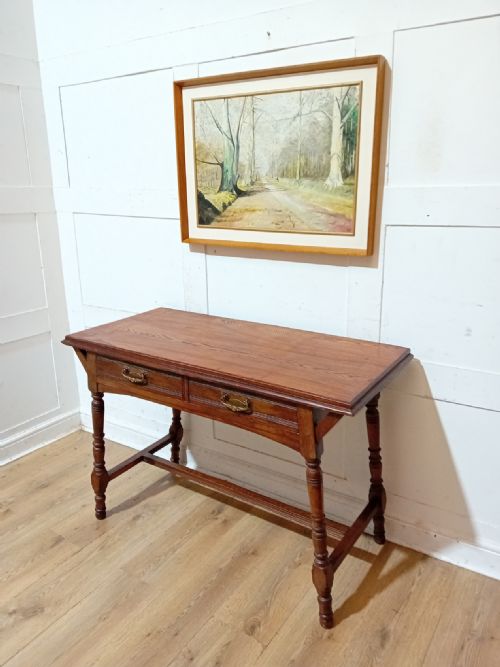


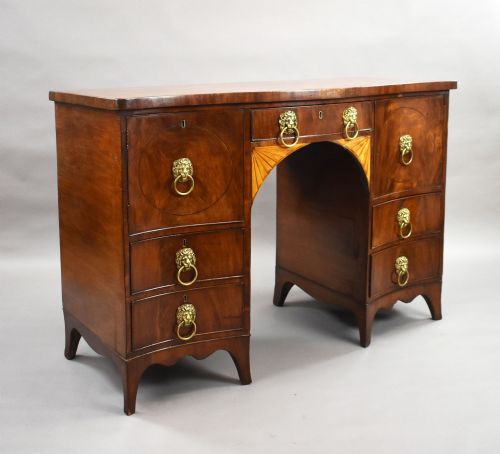
Antique Wooden Server Desk
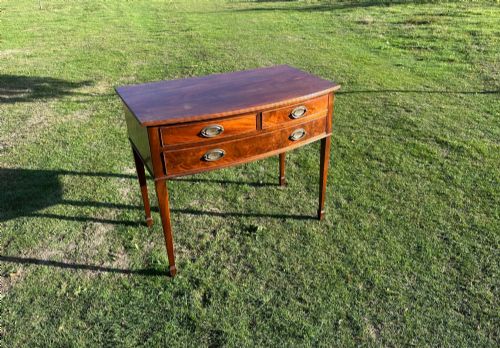
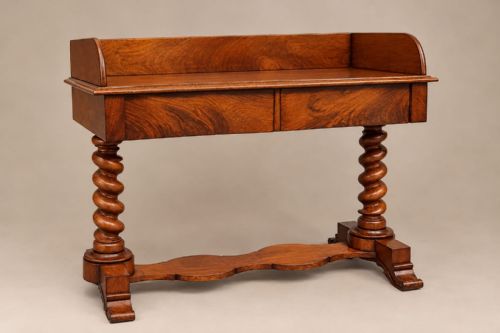
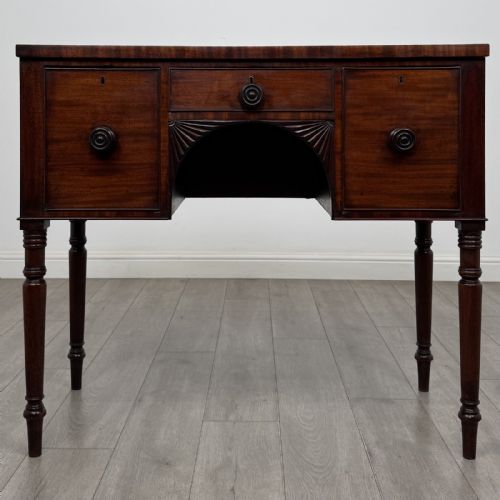
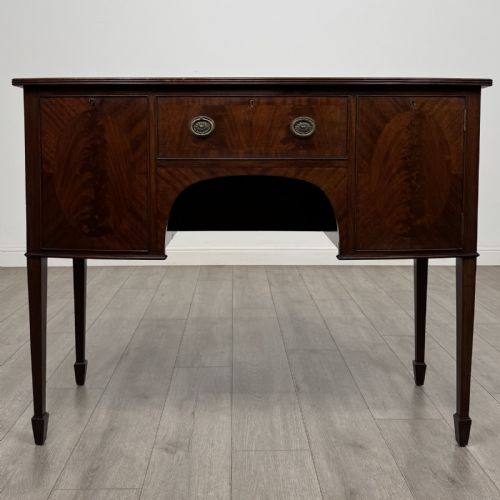
An antique wooden server desk brings warmth and practical surface area to a room, drawing on centuries of craftsmanship in mahogany, oak, and walnut.
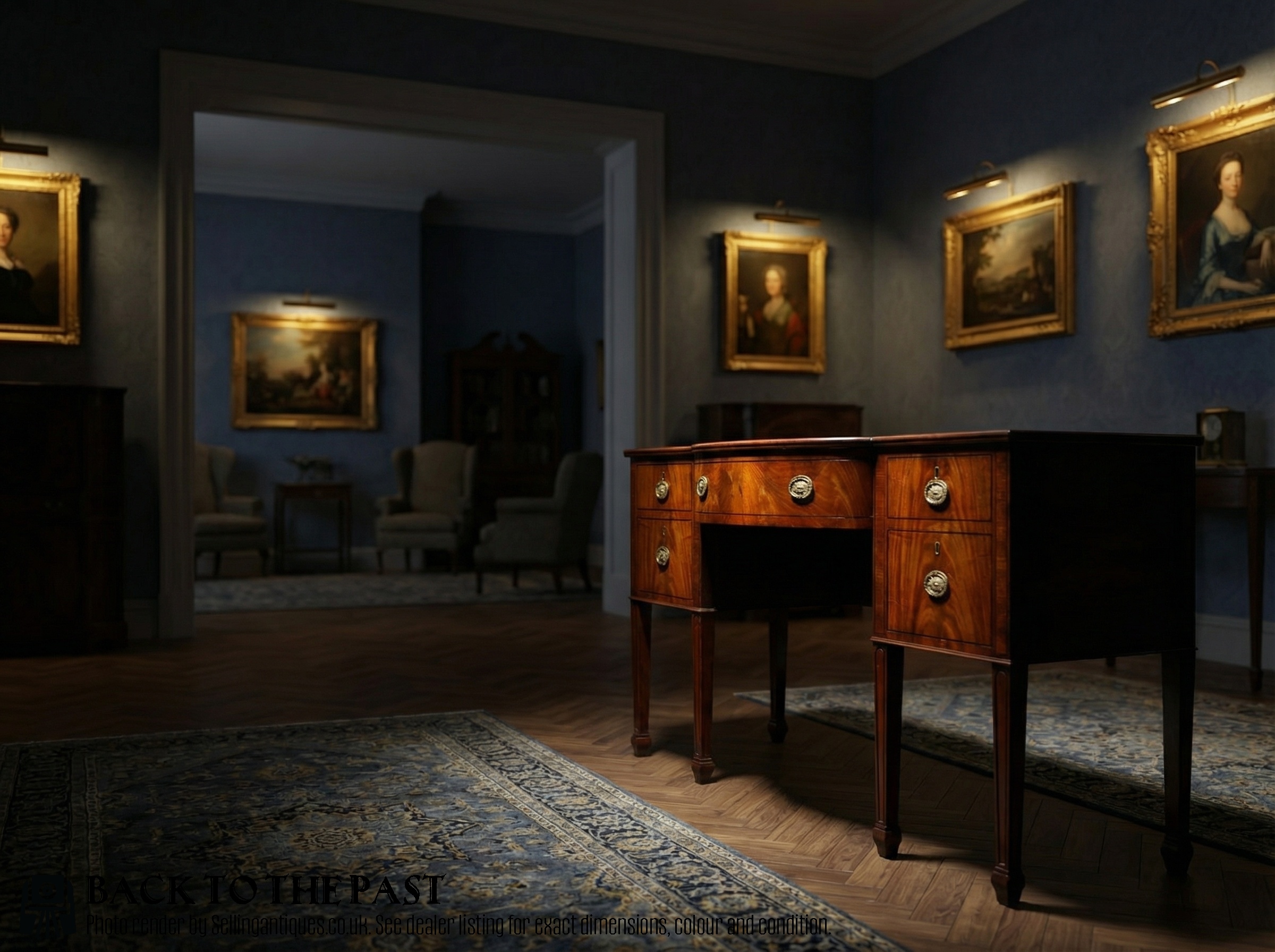
Antique Wooden Server Desk
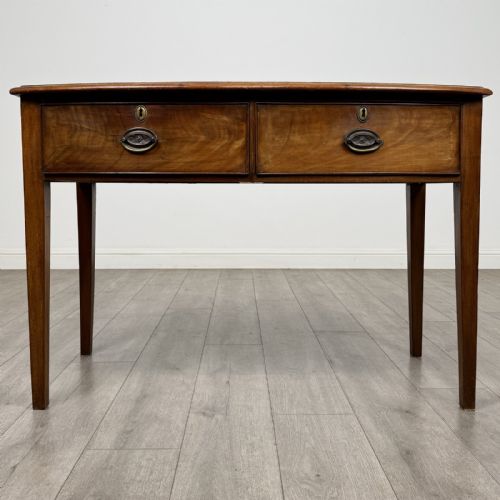
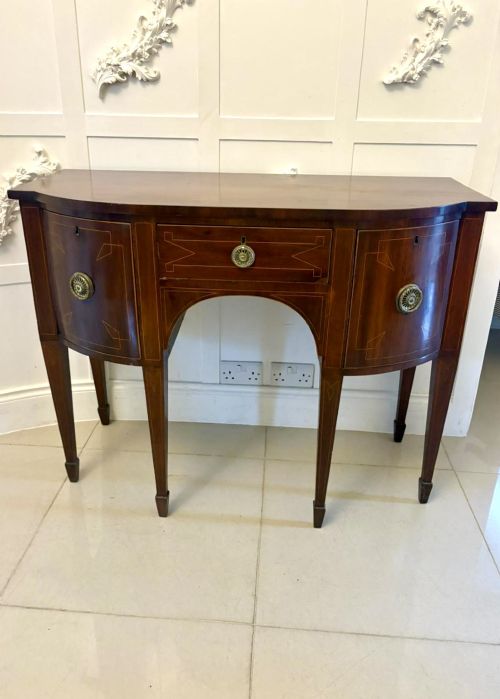
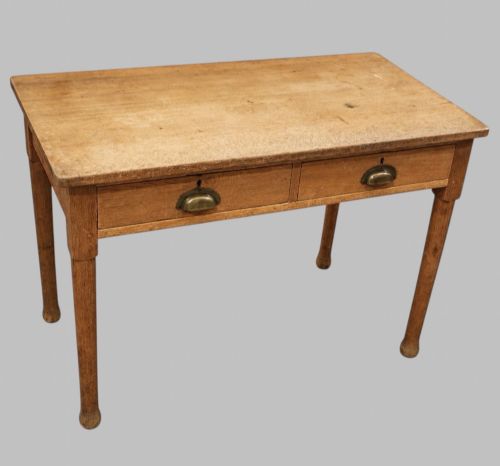
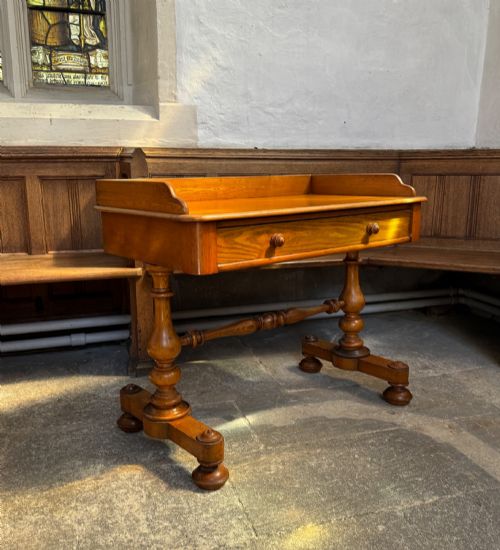
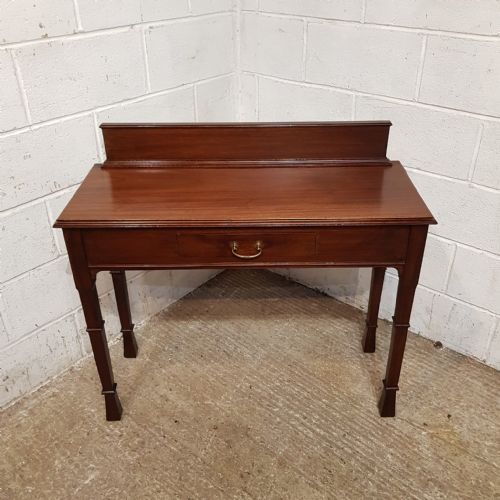
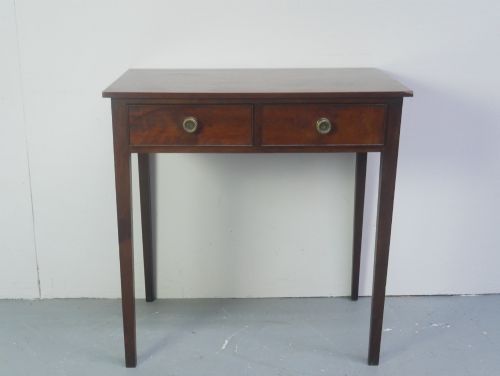
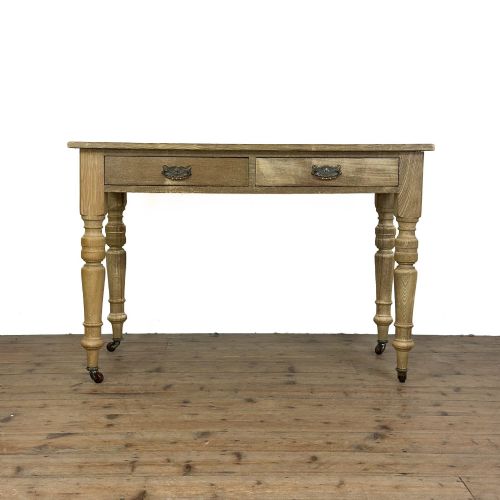
Buyers seeking an antique wooden server desk encounter a diverse selection of side tables, sideboards, console tables, and serving tables spanning several centuries. The pieces on this page originate from periods including the eighteenth century, the nineteenth century, the Edwardian era, and the Victorian era.
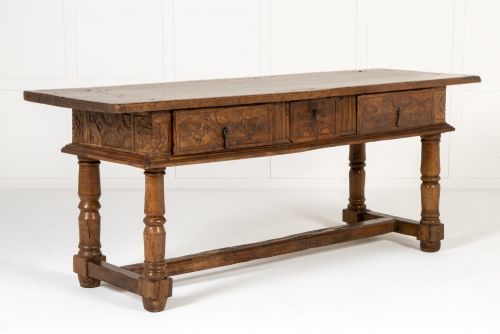
Forms range from compact lowboys and lamp tables to substantial breakfront sideboards and refectory serving tables. Regional variations appear too, including French provincial cherrywood pieces, Spanish walnut tables, and Anglo-Indian padouk designs.
The most common formats met here are side tables and serving tables constructed from mahogany, oak, and pine. These utilitarian yet refined items served dining rooms, halls, and dairies before finding a place in modern homes as versatile surface furniture.
Materials and construction methods
Cabinet makers relied primarily on hardwoods like mahogany, walnut, oak, and fruitwood, alongside softer timbers such as pine and pitch pine. Boxwood stringing and brass inlay frequently decorate finer mahogany and padouk surfaces.
Construction techniques combine traditional joinery with hand carving, visible in carved oak panels and detailed edgings. Drawers utilise hand-cut joints, while surfaces often show the marks of hand-planing and stripping down to bare timber.
Antique Wooden Server Desk Retail Price Guide 2026
Typical asking prices for wooden server desk among the pieces listed under this phrase on Sellingantiques today, from the lower quarter to the upper quarter. They describe what is for sale here now, not the wider market.
The listings feature timbers such as mahogany, oak, walnut, pine, boxwood, pitch pine, fruitwood, and brass.
Distinguishing quality across pieces
Quality rests upon the selection of timber figures, such as burr walnut or figured mahogany, paired with crispness in hand-carved details. Superior examples exhibit balanced proportions and restrained inlay rather than excessive ornamentation.
Maker attribution elevates a piece, particularly when workshops like Liberty or W Williamson & Sons applied their standards to ash or mahogany. The integrity of original brass hardware and untouched timber surfaces further separates standard utility pieces from exhibition quality works.
Liberty Ash·W Williamson & Sons of Guildford
The Antique Wooden Server Desk Glossary
- Lowboy
- A small table with one or more drawers, typically supported on four legs, originating in the eighteenth century.
- Breakfront
- A piece of furniture where the central section projects forward from the flanking outer sections.
- Stringing
- A narrow inlaid line of contrasting timber used to outline drawers, tops, or borders.
- Refectory table
- A long, narrow table traditionally used for communal dining in monasteries or large households, adapted here for serving.
- Padouk
- A heavy, durable tropical hardwood with a distinctive reddish hue, utilised in Anglo-Indian cabinet making.
Antique Wooden Server Desk: Frequently Asked Questions
What is an antique wooden server desk used for?
These tables served primarily for food preparation, holding dishes during meals, or storing household items in dining rooms and halls.
Today, buyers utilise them as console tables, sideboards, or writing surfaces in living spaces and hallways.
How do I identify a Georgian piece?
Georgian furniture typically displays proportioned lines, premium mahogany or walnut timbers, and restrained decorative elements like boxwood stringing.
Look for classic forms such as bow-front sideboards, lowboys, and side tables dating from the eighteenth and early nineteenth centuries.
Are pitch pine and pine tables durable?
Pitch pine and standard pine offer robust, utilitarian surfaces that withstand daily use while maintaining a rustic appearance.
Many of these pieces originated in dairies, farmhouses, or Victorian households where sturdy construction mattered more than decorative veneers.
How do I care for antique wood surfaces?
Maintain the timber by keeping pieces away from direct heat sources and sudden humidity changes to prevent splitting.
Apply occasional wax polish suitable for antique furniture to nourish the grain without building up heavy chemical layers.