

Antique Wooden Seat
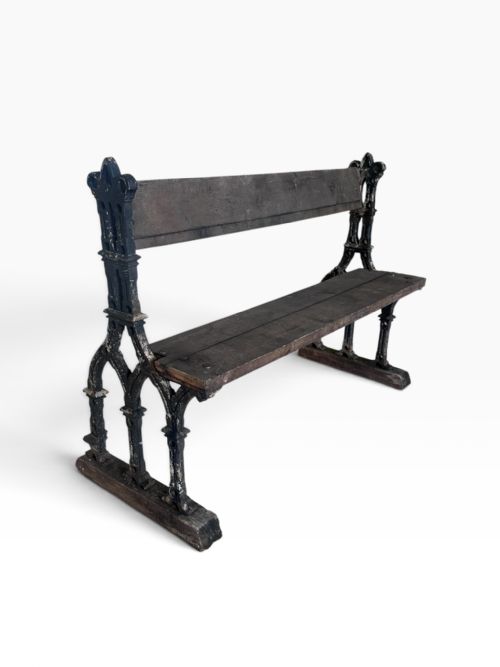
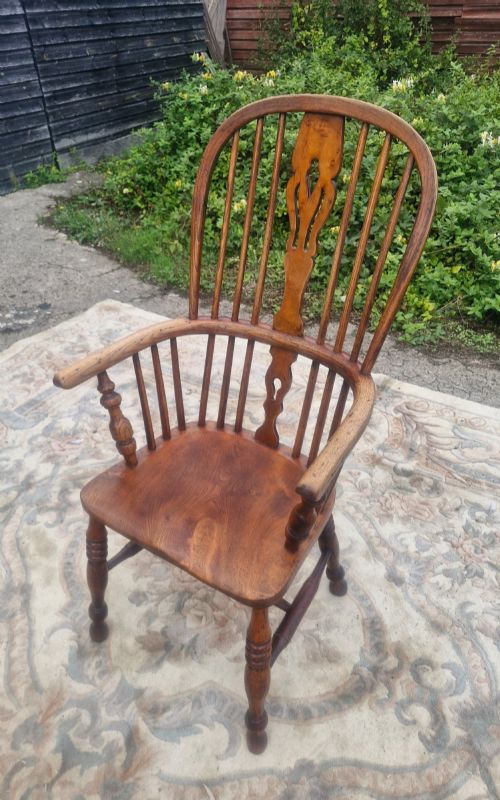
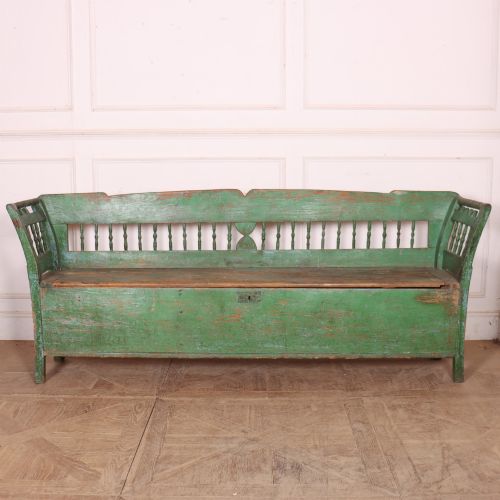
Looking for an antique wooden seat means hunting for functional vernacular seating built from sturdy elm, oak, or mahogany.
What these pieces are
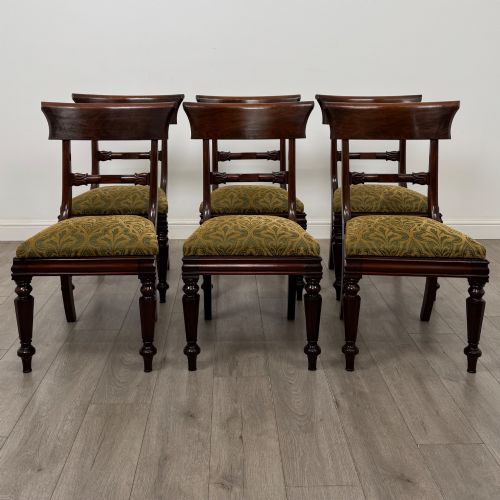
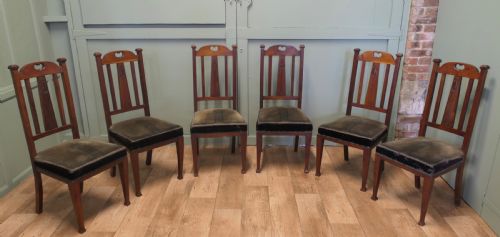
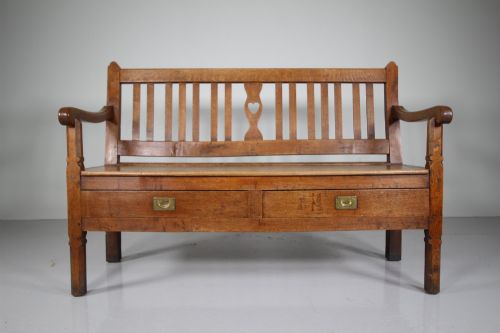
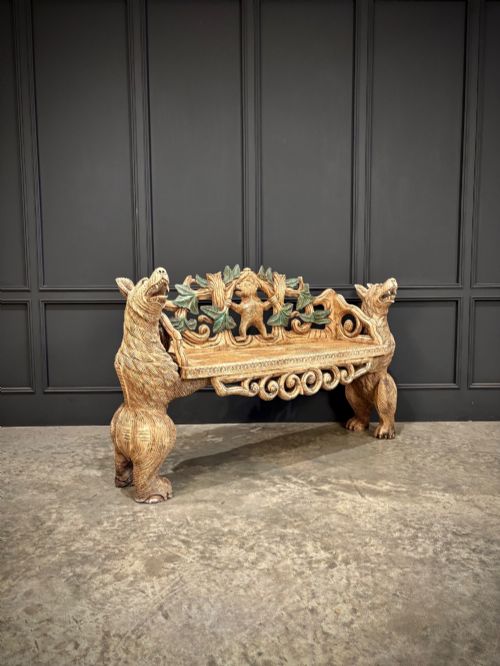
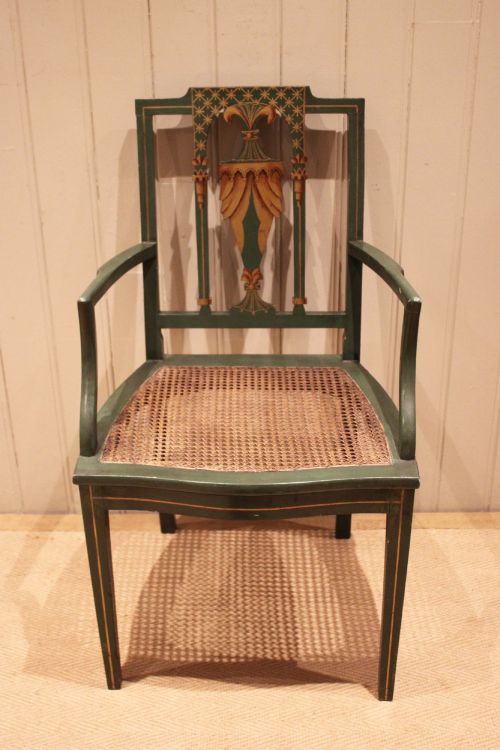
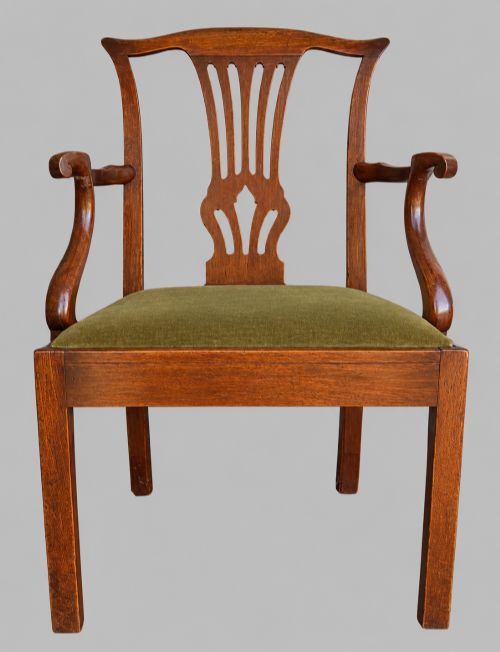
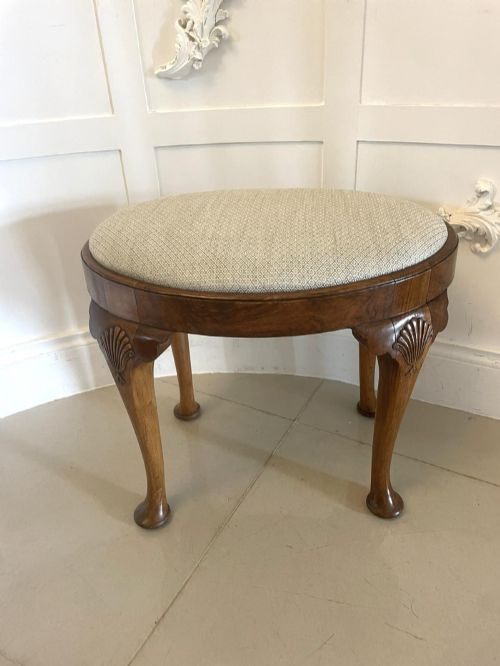
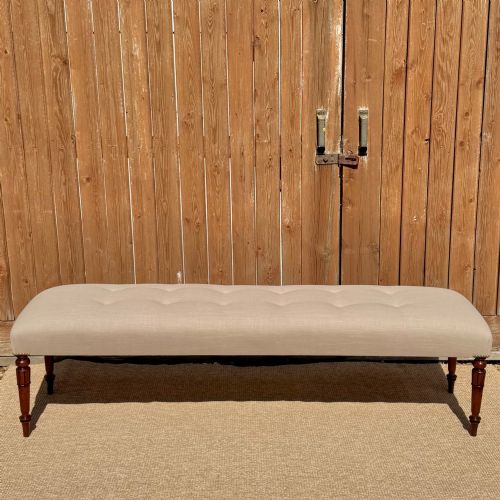
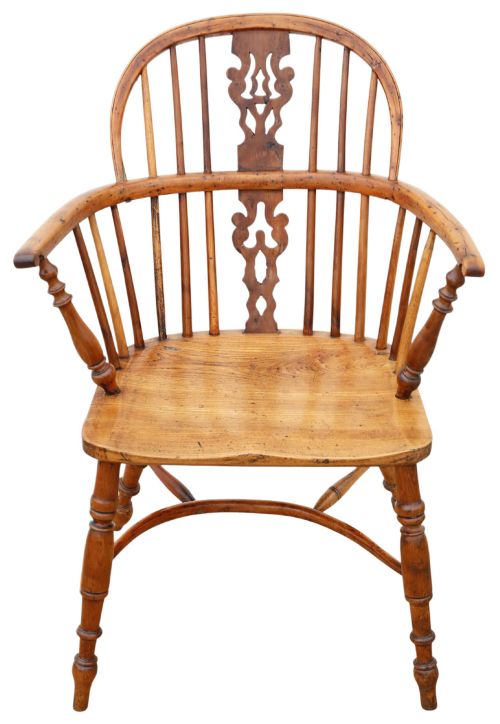
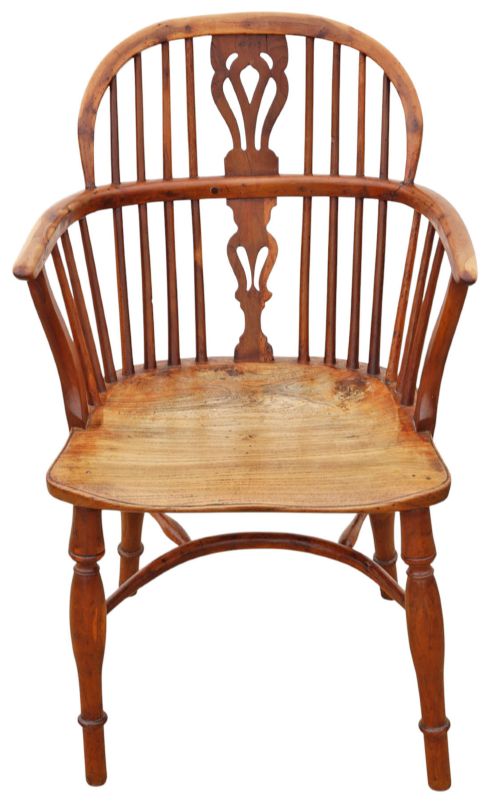
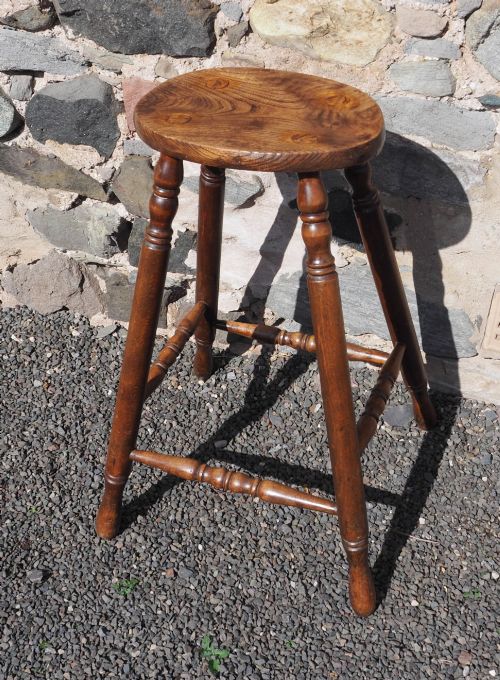
An antique wooden seat covers a practical range of functional forms including rustic hall benches, deep pine benches, stools, dining chairs, and children's high chairs. Buyers searching this phrase seek domestic and industrial seating shaped by traditional vernacular and Georgian designs.
The pieces available here lean towards vernacular seating, particularly elm and beech stools alongside sturdy pine and mahogany benches dating from the nineteenth century up to nineteen hundred. These sturdy items served working mills, country halls, and dining rooms alike.
How they were made
Maker's workshops utilised solid timber such as elm, oak, mahogany, beech, pine, and hardwood to construct these functional seats. Joinery and turning techniques suited the domestic or industrial environment each piece was destined to inhabit.
Surface finishes and structures relied on the natural grain of timber, sometimes paired with upholstery fabric or leather seats. Mill worker's stools and farmhouse benches show straightforward construction methods designed for heavy daily use.
Retail Price Guide 2026
Typical UK retail prices for wooden seat, calculated from the Sellingantiques database of over a million retail prices indexed since 2003. This retail price guide relies exclusively on Sellingantiques data; no external sources or auction records are used, so the figures do not describe the wider market.
Listings feature items from the nineteenth century up to nineteen hundred, spanning rustic country and Georgian styles.
What varies in quality
Quality rests upon the selection of timber, whether dense hardwood, figured mahogany, or robust elm and beech. Well-chosen materials support the structural integrity of joints in stools, benches, and chairs over centuries of use.
Refinement of form separates simple utility items from finer Georgian dining chairs. The balance between straightforward vernacular utility and deliberate stylistic design dictates how each piece sits within its category.
The Antique Wooden Seat Glossary
- Vernacular
- Everyday furniture made by local craftsmen for practical use rather than following high court styles. These pieces rely on regional traditions and readily available local timber.
- Elm
- A tough, interlocking timber frequently utilised for stool seats because it resists splitting under pressure. Chairmakers valued its resilience in traditional country seating.
- Georgian
- A period of British design spanning the eighteenth and early nineteenth centuries characterised by classical proportions and mahogany construction. It covers polite domestic furniture.
- Industrial
- Pieces built specifically for factories, mills, or workshops rather than domestic parlours. Mill worker's stools belong to this utilitarian category.
Frequently Asked Questions
How do I clean an old wooden seat?
Dust regularly with a dry cloth to protect the timber surface. Avoid harsh chemical cleaners that strip the finish.
Nourish dry wood occasionally with suitable wax to maintain the grain. Keep pieces away from direct heat sources to prevent warping.
Can I use these benches in a modern kitchen?
Sturdy pine and elm benches fit well beside contemporary dining tables. Their simple forms complement minimal interiors.
Ensure floor protectors are used if placing heavy hardwood items on delicate flooring. Measure your space carefully before purchase.
What is a vernacular stool?
A vernacular stool is an unpretentious piece made by local craftsmen without high stylistic pretensions. They prioritise straightforward utility over fashion.
These items often utilise regional timbers like beech and elm. Each piece reflects the practical needs of rural workshops or homes.
How do I date a nineteenth century bench?
Examine the tool marks, joinery methods, and timber species used in construction. Hand-cut elements often indicate older work.
Compare the form against traditional rural styles recorded from the period. Wear patterns should match the stated age of the piece.