

Antique Wooden Pedestal Lamp
An antique wooden pedestal lamp provides a solid vertical support for lighting while anchoring a room with period character and timber grain.
Antique Wooden Pedestal Lamp
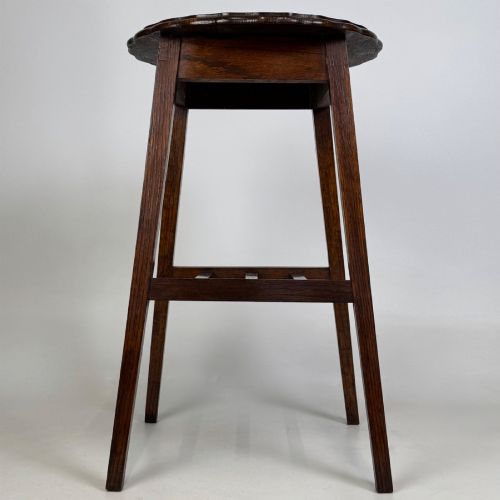
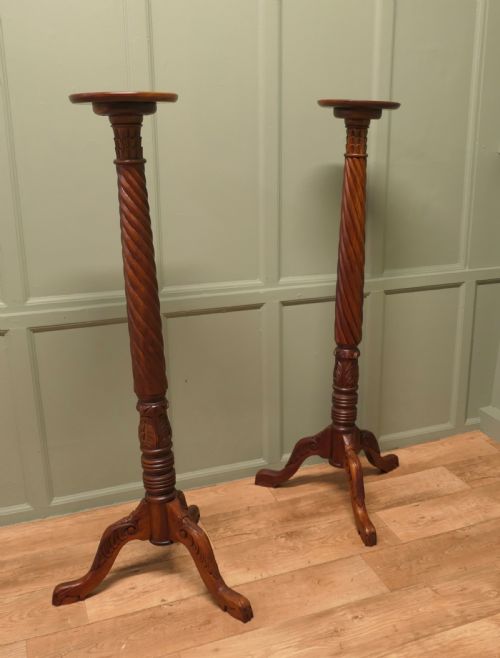
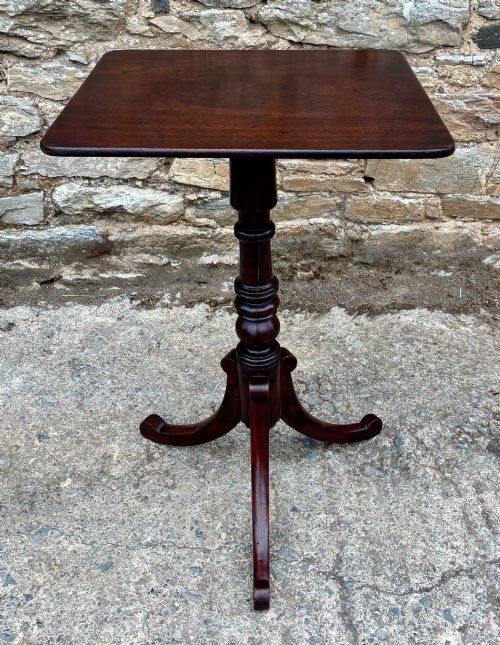
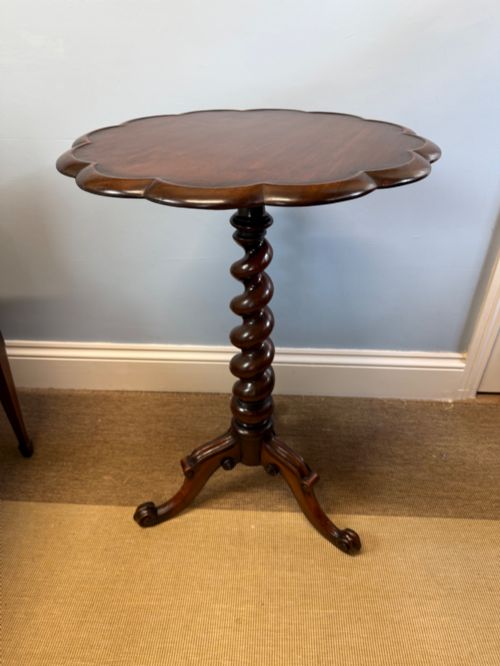
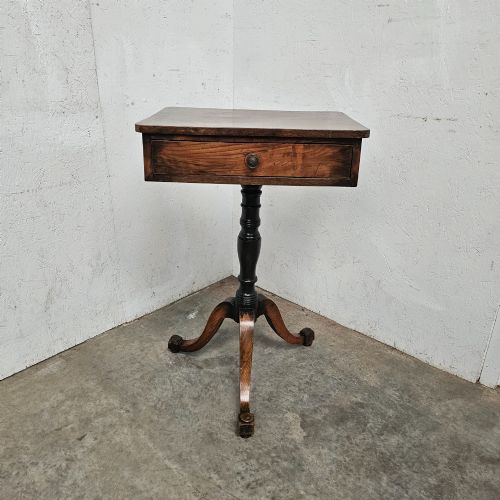
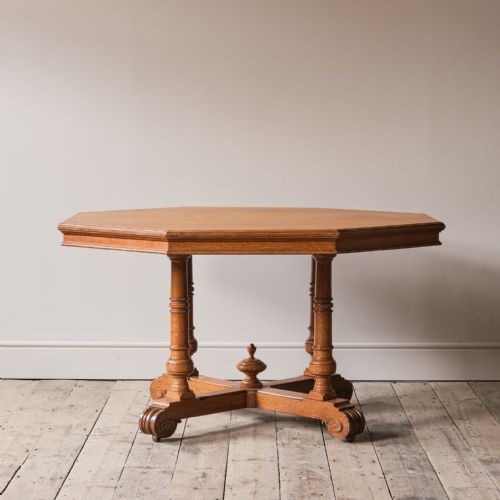
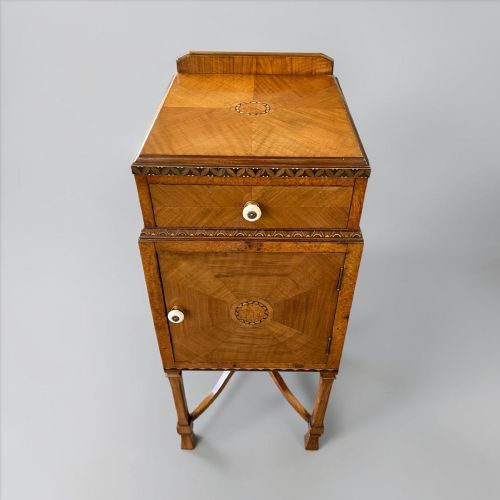
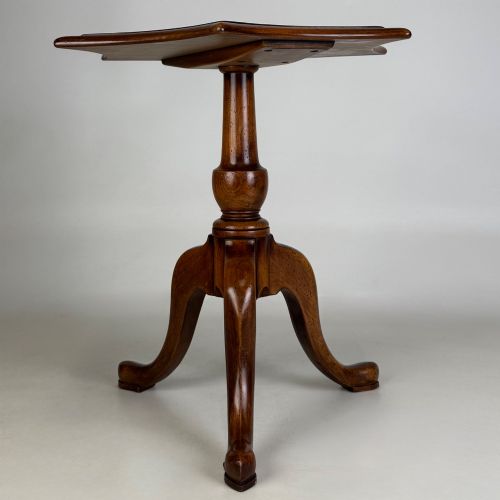
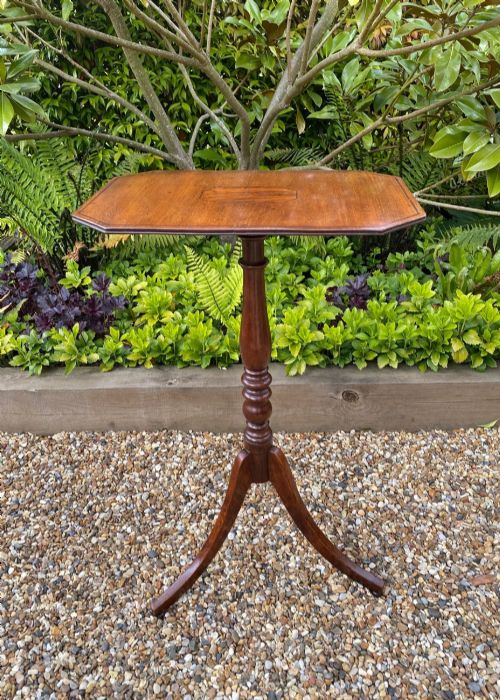
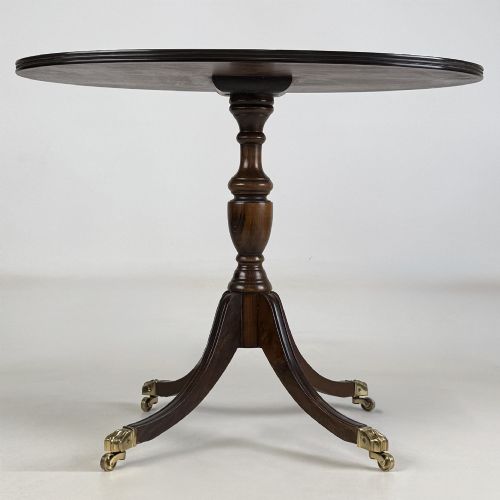
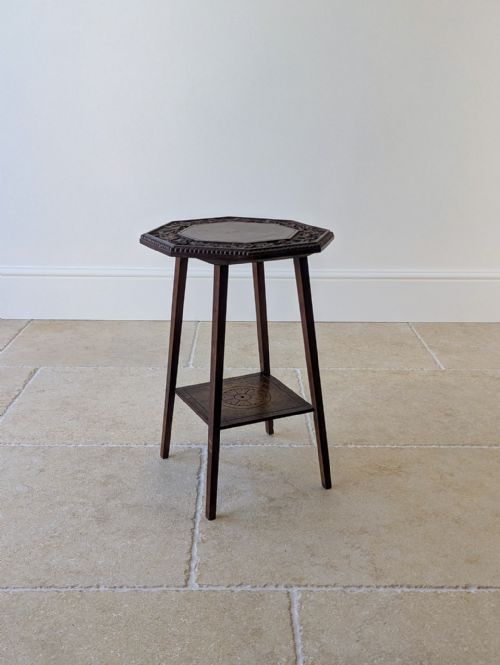
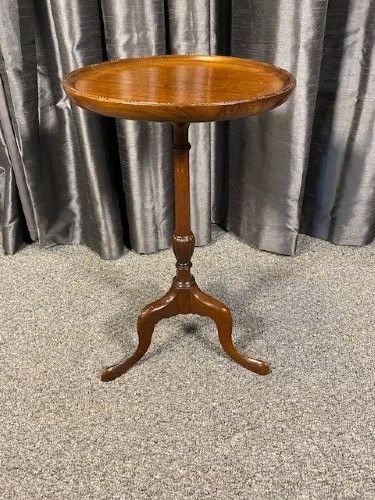
When buyers search for an antique wooden pedestal lamp, they encounter functional timber tables and column stands adapted for lighting across several centuries. The pieces on this page span the eighteenth century, the Regency era, the Victorian period, and the nineteen-thirties, manifesting as occasional tables, wine tables, and tall lamp bases.
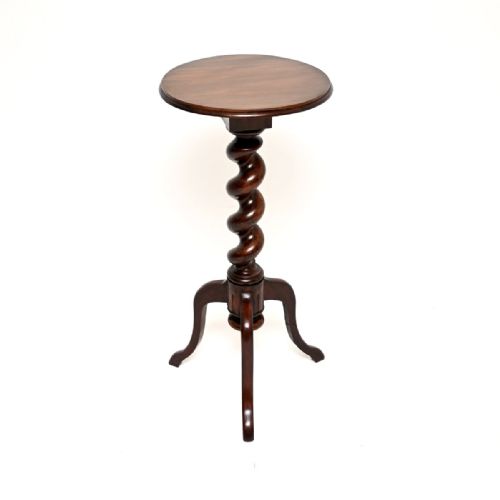
Most examples function simultaneously as small display surfaces and structural supports, utilising central shafts or tripod legs rather than four standard corner posts. Formats range from circular tilt-top tripod tables in mahogany to octagonal oak centres and carved continental wooden pillars.
Materials and construction methods
Cabinetmakers constructed these pieces using dense hardwoods such as mahogany, walnut, oak, and satinwood, frequently selecting burr veneers to create figured table tops. Joinery methods include traditional turned pedestals, tripod leg assemblies, and occasional brass fittings or inlaid stringing.
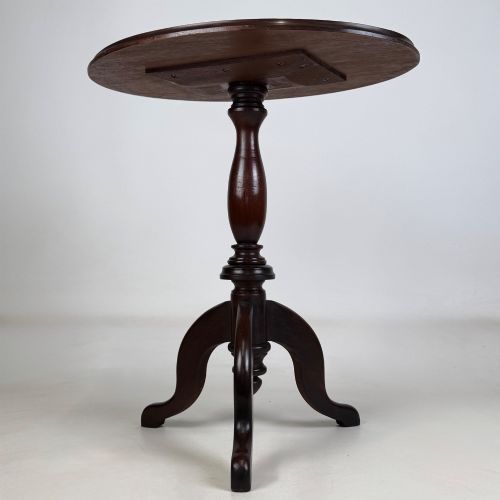
Surfaces receive various traditional finishes, spanning clear polish to highlight the natural wood grain, dark ebonising, paintwork, and Chinoiserie lacquer. Structural elements often feature carved details, barley twist columns, or tilt-top mechanisms designed to pivot on a central pillar.
Some nineteenth-century makers doubled their output by designing sewing tables that quietly accepted lamps on top while storing threads below.
Factors of craftsmanship and distinction
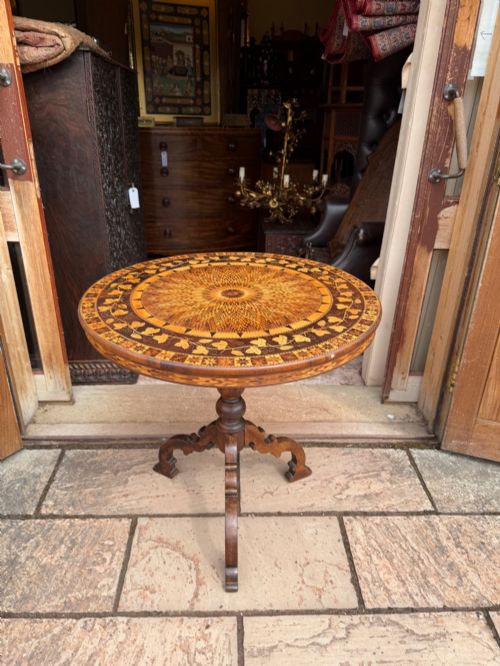
Distinctions in quality rest upon the selection of timber, the precision of the turning on the central pedestal, and the integrity of the joinery connecting the column to the base and top. Superior examples display carefully matched burr walnut or mahogany veneers and intricate inlays rather than plain or uniform boards.
Proportion and stability dictate execution value, where a well-balanced tripod or pedestal base supports the upper surface without wobble. The finesse of hand-carved decorative elements, such as fluted columns or shaped tripod legs, separates standard workshop production from finer cabinet work.
Gillows·Druce & Co London·WMF
The Antique Wooden Pedestal Lamp Glossary
- Tilt-top
- A table mechanism allowing the surface to pivot into a vertical position when not in use. This clever design enabled furniture to sit flat against a wall to save space.
- Tripod base
- A three-legged support structure commonly found beneath central pillars. This configuration ensures stable contact on uneven historical floors.
- Barley twist
- A spiral turning technique cut into wooden columns or table legs. This decorative form gained widespread popularity during the seventeenth and Edwardian periods.
- Occasional table
- A small, movable table designed for specific, intermittent use within a room. These versatile pieces frequently double as lamp stands or side surfaces.
- Inlay
- Contrasting materials embedded into the surface of a piece to create decorative patterns. Cabinetmakers utilised woods like satinwood or brass to achieve these visual details.
Antique Wooden Pedestal Lamp: Frequently Asked Questions
What is an antique wooden pedestal lamp?
An antique wooden pedestal lamp refers to historical timber tables and column structures utilised to hold lighting fixtures. These pieces typically feature a central shaft resting on a stable base.
Such items include wine tables, occasional tables, and carved floor pillars originating from periods like the Victorian era and the twentieth century.
How do I date an antique wooden pedestal lamp?
Dating relies upon observing the wood types, construction methods, and stylistic indicators present in the design. Pieces from the eighteenth century often display simpler tripod proportions, while Victorian examples frequently incorporate heavy walnut turnings.
Secondary clues include the type of finish, hardware, and specific cabinet-making traits associated with Edwardian or Art Deco periods.
Where should I place a pedestal table lamp?
These pieces suit corners, beside seating arrangements, or alongside beds where surface area is limited. Their narrow footprint allows them to occupy tight spaces while providing steady elevation for a light source.
Consider matching the timber tone, such as mahogany or oak, with existing furniture in the room to maintain a cohesive appearance.
Are tilt-top tables stable enough for lamps?
Tilt-top tables utilise a catch mechanism beneath the surface to lock the top flat against the central pedestal. When the catch is secure, the solid wooden construction provides reliable support for table lamps.
Users should check that the pivot mechanism and underlying tripod legs remain firmly adjusted to ensure steady placement.