
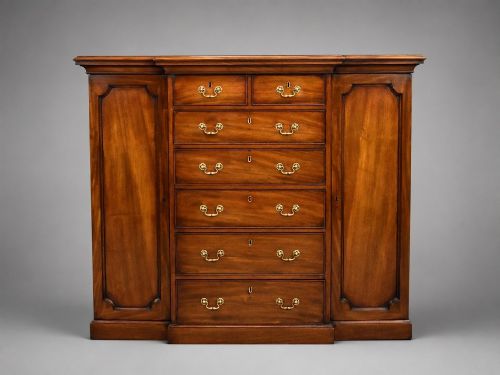
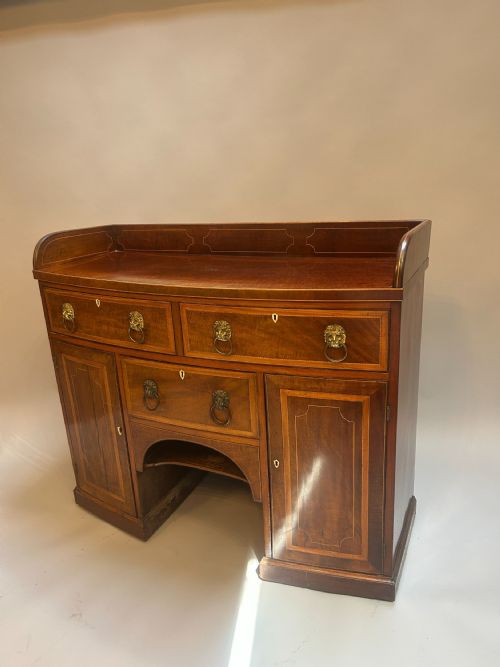
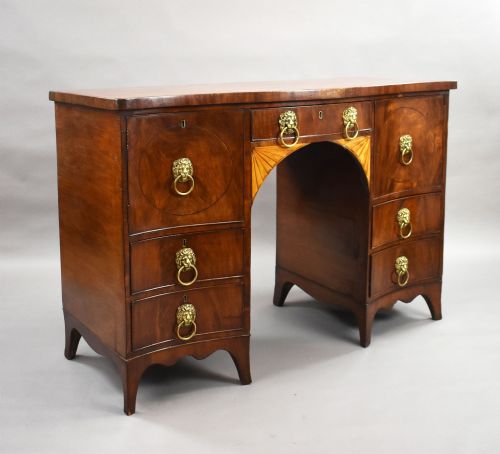

Antique Wooden Pedestal Credenza
An antique wooden pedestal credenza represents a substantial dining room furnishing that provides generous storage alongside a commanding architectural presence.
Antique Wooden Pedestal Credenza
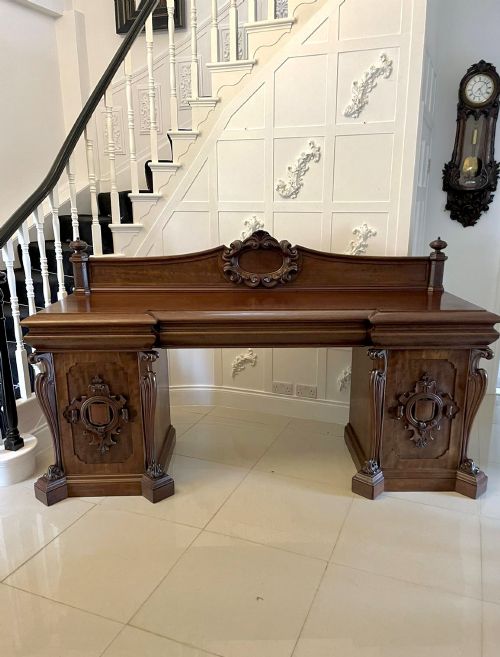
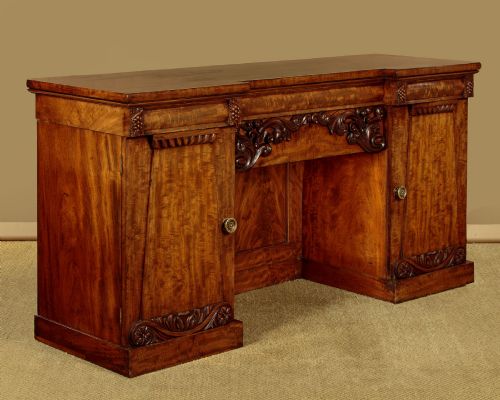
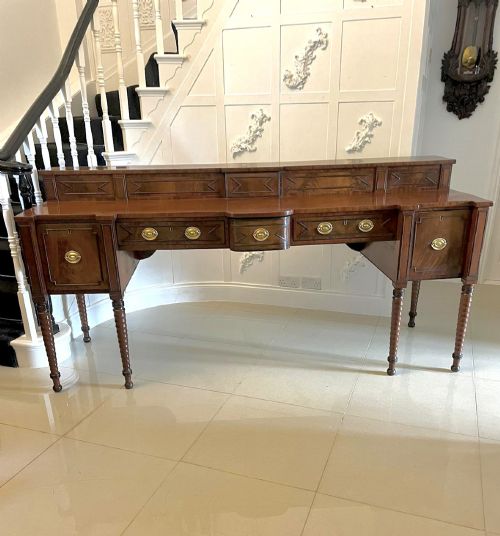
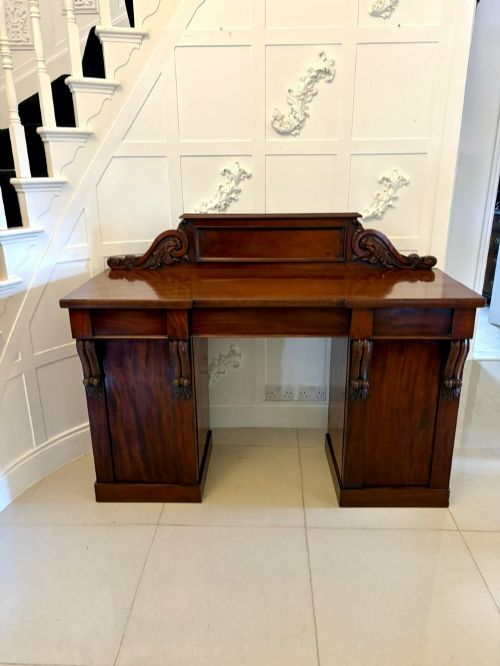
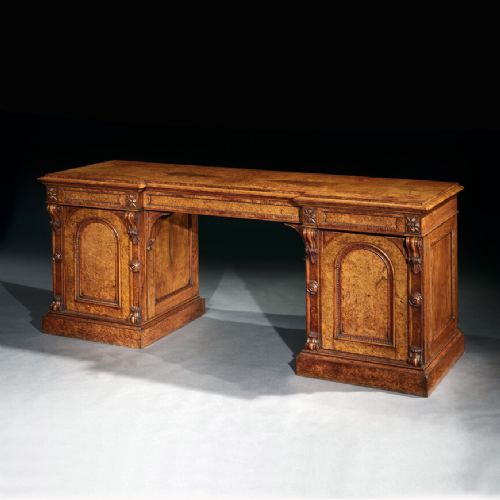
When you examine an antique wooden pedestal credenza, you are looking at large dining room storage furniture designed to hold silver, linen, and glassware. These pieces typically take the form of heavy sideboards, chiffoniers, and side cabinets featuring flanking pedestals or cupboards beneath a long top surface.
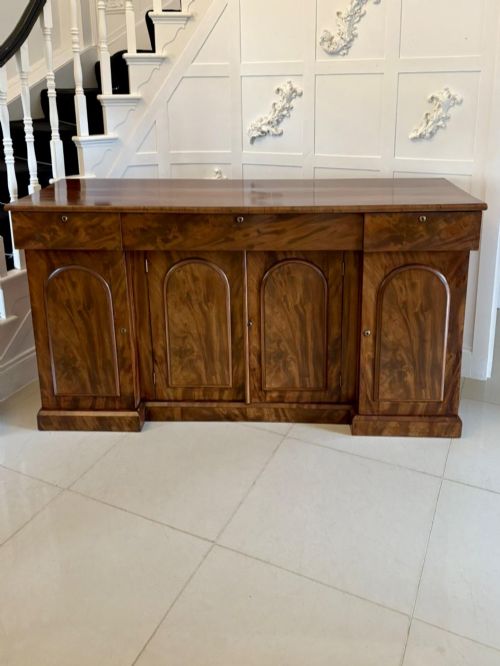
The versions you are most likely to meet on this page hail from the Georgian, Regency, William IV, and Victorian periods. They draw upon 19th-century cabinet-making traditions, appearing predominantly in mahogany, flame mahogany veneer, and occasionally oak or padouk.
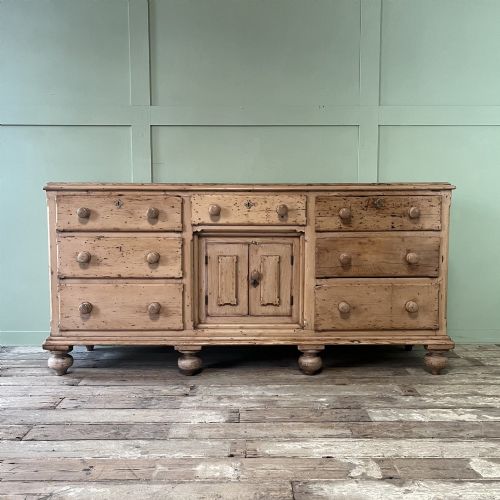
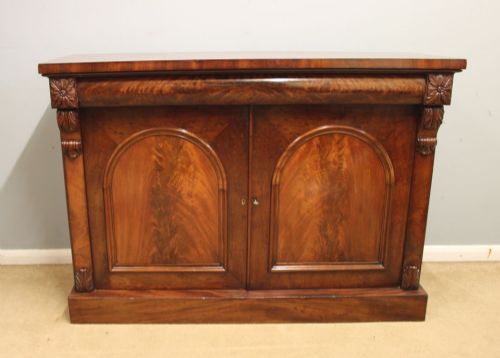
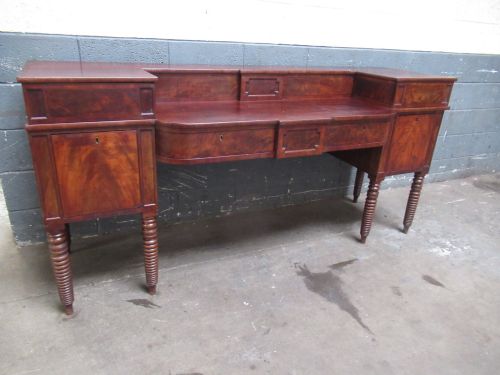
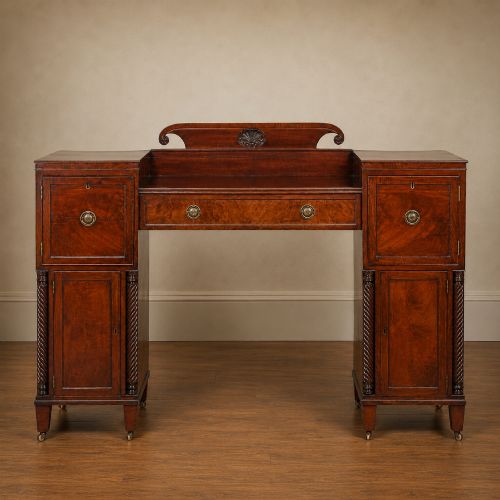
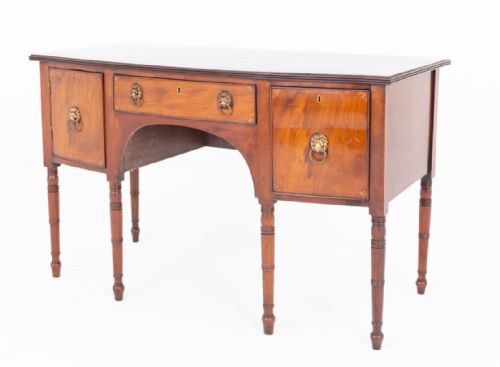
Form follows function across these items, ranging from simple three-door cupboards to elaborate breakfront designs with brass galleries and mirror backs. They serve as both practical storage units and focal points within formal dining spaces.
Factors of quality
Quality rests heavily on the selection of timber, distinguishing simple utility pieces from those utilising highly figured flame mahogany veneer or exotic woods like goncalo alves. The depth and crispness of hand carving on the pedestals and backsplashes also signal the skill invested in the piece.
Proportion and scale dictate the desirability of these large furnishings, with exceptionally small or notably grand proportions commanding attention. Furthermore, the integration of original brass hardware and intricate inlay work elevates the refinement of the construction.
Some pedestal sideboards feature hidden cellarette drawers designed specifically to keep wine bottles cool on ice.
Gillows
The Antique Wooden Pedestal Credenza Glossary
- Pedestal
- A structural support or cupboard base flanking the central section of a sideboard. These form the distinctive dual towers characteristic of the phrase.
- Flame mahogany veneer
- A thin slice of wood timber cut from the fork of the mahogany tree to produce a rippling, flame-like pattern. Cabinet-makers applied this to drawer fronts and doors for visual impact.
- Breakfront
- A cabinet design where the central section projects forward from the flanking pedestals. This configuration creates architectural depth across the front facade.
- Brass gallery
- A low decorative metal rail fitted along the rear top edge of a sideboard. It prevented serving dishes from sliding off during use.
- Chiffonier
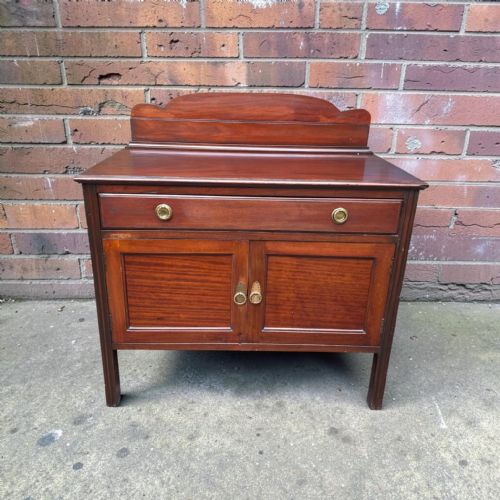
- A compact sideboard or low cabinet equipped with drawers and enclosed shelving. These items often feature mirror backs or simple raised upstands.
Antique Wooden Pedestal Credenza: Frequently Asked Questions
What rooms suit an antique wooden pedestal credenza?
These substantial pieces fit naturally into traditional dining rooms where they function as serving surfaces and storage for tableware. Their architectural proportions also allow them to anchor large hallways or spacious living areas.
Because they offer deep cupboards and drawers, they keep clutter hidden while providing a wide top surface for display. Pairing one with a large mirror or painting completes the traditional arrangement.
How do I distinguish Regency from Victorian examples?
Regency pieces lean towards classical restraint, featuring clean architectural lines, brass inlay, and restrained classical mahogany veneers. They reflect an aesthetic inspired by ancient Roman and Greek design.
Victorian items often display heavier carving, darker finishes, and more robust proportions. They frequently incorporate mirror backs, breakfront shapes, and elaborate scrolling details on the pedestals.
What is the difference between a sideboard and a credenza?
While the terms often overlap in trade, traditional sideboards focus on flat serving surfaces with cupboards and drawers beneath. Credenza-style pieces often emphasise enclosed cabinet space across the front facade.
Many 19th-century British examples bridge these categories, offering pedestal storage paired with a long top surface intended for dining service.
How should I care for flame mahogany veneer?
Keep these surfaces away from direct sunlight and heat sources to prevent the wood from drying out and the veneer from lifting. Regular dusting with a soft, dry cloth preserves the polished finish.
Apply a quality beeswax periodically to nourish the timber and maintain the natural lustre of the figured grain. Avoid silicone-based polishes which can damage antique finishes.