

Antique Wooden Panel Chair
An antique wooden panel chair carries the heavy timber construction and rigid backrests of centuries past, offering a commanding presence for any hallway or study.
Antique Wooden Panel Chair
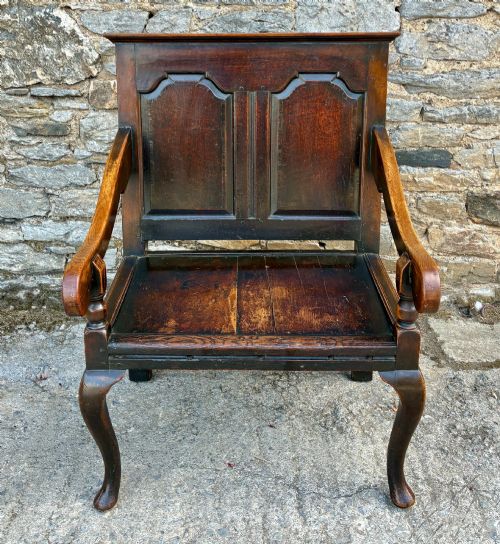
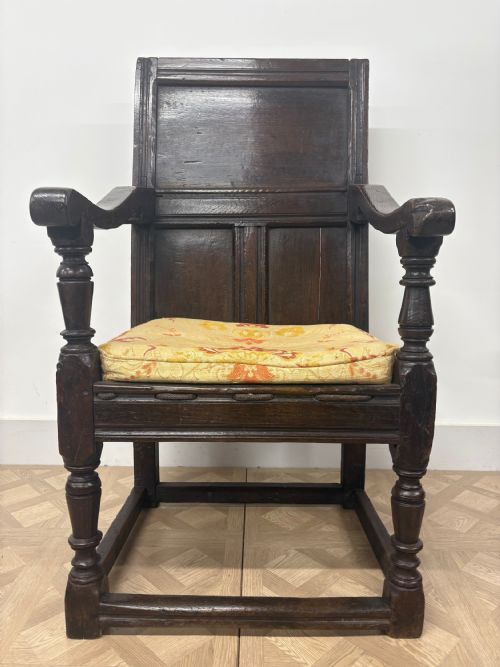
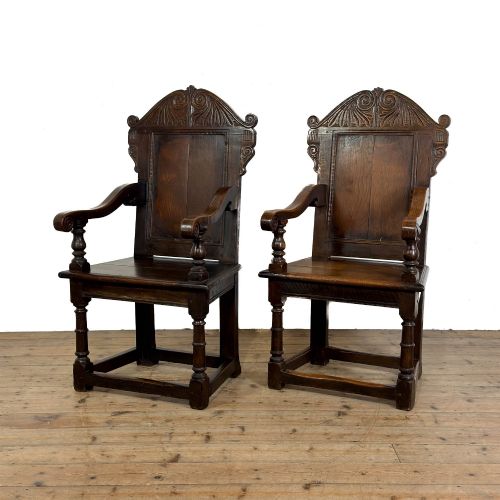
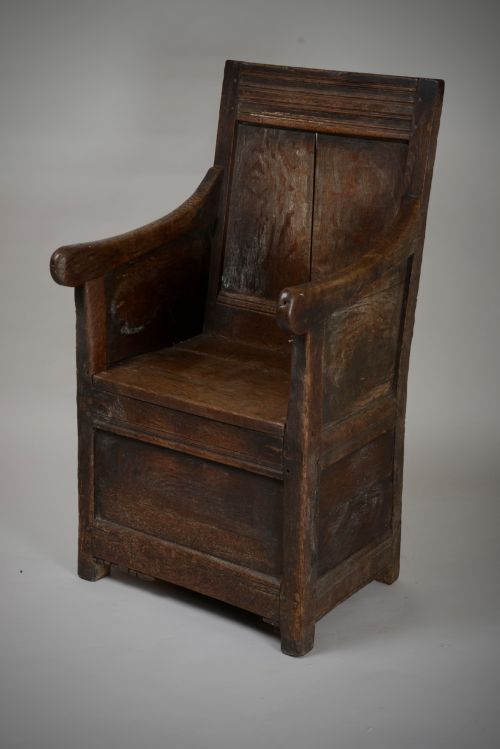
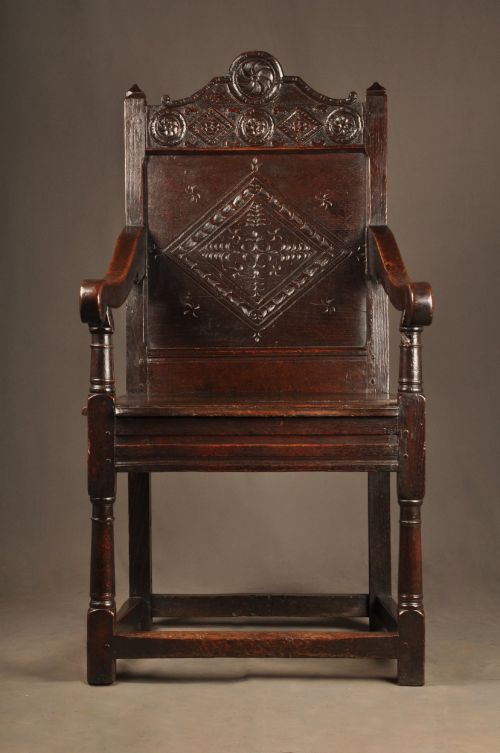
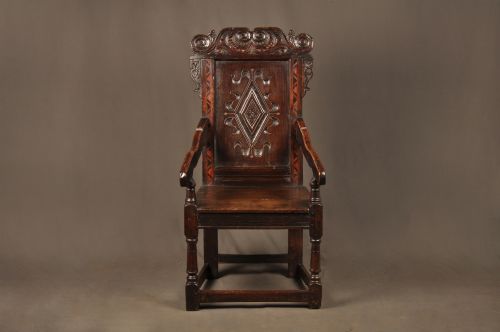
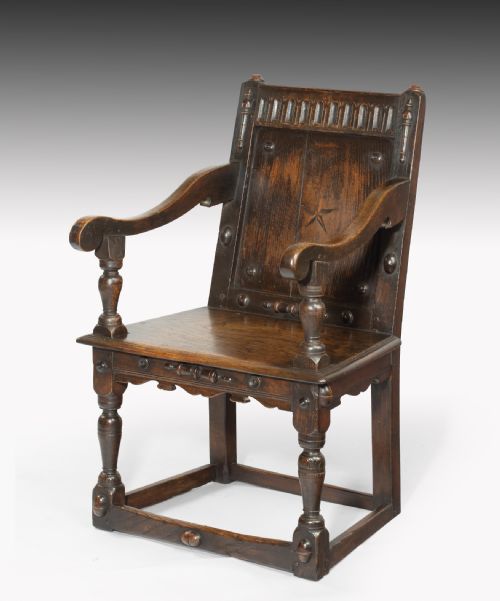
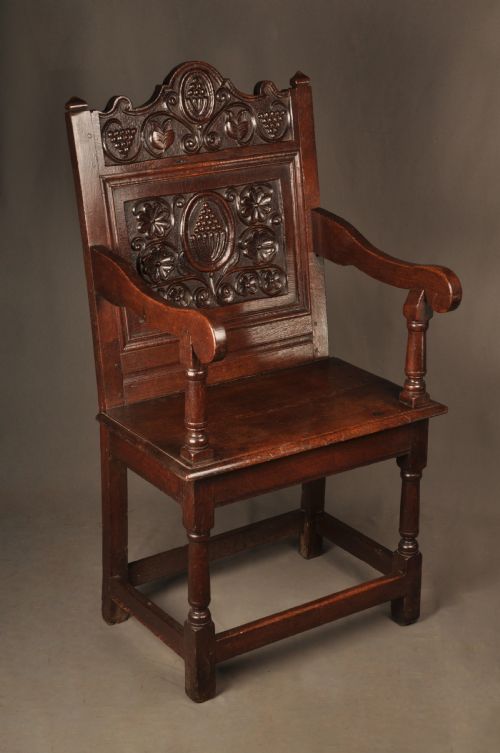
When searching for an antique wooden panel chair, buyers encounter robust seating forms built primarily from solid oak during the sixteenth, seventeenth, and eighteenth centuries. These pieces typically manifest as wainscot armchairs, side chairs, and box chairs featuring solid wooden panels in the backrest rather than upholstered cushions or spindle turnings.
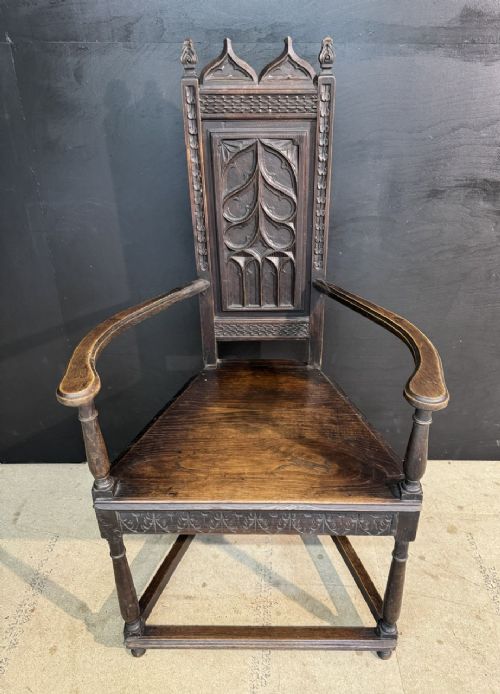
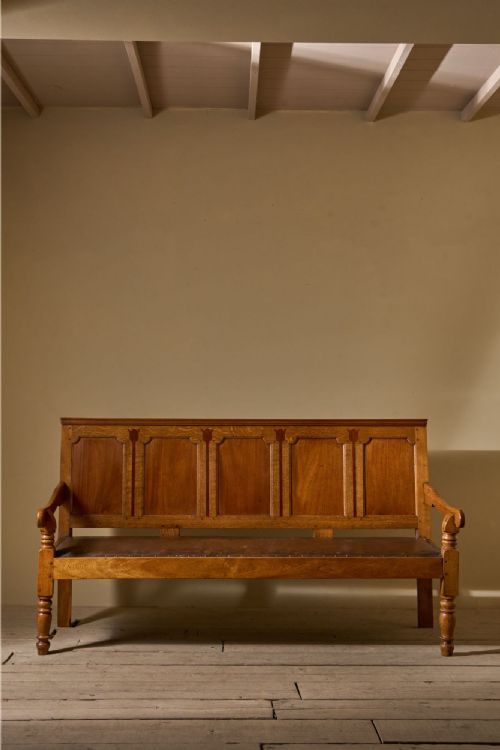
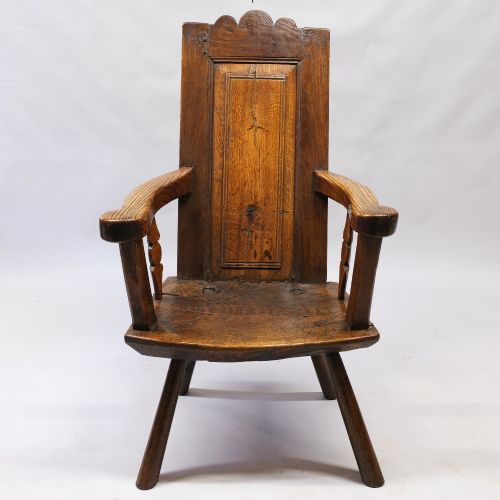
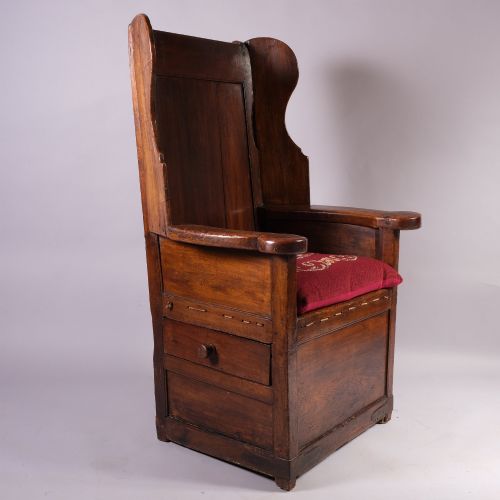
The selection on this page ranges widely from early seventeenth-century Lancashire and Yorkshire wainscot examples to later nineteenth-century revivals and regional country forms such as lambing chairs and settles. Oak remains the predominant material across these historical periods, though walnut, mahogany, and mixed hardwoods appear in later nineteenth-century pieces alongside French and Chinese regional variations.
Materials and construction methods
Cabinet makers constructed these seats using heavy solid timber, predominantly oak, relying on mortise and tenon joints secured with wooden pegs. The defining panel back consisted of a thin board fitted into a grooved frame, allowing the wood to expand and contract naturally with humidity changes.
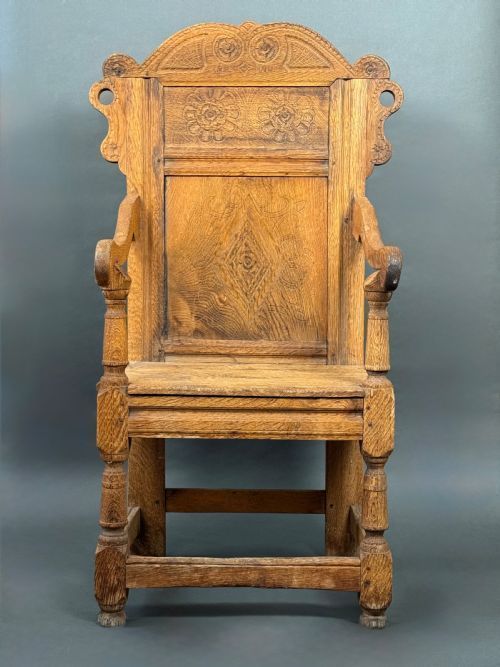
Decoration on these chairs relied on hand carving rather than applied veneers. Craftsmen utilised gouges and chisels to apply strapwork, scrolling foliage, and geometric patterns directly onto the solid wooden panels and crest rails.
Listings on this site feature oak as the dominant material across sixteenth, seventeenth, and eighteenth-century panel chairs.
Distinctions in craftsmanship and survival
Quality in these early seats rests upon the integrity of the original timber and the extent of subsequent timber replacement. Pieces that retain their original pegged joinery, unreduced height, and genuine surface patina command greater interest than those heavily restored with modern replacement boards.
The crispness and depth of the hand carving also separate standard regional pieces from superior workshop examples. Bold, deeply undercut relief work on the crest rails and panel faces indicates a more accomplished hand than shallow, mechanical incisions.
Liberty and Co
The Antique Wooden Panel Chair Glossary
- Wainscot
- A heavy wooden armchair of sixteenth or seventeenth-century origin, characterised by a solid panel back and panelled seat base. The term originally referred to fine imported oak boards used for panelling walls.
- Settle
- A wooden bench featuring a high solid back, solid arms, and often a storage compartment beneath the seat. This form provided draught protection in large, cold halls.
- Lambing chair
- A vernacular country armchair featuring a high winged back and enclosed sides designed to block cold draughts. These pieces frequently incorporate solid panel construction or wickerwork.
- Joint stool
- A low wooden stool or single seat constructed with mortise and tenon joints using a pegged frame. The technique shares direct carpentry methods with early panel-backed chairs.
- Box chair
- An early seating form incorporating a box base beneath the seat for storage. The construction relies on solid wooden panels forming both the lower storage compartment and the backrest.
Antique Wooden Panel Chair: Frequently Asked Questions
What is an antique wooden panel chair?
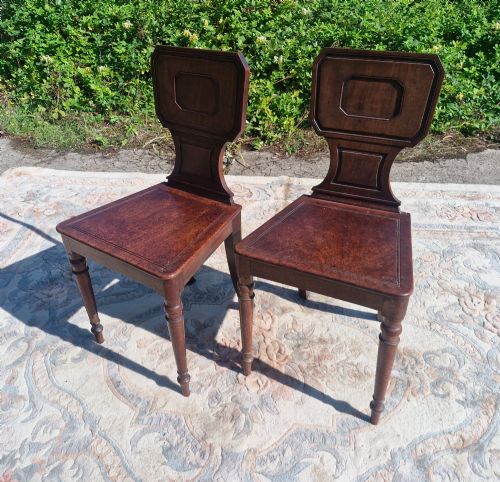
An antique wooden panel chair is a rigid-backed seat constructed from solid timber, most commonly oak, featuring flat wooden panels in the backrest instead of upholstery. These sturdy seats date from the sixteenth century onward and include wainscot chairs, hall chairs, and regional vernacular seating.
Such chairs served as principal seats of authority in early households before the widespread adoption of upholstered furniture. Their heavy wooden construction ensured longevity, allowing many examples to survive in daily use for centuries.
How do I date an antique wainscot chair?
Dating relies on examining the construction methods, joint types, wood species, and decorative carving styles present on the piece. Seventeenth-century examples typically show pegged mortise and tenon joints in native oak alongside strapwork or geometric panel carving.
Later nineteenth-century revival pieces often display machine-cut timber marks, tighter grain patterns from imported woods, or stylistic borrowing from Jacobean and Elizabethan models. Comparing the wear patterns and surface patination further helps determine age.
Where were these chairs used historically?
These rigid seats historically occupied the principal rooms of manor houses, farmhouses, and civic halls. Wainscot armchairs often sat at the head of a long dining table or beside the hearth as a seat for the head of the household.
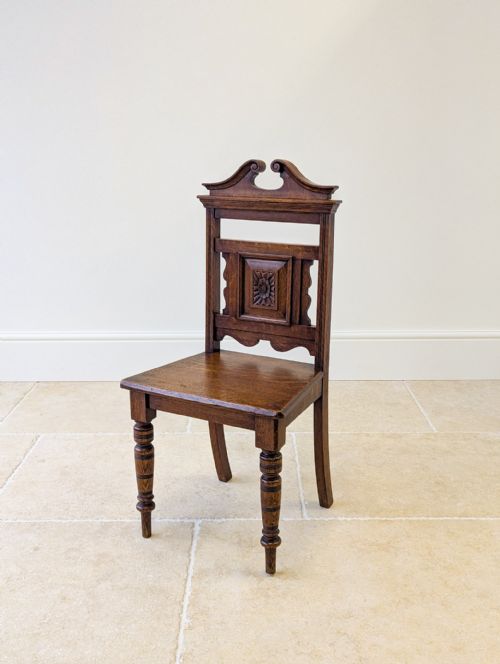
Later variations such as hall chairs and benches stood in entrance passages for guests or servants. Their unyielding wooden construction made them durable choices for high-traffic entryways and damp environments.
How should I care for an antique panel chair?
Maintenance involves keeping the timber away from direct heat sources and sudden humidity fluctuations to prevent the solid panels from splitting. Applying a traditional beeswax polish periodically helps nourish the dry wood and maintain the surface sheen.
Avoid using modern silicone-based sprays, which can degrade the historic polish and accumulate in carved recesses. Regular dusting with a soft, dry cloth is sufficient for daily upkeep.