



Antique Wooden Needlework Table
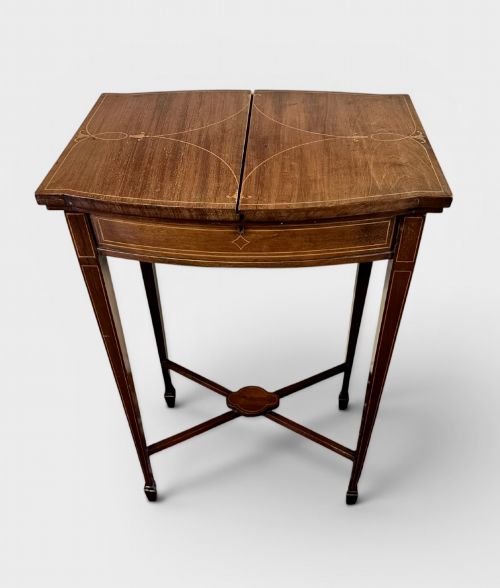
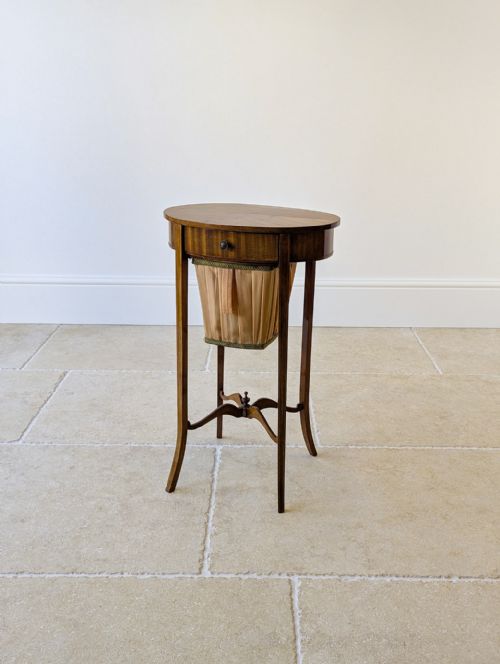
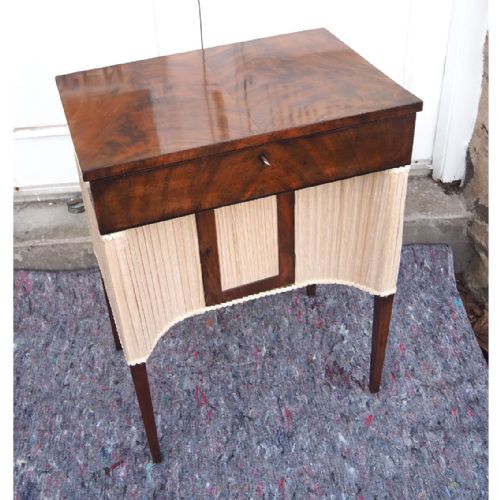
An antique wooden needlework table brings practical elegance to a room, offering compartments for sewing alongside a refined surface.
Antique Wooden Needlework Table
The antique wooden needlework table appears primarily across the nineteenth century, spanning the Georgian, Regency, William IV, Victorian, and Edwardian eras. These pieces function as specialised sewing tables, work tables, and occasional side tables, designed to hold threads, fabrics, and small implements.
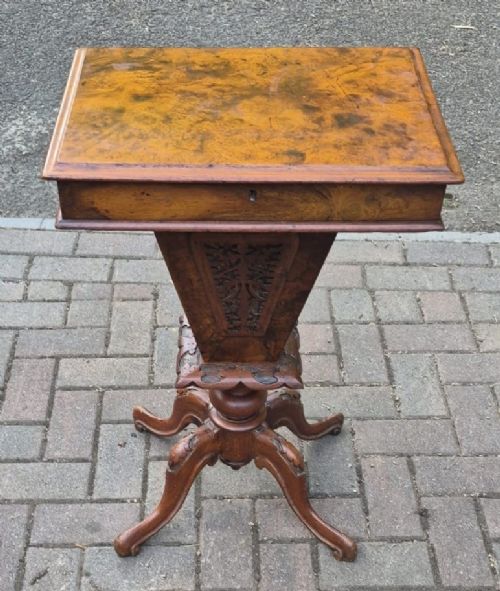
Victorian and burr walnut examples dominate the selection, often featuring fitted interiors beneath the top. Buyers encounter compact forms alongside freestanding varieties, with occasional pieces incorporating game boards or hand-painted decoration.
Materials and construction methods
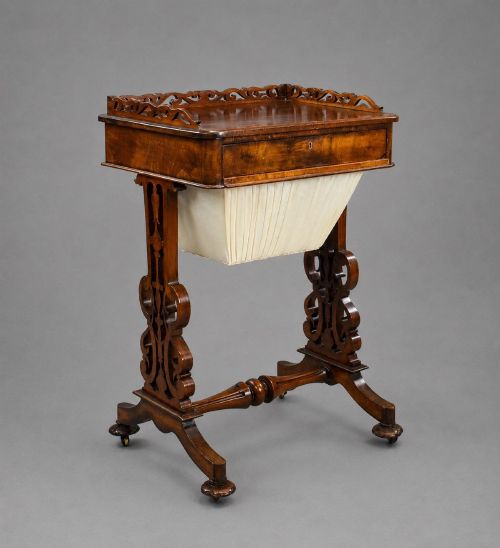
Cabinetmakers utilised dense timbers including mahogany, walnut, burr walnut, satinwood, and rosewood to construct these tables. Wood inlay and brass details frequently decorate the exterior surfaces, adding visual contrast to the figured grain.
Interiors often incorporate fitted compartments for sewing accessories, constructed with small wooden partitions and lidded sections. Turning, carving, and pedestal bases support the upper work boxes across the various stylistic periods.
Materials span mahogany, walnut, burr walnut, rosewood, satinwood, brass, and fabric across multiple historical periods.
Distinctions in craftsmanship and design
Quality rests upon the selection of timber veneers, such as figured mahogany or burr walnut, and the precision of the wood inlay. Superior examples display refined proportions and intact internal fittings rather than basic box structures.
The integrity of the structural joinery and the execution of carved elements separate standard production from exceptional pieces. Attention to detail within the concealed sewing compartments indicates the original maker's skill.
The Antique Wooden Needlework Table Glossary
- Work table
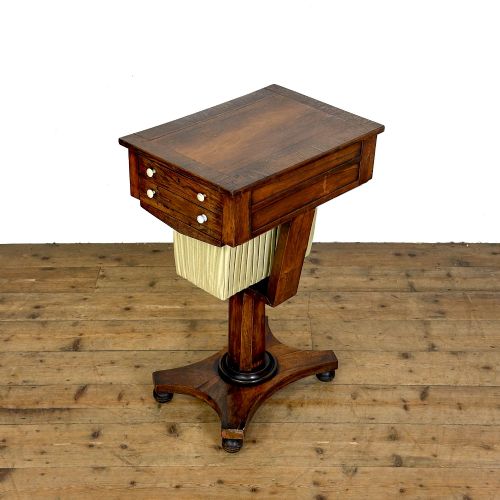
- A small movable table designed specifically for holding sewing equipment and needlework supplies. These pieces typically include an internal compartment or suspended fabric bag.
- Tunbridge ware
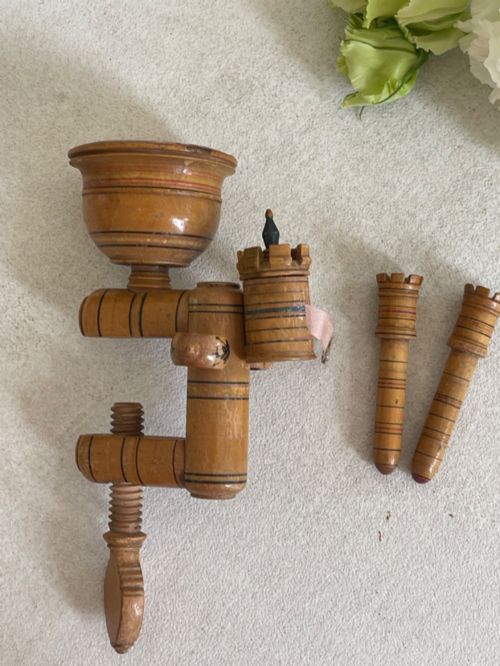
- Small wooden items decorated with microscopic mosaic patterns formed from precisely glued strips of naturally coloured woods. This technique creates geometric or pictorial surface designs.
- Burr walnut
- Timber taken from walnut tree growths, producing highly figured, swirling grain patterns highly valued for decorative furniture veneers. Cabinetmakers used it on prominent exterior surfaces.
- Pedestal table
- A table supported by a central column resting on a platform base or feet rather than four traditional legs. This form appears frequently in Regency and William IV designs.
- Satinwood
- A hard, durable yellowish timber from tropical trees used for fine cabinetwork and inlay. It provides a bright contrast against darker woods like mahogany.
Antique Wooden Needlework Table: Frequently Asked Questions
What is a needlework table?
A needlework table is a specialised piece of furniture designed to house sewing tools, threads, and fabrics. They typically feature a lidded top opening to a fitted interior.
These tables gained popularity as domestic pastimes like embroidery and mending became central to daily life. They double as convenient occasional tables when closed.
How do I date a work table?
Dating relies on identifying the prevailing timber choices, hardware, and structural styles of specific eras. Georgian and Regency pieces favour mahogany with restrained lines, while Victorian examples often showcase burr walnut and heavier proportions.
Edwardian items frequently display lighter satin walnut construction and delicate inlay work. Examining internal construction methods provides further chronological context.
Where were sewing tables placed?
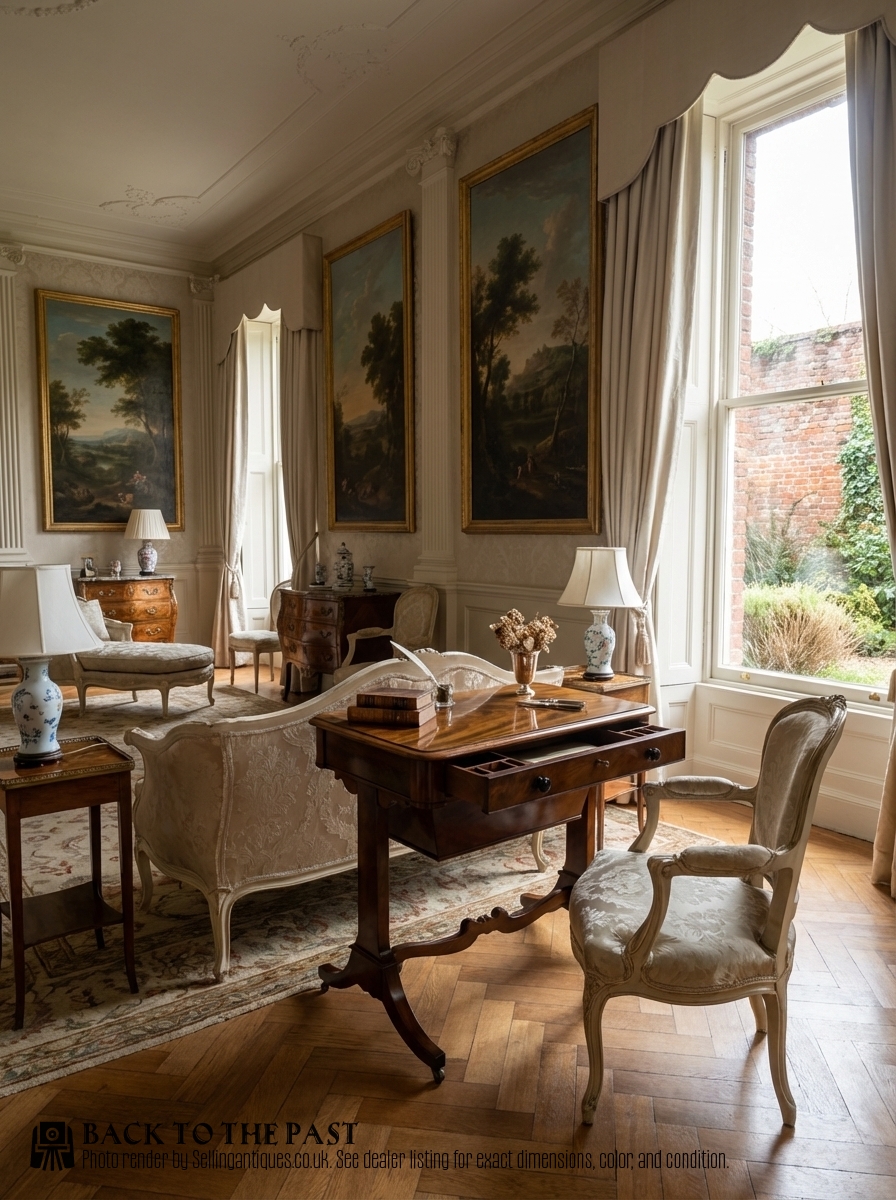
These tables sat primarily in sitting rooms, drawing rooms, and ladies' boudoirs where needlecraft took place. Their portable nature allowed owners to move them close to seating areas.
Today, they function well as side tables next to armchairs or sofas. The interior compartments suit modern storage for small household items.
What woods were used?
Cabinetmakers utilised durable hardwoods capable of taking a fine polish. Mahogany and walnut appear most frequently across the listed periods.
More decorative examples incorporate burr walnut, rosewood, satinwood, and contrasting wood inlay. Brass accents occasionally highlight key structural points.