




Antique Wooden Kitchenalia
Antique wooden kitchenalia brings domestic history to daily life, offering tactile utensils and containers shaped by generations of utilitarian use.
What antique wooden kitchenalia is
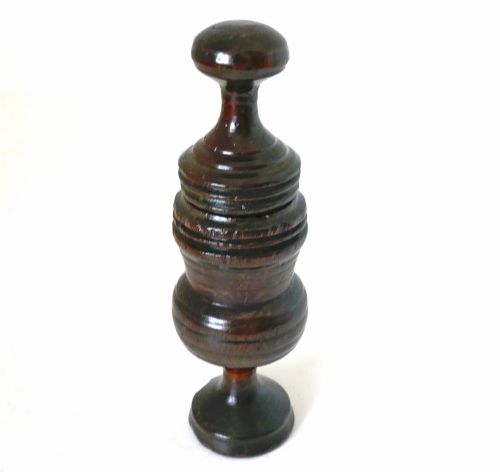
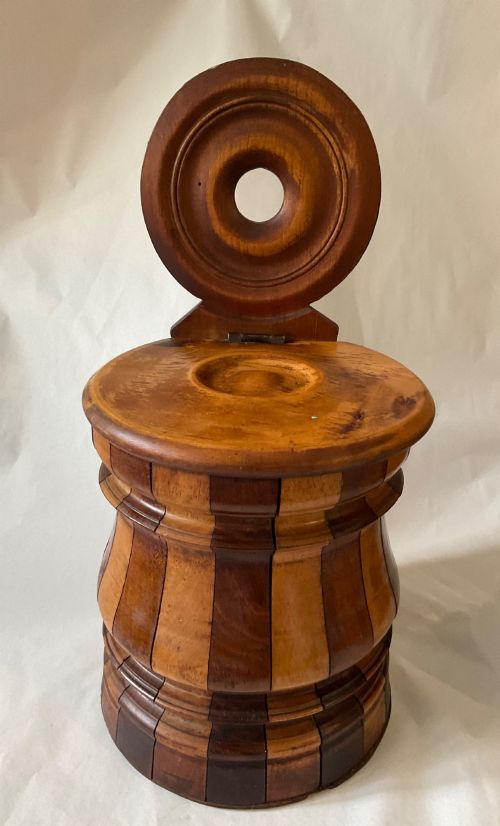
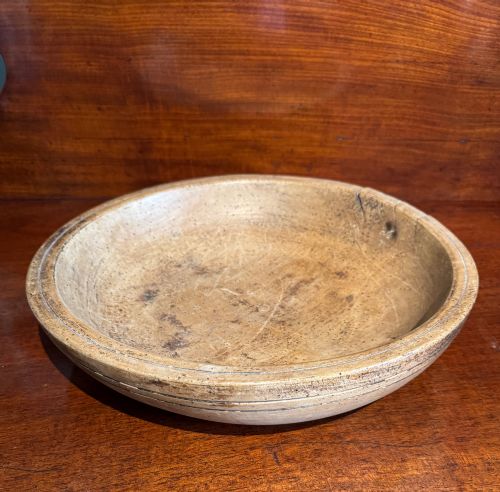
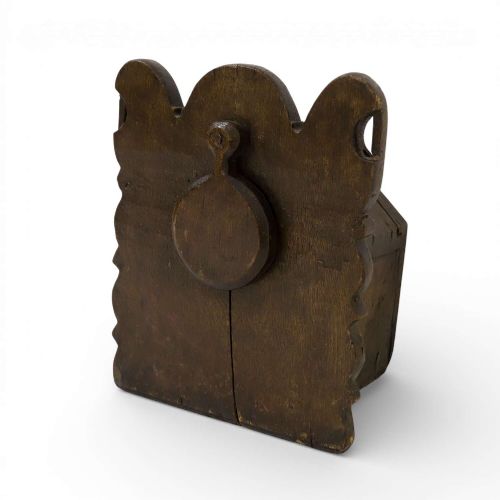
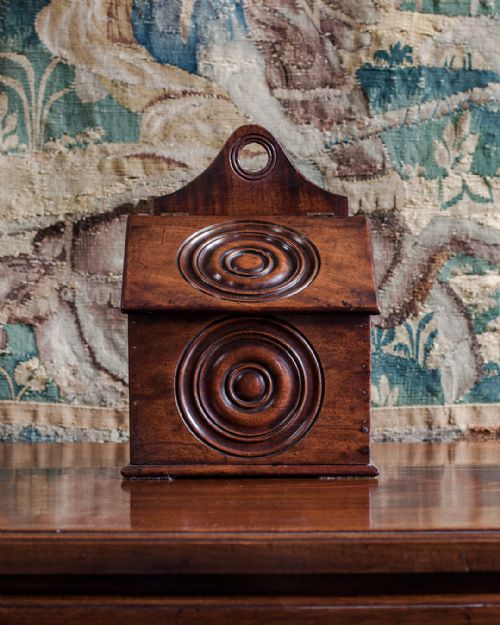
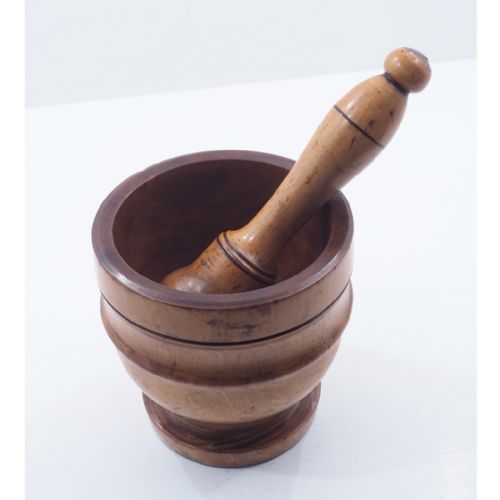
Antique wooden kitchenalia comprises domestic implements and storage items shaped from timber during the nineteenth century, including spice towers, mortar grinders, nutcrackers and gingerbread moulds. These functional objects served everyday culinary purposes in domestic kitchens before mass production replaced hand-carved and turned utensils.
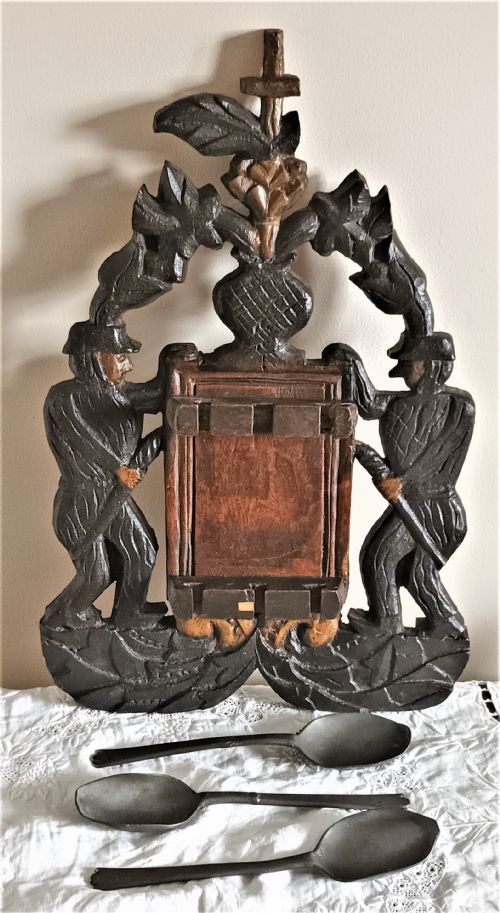
Buyers browsing this selection will most frequently encounter nineteenth-century treen and carved pieces, encompassing traditional utility items alongside decorative folk art and Black Forest work. The range spans simple turned hardwood containers to sculptural nutcrackers depicting figures such as a fist and large gingerbread moulds featuring men on horseback.
How they were made
Craftsmen shaped these items using beech, fruitwood, and various mixed hardwoods, selecting dense timbers capable of enduring constant kitchen wear. Turning on a lathe created symmetrical vessels and spice towers, while chisels and gouges yielded detailed sculptural forms.
Carving and turning techniques defined the production of nineteenth-century utility ware, relying on hand tools to carve functional cavities and decorative motifs. Gingerbread moulds utilised precise relief carving to transfer clean patterns onto dough, and Black Forest nutcrackers depended on skilful hand-carving for expressive figurative details.
Retail Price Guide 2026
Typical UK retail prices for wooden kitchenalia, calculated from the Sellingantiques database of over a million retail prices indexed since 2003. This retail price guide relies exclusively on Sellingantiques data; no external sources or auction records are used, so the figures do not describe the wider market.
What varies in quality
Quality in these utilitarian objects rests upon the crispness of the carving and the fidelity of the turned form, distinguishing standard workshop output from finer sculptural examples. A well-preserved spice tower or an expressive fist nutcracker demonstrates superior artistic ambition compared to plain utility pieces.
The choice of timber and the survival of the original surface patina dictate the aesthetic standing of each piece, with dense hardwoods showing sharper tool marks over time. Wear patterns should look consistent with domestic use, revealing the organic integration of material and function.
The Antique Wooden Kitchenalia Glossary
- Treen
- Small, functional wooden household objects made before the era of plastic and mass manufacturing. These items include domestic utensils, small containers and treen spice towers shaped by turning or carving.
- Kitchenalia
- Utilitarian equipment and implements formerly used in the preparation and storage of food. This category covers nineteenth-century spice mortar grinders and gingerbread moulds.
- Black Forest
- A nineteenth-century wood-carving style originating in the wooded mountain region of central Europe. Pieces in this tradition often depict realistic animal and human forms, such as carved fists.
- Spice Tower
- A tiered wooden container designed to hold various culinary spices in separate stacked sections. These turned treen vessels kept flavourings organised in nineteenth-century kitchens.
Frequently Asked Questions
What is antique wooden kitchenalia?
Antique wooden kitchenalia refers to utilitarian objects and utensils made from timber for domestic food preparation and storage during the nineteenth century.
These pieces include spice containers, mortar grinders, nutcrackers and gingerbread moulds shaped by traditional turning and carving methods.
How were spice towers used?
Spice towers functioned as stacked storage vessels that kept multiple culinary powders separated within a single vertical treen structure.
Their tiered design allowed cooks to access different flavours efficiently in nineteenth-century kitchens while saving valuable workspace.
How do I identify Black Forest carvings?
Black Forest carvings are distinguished by their detailed figurative or animal motifs executed in dense hardwood with a dark, rich patina.
Items like the nineteenth-century fist nutcracker reflect the expressive hand-carved artistry typical of this regional European tradition.
What is treen?
Treen encompasses small, useful items fashioned from wood, ranging from tableware to domestic storage vessels.
These turned and carved pieces display the natural grain of hardwoods like beech and fruitwood from centuries past.