
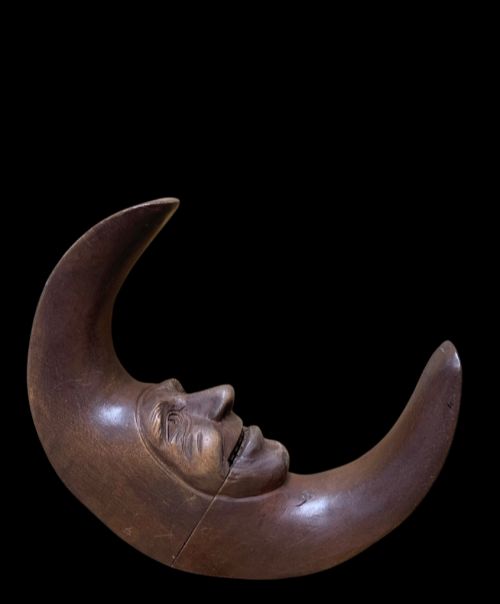


Victorian Nut Crackers
Victorian nut crackers are tactile domestic tools that bring carved character and polished metal to the dining table.
Victorian Nut Crackers
When you search for Victorian nut crackers, you encounter a distinct blend of functional tableware and whimsical folk art spanning the nineteenth and early twentieth centuries. The selection ranges from carved hardwood figures to cast brass levers and silver plated cutlery sets.
You are most likely to meet carved walnut Black Forest pieces depicting clenched fists or animal heads, alongside traditional hinged metal designs and fitted presentation boxes. These objects reflect the Victorian appetite for both decorative novelty and practical dining accessories.
Materials and construction
Woods such as walnut and dark hardwood form the basis of the carved Black Forest and treen examples, shaped with hand tools to create expressive figural details. Artisans utilised natural grain and deep relief carving to bring subjects like the man in the moon or animal heads to life.
Metal versions rely on cast brass and silver plate, sometimes accompanied by velvet linings in fitted presentation cases. These pieces combine durable functional mechanics with decorative engraving and family crests.
Several wooden examples take the surprisingly aggressive form of a tightly clenched human fist ready to crush a walnut.
Assessing craftsmanship and finish
Boxed presentation sets gain distinction from complete matching components, intact interior linings and clear maker marks on the silver plate. Inferior versions show blunt casting, heavy field repairs or lost elements from the original service.
Walker and Hall
The Victorian Nut Crackers Glossary
- Black Forest
- A style of wood carving originating from the mountain region of central Europe, known for realistic animal and figural motifs. Pieces often utilise walnut and depict subjects like bears or clenched fists.
- Treen
- Small handmade wooden objects for domestic use, shaped by turning or carving. These items range from simple kitchen implements to novelty containers and decorative tools.
- Silver plate
- A base metal coated with a thin layer of silver, commonly utilised for nineteenth-century tableware and cutlery sets. This technique offered the appearance of solid silver at a lower cost.
- Novelty
- An object designed in an amusing or unusual shape, departing from standard utilitarian forms. Victorian makers frequently applied this playful approach to everyday dining accessories.
Victorian Nut Crackers: Frequently Asked Questions
How were Victorian nut crackers used?
These tools sat upon the dining table during dessert courses, often accompanied by fruit spoons and grape shears to crack hard shells.
Hosts and guests operated them by hand, using leverage mechanisms or screw actions to open walnuts, hazelnuts and other seasonal nuts.
What is Black Forest wood carving?
Black Forest carving is a distinct style of woodworking that originated in Switzerland and Germany, celebrated for deeply textured naturalistic forms.
Artisans carved walnut and other dense timbers into expressive figures, animals and novelty objects with high tactile appeal.
Are silver plated nut crackers durable?
Silver plate provides a sturdy metal core beneath a protective silver coating, making these pieces robust enough for regular table use.
Careful handling and gentle cleaning preserve the metallic lustre and prevent the underlying base metal from showing through.
How do I date wooden nut crackers?
Dating relies on stylistic clues, tool marks and the specific type of wood or hardware employed in the hinge construction.
Comparative analysis with marked examples and known design periods helps narrow down the decade of manufacture.