

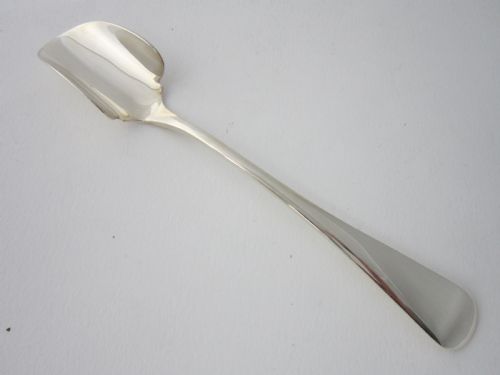


Antique Dining Utensils
These antique dining utensils are historic silver and bone implements for the table, offering genuine period character to elevate formal dining.
Antique Dining Utensils
When buyers search for antique dining utensils, they encounter a specialised range of serving implements and cutlery designed for specific foods. The selections span major historical eras including the Georgian, Victorian, and Edwardian periods.
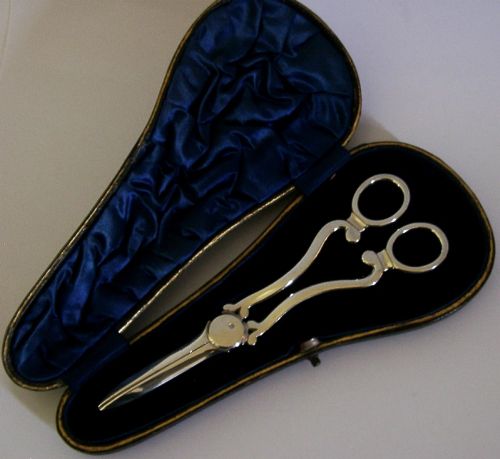
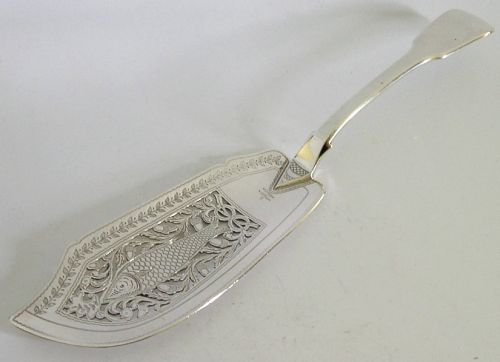
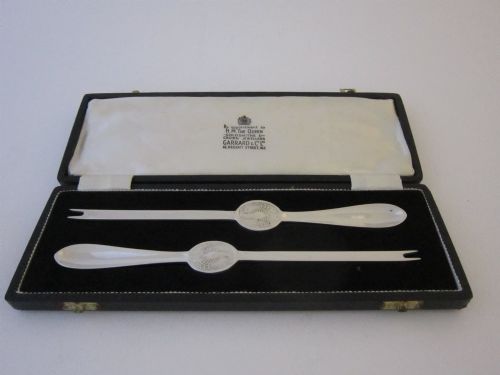
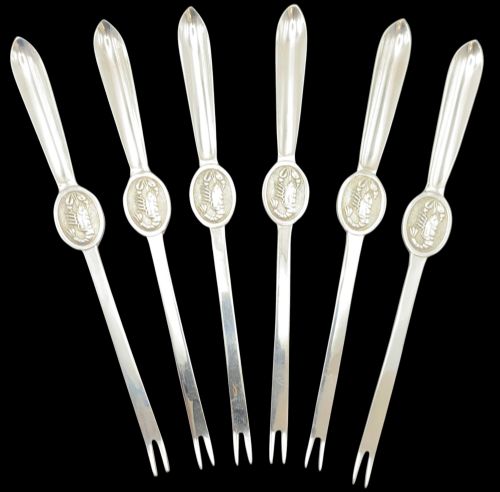
The most common forms on this page include fish servers, marrow scoops, and grape scissors. Alongside these, buyers find lobster picks and serving spoons fashioned from sterling silver and silver plate.
Pieces range from simple bone-handled knives and forks to ornate cast silver grape shears. Each item reflects the dining customs of its specific period, from Georgian marrow scoops to Edwardian serving tongs.
How they were made
Makers utilised sterling silver and silver plate as the primary metals for these utensils, often combining them with organic materials such as bone for handles. Metalworking techniques included casting, piercing, and engraving to produce ornate decorative details.
Specialised items like marrow scoops and fish slices required specific forging methods to achieve their functional shapes. Master silversmiths shaped the metal by hand, incorporating family crests and intricate patterns into the design.
Listings feature sterling silver and silver plate alongside bone, crystal, and velvet materials across the Georgian to Mid-Century Modern periods.
What varies in quality
Quality in these dining implements rests on the weight of the silver and the crispness of any cast or pierced decoration. Pieces featuring solid sterling silver demonstrate higher craftsmanship than standard silver-plated alternatives.
The precision of the maker's marks and the integrity of handles made from bone or crystal indicate the standard of production. Superior examples retain clear hallmarks and balanced proportions that speak to skilled workshop practices.
Jonathan Hayne·Garrard
The Antique Dining Utensils Glossary
- Hallmark
- An official stamp applied to precious metals indicating the standard of purity, the assay office, and the date letter. These marks allow collectors to date sterling silver dining utensils with precision.
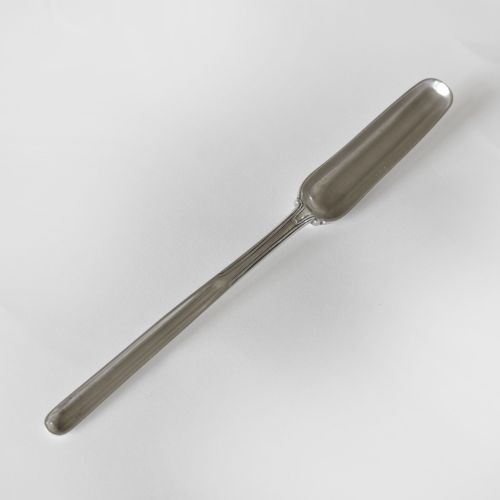
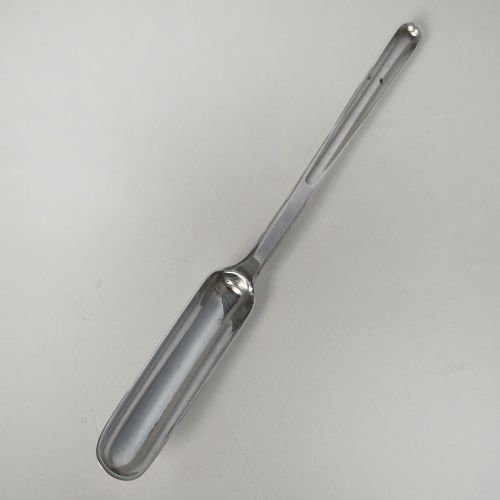
- Marrow scoop
- A narrow, trough-like spoon designed for extracting bone marrow from joints at the table. These double-ended implements date primarily from the Georgian and nineteenth-century periods.
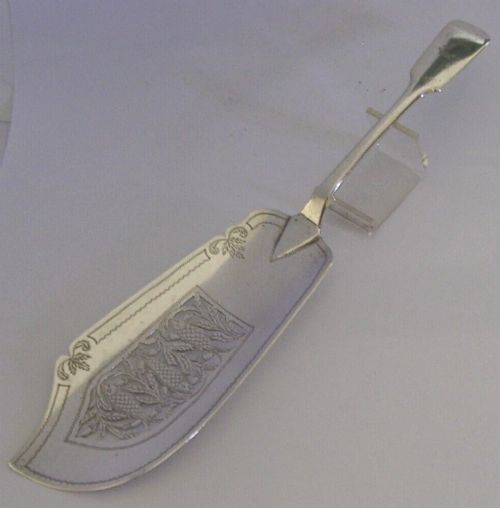
- Fish slice
- A wide, flat serving utensil used for portioning fish at formal dinners. They often feature pierced and engraved blade designs.
- Grape scissors
- Implements specifically engineered for snipping small clusters of fruit from a larger bunch without bruising. They frequently appear in Edwardian and Victorian silver settings.
- Sterling silver
- An alloy consisting of ninety-two point five percent silver and seven point five percent other metals, usually copper. This standard underpins the finest antique cutlery and serving pieces.
Antique Dining Utensils: Frequently Asked Questions
How do I clean silver utensils?
Cleaning antique silver requires a gentle approach using a soft cloth and a specialised silver polish formulated for historic items. Avoid harsh scrubbing that can wear away thin silver plating or damage delicate hallmarks.
Store the pieces in a dry environment away from direct sunlight to prevent tarnishing between uses at formal dinners.
Are silver plated items antique?
Silver-plated dining pieces from the nineteenth and early twentieth centuries qualify as antiques when they reach the required age threshold. Manufacturers applied a thin layer of silver over a base metal using various plating techniques.
These items offer the aesthetic appeal of solid silver while remaining accessible for collectors building traditional table settings.
How do I identify period silver?
Identifying the period of silver utensils involves examining the stamped hallmarks for date letters, maker's marks, and standard purity symbols. Different eras favoured distinct stylistic motifs, from the ornate cast work of the Victorian period to simpler Georgian lines.
Matching the object type, such as grape shears or fish slices, to its historical context further confirms the date of manufacture.