






Brown Wood Spice Box
A brown wood spice box is a compact container designed for holding culinary seasonings, and you want one for its rich timber tones and tactile presence.
Brown Wood Spice Box
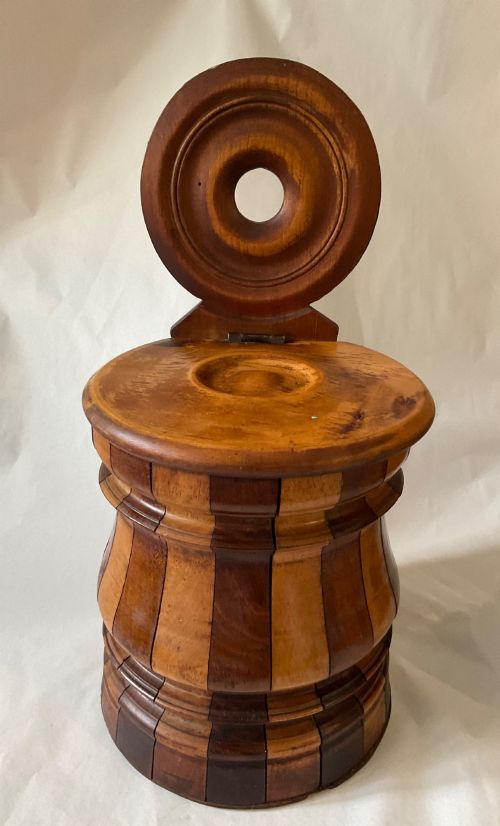
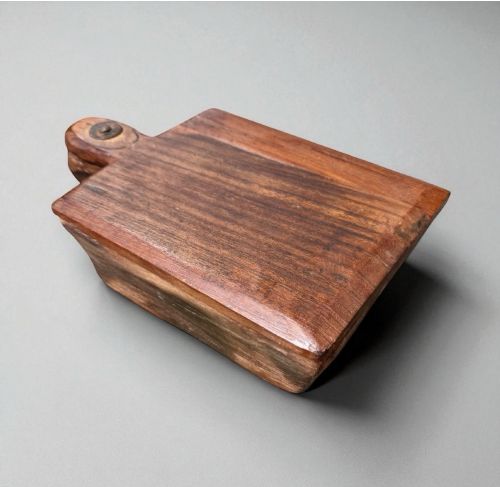
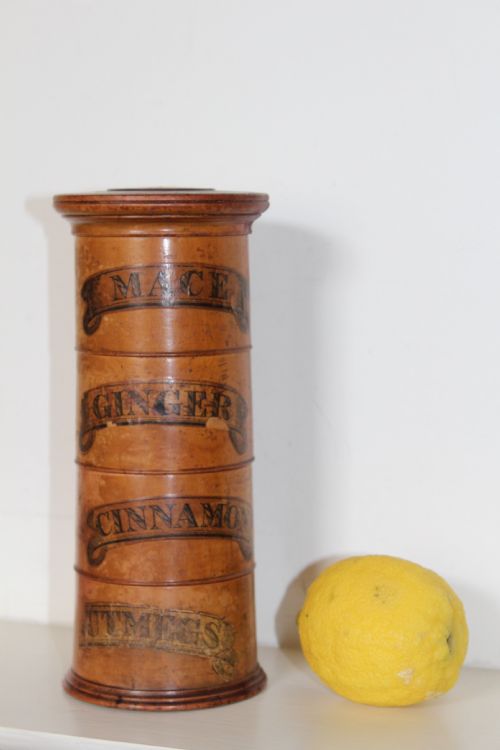
A brown wood spice box covers small kitchen containers, wall-hanging cupboards, and tiered towers originating from the eighteenth, nineteenth, and early twentieth centuries. These pieces reflect domestic storage needs across various regional styles, including Georgian, Victorian, and Indian vernacular forms.
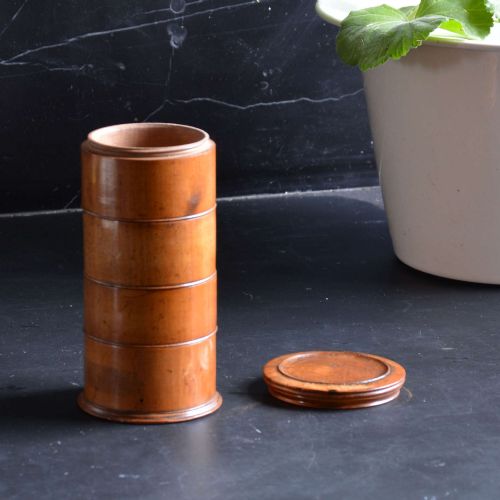
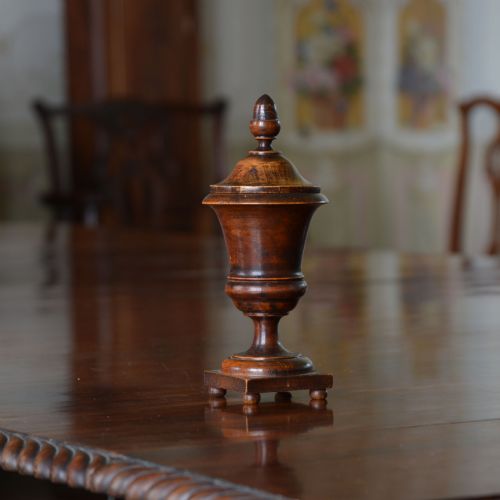
The versions most frequently met on this page are turned treen towers, small table cabinets, and wall-mounted cupboards fashioned from oak, boxwood, fruitwood, and mixed timbers. Many of these items survive from the Victorian and Edwardian eras, showing domestic utility combined with decorative craftsmanship.
How they were made
Maker's hands shaped these pieces using traditional carpentry and woodturning techniques on lathes and benches. Artisans utilised dense hardwoods such as boxwood, fruitwood, and oak to withstand daily use while maintaining crisp decorative details.
Surfaces often show hand carving, simple painted decorations, or smooth polished finishes that highlight the natural grain of the timber. Iron fittings occasionally provide hinges and latches on the small cabinets and wall cupboards.
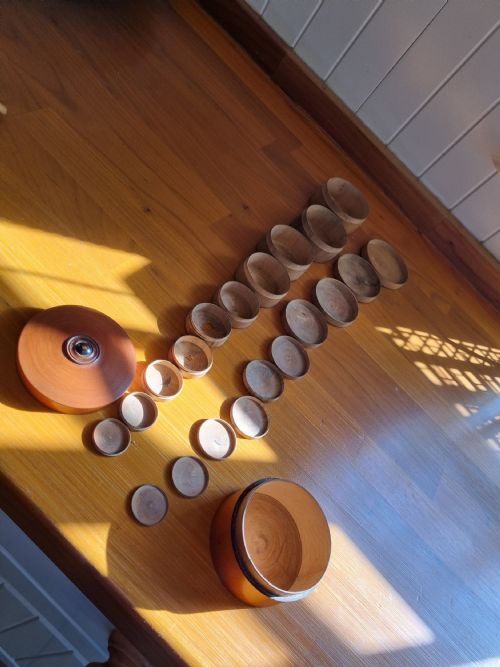
One tiny box holds ten smaller containers inside, proving that past makers adored miniature nesting puzzles just as much as we do.
What varies in quality
Quality rests upon the crispness of the turning and the integrity of the timber used in construction. Pieces featuring complex multi-tiered sections or detailed hand carving demonstrate a higher degree of artisan skill than plain utilitarian containers.
Condition and completeness also separate standard examples from finer ones, particularly when multi-part sets retain all their original fitted compartments. The depth of the wood grain and the patination acquired through age give certain items a superior visual weight.
The Brown Wood Spice Box Glossary
- Treen
- Small handmade wooden domestic objects. This term covers items ranging from turned containers to kitchen utensils.
- Spice tower
- A vertical container built in stacked sections. These items allow multiple seasonings to be stored within a single footprint.
- Campana urn
- A bell-shaped vessel with a footed base. Such forms appear in turned treen and decorative containers.
- Boxwood
- A dense, pale yellowish-brown timber. Craftsmen favoured this wood for intricate turning and small-scale items.
- Fruitwood
- Timber sourced from fruit-bearing trees such as pear or apple. This material provides a smooth texture suited to detailed carving.
Brown Wood Spice Box: Frequently Asked Questions
What is a spice tower?
A spice tower is a vertically stacked wooden container designed to hold several different seasonings in separate compartments. These items were kept close at hand in domestic kitchens.
They screw or fit together securely, saving valuable tabletop space while keeping aromatic powders dry and contained.
How were these wooden boxes used?
These boxes held valuable culinary ingredients, powders, and grated nutmeg in domestic settings. They kept precious seasonings fresh and protected from damp air.
Kitchen staff and homeowners accessed them daily during food preparation, which explains the well-handled patination found on many surviving examples.
How do I date a wooden spice container?
Dating relies on examining the tool marks, timber choice, construction methods, and overall style. Nineteenth-century pieces often display hand-turned ridges and traditional joinery.
Comparing the decorative motifs with known period items helps narrow down whether a piece originates from the Georgian, Victorian, or Edwardian eras.
How should I clean my antique treen?
Antique treen requires minimal intervention, typically needing only a gentle dusting with a dry cloth. Avoid using water or modern chemical cleaners which can strip the aged patination.
Applying a light coat of appropriate wax occasionally helps nourish the dry timber and maintains the soft surface sheen.