


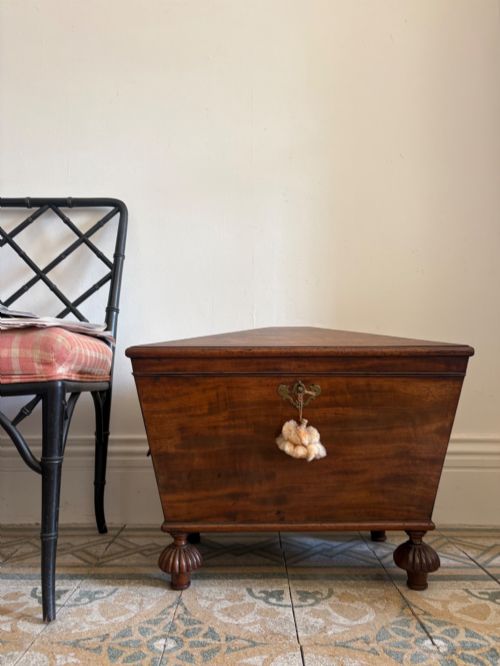


Antique Wooden Hope Chest
An antique wooden hope chest is a traditional storage piece designed to hold linens and personal belongings, combining domestic utility with enduring craftsmanship.

Antique Wooden Hope Chest
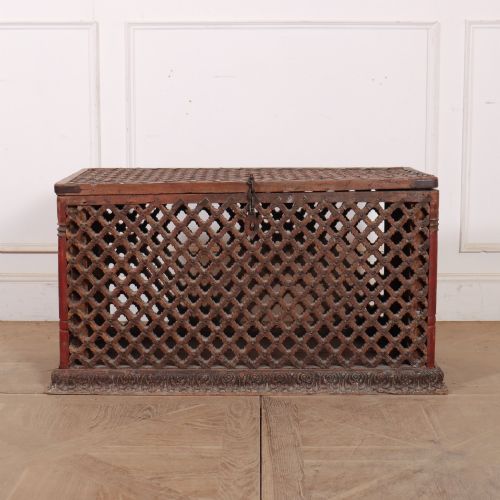
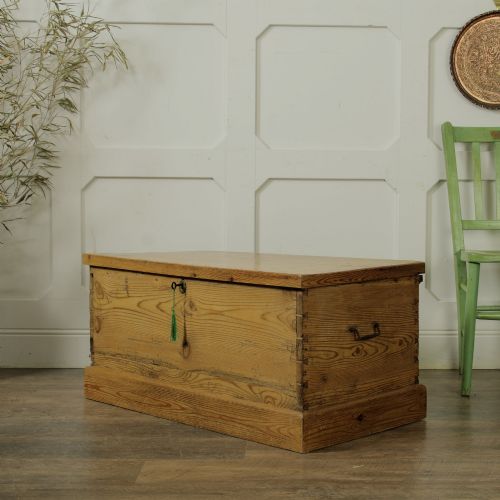
An antique wooden hope chest serves as a versatile storage vessel, frequently encountered in formats such as blanket boxes, coffers, and marriage trunks. These pieces surface from periods spanning the seventeenth century through to the early twentieth century, reflecting varied regional origins.
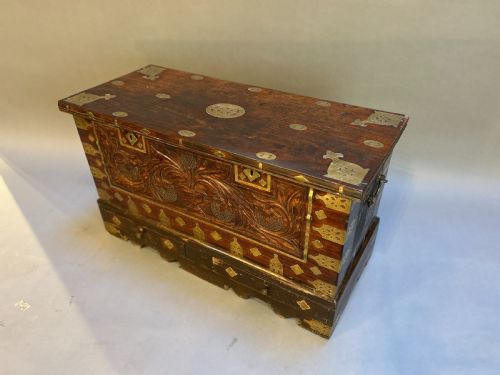
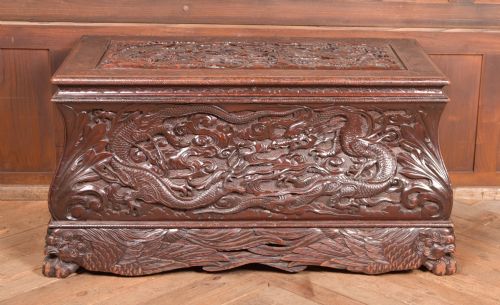
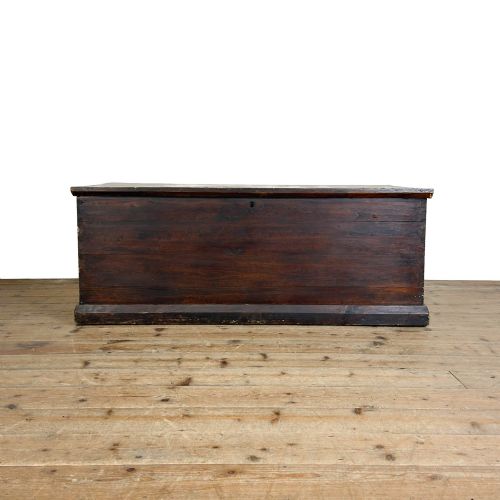
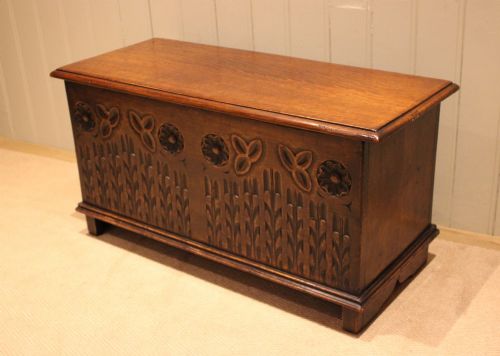
Buyers browsing this selection encounter robust 19th-century pine boxes, heavily carved oak coffers, and exotic camphor wood or teak trunks originating from overseas trade and colonial workshops. Regional variants include Spanish painted blanket chests, Swedish coffer chests, and Anglo-Indian or Chinese export storage pieces.
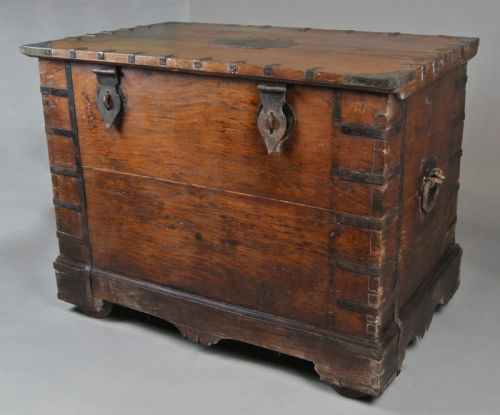
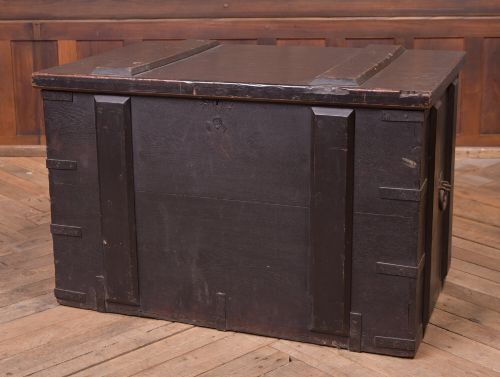
The functionality ranges from simple utility boxes to elaborate dowry and celebration chests outfitted with internal drawers, iron bindings, or brass studding. Selecting a piece depends largely on whether a plain rustic pine box or a deeply carved hardwood trunk suits the interior.
Factors Separating the Grades
Quality rests significantly on the integrity of the timber, the depth and execution of hand carving, and the survival of original hardware such as lead liners, brass bindings, and hinges. Untouched surfaces retain more character than heavily restored examples.
Structural stability, the presence of original internal tills or drawers, and authentic regional decoration distinguish standard utility boxes from high-status dowry and marriage chests.
Antique Wooden Hope Chest Retail Price Guide 2026
Typical asking prices for wooden hope chest among the pieces listed under this phrase on Sellingantiques today, from the lower quarter to the upper quarter. They describe what is for sale here now, not the wider market.
Several camphor wood chests retain a faint, lingering trace of aromatic spice from centuries-old maritime journeys across distant oceans.
The Antique Wooden Hope Chest Glossary
- Coffer
- A heavy wooden chest traditionally used for storing valuables, typically constructed with sturdy panels and a hinged lid.
- Dowry chest
- A storage trunk prepared for a bride, often richly carved or painted to mark a marriage celebration.
- Mule chest
- A traditional storage box featuring one or more drawers beneath the main lift-up compartment.
- Gerobog
- A large regional marriage chest, often mounted on wheels, constructed from teak.
- Cellarette
- A lockable container designed for holding bottles, seen in mahogany during the Regency period.
Antique Wooden Hope Chest: Frequently Asked Questions
What is an antique wooden hope chest used for?
These chests were historically utilised to store household linens, blankets, and personal items accumulated in anticipation of marriage. Today, they function as practical storage furniture that doubles as coffee tables or decorative focal points.
Their robust construction allows them to endure daily domestic use while concealing bulky items in living spaces or bedrooms.
How do I identify a 17th-century oak coffer?
Seventeenth-century coffers typically feature heavy solid oak panels, hand-carved friezes, and pegged frame construction. The timber exhibits deep patination and tool marks from period hand-working methods.
Later nineteenth-century reproductions often mimic these styles but lack the authentic surface wear and structural jointing of the period.
Why are some chests made of camphor wood?
Camphor wood was utilised for chests originating from Asian trade routes because the natural aromatic oil repels moths and dampness. This made the timber ideal for protecting delicate textiles during long sea voyages.
These trunks often display intricate oriental carving across the lid and sides.
Are painted finishes on pine chests original?
Many pine blanket boxes and marriage trunks retain historic painted or folk art decorations applied to protect the soft wood and commemorate events. Careful examination of the pigment and underlying timber helps determine whether the finish is period-authentic.
Folk art painted decoration varies significantly by region, from Spanish and Swedish workshops to British country homes.