

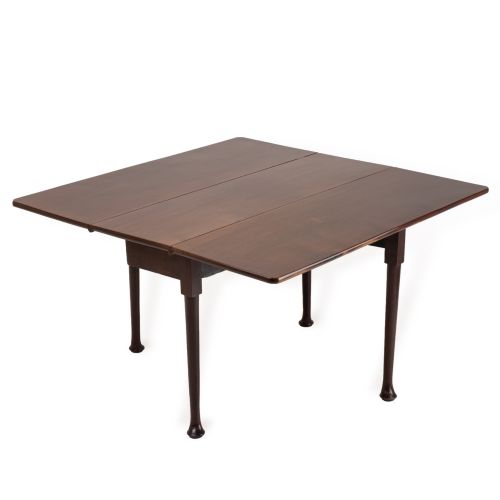

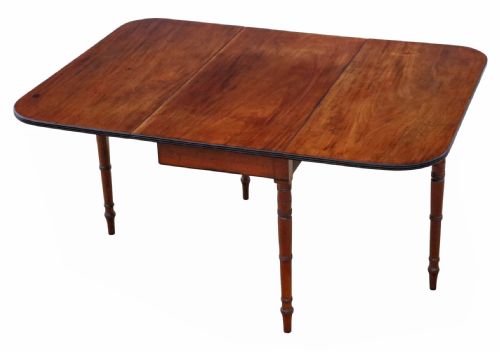
Antique Wooden Gateleg Table
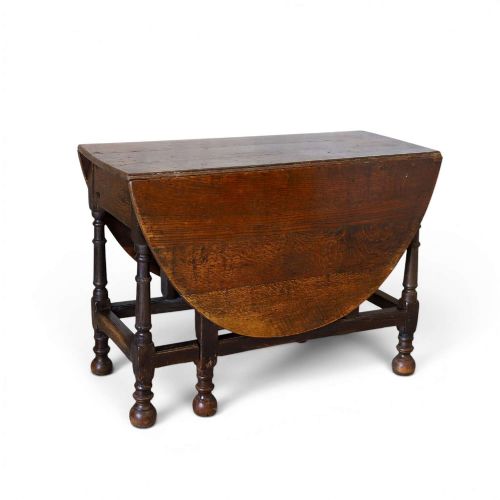
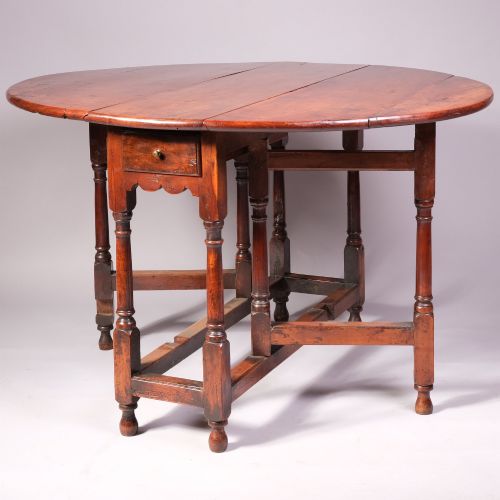
An antique wooden gateleg table offers clever folding leaves supported by swinging legs, delivering genuine period character to smaller spaces.
Antique Wooden Gateleg Table
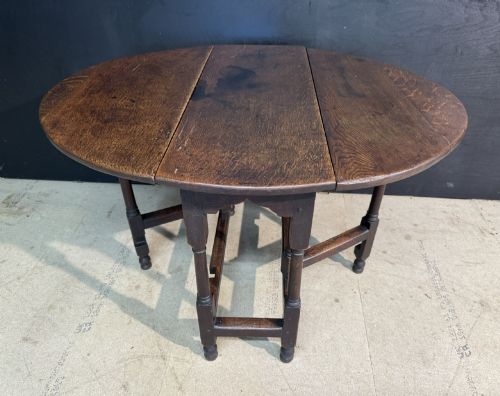
When you search for an antique wooden gateleg table, you encounter pieces designed to expand for dining and fold away when floor space matters. The selections span from seventeenth-century oak examples through eighteenth-century walnut and mahogany forms to later Victorian and Edwardian iterations.
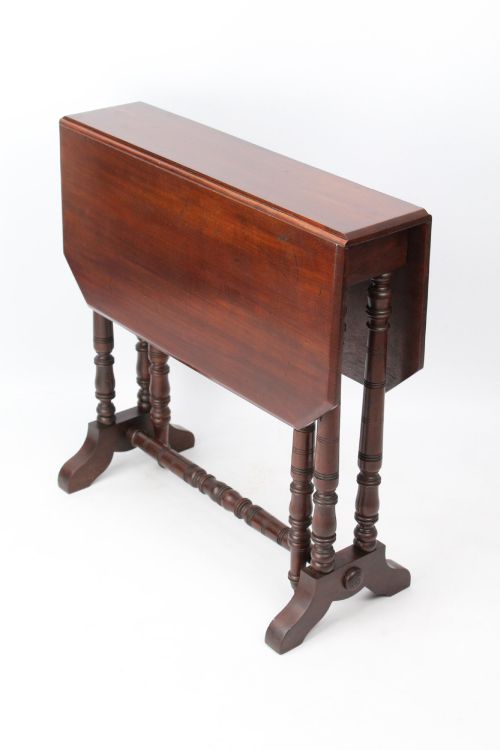
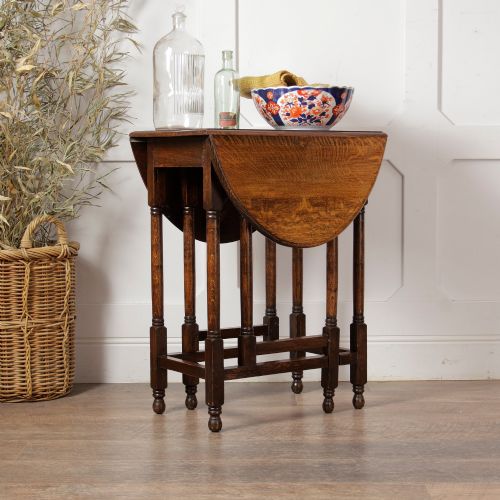
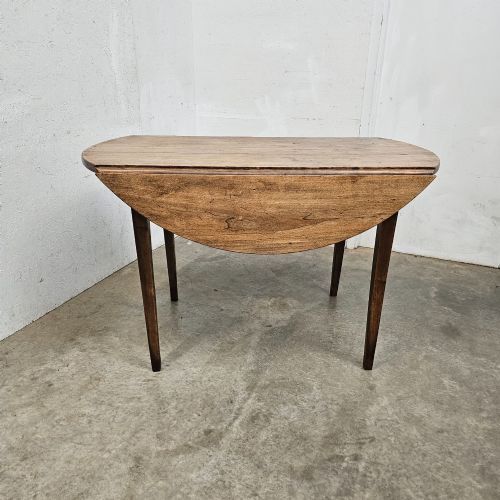
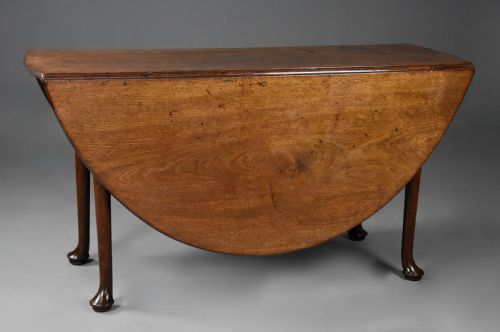
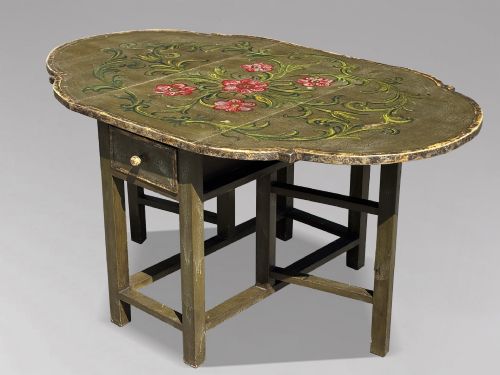
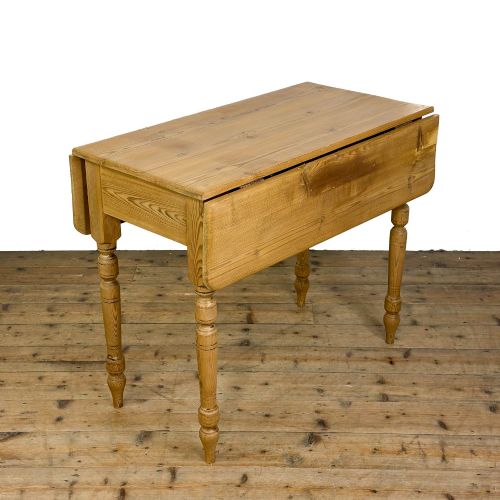
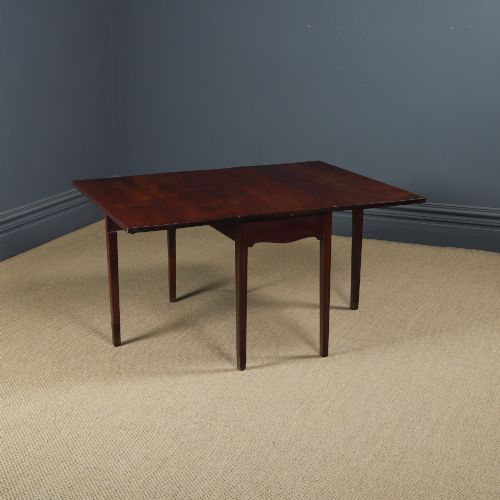
The format covers compact occasional tables, slender spider leg versions, and large dining tables intended to seat several people. Most pieces on this page utilise drop leaves supported by pivoting gate legs, creating a sturdy surface when open and a narrow profile when closed.
How they were made
Constructed primarily from timber such as oak, mahogany, walnut, yew wood, pine, and fruitwood, these tables rely on traditional joinery to support the folding mechanism. Carpenters shaped the structural framework using solid hardwoods while incorporating functional hardware like brass hinges and castors.
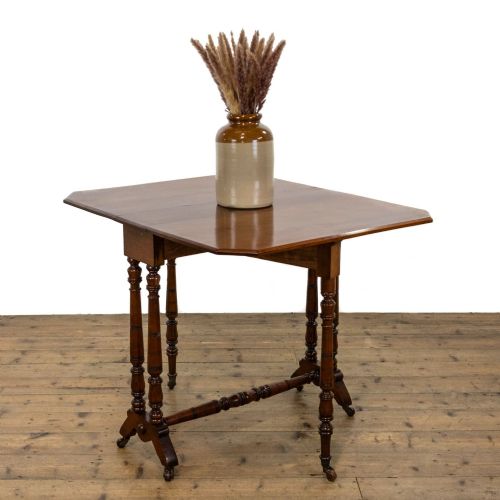
Leg designs range from simple turned supports to bobbin turned elements and delicate spider legs that bear the weight of the drop leaves. Surface finishes developed over centuries through application of natural wax and polishing techniques, highlighting the grain of the wood.
Some tables feature spider legs so slender they appear incapable of holding tea, yet they have supported centuries of afternoon gossip.
What varies in quality
Quality rests upon the selection of timber and the integrity of the original hinges and folding mechanism. Superior examples feature dense grain, such as figured walnut or solid mahogany, alongside untouched structural joints that ensure the swinging legs move smoothly without sagging.
A rich, faded patina developed through age separates fine examples from lesser or later pieces. The balance of proportions, particularly the relationship between the central fixed top and the drop leaves, determines the overall visual harmony.
The Antique Wooden Gateleg Table Glossary
- Gateleg table
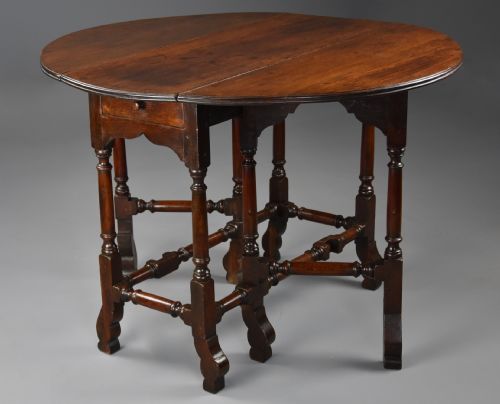
- A table with hinged leaves supported by legs that swing outward like a gate to hold the flaps. This design allows the surface area to double when fully extended.
- Drop-leaf table
- A table featuring a fixed centre section and movable flaps on either side that drop down when unsupported. These leaves are held aloft by various pivoting mechanisms.
- Patina
- The deep surface sheen and coloration acquired by wood over decades of use and polishing. A warm patina indicates honest age and care.
- Bobbin turning
- A type of lathe-turned furniture leg resembling a string of spools or bobbins. This decorative woodworking style appears frequently on seventeenth and nineteenth-century pieces.
- Sutherland table
- A narrow drop-leaf table variant with particularly slender legs and leaves that drop almost vertically. It functions well as an occasional or tea table.
Antique Wooden Gateleg Table: Frequently Asked Questions
How do I use a gateleg table daily?
Keep the leaves dropped against the sides to save floor space when you do not need a large surface. Raise the flaps and swing out the supporting legs whenever you require extra space for dining or writing.
Ensure you place the table on an even floor so the swinging leg bears weight correctly. Avoid overloading the unsupported edges of the drop leaves to protect the hinges.
What woods were used for these tables?
Early examples utilise sturdy native timbers like oak and walnut, often displaying rich grain patterns. Later pieces turn toward mahogany, fruitwood, yew wood, and pine.
Cabinetmakers selected these hardwoods for their strength and ability to hold traditional joinery and turning. Each timber ages differently, producing distinct surface colours over the centuries.
How can I tell an eighteenth-century table apart from a later one?
Examine the construction methods beneath the top, including the cut of the wood and the type of hinges utilised. Eighteenth-century pieces frequently display hand-planed surfaces and older iron or brass hardware.
Later Victorian and Edwardian revivals often incorporate machine-sawn components and different casting techniques on their metal elements. Inspecting the underside reveals clues about the period of manufacture.
Will a gateleg table fit in a small room?
These tables function exceptionally well in compact spaces because their leaves fold down flat against the base. This narrow profile allows the furniture to sit close against a wall when not in use.
You can pull the table into the room and raise one or both leaves only when you need a larger surface. This versatility made them popular in cottages and townhouses historically.