


Antique Wooden Games
Antique wooden games bring past social rooms alive through timber tables, carved sets and boxes crafted for leisure.
Antique Wooden Games
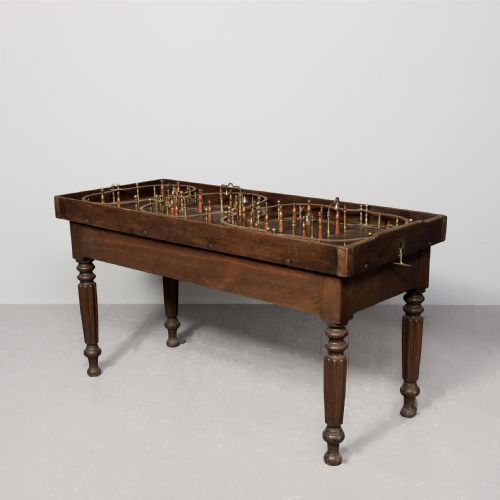
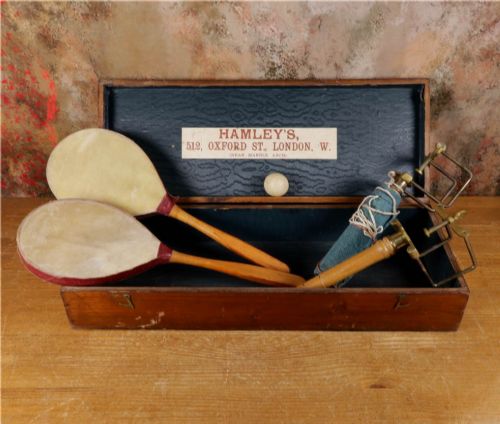
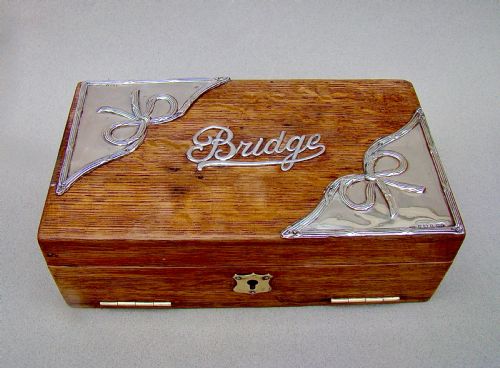
Antique wooden games encompass dedicated folding tables, compendiums, travelling boxes and complete sets designed for domestic entertainment across the eighteenth, nineteenth and early twentieth centuries.
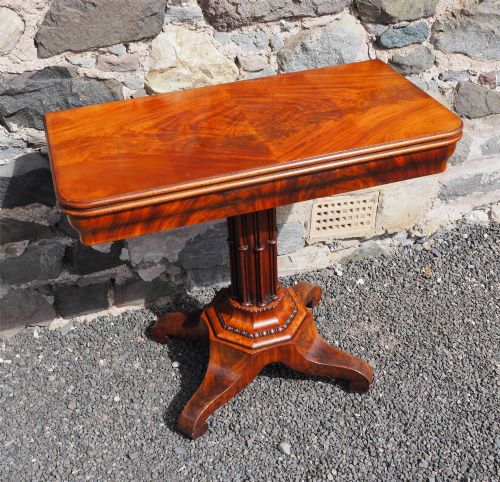
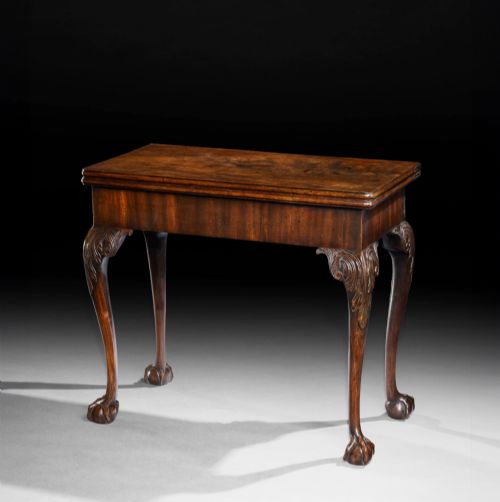
The items most frequently encountered on this page are nineteenth-century card tables, chess boards and boxed pastimes produced during the Victorian and Edwardian periods.
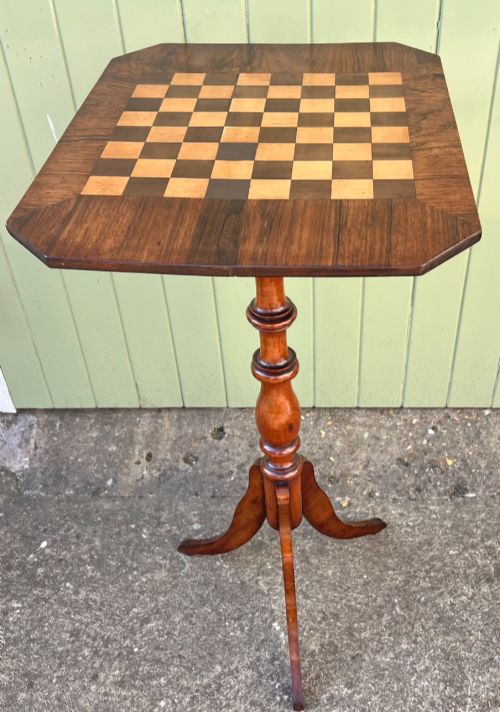
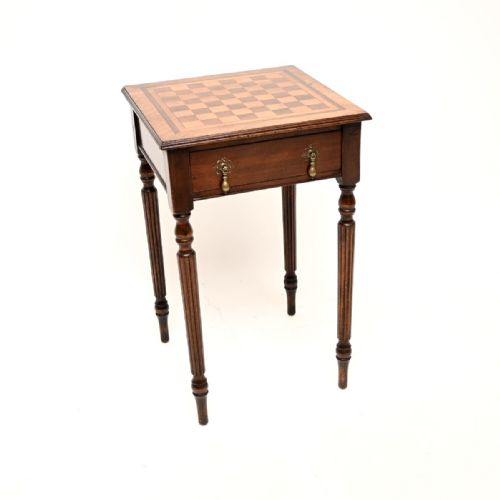
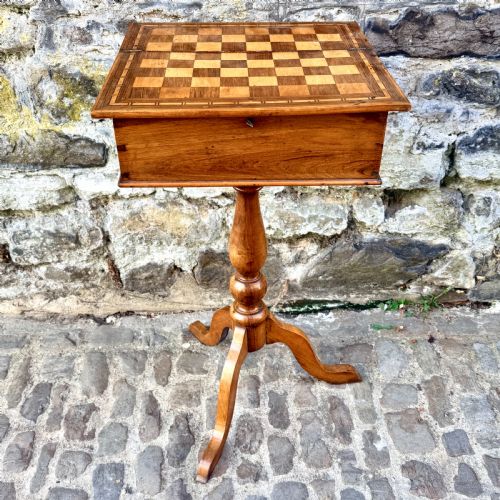
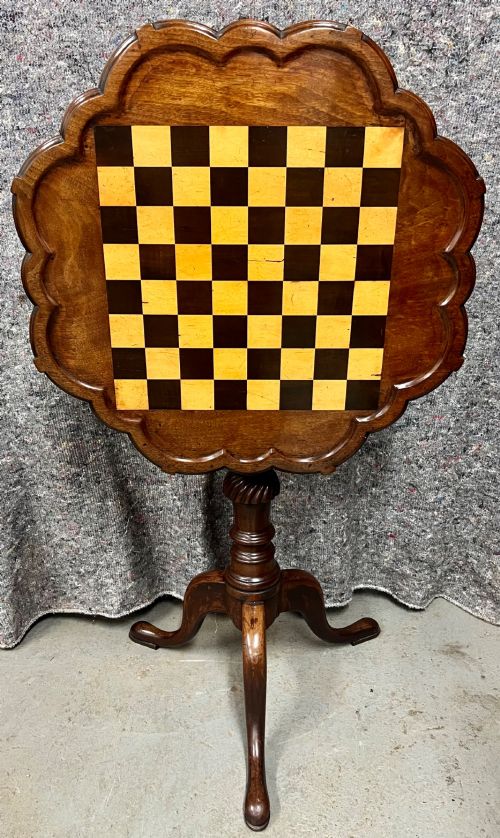
Forms range from freestanding walnut and mahogany tables with reversible or inlaid surfaces to compact beech game blocks and fitted bone or wooden sets.
How they were made
Craftsmen utilised dense hardwoods such as mahogany, walnut, oak, boxwood and rosewood, often pairing contrasting timbers for inlaid chess and backgammon boards.
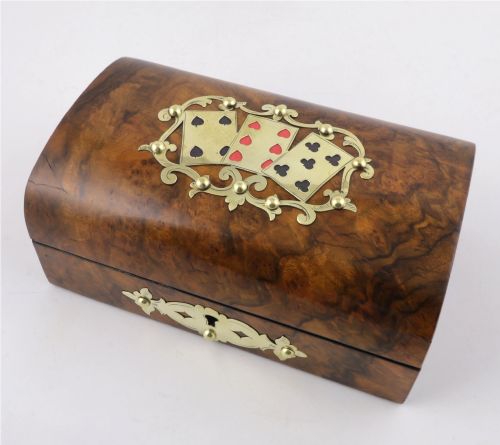
Fine decorative work relied on brass mounts, glass components, marquetry and ebonised detailing applied to structural elements like pine, beech and mahogany.
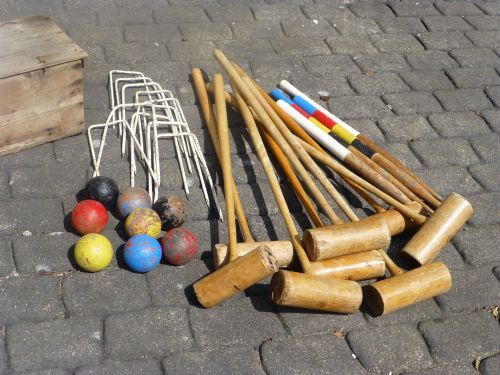
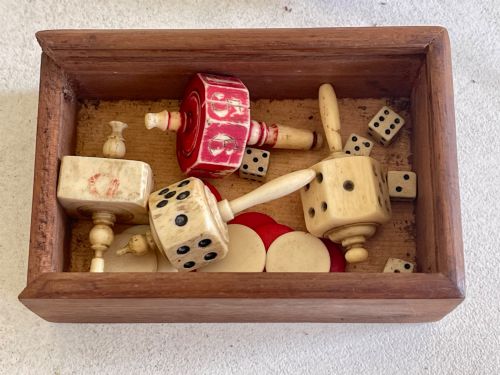
Turning and carving shaped smaller items such as chess pieces, dice, skittles and puzzle barrels, while cabinetry built the folding mechanisms of tables and boxes.
Prisoners of war carved tiny bone teetotums by hand, turning scraps into games of chance that outlasted the empires of their day.
What varies in quality
Quality rests in the precision of the timber joinery, the crispness of hand-carved details on sets and the structural integrity of folding card tables and games boxes.
Superior examples display finely figured veneers, well-matched inlays of boxwood and ebony, and original fitted interiors that retain all their internal counters and pieces.
Workshop execution dictates the longevity of moving parts like concertina actions and reversible tops, distinguishing standard production from exceptional cabinet work.
Jaques·Giles Grendey·Levi & Salaman·Slazenger·Hamleys
The Antique Wooden Games Glossary
- Compendium
- A fitted box containing multiple distinct games and accessories within a single container. These versatile sets typically housed chess, draughts and cards.
- Concertina action
- An expanding frame mechanism used on card and games tables to support a fold-over top. This clever engineering allows the rear legs to extend outward when the table opens.
- Marquetry
- The art of applying decorative veneer pieces in wood to form intricate geometric or pictorial patterns. Artisans used this technique to ornament table tops and games caskets.
- Staunton
- A standard design of chess pieces introduced in the mid-nineteenth century featuring distinct, easily recognisable forms. This style remains the benchmark for tournament play.
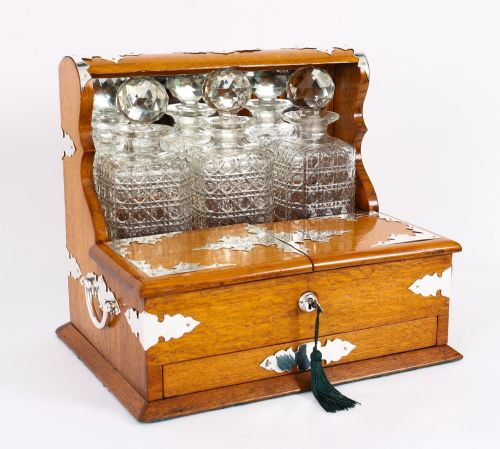
- Tantalus
- A locking wooden frame holding decanters that prevents access without a key while displaying the bottles. They frequently appear combined with games compendiums in nineteenth-century pieces.
Antique Wooden Games: Frequently Asked Questions
What are antique wooden games?
Antique wooden games are historical items designed for parlour and table entertainment, including folding card tables, chess boards, travelling boxes and complete activity sets.
They reflect the domestic social habits of the Georgian, Victorian and Edwardian eras, combining practical furniture with leisure equipment.
How were games tables used?
Games tables served as versatile furniture pieces that doubled as ordinary tea or console tables when folded shut.
Opening the top revealed a baize-lined playing surface or an inlaid chess board, allowing a drawing room to transition swiftly from social gathering to gaming.
How do I date an antique games set?
Dating relies on stylistic clues, cabinet-making techniques, timber choices and sometimes maker marks or registration stamps on the box or hardware.
Victorian pieces often show heavy rosewood and walnut veneers, while Edwardian examples display lighter satinwood or simpler mahogany constructions.
How do I care for wooden games?
Wooden games require stable indoor humidity away from direct sunlight and heat sources to prevent the timber and veneers from warping or cracking.
Gentle dusting with a dry cloth maintains the finish without stripping the historical patina built up over generations of use.