
Antique Wooden Furniture
Antique wooden furniture encompasses centuries of domestic utilitarian and decorative pieces shaped from solid timbers like mahogany, oak, and walnut.
Antique Wooden Furniture
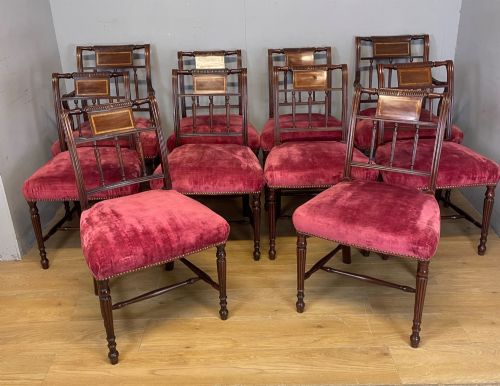
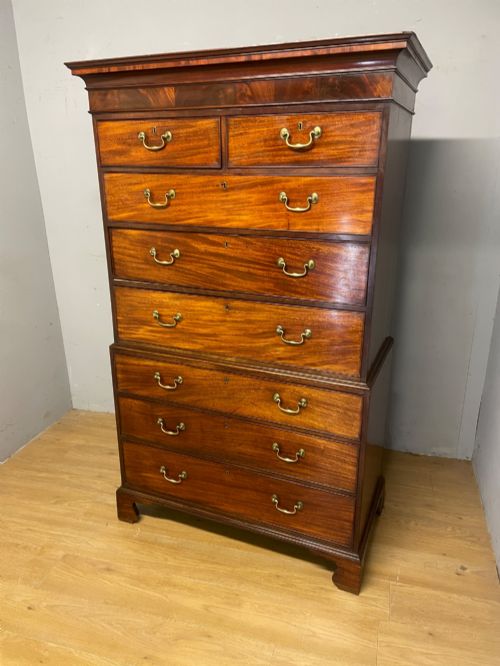
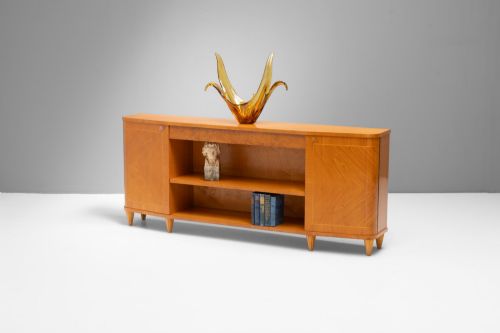
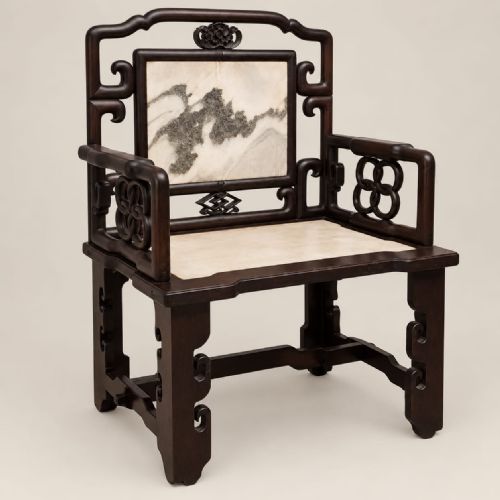
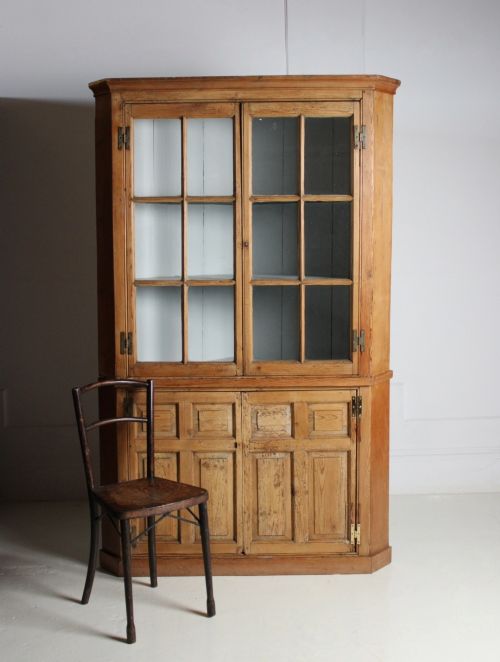
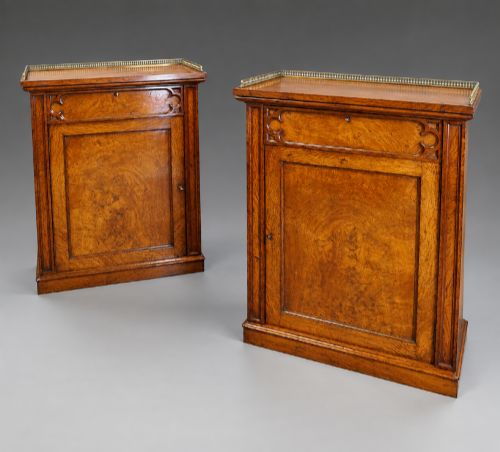
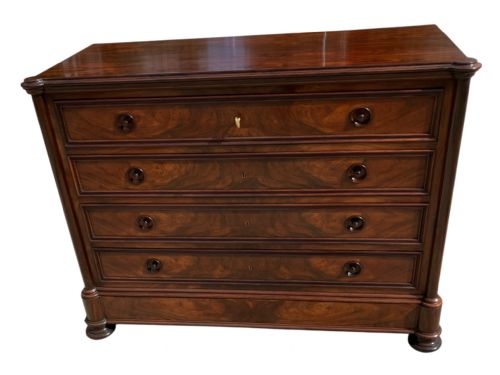
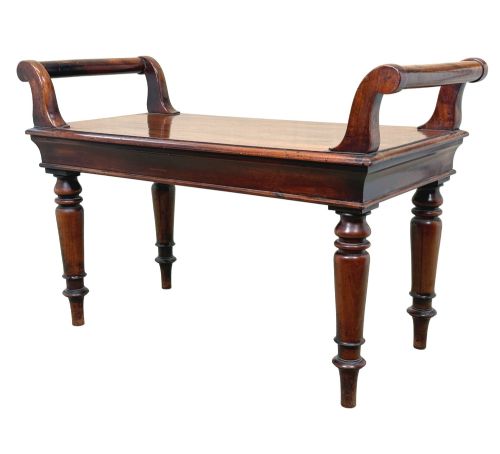
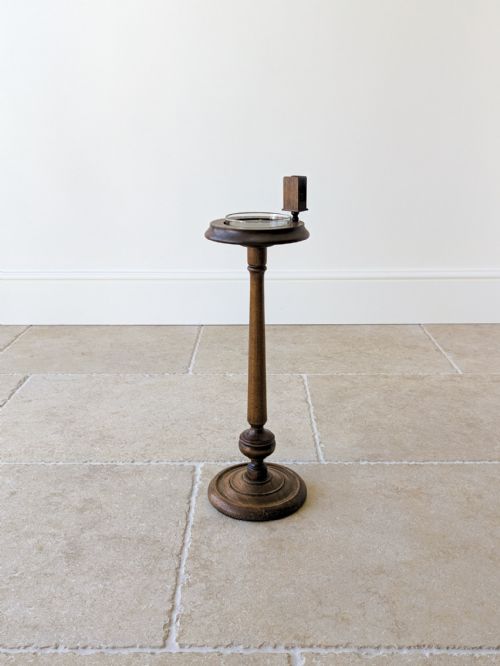
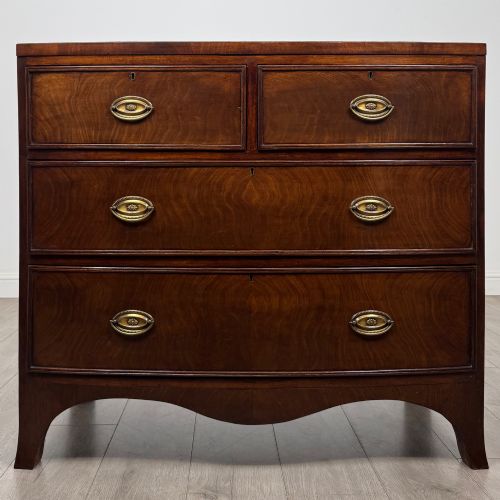
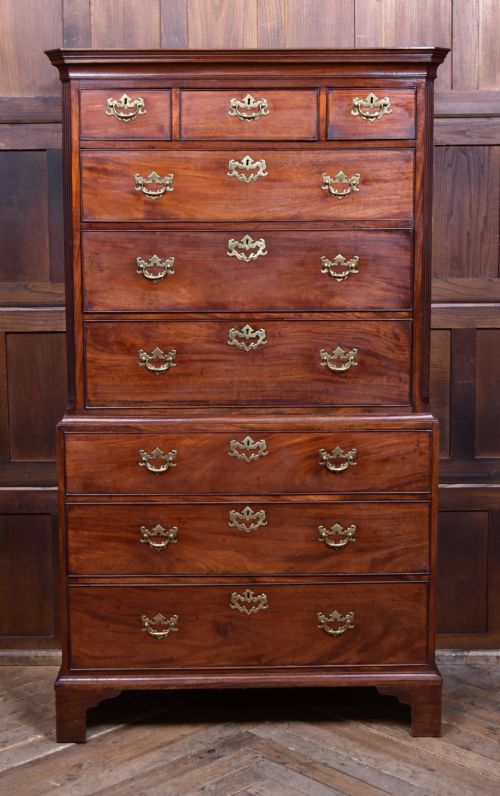
When you search for antique wooden furniture, you encounter a vast array of domestic utility items spanning multiple centuries of British and continental design. The pieces on this page range from modest pine church pews and elm blanket boxes to formal mahogany chests on chest and walnut commodes. Every item carries the physical marks of past workshops, utilising traditional joinery adapted to the domestic needs of Georgian, Victorian, and Edwardian households.
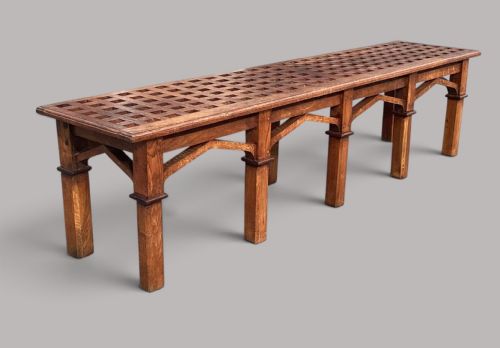
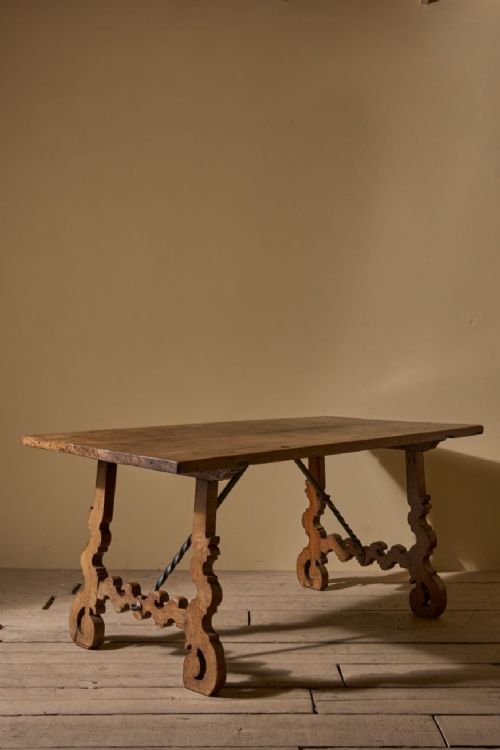
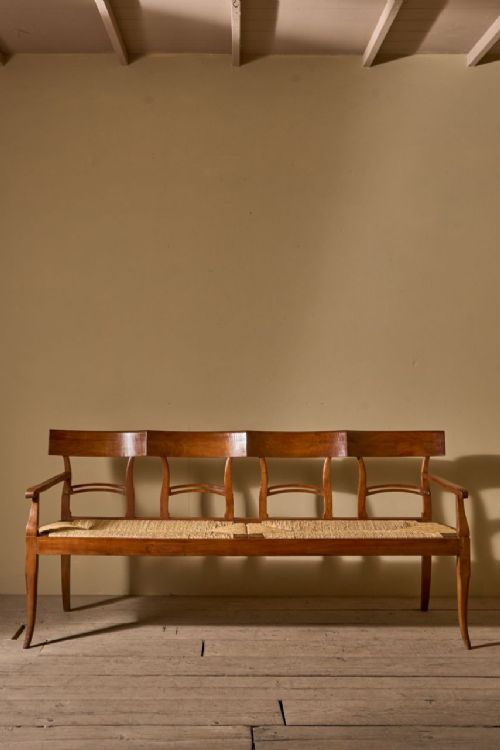
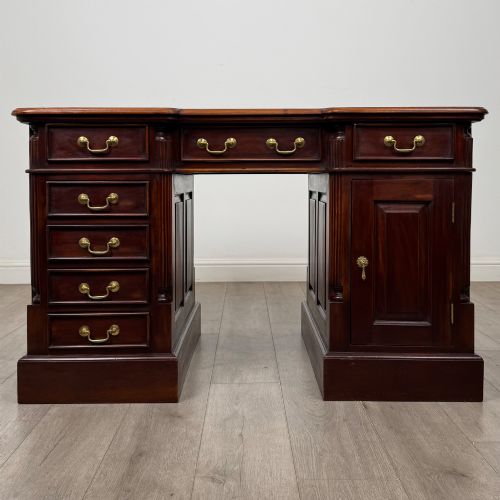
The most common forms you meet include chests of drawers, occasional tables, desks, and benches fashioned from sturdy timbers. Regional seating such as Windsor armchairs in yew and elm appear alongside refined Regency sideboards in padouk and mahogany. These functional objects reveal how previous generations stored belongings, wrote letters, and seated guests using materials sourced locally or imported through global trade.
Materials and Technique
Cabinetmakers and joiners relied primarily on dense hardwoods such as mahogany, oak, walnut, and exotic veneers like kingwood over secondary softwood carcases. Timber selection dictated the structural integrity of a piece, with oak forming early frameworks and figured mahogany or burr walnut reserved for visible exterior surfaces. Secondary woods like pine or beech frequently appear on internal drawer linings and hidden structural components.
Construction methods involved traditional hand-cut joinery including dovetails for drawer boxes, mortise and tenon joints for frames, and turned supports for tables and chairs. Surfaces received hand-applied finishes such as wax, shellac polish, or oil to nourish the timber grain rather than form a modern plastic film. Brass hardware, iron brackets, and rush seating supplied the functional and decorative fittings integral to each period style.
A Black Forest bear bench stands ready to offer ursine company in the hallway.
Judging Quality and Execution
The distinction between ordinary utility items and exceptional pieces rests upon the precision of the timber selection and the skill of the cabinetmaker. Finer chests and commodes display continuous grain patterns across drawer fronts, balanced crossbanding, and thick veneers rather than thin laminates. Lesser pieces utilise secondary timbers more heavily and exhibit simpler construction methods intended for everyday service rather than formal display.
Structural honesty and the preservation of original surfaces largely determine the standing of an item within its category. Pieces retaining their original brass handles, locks, and patinated timber finishes command greater regard than those subjected to aggressive modern stripping or extensive timber replacement. The harmony of proportions and restraint in decorative carving separate master workshops from provincial production.
Holland & Sons·Whytock & Reid
The Antique Wooden Furniture Glossary
- Crossbanding
- A decorative border technique where thin strips of veneer are laid perpendicular to the grain of the primary surface. This frames drawer fronts and tabletops with a contrasting timber orientation.
- Dovetail
- An interlocking joint formed by interlocking wedge-shaped fingers, essential for joining drawer sides to drawer fronts securely without metal fasteners. Hand-cut dovetails show slight irregularities.
- Burr Walnut
- A prized timber cut from walnut tree growths, producing swirling, intricate grain patterns used extensively for high-status cabinet doors and tabletops.
- Mortise and Tenon
- A foundational timber joint where a projecting tongue fits snugly into a corresponding cavity, securing chair frames and table legs together.
- Padouk
- A dense tropical hardwood displaying a rich reddish-brown tone, utilised in overseas trade furniture for its durability and distinct colouration.
- Campaign Style
- Portable furniture designed for military officers, featuring folding mechanisms, recessed brass handles, and robust construction for travel.
Antique Wooden Furniture: Frequently Asked Questions
How do I date antique wooden furniture?
Dating relies on observing construction techniques, tool marks, timber choices, and hardware styles specific to periods like the Georgian or Victorian eras. Machine-sawn timber and Phillips screws generally point towards later manufacturing dates, whereas hand-cut joinery indicates earlier craftsmanship.
Examining secondary woods inside drawers and behind backboards provides further clues regarding regional origin and period. Comparing stylistic motifs against documented pieces helps narrow down the decade of production.
How should I care for antique wooden surfaces?
Maintaining historic timber requires stable indoor humidity levels away from direct heat sources and strong sunlight that can fade polished finishes. Regular application of traditional beeswax feeds the wood and preserves the natural patina built up over centuries.
Avoid silicone-based sprays and excessive moisture during cleaning, using instead a soft, dry cloth to remove dust. Gentle care ensures the original polish remains intact for future generations.
What is the difference between oak and mahogany furniture?
Oak represents earlier centuries of English domestic life, valued for its coarse, open grain and immense structural strength in heavy tables, joint stools, and chests. Mahogany emerged during the eighteenth century as global trade expanded, offering a smoother, denser medium suited to intricate carving and polished surfaces.
While oak pieces often display rustic charm and pegged joinery, mahogany items frequently lean towards formal elegance with fine veneers and crossbanding. Both timbers survived through subsequent revivals, appearing in later Victorian and Edwardian interpretations.