




Antique Wooden Foot Stool
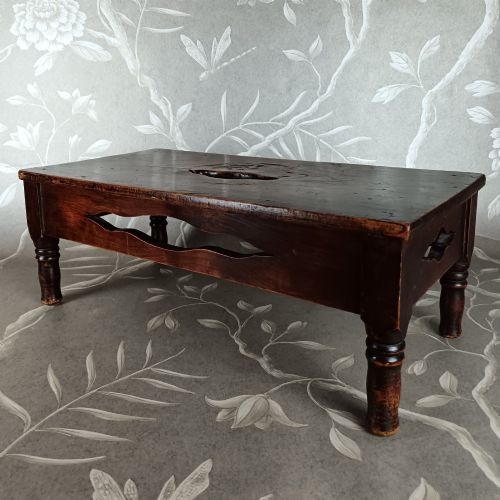
An antique wooden foot stool brings low-slung comfort and period craftsmanship into a room.
Antique Wooden Foot Stool
An antique wooden foot stool is a low domestic seat designed to support the feet or serve as a compact perch. These pieces emerge from periods ranging from the eighteenth century through the Victorian era and into the early twentieth century.
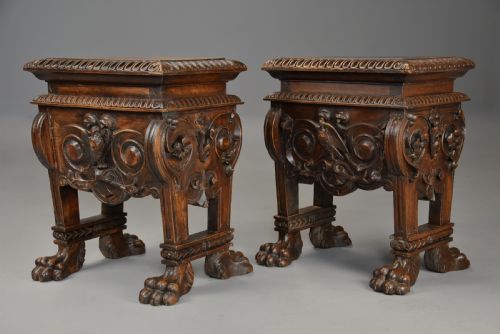
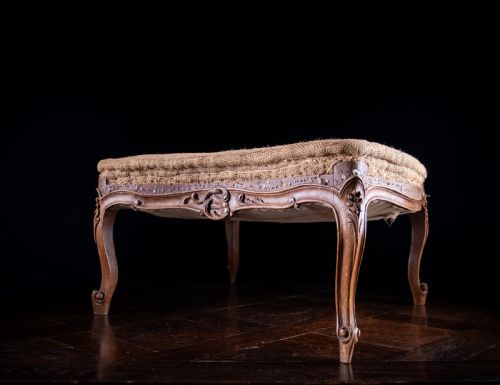
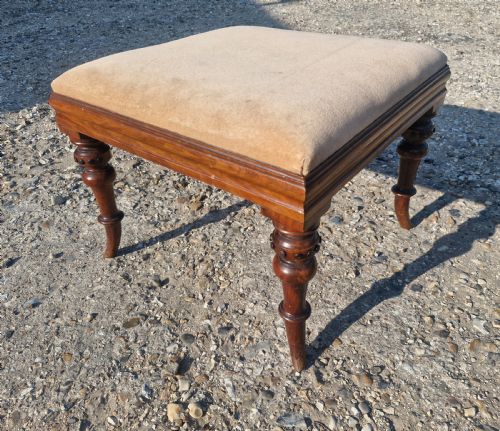
The forms span simple country blocks and joint stools to elaborate carved mahogany, walnut, and rosewood iterations. Buyers frequently encounter Victorian examples alongside Georgian and Queen Anne style revivals on this page.
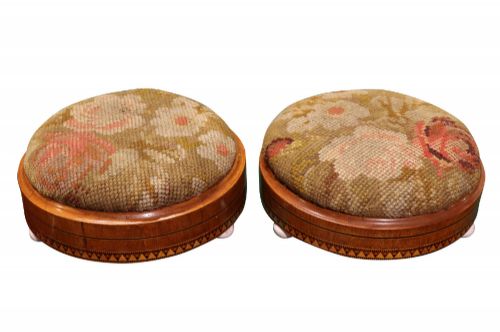
Makers utilised various timbers and upholstery methods, creating everything from plain oak foot boards to inlaid walnut circular stools and revolving grotto designs.
How they were made
Carpenters and joiners constructed the frames using solid hardwoods such as walnut, mahogany, oak, beech, and rosewood. Structural joints relied on traditional techniques like mortise and tenon or secure gluing.
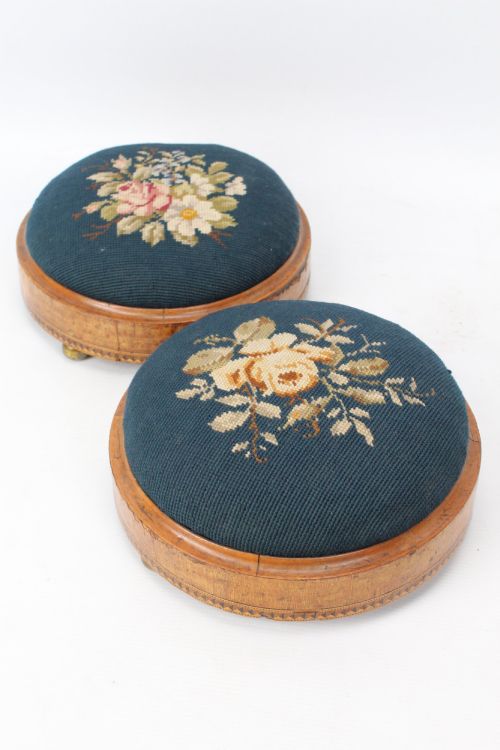
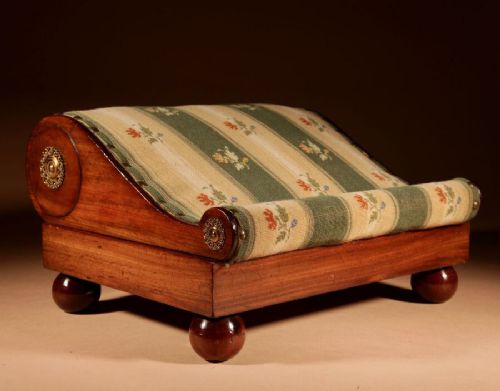
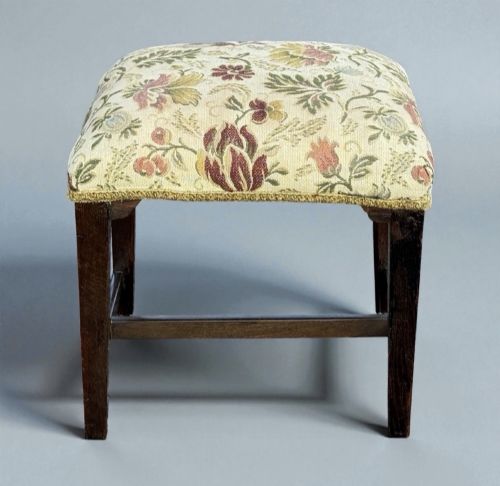
Upholstered tops incorporated textile, wool, tapestry, and needlepoint, often secured over internal padding with brass tacks. Detail work included hand carving, inlay, and turned ball feet.
Antique Wooden Foot Stool Retail Price Guide 2026
Typical asking prices for wooden foot stool among the pieces listed under this phrase on Sellingantiques today, from the lower quarter to the upper quarter. They describe what is for sale here now, not the wider market.
One exceptional Victorian walnut stool even includes carved hunting dog heads on its X-frame.
What varies in quality
The grade of timber and the ambition of the carving dictate the standing of a piece. Solid walnut frames with crisp, deep hand carving sit above simpler pine or beech alternatives.
Original upholstery materials like period needlepoint and tapestry elevate a stool's integrity compared to modern re-coverings. Superior joinery ensures the frame remains rigid without excessive wobble over centuries of use.
The Antique Wooden Foot Stool Glossary
- Tunbridge Ware
- A form of woodworking where small pieces of coloured wood are assembled to create mosaic pictures. This technique appears on Victorian decorative surfaces.
- Joint Stool
- An early form of wooden stool constructed with mortise and tenon joints using pegs. These sturdy seats date back to earlier vernacular traditions.
- Needlepoint
- A type of canvas work embroidery used extensively for historical upholstery. It provides durable and colourful patterns on footstools.
- Ball Foot
- A spherical wooden foot turned on a lathe found at the base of legs. It offers a neat termination to seventeenth and nineteenth-century furniture.
- Gout Stool
- An adjustable footrest designed to elevate the foot for those suffering from joint ailments. These often feature mechanical tilting mechanisms.
Antique Wooden Foot Stool: Frequently Asked Questions
What is an antique wooden foot stool used for?
These pieces supported tired feet beside armchairs or served as low seats near the hearth. Wealthy households also utilised specialised versions inside carriages or for medical purposes.
Today, they function easily as decorative low seating or plant stands in modern living spaces.
How do I date an antique wooden foot stool?
Dating relies on observing the prevailing timber choices, turning styles, and construction marks. Georgian pieces often show rich mahogany and subtle carving, while Victorian examples introduce walnut inlay and needlepoint.
Stylistic revivals also point to specific eras, such as Queen Anne style frames produced in the early twentieth century.
Are the upholstery coverings original?
Many stools retain period needlepoint, tapestry, or wool textiles applied during the nineteenth century. The wear and weave density help distinguish historical fabric from later replacements.
Some pieces have been re-covered to suit contemporary domestic interiors while keeping the timber frame intact.
How should I care for wooden frames?
Maintain the timber by keeping the stool away from direct heat sources and sudden humidity shifts. Regular dusting with a dry cloth preserves the polished walnut, mahogany, or oak surfaces.
Avoid harsh chemical cleaning products that might strip the historic finish or damage aged upholstery fibres.