



Country Oak Hearth Stool
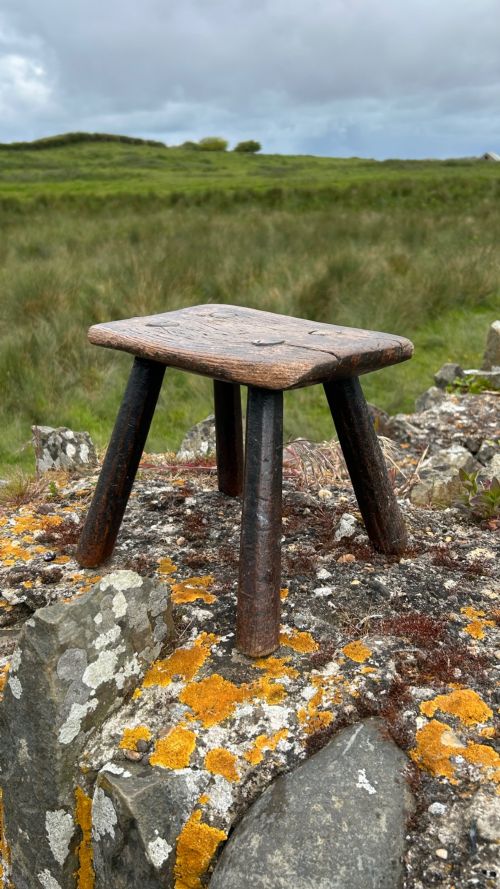
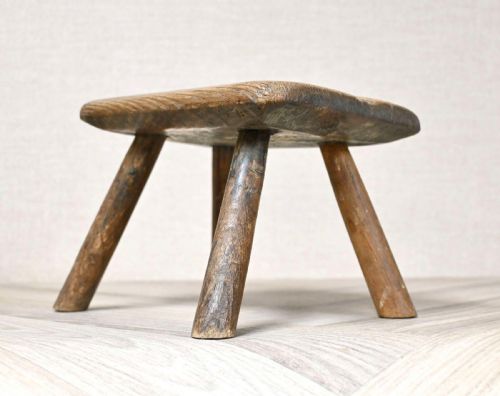
These country oak hearth stool examples are low, solid seats built for warmth and utility by the fire.
Country Oak Hearth Stool
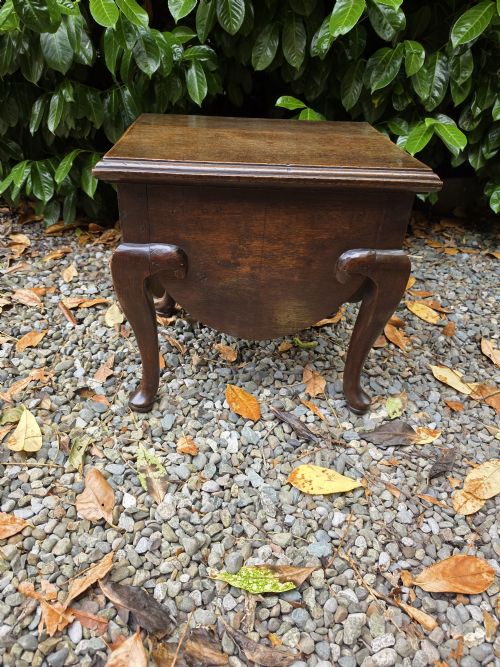
A country oak hearth stool is a low seating form designed for domestic use beside a fireplace, taking various shapes from simple rectangular frames to oval seats and storage boxes. These pieces emerge from periods such as the eighteenth century, the nineteenth century, and early decades of the twentieth century, carrying distinct regional character.
Makers utilised available local resources to produce sturdy domestic furnishings that served practical needs in everyday rooms. The presence of cabriole legs or rush and cane seating surfaces shows how simple forms adapted to changing interior tastes while retaining heavy timber frames.
How country oak hearth stools were made
Construction relies primarily on solid oak and timber frames, joined securely to withstand heavy daily use by the hearth. Supplementary materials like elm, rush, and cane appear in specific seats, adding textural contrast to the rigid wooden structures.
Carpenters shaped these low stools using traditional woodworking techniques appropriate for rustic and formal country workshops alike. Turning, jointing, and weaving created durable surfaces that supported domestic seating and storage functions.
Country Oak Hearth Stool Retail Price Guide 2026
Typical asking prices for country oak hearth stool among the pieces listed under this phrase on Sellingantiques today, from the lower quarter to the upper quarter. They describe what is for sale here now, not the wider market.
Listings span multiple eras, including the eighteenth century, Georgian period, nineteenth century, and early twentieth century up to nineteen-twenty.
What varies in quality
The distinction between standard examples and finer pieces rests on the refinement of the woodwork and the integrity of the materials. Cabriole legs and carefully shaped oval seats demonstrate a higher level of joiner skill than plain rectilinear frames.
The condition of woven elements like rush and cane seating significantly influences the character of an individual piece. Tidy, intact seating surfaces and well-preserved timber frames separate superior survivals from heavily altered or degraded items.
The Country Oak Hearth Stool Glossary
- Cabriole leg
- A furniture leg that curves outward and then tapers inward, ending in a pad or foot. This form appears on eighteenth-century examples influenced by classical design.
- Rush seat
- A seating surface woven from dried marsh grasses, twisted into cords. It provides a resilient and traditional top for low country stools.
- Hearth stool
- A low seat designed specifically for placement near a fireplace. These items provide convenient seating close to the warmth of the fire.
- Slipper box
- A low storage stool with a hinged lid intended for keeping footwear near the hearth. This form combines seating with internal compartment space.
Country Oak Hearth Stool: Frequently Asked Questions
What is a country oak hearth stool?
A country oak hearth stool is a low, sturdy seat designed to sit near a fireplace for warming or daily tasks. These pieces use solid timber frames and often feature woven or wooden tops.
They originate from various traditional periods, ranging from eighteenth-century examples to early twentieth-century country workshop pieces.
How were hearth stools used historically?
These low seats served practical domestic purposes beside the fireplace, offering a comfortable place to sit close to the heat. Some variants also incorporated internal storage compartments for household items.
Their low profile kept users safely beneath rising smoke and close to the warmest part of the room.
What materials are common in these stools?
Oak and general timber form the primary structural framework for nearly all examples on this page. Secondary materials like elm, rush, and cane frequently appear in the construction of seats.
These materials reflect the local availability of wood and plant fibres used by traditional makers.
How do you date an antique stool?
Dating relies on examining the construction techniques, timber patination, and stylistic details such as leg shapes and joinery. Eighteenth-century pieces often display hand-shaped elements, while later nineteenth and early twentieth-century examples show different workshop standards.
Comparing the specific wood species and wear patterns helps place an item within its correct period.