
Antique Wooden Dining Carvers
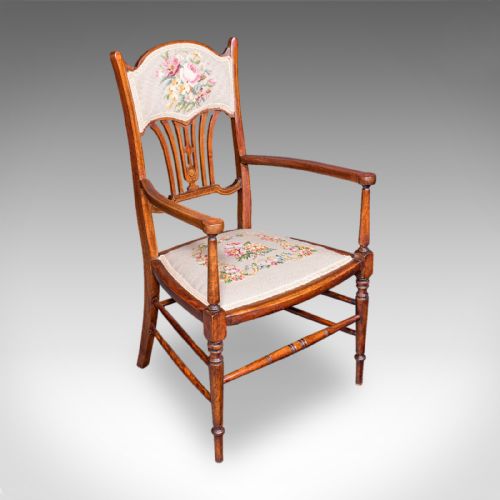
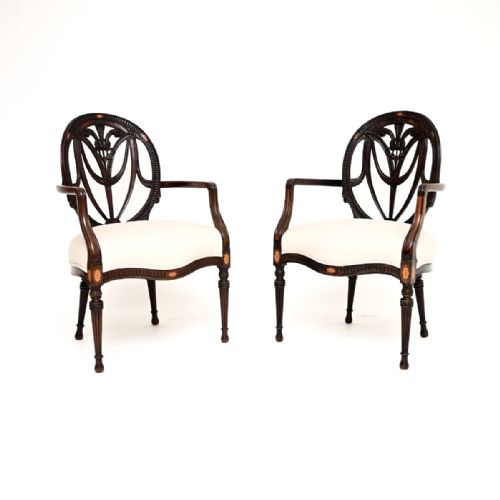
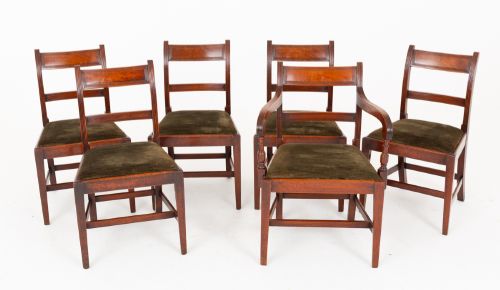
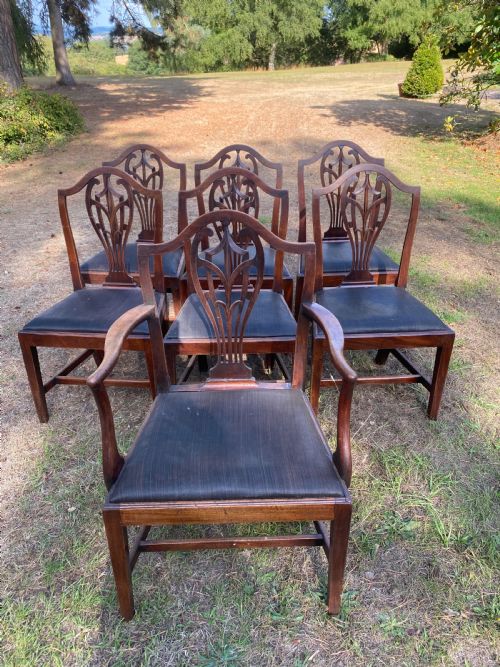
These antique wooden dining carvers offer sturdy seating at the table, shaped from timber like mahogany, oak, ash and elm across several centuries.
Antique Wooden Dining Carvers
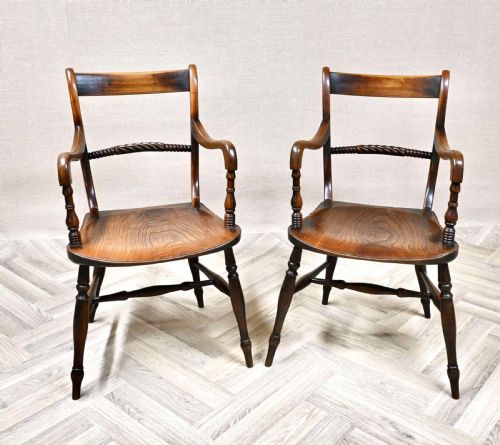
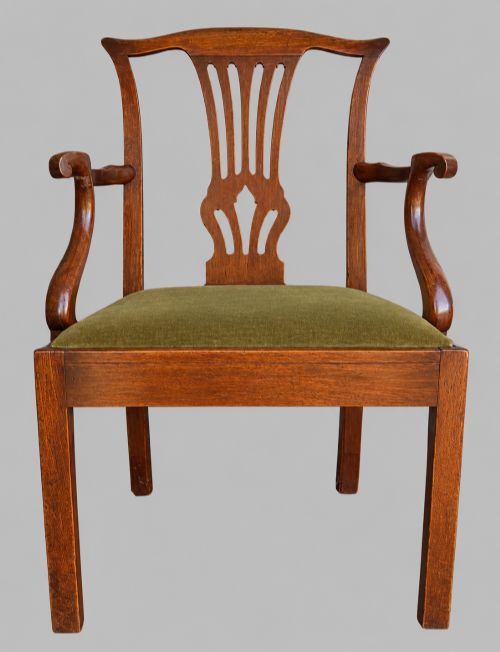
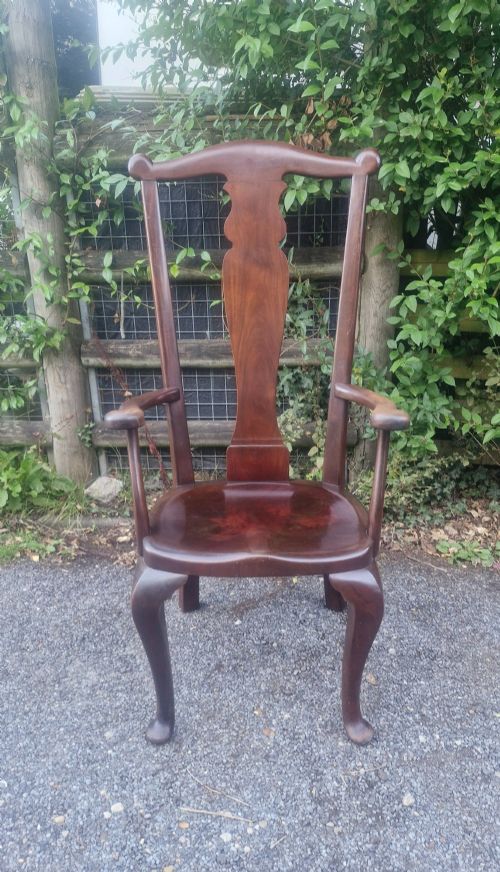
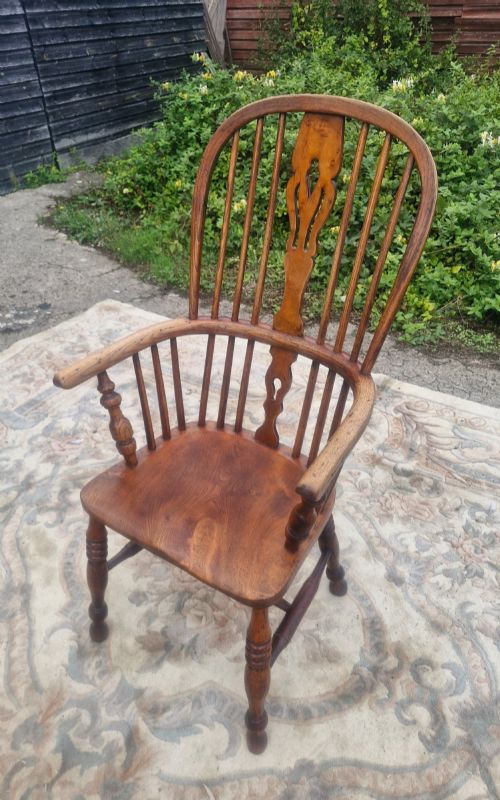
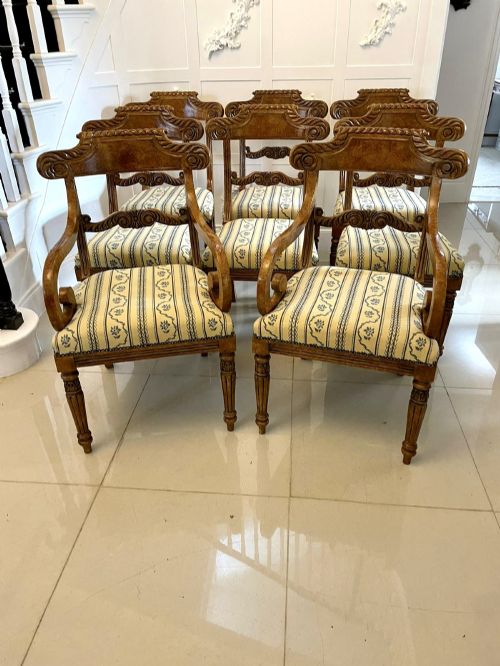
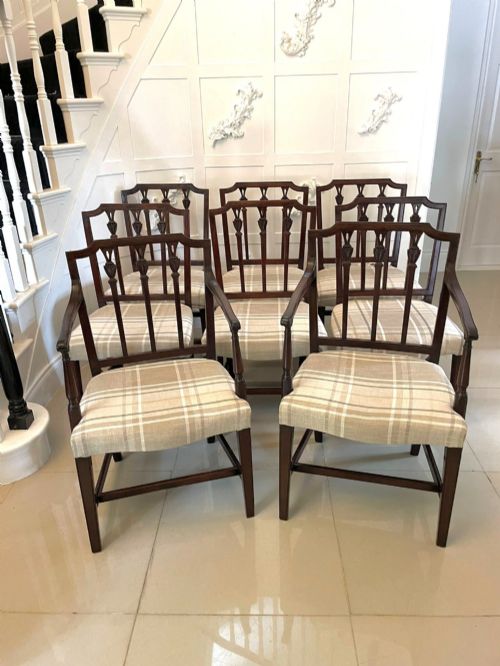
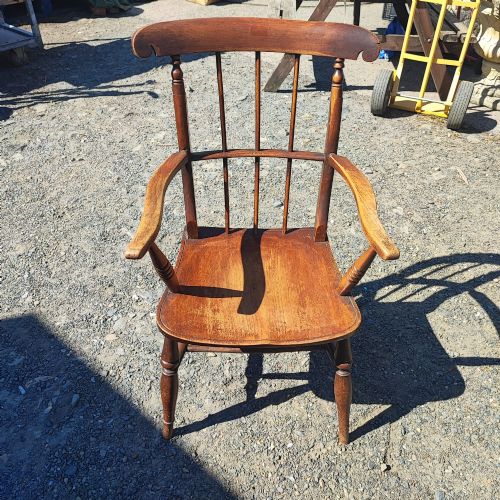
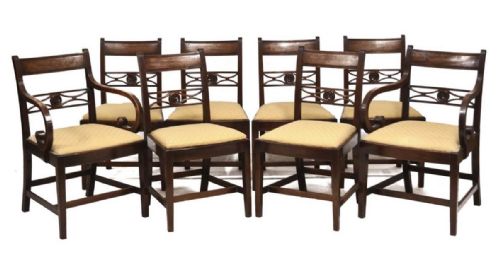
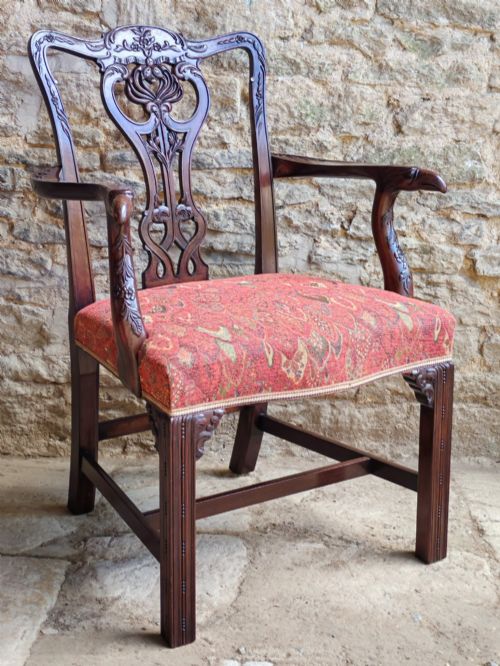
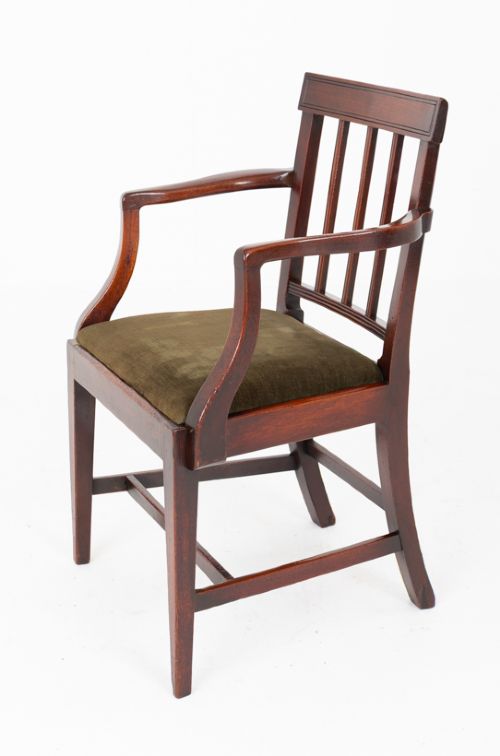
These antique wooden dining carvers represent the principal armchairs traditionally placed at the heads of a dining table. When searching for antique wooden dining carvers, a buyer encounters forms ranging from formal Georgian mahogany frames to rustic English country Windsors in ash, elm and beech.
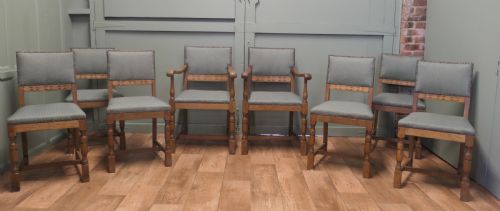
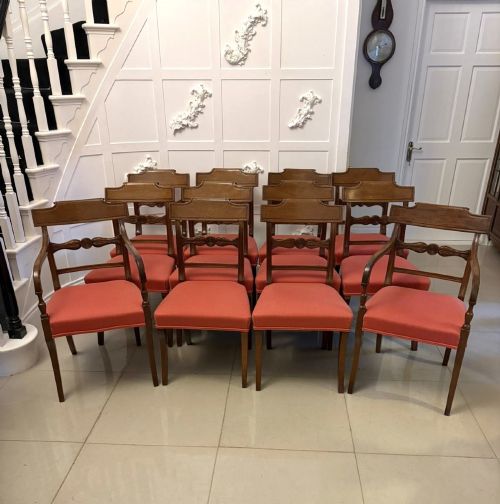
The selection on this page spans distinct periods including the eighteenth century, the Regency era, the Victorian epoch and the Edwardian years. Pieces appear either as matched pairs, single armchairs, or as part of larger suites paired with side chairs.
Workshop styles recorded in the evidence reflect major design movements such as Chippendale, Hepplewhite, Sheraton, Arts and Crafts and the vernacular English Country tradition. The primary function remains a sturdy, supportive seat with armrests for the host at dinner.
Materials and construction
Cabinet makers relied heavily on dense hardwoods like mahogany for formal dining seats, utilising its strength to carve slender lattice backs, shield backs and ribbon rails. Regional makers turned to native timbers such as oak, ash, elm and beech for country farmhouse Windsor and stick-back armchairs.
Joinery techniques combined traditional mortise and tenon frames with steam-bent wooden bows and spindles. Upholstered drop-in seats and fixed squabs were layered over webbing or rush bases using fabrics, leather and velvet.
The evidence includes vernacular country seating in ash and elm alongside formal urban designs in mahogany and satinwood.
Distinguishing quality in timber carvers
Quality rests upon the crispness of the hand-carving on splats and arms, and the structural integrity of the timber joints. Superior examples retain their original framing timber without excessive replacement parts or compromised dowels.
Finer seating displays careful selection of timber grain, particularly in figured mahogany or quarter-sawn oak, alongside well-proportioned rake and scrollwork on the arm terminals.
Gillows·Howard and Sons·Maple and Co·Edward Barnsley
The Antique Wooden Dining Carvers Glossary
- Carver
- An armchair designed to match a set of dining chairs, traditionally used by the host.
- Elbow chair
- An alternative term for an armchair, often featuring low or open wooden armrests.
- Windsor
- A traditional wooden chair constructed with a solid shaped seat into which legs and back spindles are wedged directly.
- Shield back
- A chair back design popularised in the late eighteenth century resembling the outline of a heraldic shield.
- Splat
- The vertical wooden strip down the centre of a chair back, frequently pierced or carved.
Antique Wooden Dining Carvers: Frequently Asked Questions
What is a carver chair?
A carver chair is an armchair specifically built to match a set of dining chairs. They were traditionally placed at the head and foot of the dining table for the hosts.
Over time, these chairs evolved through various stylistic periods, reflecting the prevailing furniture fashions of their respective eras while maintaining their functional role.
How do I match carvers with dining chairs?
Matching carvers to existing dining chairs involves comparing timber types, such as mahogany or oak, and identifying similar stylistic periods or back designs like shield backs or ladder backs.
Many period dining sets were originally sold with a combination of single chairs and a pair of matching armchairs for the table ends.
Are Windsor chairs suitable for dining?
Windsor armchairs provide sturdy and supportive seating around a kitchen or informal dining table. Their stick-back and hoop-back construction offers robust daily utility.
Country versions in ash, elm and beech bring a distinct vernacular aesthetic to domestic interiors.
How do I care for antique wooden frames?
Maintaining antique wooden frames requires keeping them away from direct heat sources and sudden humidity changes to prevent the timber from splitting. Regular dusting with a dry cloth protects the polished surface.
Conditioning leather or fabric upholstery gently helps preserve textiles without harming the surrounding wood.