

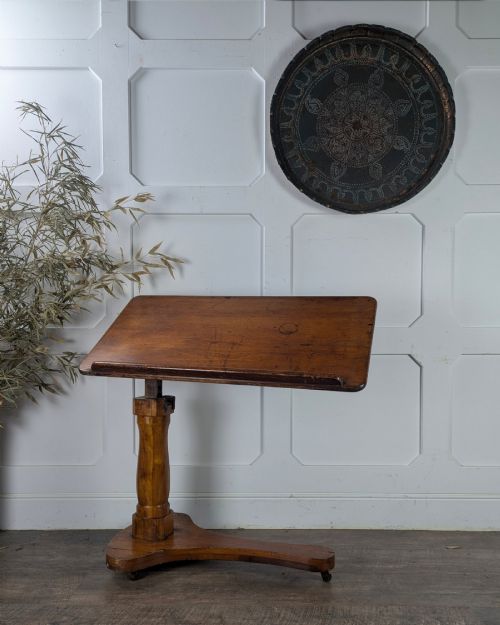
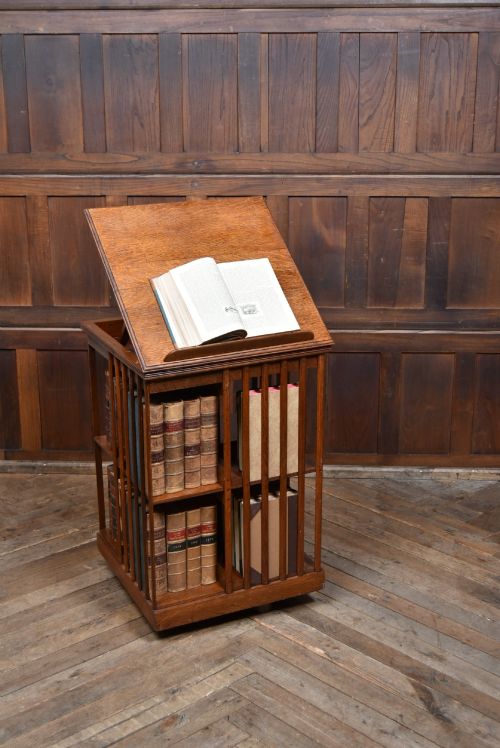
Antique Wooden Desk Stand
An antique wooden desk stand organises correspondence and writing instruments, bringing timber grain and period character to a working surface.
Antique Wooden Desk Stand
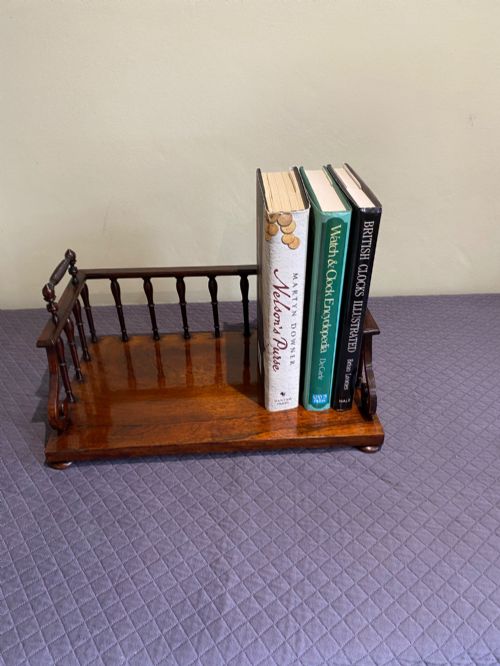
An antique wooden desk stand encompasses small writing equipment containers, inkstands, and desktop accessories designed for the nineteenth and early twentieth-century study. These pieces accommodate inkwells, pens, and paper, bringing traditional utility to a surface.
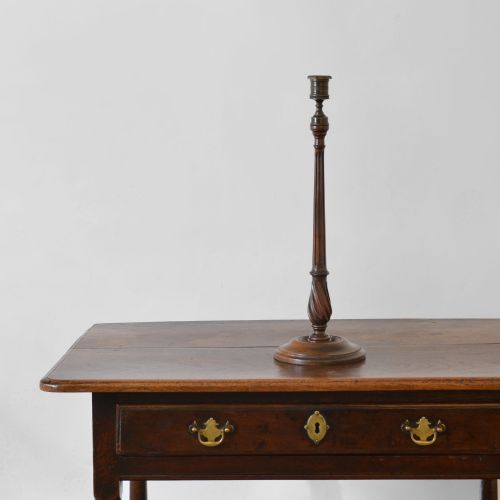
The selections here range from compact oak and mahogany desk articles to walnut and brass combinations spanning the Victorian, Edwardian, and Regency periods. Buyers encounter varied forms intended for organising correspondence and desk stationery.
Assessing the standard
Quality rests in the precision of the timber selection, the crispness of carved enrichment, and the integrity of fitted brass components. Superior examples display thoughtful grain matching and robust construction without excessive restoration.
The finesse of secondary details, such as glass inkwell inserts and secure hinges, separates standard utility items from finer decorative desk accessories.
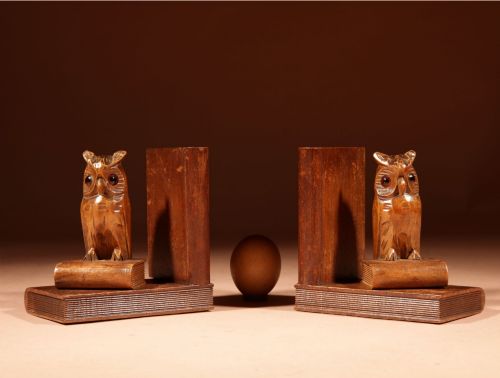
A pair of carved wooden owls keeps permanent watch over scattered postage stamps and stray nibs.
Arthur Simpson·Gillows
The Antique Wooden Desk Stand Glossary
- Inkstand
- A desktop tray or stand fitted to hold inkwells, sanders, and pen rests. These items anchor the writing equipment on a traditional desk.
- Gothic Revival
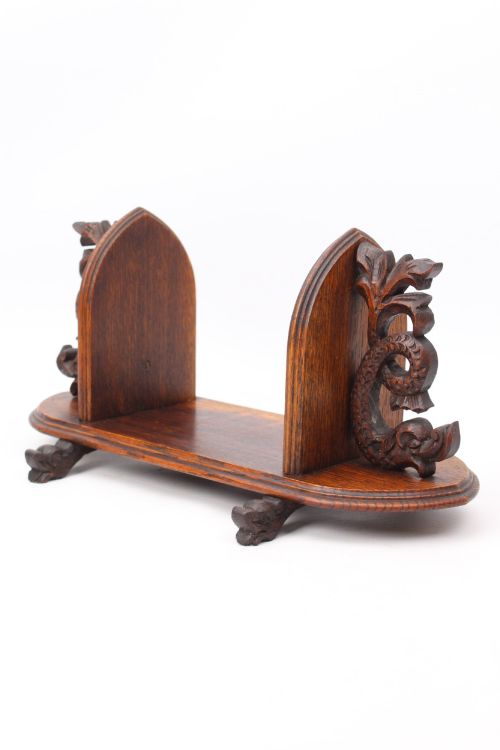
- A design style drawing on medieval architectural motifs including pointed arches and heavy tracery. This aesthetic appears frequently in nineteenth-century oak furnishings.
- Arts and Crafts
- A movement prioritising visible handcraftsmanship and simple structural forms over machine production. Pieces in this style celebrate natural timber textures.
- Black Forest
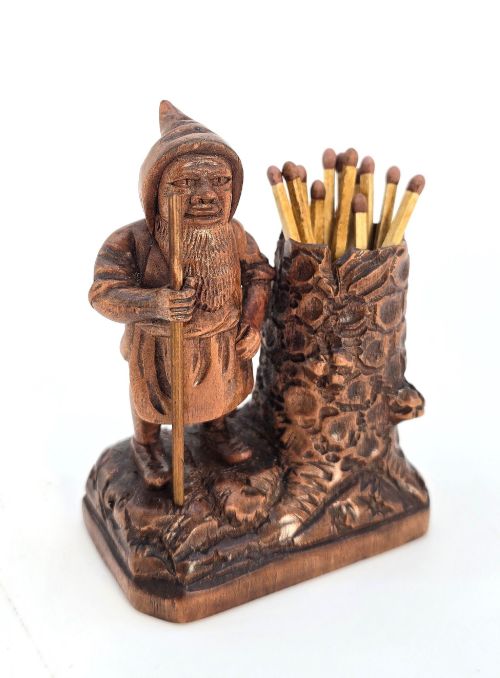
- A style of carving originating in central Europe known for naturalistic animal subjects. Owl figures and woodland motifs frequently decorate these desk items.
- Regency
- A classical British design period spanning the early nineteenth century defined by clean lines and elegant proportions. Rosewood and mahogany predominated in these refined interiors.
Antique Wooden Desk Stand: Frequently Asked Questions
What fits on an antique desk stand?
These stands typically hold glass inkwells, pen trays, and sometimes compartments for stamps or sealing wax. They were positioned centrally on a writing table for easy access during correspondence.
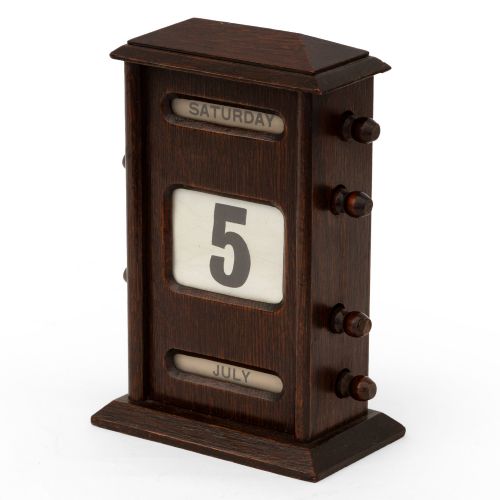
Larger configurations occasionally incorporated calendar frames or match strikers alongside the primary ink reservoirs.
How do I date a wooden desk accessory?
Dating relies on timber choice, fastening methods, and stylistic cues such as Victorian Gothic carving or Edwardian inlay. Secondary woods inside drawers and the composition of metal hinges offer further clues.
Makers' marks, paper labels, or registration stamps occasionally provide definitive production years.
Are these desk stands still practical?
Many collectors utilise them for holding modern fountain pens, paperclips, or business cards while protecting historical writing surfaces. Glass inkwells accommodate contemporary ink for those who practice traditional calligraphy.
Their compact footprints allow them to function effectively on modern side tables and desks.
What woods were used most often?
Oak and mahogany appear most frequently across nineteenth-century examples due to their robust nature and availability. Walnut and rosewood were selected for more formal, decorative pieces.
Pine and fruitwoods also emerge in regional vernacular items and specific Arts and Crafts productions.