
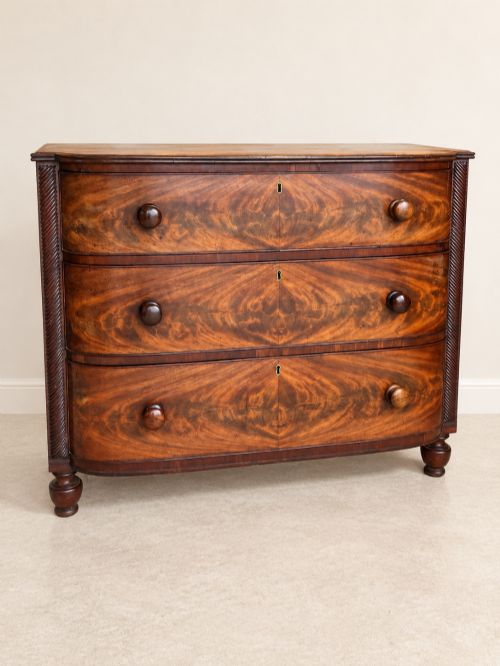
Antique Wooden Column
These antique wooden column pieces offer solid structural presence and timeless display surfaces, making them essential additions for elevating art or plants.
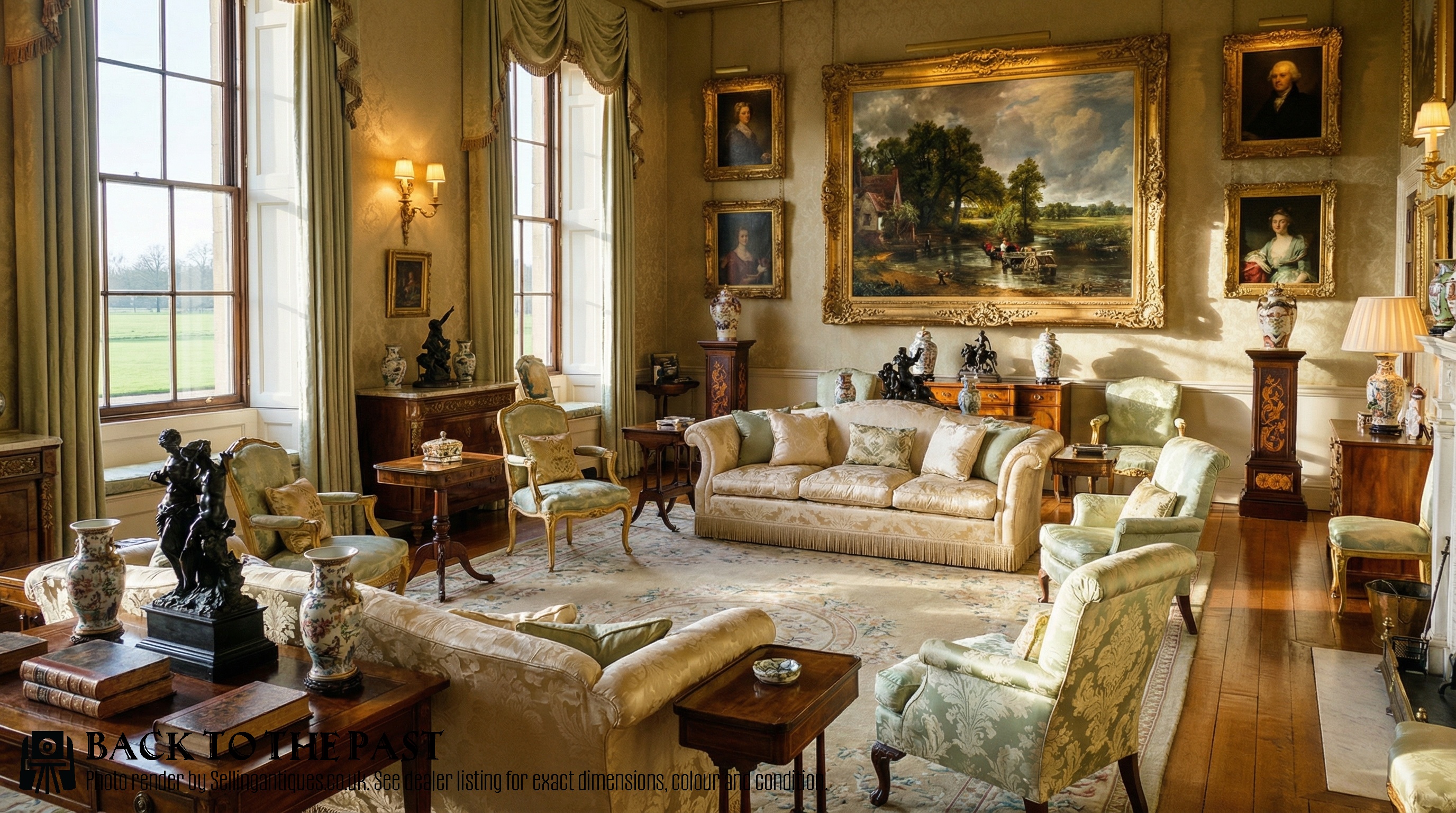
What an antique wooden column is
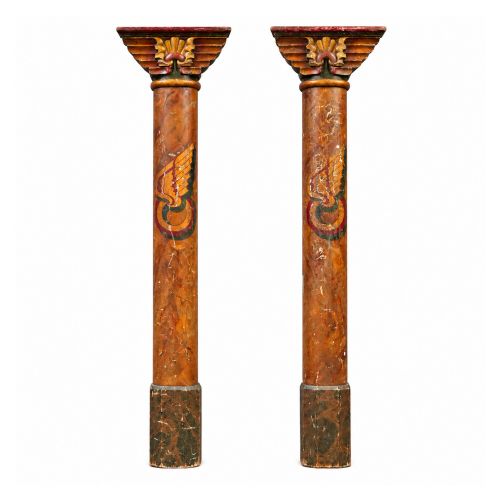
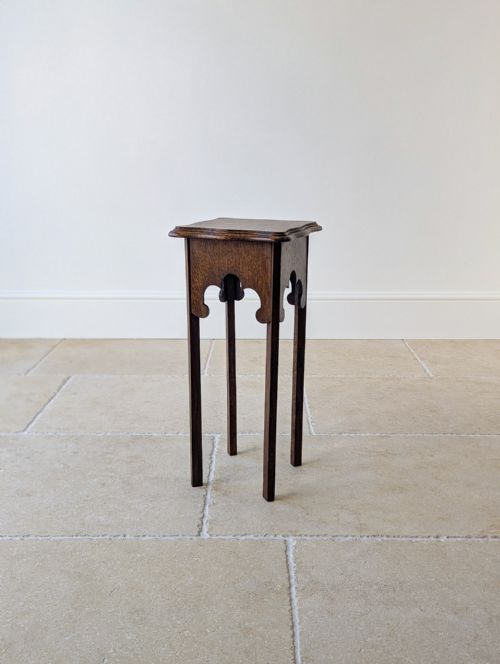
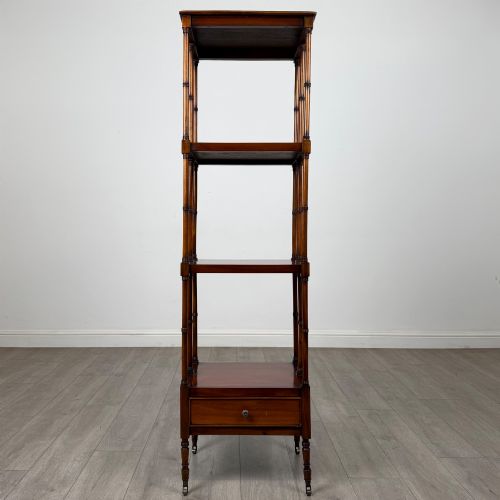
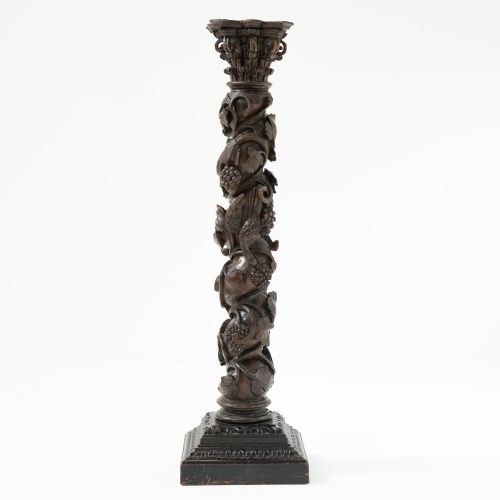
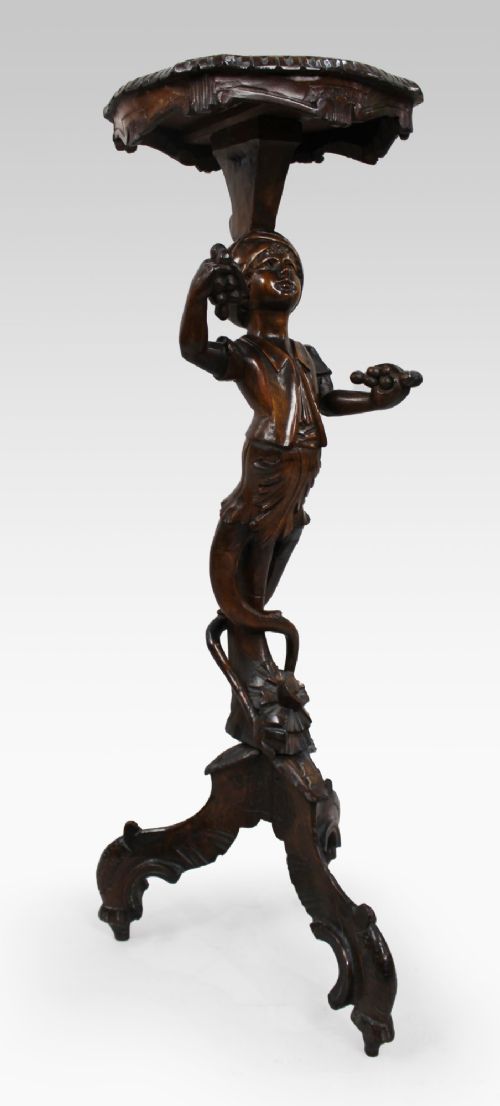
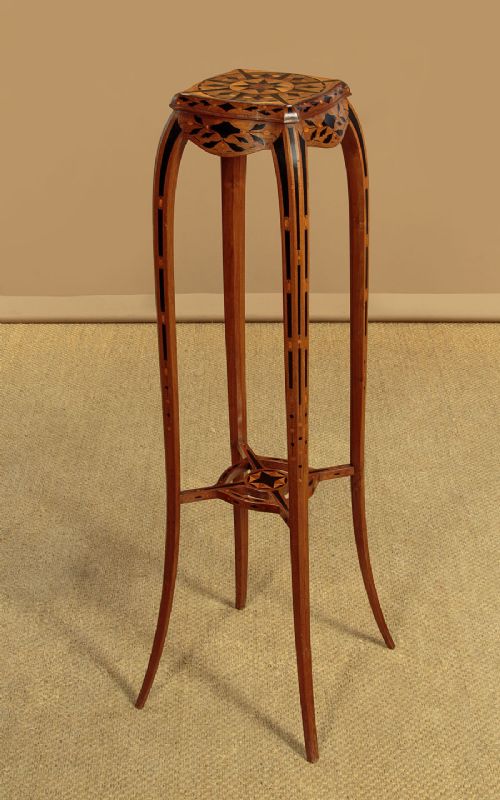
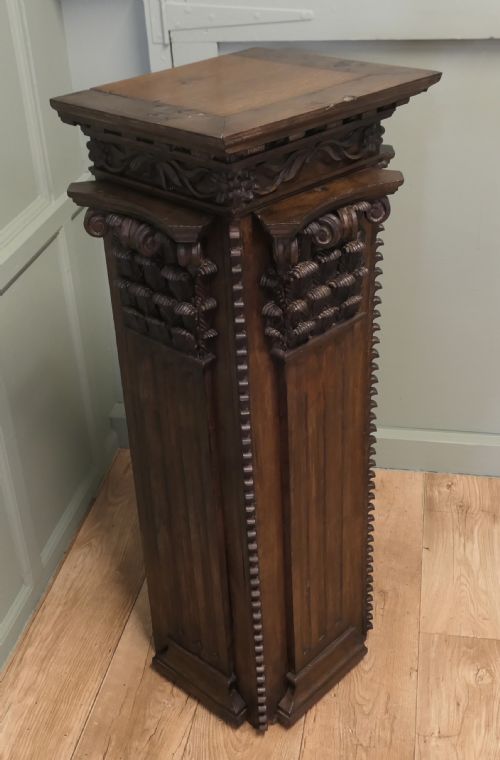
An antique wooden column functions primarily as a pedestal, plinth, torchère, or display stand. These pieces serve to elevate sculptures, urns, plants, or decorative objects within a room.
The selections span from the Victorian era into the early twentieth century. Common forms include turned wooden columns, architectural half columns, and substantial pedestals.
Stylistic influences range widely across individual items. Examples incorporate Italian Renaissance Revival, Empire Revival, and Aesthetic Movement design characteristics.
How they were made
Maker construction employs a variety of solid timbers and select veneers. Materials recorded include mahogany, walnut, burr walnut, satin birch, birch, and ebonised wood.
Surface treatments involve traditional wood finishes, paint, and occasional gilding. Certain items feature carved wooden details alongside turned profiles.
Retail Price Guide 2026
Typical UK retail prices for wooden column, calculated from the Sellingantiques database of over a million retail prices indexed since 2003. This retail price guide relies exclusively on Sellingantiques data; no external sources or auction records are used, so the figures do not describe the wider market.
Listings feature woods such as mahogany, walnut, birch, and ebonised timber across Victorian and early twentieth century periods.
What varies in quality
Quality differences emerge through the choice of timber and the ambition of the carving. Finely figured woods like burr walnut and satin birch elevate a piece above standard mahogany or painted pine.
The refinement of the turning and the execution of historical revival styles separate standard workshop output from exceptional studio production.
Gillow & Co.
The Antique Wooden Column Glossary
- Torchere
- A tall stand or pedestal designed specifically to hold a light or a decorative plant. These slender forms originated to support candle lamps before the arrival of electric lighting.
- Pedestal
- A structural support or base for a statue, vase, or column. They lift display items to eye level.
- Ebonised wood
- Timber treated with a chemical stain or finish to imitate ebony. This dark, formal treatment gained popularity during the nineteenth century.
Frequently Asked Questions
What is an antique wooden column used for?
These items serve primarily as display stands for sculptures, urns, and heavy decorative objects. They lift focal points to eye level in a room.
They also function as plant stands or standalone architectural elements that add vertical interest to an interior.
How do I date an antique wooden column?
Dating relies on timber selection, construction methods, and stylistic revival details. Pieces from the Victorian period often utilise rich mahogany or ebonised surfaces.
Twentieth century examples incorporate specific regional styles such as Empire Revival birch designs.
Where should I place a wooden pedestal?
Columns work well in corners, framing doorways, or anchoring large open wall spaces. Their height draws the eye upward.
Ensure the base sits securely on level flooring to support heavier display items safely.
What woods are typical for these columns?
Makers utilised a diverse range of timbers including mahogany, walnut, and birch. Burr walnut and satin birch appear in high status decorative pieces.
Paint and gilding also feature on turned wooden surfaces across different revival periods.