
Antique Wooden Coffer Drawers
These antique wooden coffer drawers combine secure storage with domestic utility, offering heavy timber construction and practical internal compartments for the traditional home.
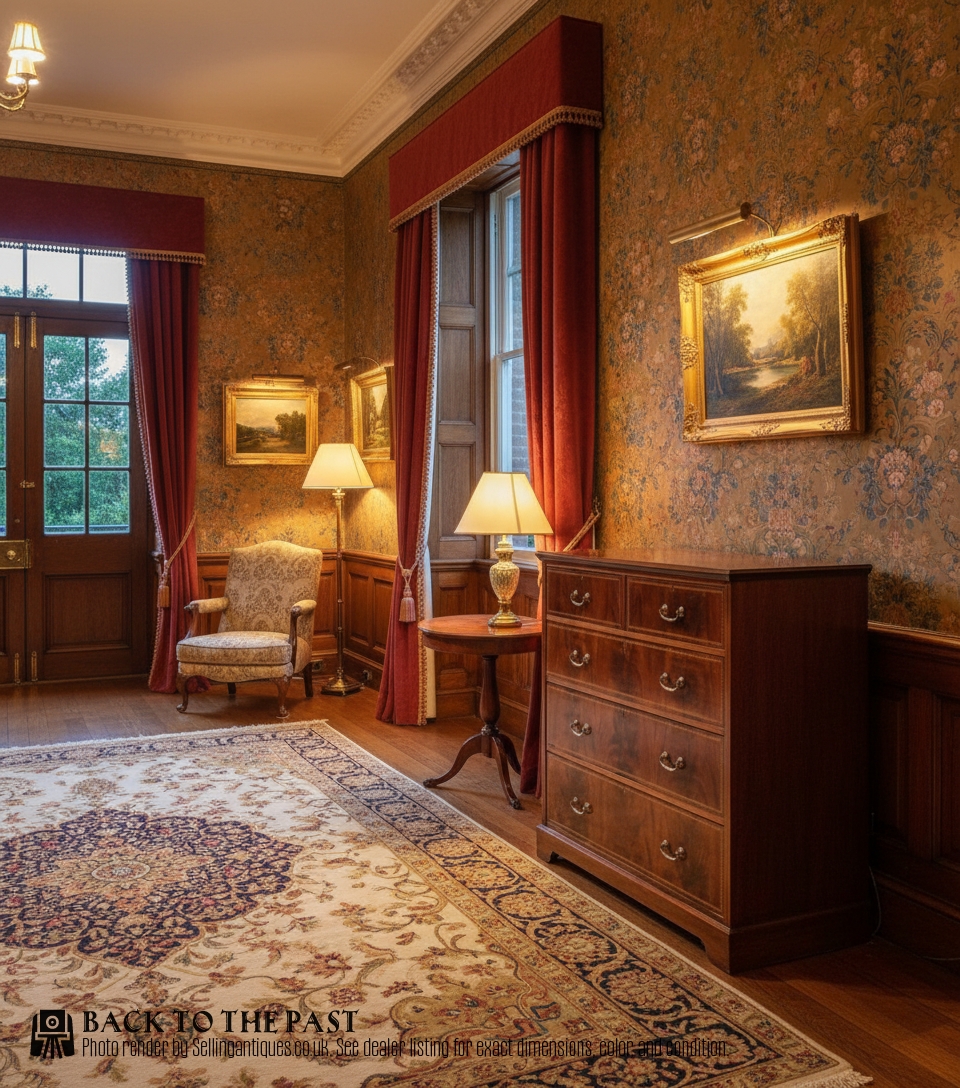
Antique Wooden Coffer Drawers
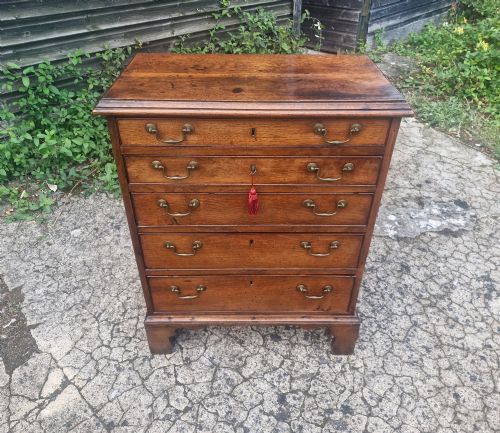
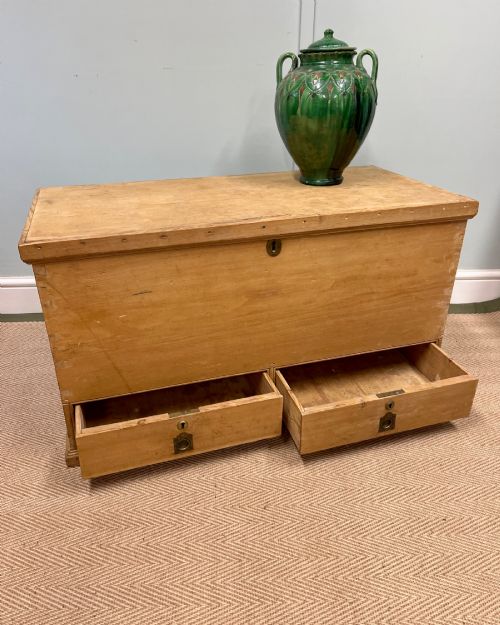
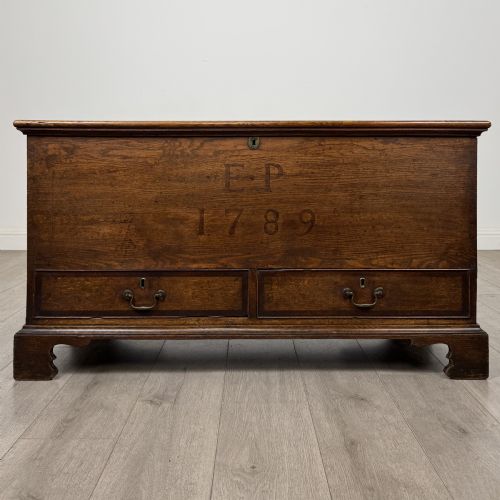
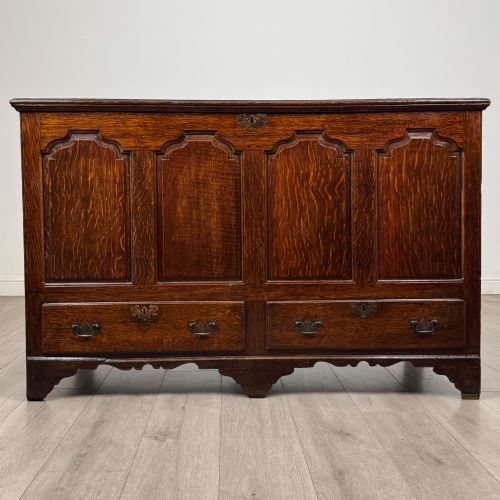
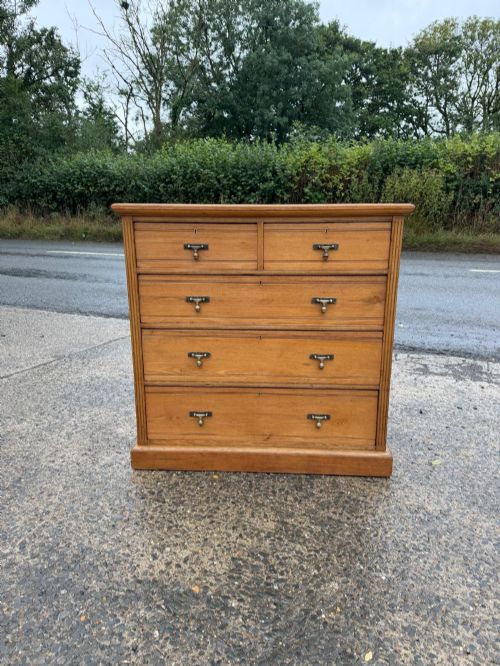
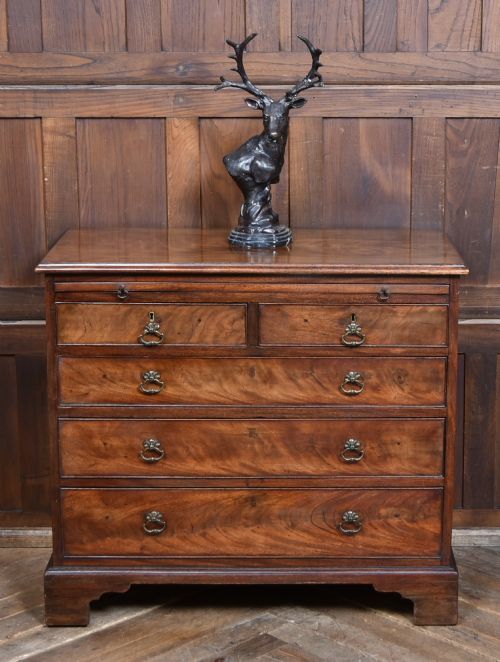
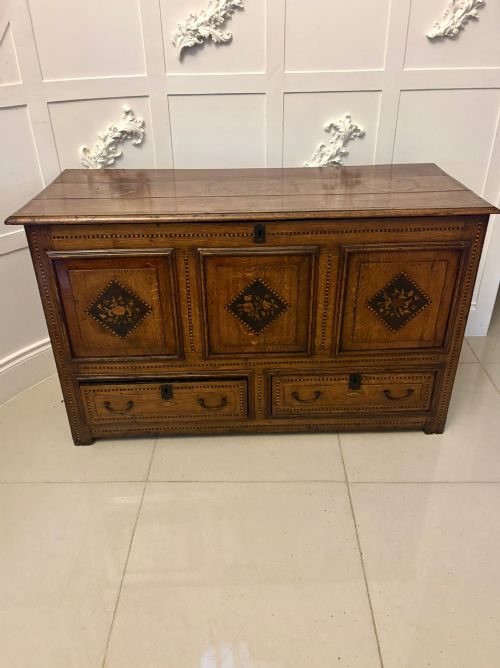
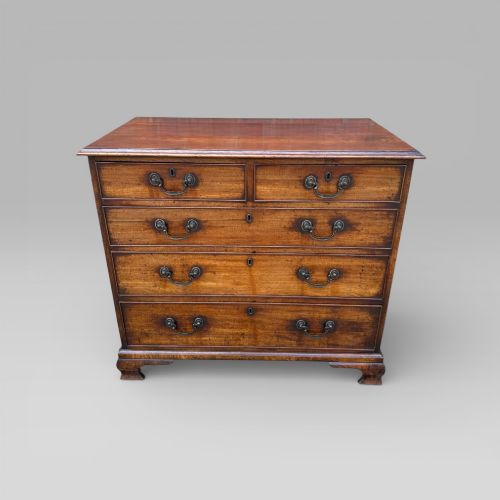
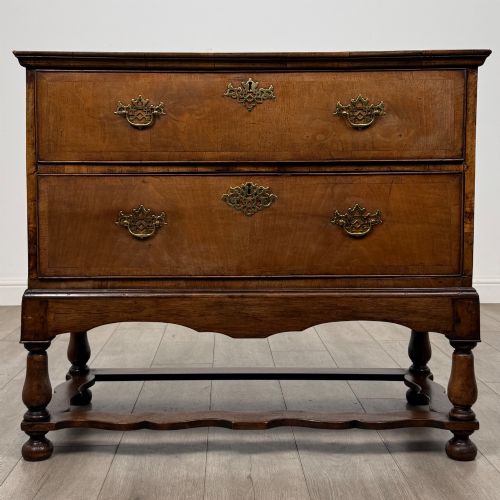
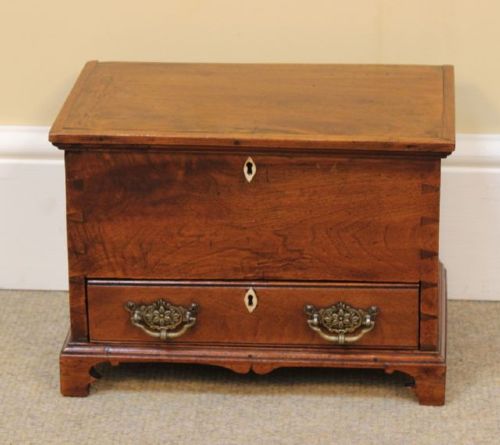
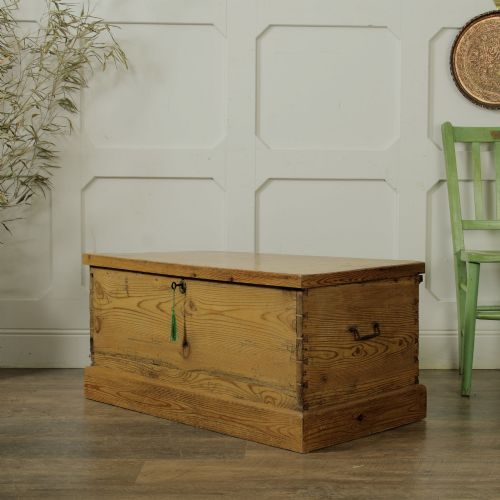
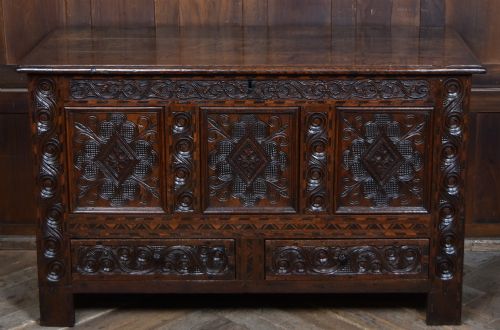
When you search for antique wooden coffer drawers, you encounter a hybrid form that merges the deep lidded compartment of a traditional storage chest with the lower drawers of a cabinet. The listings on this page span several centuries, running from seventeenth-century joined work through Georgian iterations to nineteenth-century vernacular pieces.
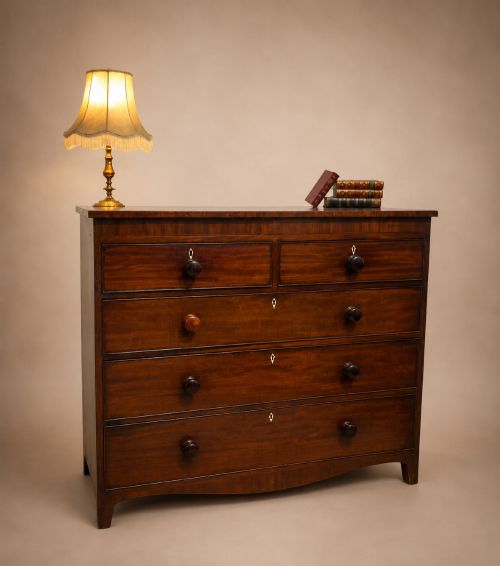
You meet mule chests and coffer bachs most frequently among these forms, alongside standard chests of drawers fitted with internal compartments. These items served primarily for storing household linens, woollens and personal valuables in domestic chambers before fitted wardrobes became common.
The regional examples present distinct local traits, particularly the Welsh vernacular pieces and Lancashire mule chests constructed by country joiners. These provincial variations display straightforward utilitarian design combined with native timber choices appropriate to their respective districts.
Materials and construction methods
Joiners relied heavily on native hardwoods, primarily oak and walnut in earlier periods, before shifting towards mahogany, pine and occasionally exotic veneers in the eighteenth and nineteenth centuries. Boards were joined using traditional pegged mortise and tenon joints for the structural carcase, while drawer frames utilised precise dovetail construction to withstand daily use.
Surface ornamentation involved simple moulding, panel carving, marquetry inlay and crossbanding using contrasting timbers to highlight drawer fronts and lid margins. Joiners finished these surfaces with wax or oil to nourish the grain rather than applying heavy modern varnishes.
Regional styles represented include Welsh vernacular, Georgian, Victorian and Jacobean traditions across various box, trunk and drawer configurations.
Assessing craftsmanship and integrity
The distinction between ordinary utility items and superior pieces rests upon timber selection, timber figure and the crispness of the hand-carved mouldings or inlay work. Coarser country pieces display functional pegged joints and plain deal carcasses, whereas high-status examples utilise figured walnut, flame mahogany or burr elm panels.
Originality of surface and hardware governs the standing of these objects. Pieces retaining their early brass drop handles, keyplates and unblemished wax finishes command greater respect than those stripped down or heavily rebuilt during later eras.
J Moorcroft
The Antique Wooden Coffer Drawers Glossary
- Coffer bach
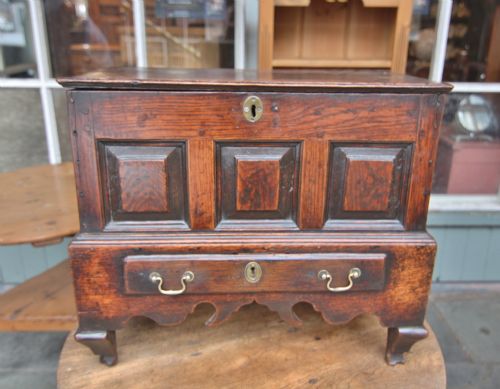
- A small Welsh oak storage chest fitted with one or more drawers beneath the main lift-up compartment. The term translates literally from Welsh as a little coffer.
- Mule chest
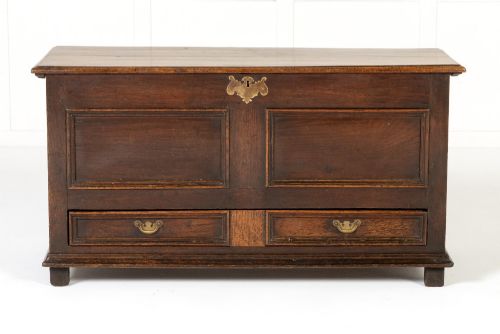
- A storage chest featuring a lidded compartment above one or more lower exterior drawers. This form represents a direct transition between the traditional blanket chest and the modern chest of drawers.
- Crossbanding
- A decorative border technique where thin strips of veneer are laid across the grain of the primary wood. This method frames drawer fronts and top boards with a contrasting linear pattern.
- Apprentice piece
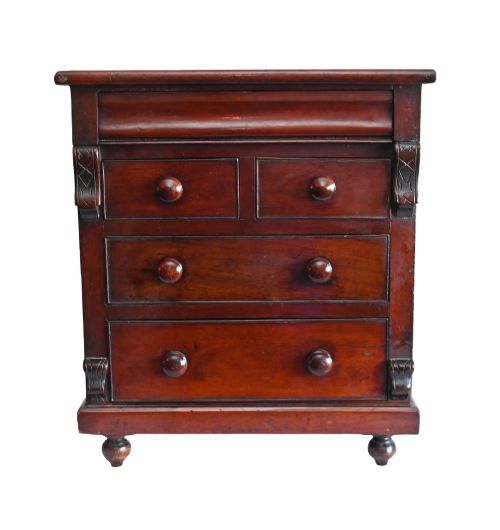
- A small-scale model demonstration item constructed by a craftsman in training to prove competence. These diminutive chests mirror the exact joinery methods of full-scale furniture.
- Table box
- A compact lidded container designed to sit upon a desk or side table for holding documents and small valuables. Many incorporate concealed internal drawers beneath the main storage well.
Antique Wooden Coffer Drawers: Frequently Asked Questions
What is a coffer bach?
A coffer bach is a traditional Welsh miniature chest featuring a lidded top compartment above one or more base drawers. These scaled-down pieces served as valuable household storage for personal linens or christening gifts.
Craftsmen built them using native oak, often displaying simple panel construction and traditional pegged joinery typical of regional seventeenth and eighteenth-century workshops.
How do mule chests differ from standard chests?
Mule chests combine the deep lift-up lid of a traditional storage trunk with one or more functional drawers positioned underneath. This hybrid design bridged the gap between early chest storage and modern drawer cabinets.
Householders stored bulky bedding in the upper compartment while keeping smaller garments easily accessible in the lower sliding drawers.
What woods were used in these pieces?
Oak and walnut dominate the earlier seventeenth and eighteenth-century examples, reflecting the heavy reliance on native British hardwoods by regional joiners. Later Georgian and Victorian pieces introduced mahogany, pine and decorative fruitwood veneers.
Makers frequently combined primary exterior timbers with secondary woods like deal or pine for internal drawer linings and backboards.
Where were these chests kept at home?
These pieces found a practical place in bedrooms, landings and living halls where families needed secure storage for textiles and valuables. Their sturdy flat tops also allowed them to function as surface tables when not being opened for linens.
Smaller box forms rested upon tables or sideboards to contain writing materials, documents and personal keepsakes.