

Antique Wooden Clock Casing
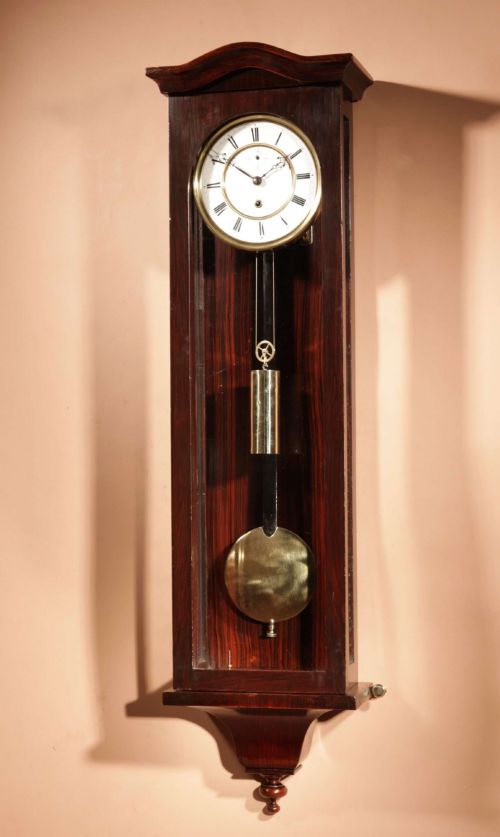
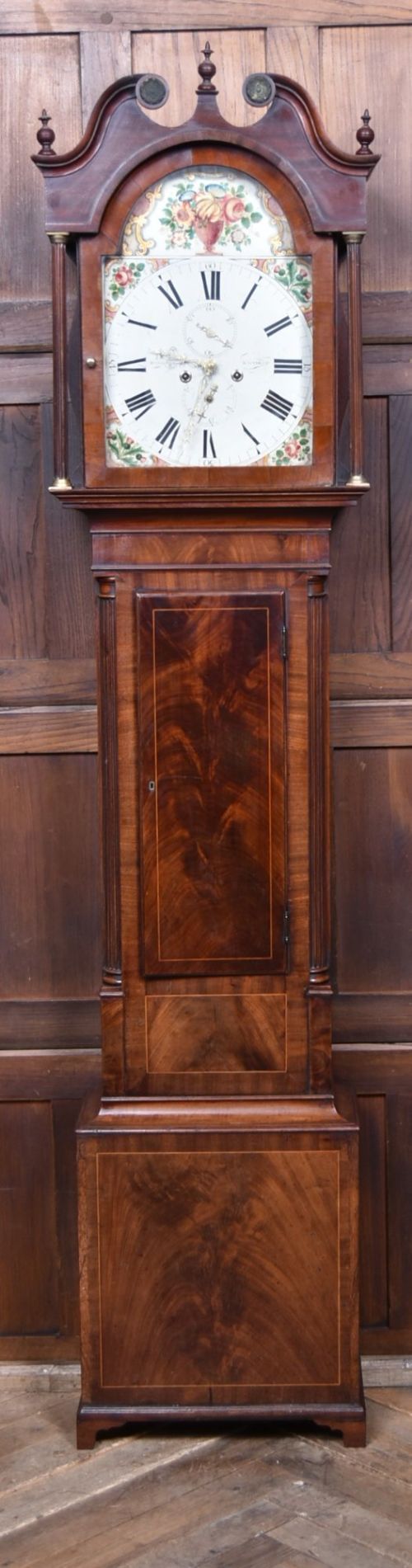
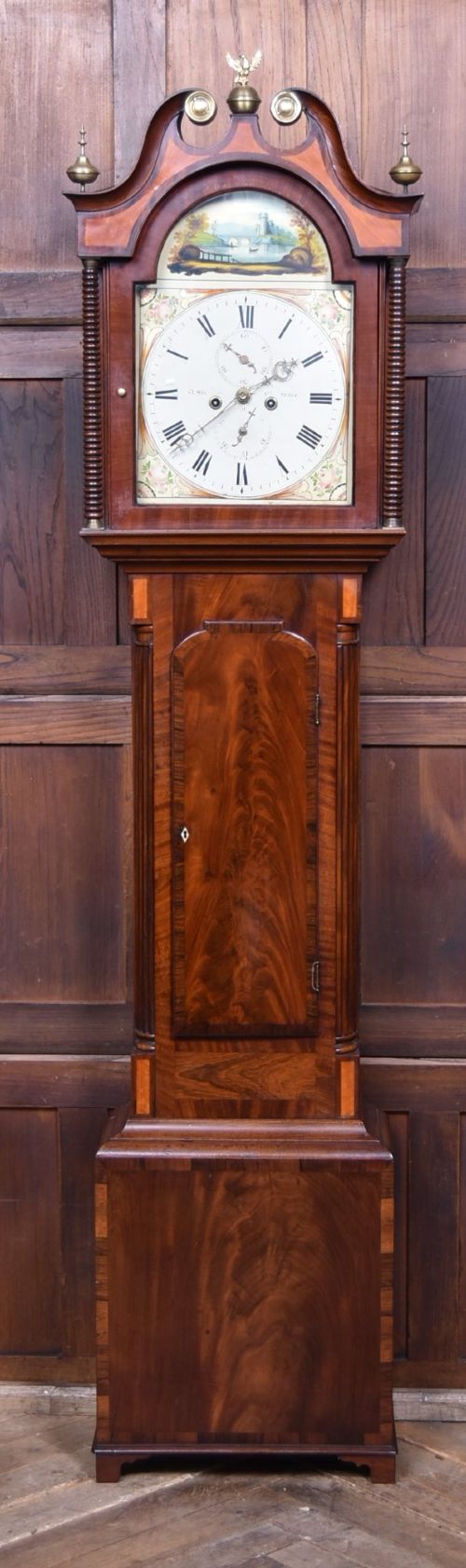
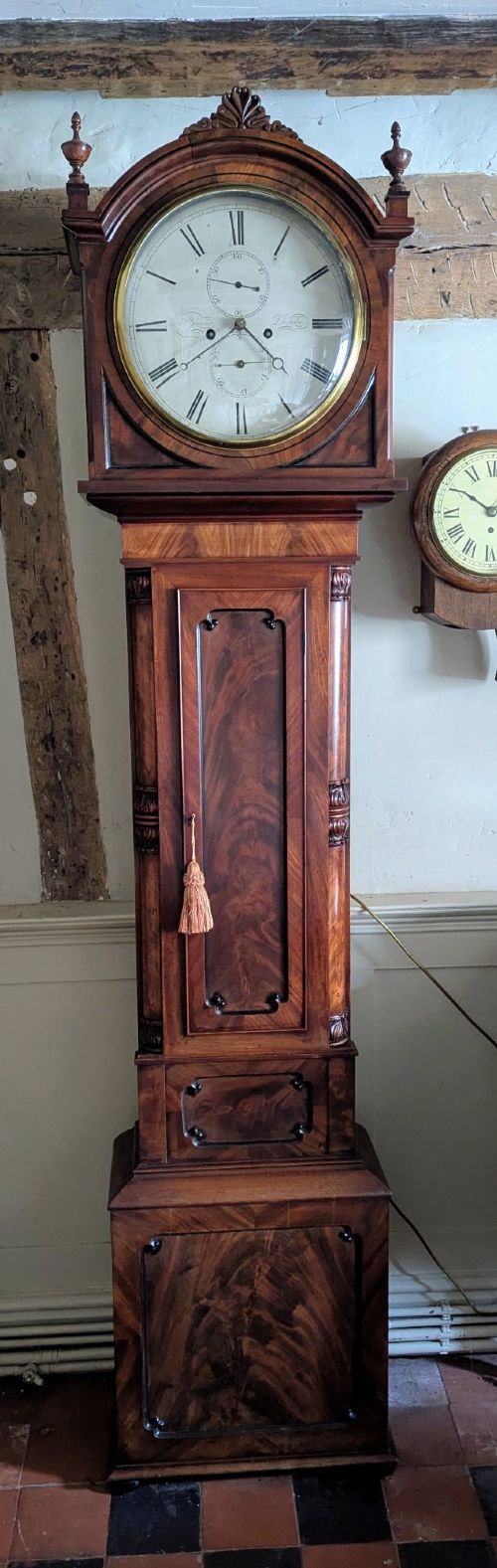
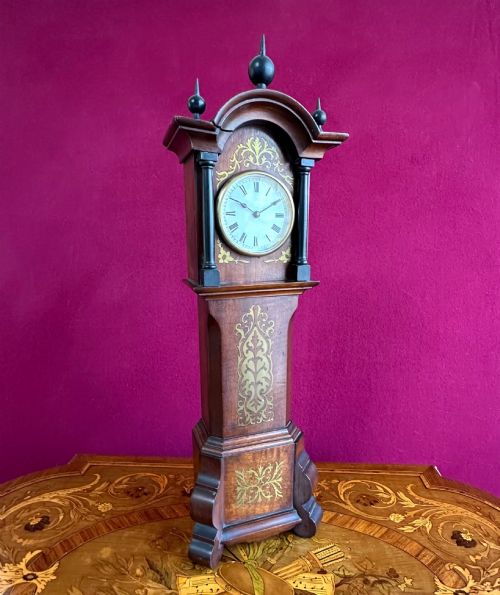
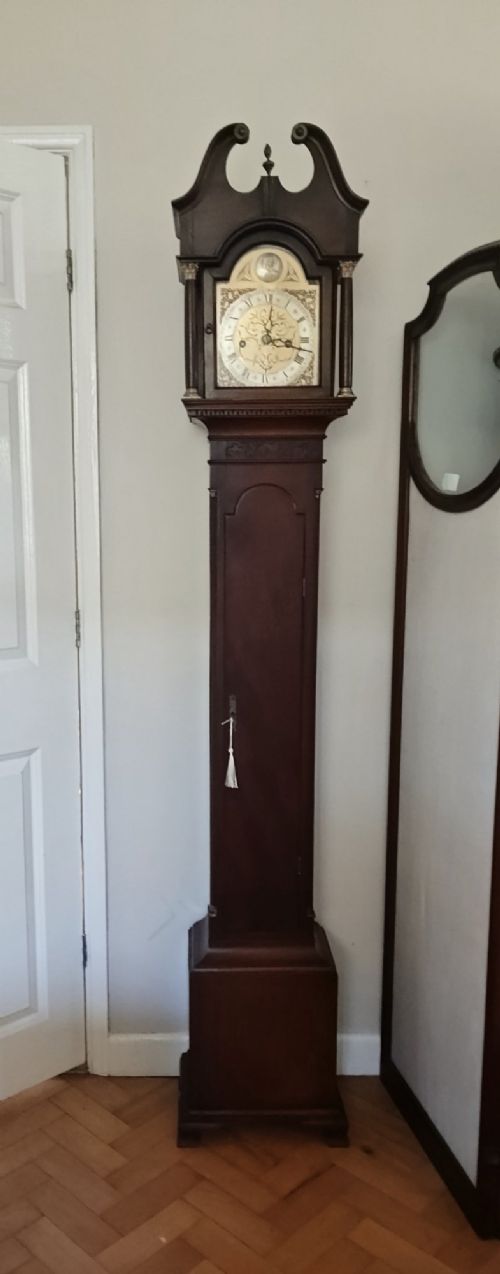
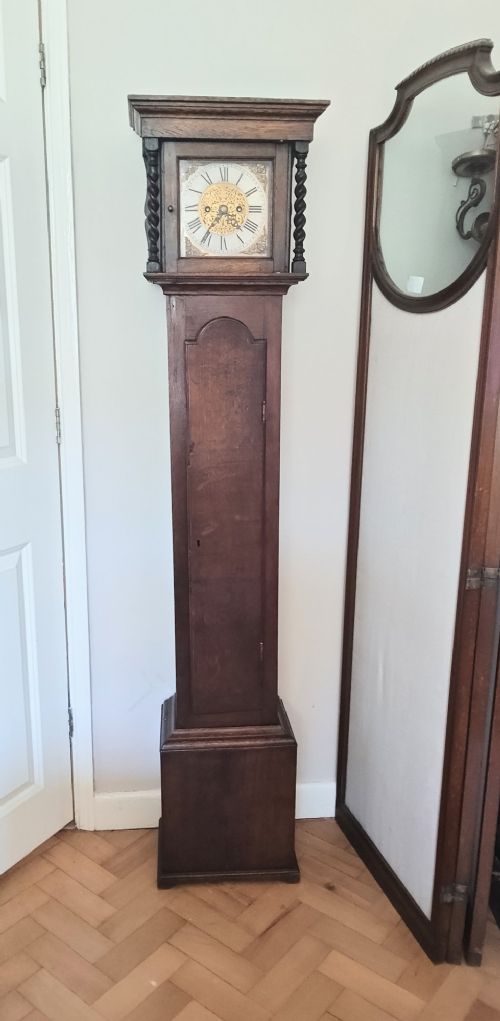
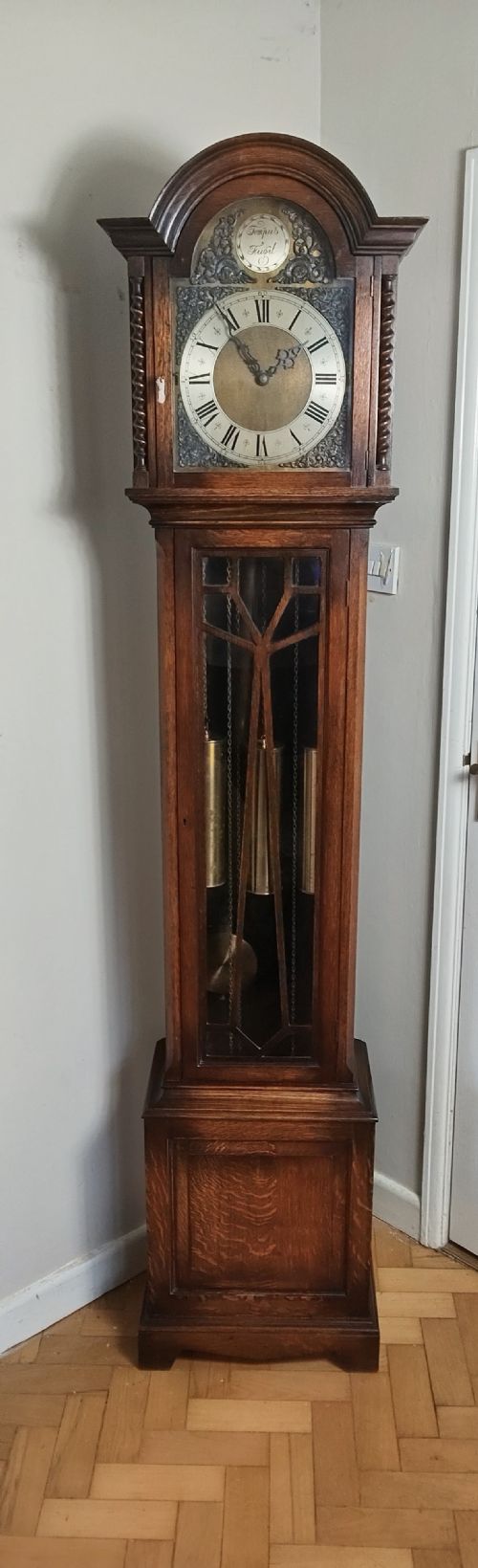
An antique wooden clock casing holds the mechanism and dial, bringing warmth through mahogany, oak, and walnut housings.
Antique Wooden Clock Casing
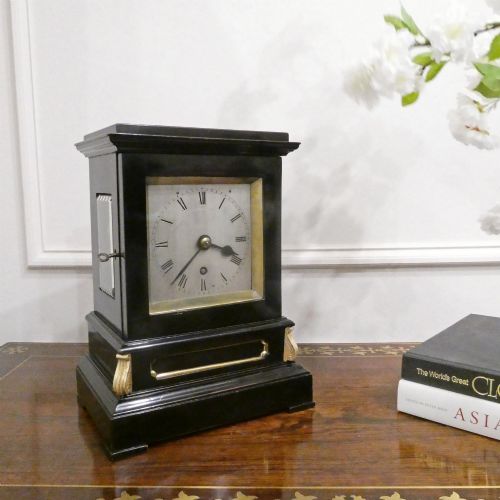
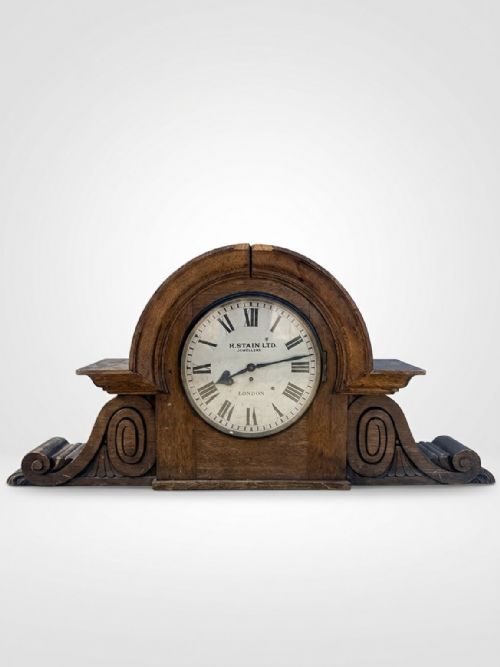
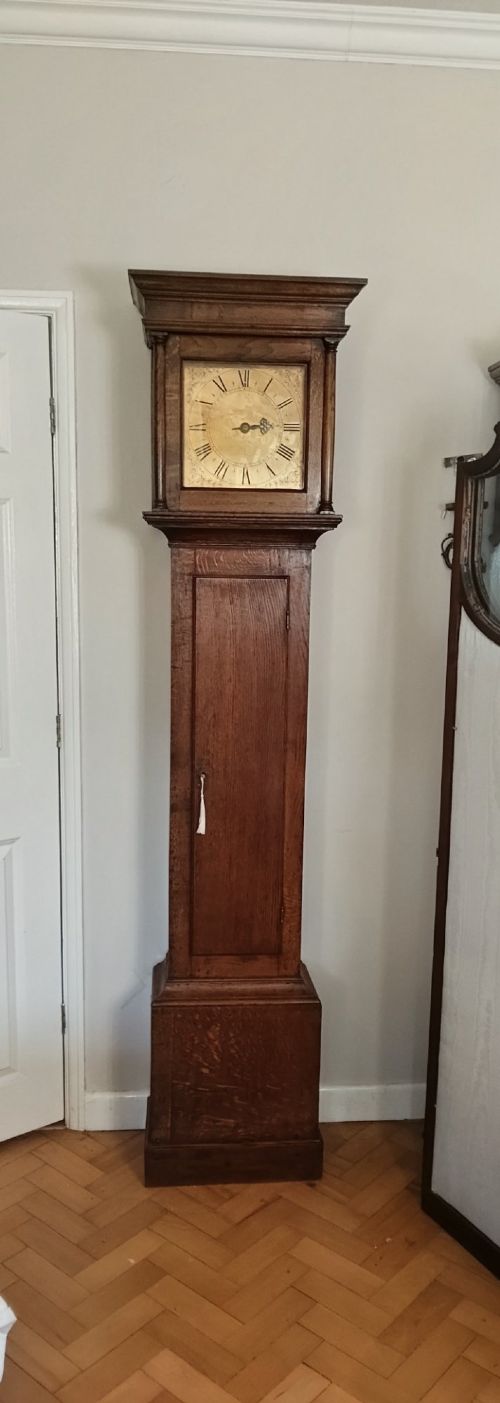
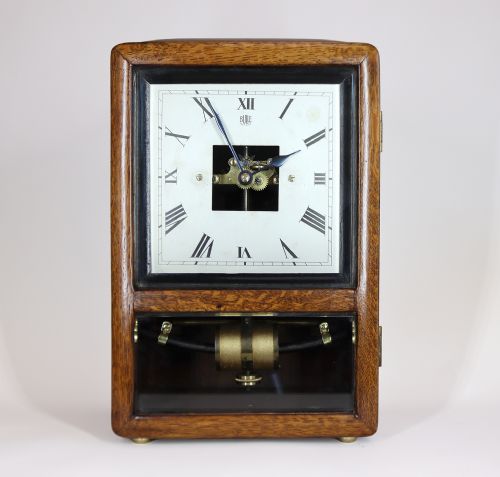
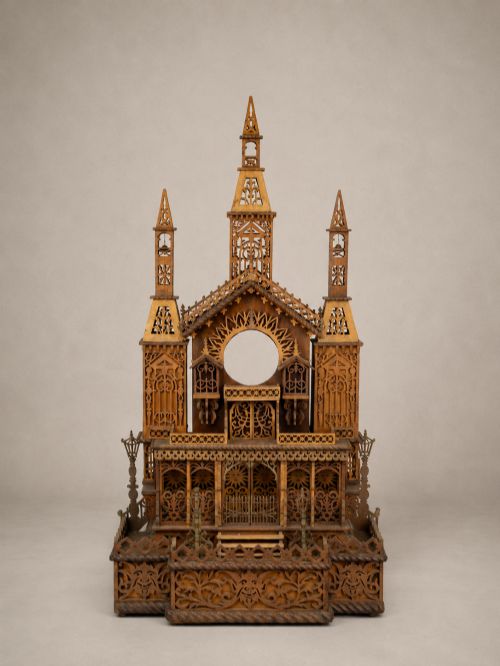
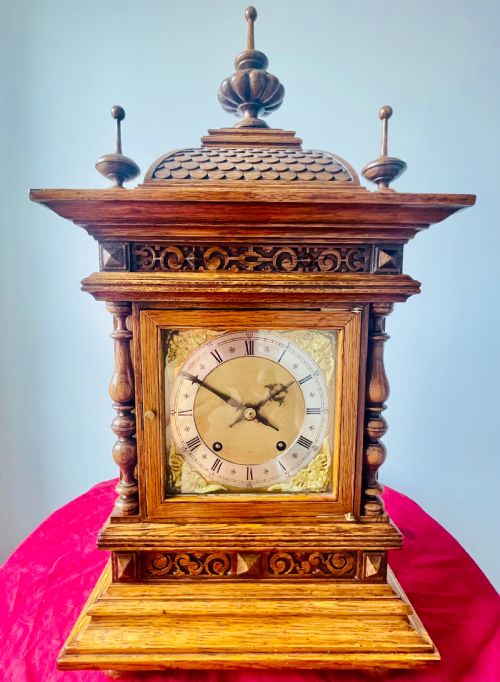
An antique wooden clock casing encompasses tall longcase housings, wall styles, and smaller mantel pieces from the Georgian, Victorian, and Edwardian eras. These wooden enclosures range from architectural fretwork designs to simple domestic floor-standing housings.
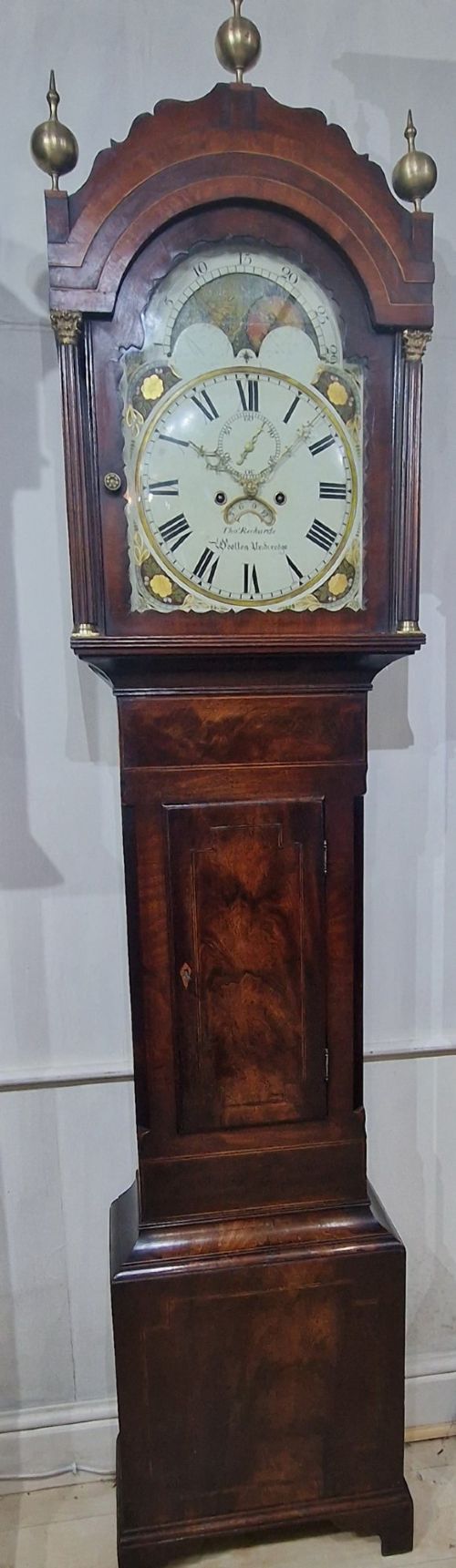
The versions most frequently met on this page are tall mahogany or oak longcase clock bodies, alongside walnut and ebonised wall and mantel housings. They originate from British, Scottish, and continental workshops spanning the eighteenth, nineteenth, and early twentieth centuries.
Distinctions in construction and design
The refinement of the timber selection and cabinet work dictates the standing of an antique wooden clock casing. Finely figured mahogany or quarter-sawn oak with balanced proportions and crisp carved mouldings sit above plain, utilitarian housings.
Originality of the wooden housing, including matching hood pillars, intact glass panels, and well-preserved surface patination, separates standard utility pieces from high-grade architectural and regional examples.
Hendrie Ogg·D. Straiton·Tait·Rickards·Dent·Winterhalder
The Antique Wooden Clock Casing Glossary
- Longcase clock
- A tall freestanding wooden clock casing designed to shelter a weight-driven movement and pendulum. These housings are also commonly referred to as grandfather or grandmother clocks.
- Bracket clock
- A portable mantel or shelf housing, originally built with a handle or bracket for carrying between rooms. Later examples often remain purely decorative table or desk pieces.
- Fusee
- A conical pulley mechanism inside the housing connected to a chain or cord, designed to equalise the driving force of the mainspring. It represents a hallmark of better mechanical construction.
- Crossbanding
- A decorative border technique where thin strips of veneer are laid across the grain of the primary timber housing. This adds visual contrast to drawer fronts and door panels.
- Dial
- The faceplate showing the hours and minutes, typically constructed from painted iron, brass, or enamel. It sits behind the glazed door of the clock housing.
Antique Wooden Clock Casing: Frequently Asked Questions
What is an antique wooden clock casing?
An antique wooden clock casing is the protective and decorative housing made from timbers such as oak, mahogany, and walnut to enclose a clock movement and dial.
These housings range from tall longcase bodies standing on the floor to compact wall-mounted boxes and tabletop mantel enclosures.
How do I tell Georgian casings from Victorian ones?
Georgian clock casings often display understated oak or mahogany surfaces with architectural mouldings and arched dials typical of the eighteenth century.
Victorian and later housings frequently utilise darker ebonised finishes, walnut veneers, or heavier carved ornamentation reflecting nineteenth-century tastes.
Where should I place a longcase casing?
Longcase clock housings require stable floor placement against an interior wall away from direct sunlight and dramatic temperature shifts.
Keeping the timber away from heat sources preserves the polish and prevents warping of the tall wooden body.
What woods were used for these casings?
Cabinet makers predominantly used native oak and imported mahogany during the eighteenth and early nineteenth centuries.
Later Victorian and Edwardian makers frequently turned to walnut, ebonised fruitwoods, and decorative veneers to house their clock movements.