
Antique Wooden Buffet Server
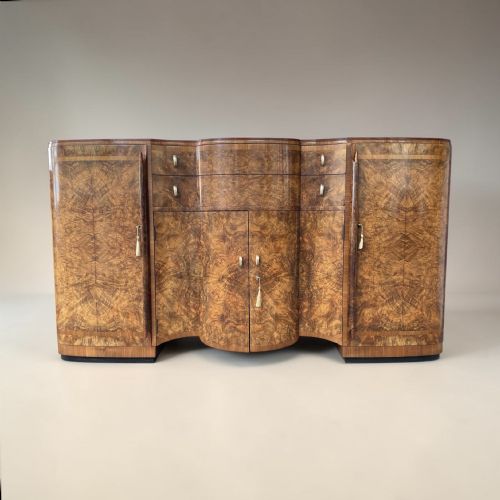
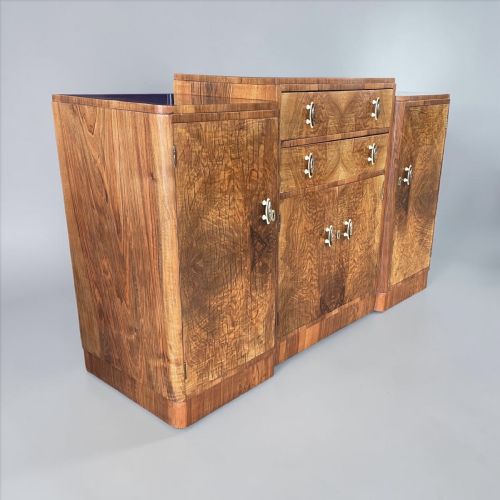
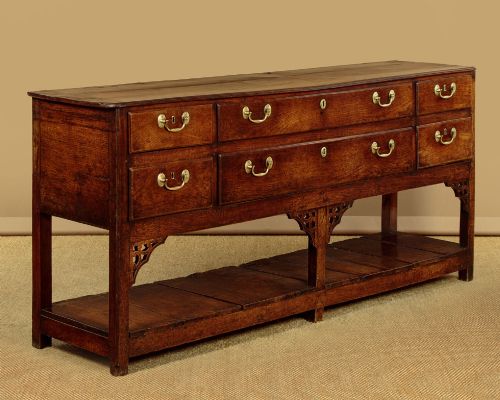
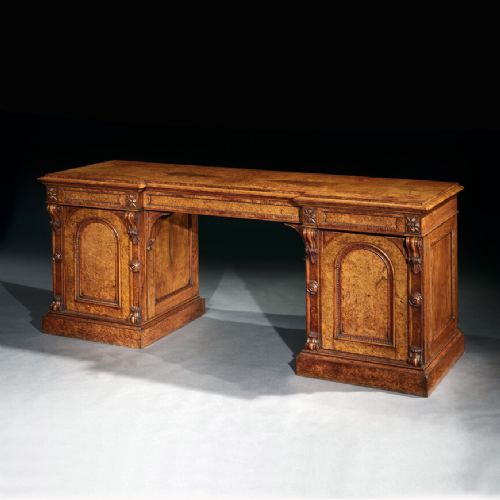
These antique wooden buffet server pieces are practical dining room furniture crafted to hold silver, linen, and glassware, offering timeless utility and rich timber character.
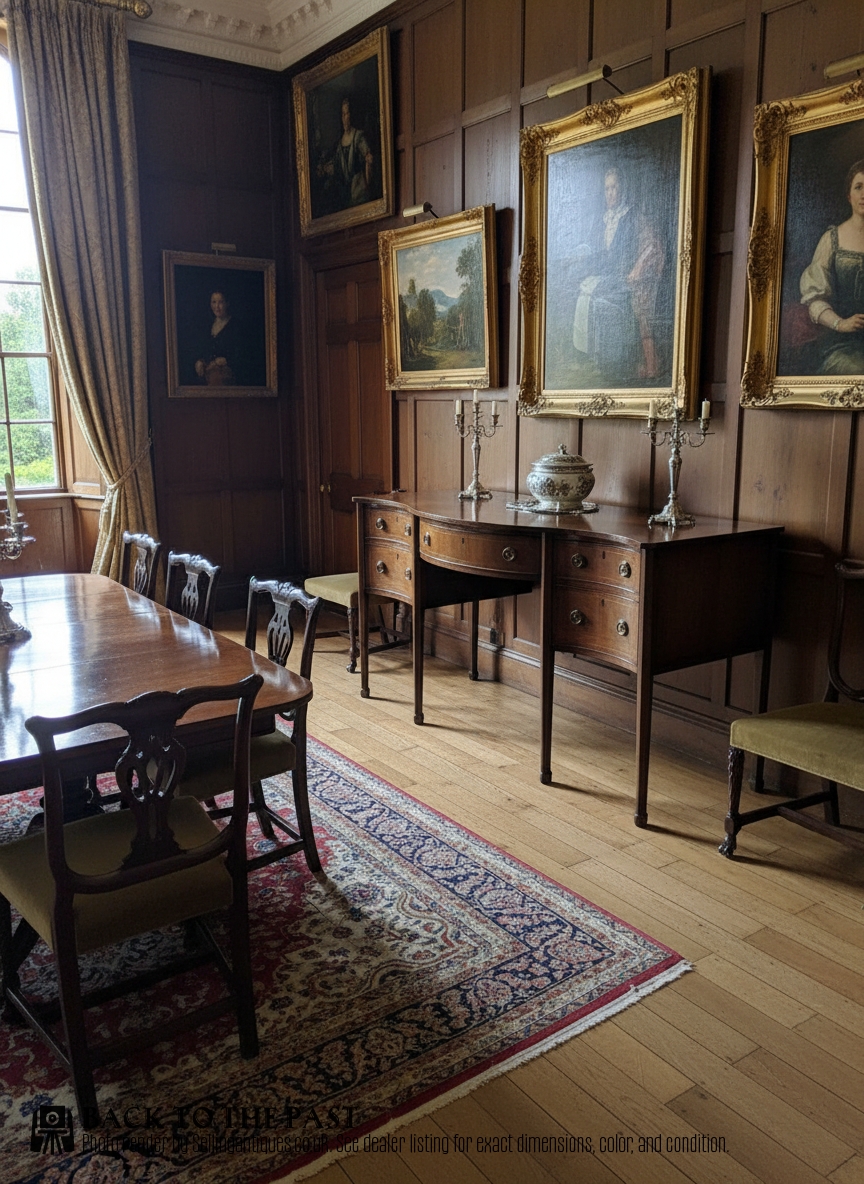
What They Are
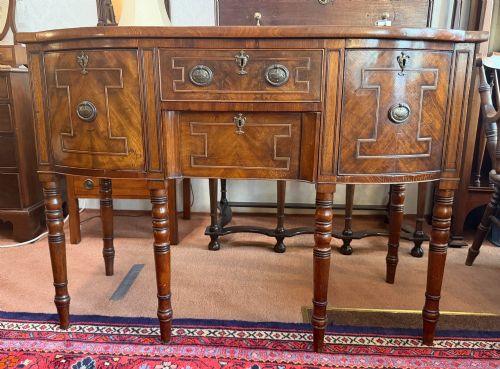
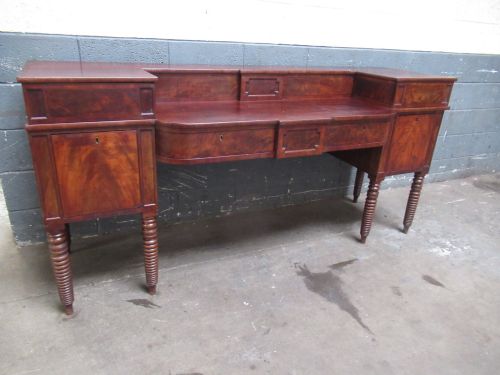
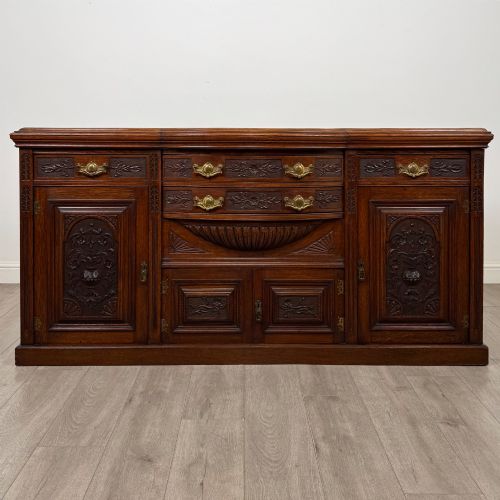
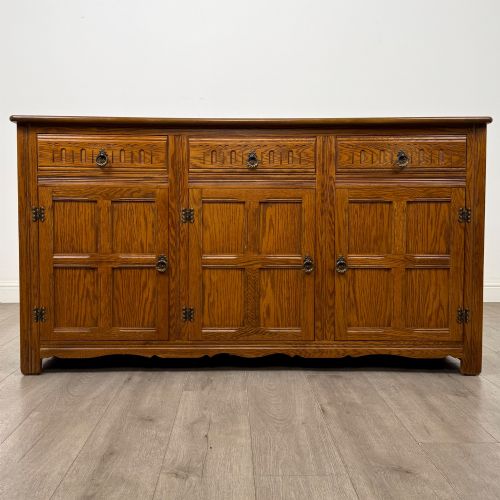
An antique wooden buffet server spans forms such as sideboards, buffets, and dumb waiters designed for dining room service and storage. These pieces emerge from the 18th century, 19th century, Georgian, Regency, William IV, and Victorian periods.
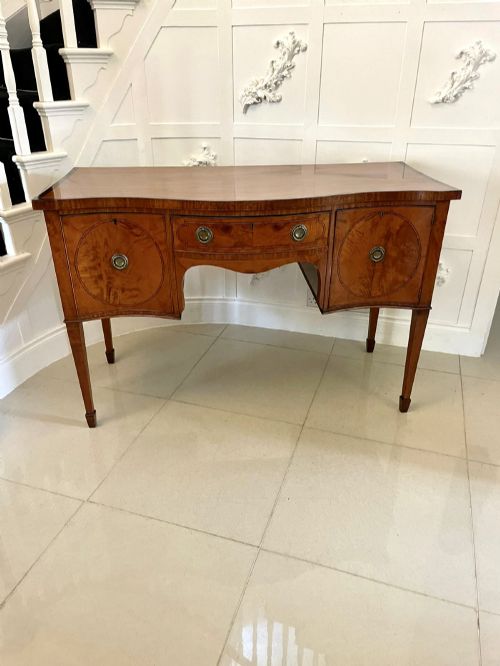
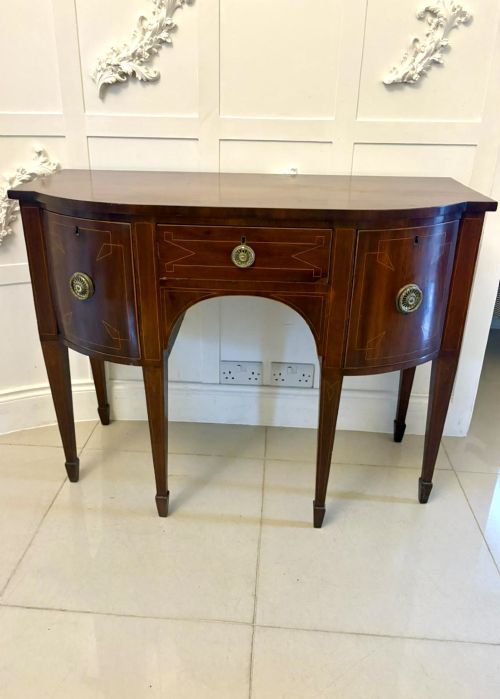
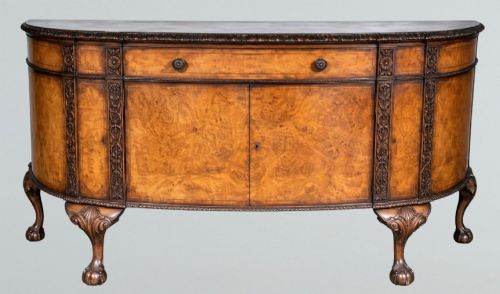
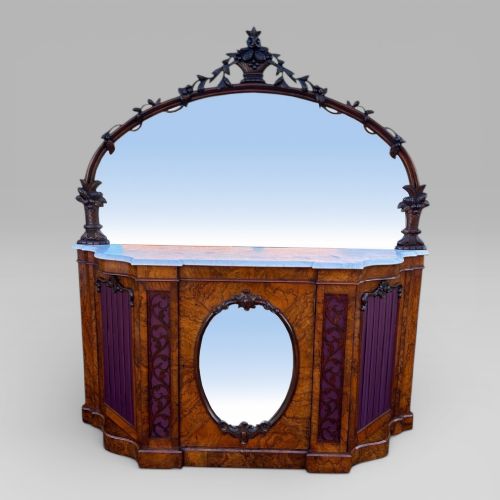
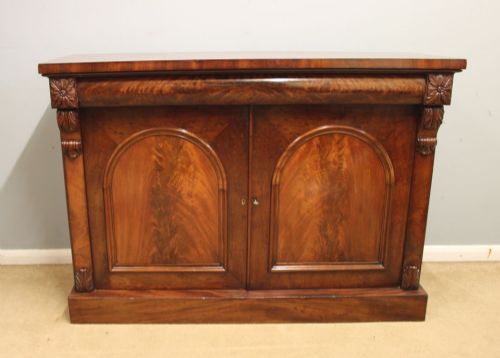
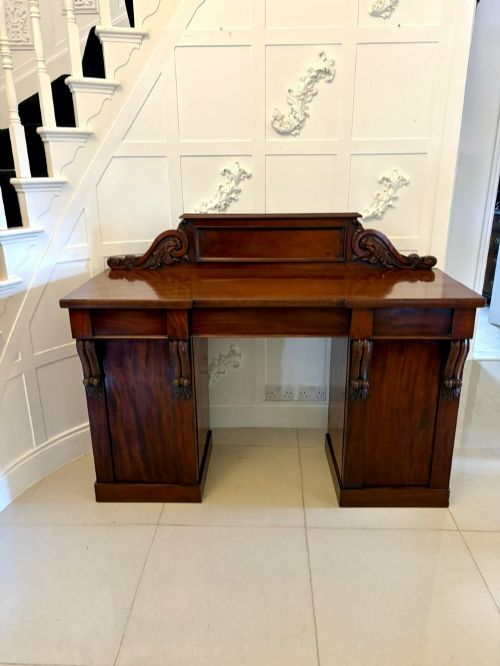
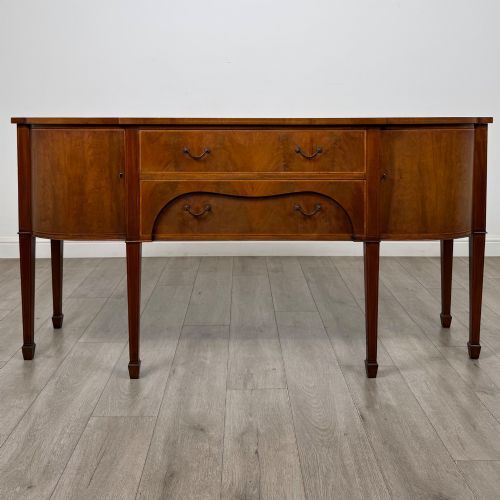
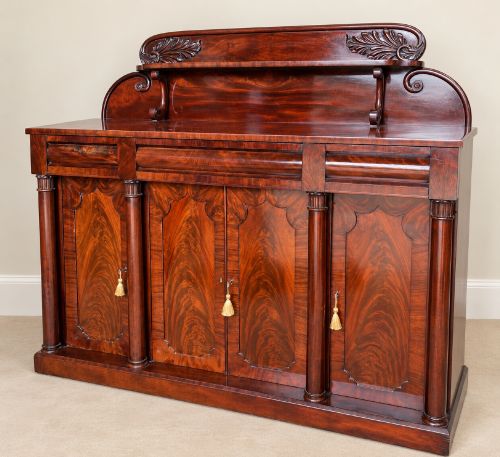
The selections you meet on this page include three-tier rise and fall buffets, serpentine-shaped sideboards, figured mahogany sideboards, walnut mirror back sideboards, and tripod dumb waiters. Each form serves a distinct role in period dining spaces, from displaying serving dishes to holding bottles.
Makers and craftsmen of these eras utilised durable timbers and thoughtful configurations to balance architectural presence with everyday dining utility.
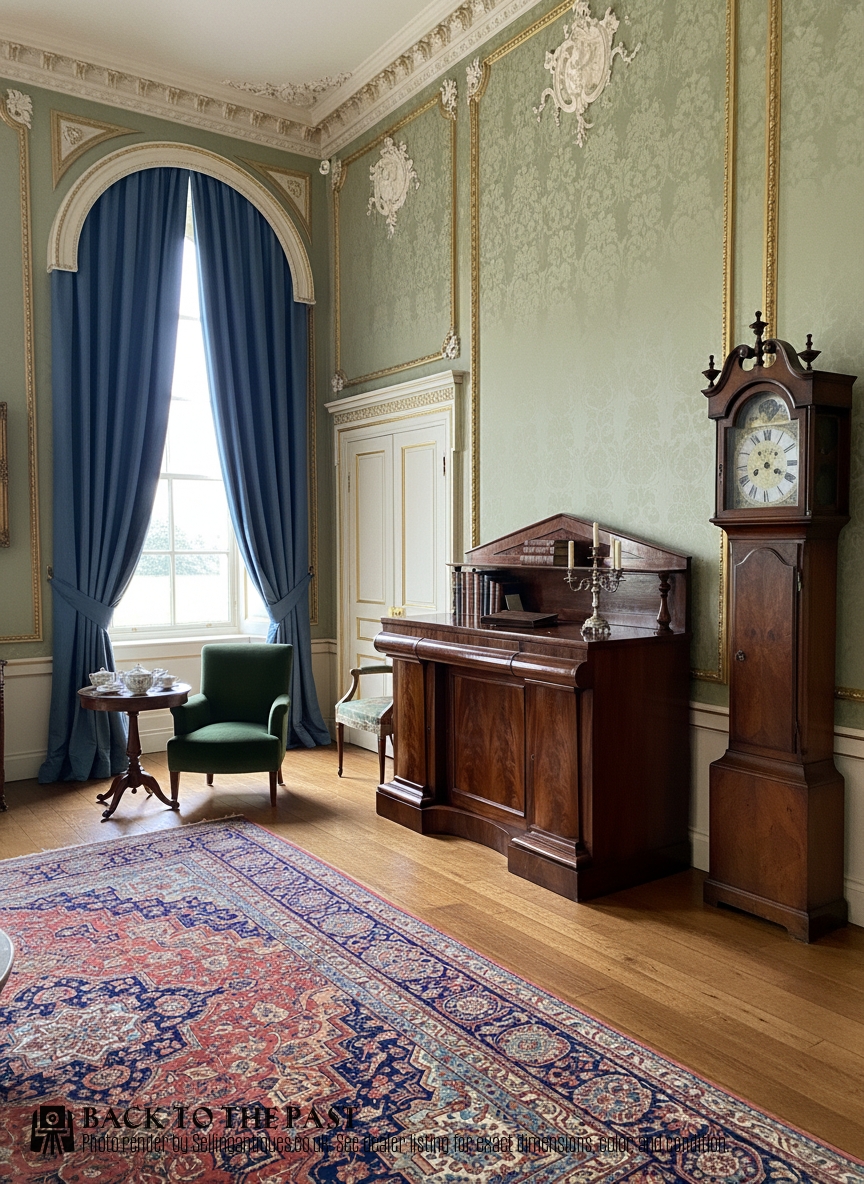
How They Were Made
Cabinetmakers constructed these servers using solid timbers and veneers, prominently featuring mahogany, flame mahogany, and walnut. Decorative detailing often incorporates contrasting boxwood inlay and polished brass hardware.
Surfaces are shaped through techniques like serpentine cutting and veneering, whilst specialised mechanical elements appear in rise and fall tier designs and tripod pillar supports. Glass panels also integrate into specific Victorian mirror back configurations.
Retail Price Guide 2026
Typical UK retail prices for wooden buffet server, calculated from the Sellingantiques database of over a million retail prices indexed since 2003. This retail price guide relies exclusively on Sellingantiques data; no external sources or auction records are used, so the figures do not describe the wider market.
Some tables were built so clever they practically poured the port themselves.
What Varies in Quality
The distinction between standard examples and superior pieces rests on timber selection and decorative restraint. Highly figured flame mahogany and crisp boxwood inlay elevate an item above plain utility.
Proportion and architectural harmony dictate the strength of a design, whether in the sweeping curves of a serpentine sideboard or the balanced tiers of a dumb waiter. Original brass fittings and intact mechanisms preserve the integrity of the piece.
The Antique Wooden Buffet Server Glossary
- Flame mahogany
- A prized timber cut from the branching fork of the mahogany tree, displaying a distinctive flickering, flame-like grain pattern. This veneer was utilised on prominent surfaces of fine dining furniture.
- Serpentine
- A furniture front configuration characterised by a convex centre flanked by concave curves. This undulating shape requires advanced woodworking skill to execute cleanly.
- Dumb waiter
- A tiered freestanding piece of dining room furniture used to hold plates, glasses, and food without servant attendance. The form often incorporates rotating trays or stacking tiers.
- Boxwood inlay
- Contrasting light-coloured wood inserted into recesses within a darker primary timber to form decorative lines or geometric motifs. It adds crisp visual definition to period surfaces.
- Rise and fall
- A mechanical tiered mechanism allowing specific shelves or tiers to adjust in height. This engineering feature is found on specialised 19th-century serving pieces.
Frequently Asked Questions
What is an antique wooden buffet server used for?
These pieces function as dining room storage and serving furniture designed to hold tableware, linens, and serving dishes.
They also serve as display surfaces during formal meals and gatherings.
How do I identify a Georgian buffet server?
Georgian pieces typically feature rich mahogany timbers, classical proportions, and understated decorative elements like boxwood inlay or serpentine shaping.
Construction methods and regional cabinetmaking styles from the 18th century further distinguish these items from later Victorian variants.
What is a flame mahogany veneer?
Flame mahogany is a decorative wood veneer sourced from the intersection where branches meet the main tree trunk.
This specific cut yields a dramatic, rippling flame effect that catches the light across the surface of the sideboard.
How do I live with a tripod dumb waiter?
A tripod dumb waiter works well as a corner display stand or a portable side table in a dining room or living space.
The tiered shelves provide vertical storage without occupying a large floor footprint.