
Antique Wooden Boxes
These antique wooden boxes are enduring storage vessels and decorative containers crafted from solid timbers across multiple centuries.
Antique Wooden Boxes
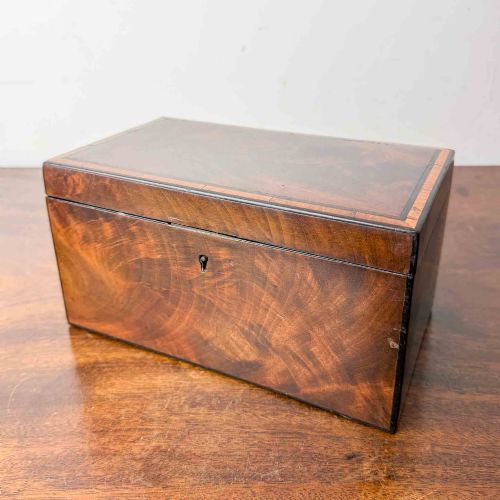
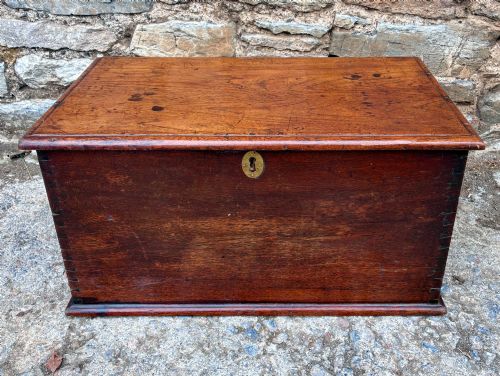
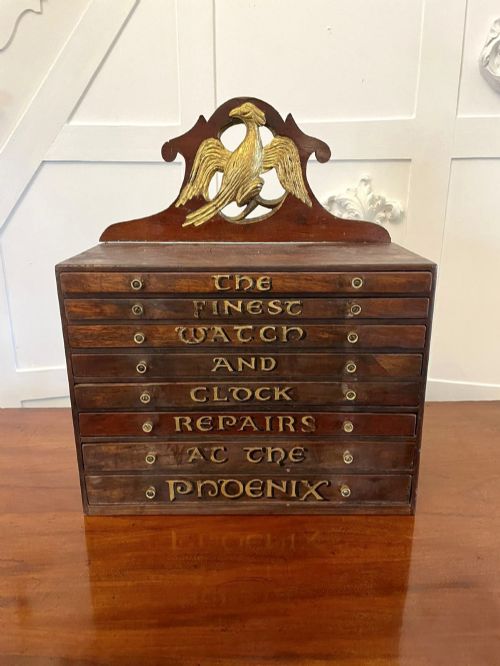
When you search for antique wooden boxes, you encounter a diverse array of functional vessels designed for storage, travel, and personal use. These items range from small tabletop tea caddies and document boxes to large household coffers, blanket chests, and campaign trunks.
The pieces available on this page span several centuries, with particular emphasis on 17th-century, 18th-century, and 19th-century examples. Common forms include oak coffers, elm blanket boxes, mahogany tea caddies, and brass-bound campaign chests originating from Britain, Europe, and colonial trade routes.
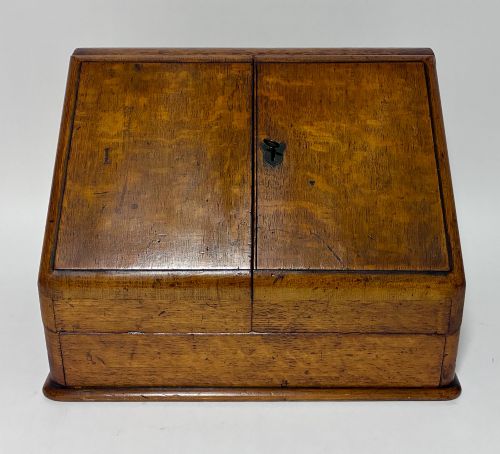
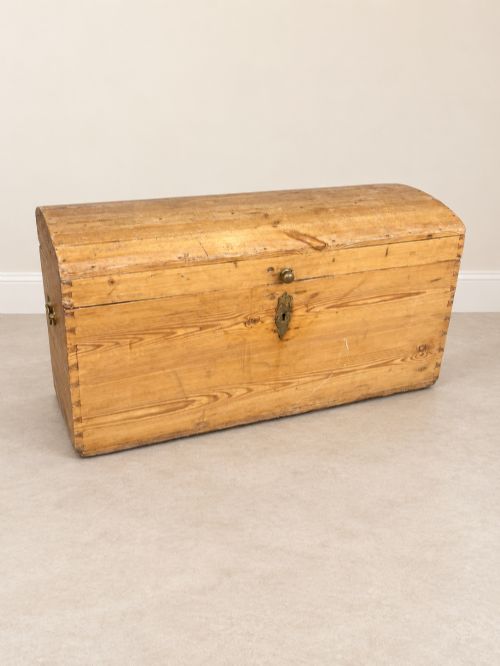
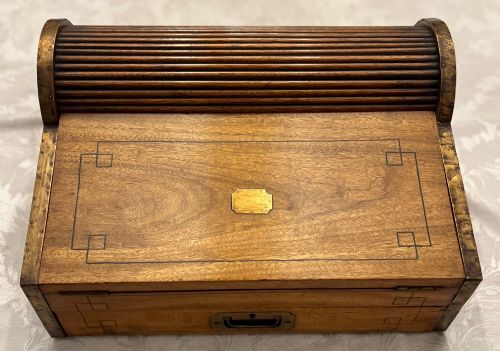
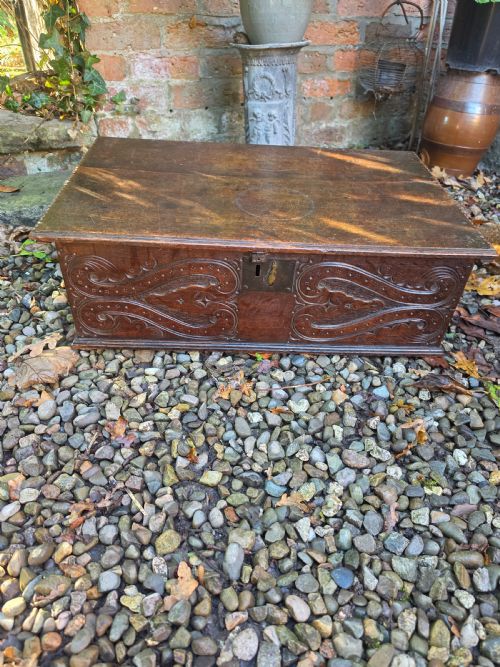
Domestic pieces like six-plank coffers and carved oak chests served everyday household storage needs in earlier periods. Meanwhile, specialised items such as cellarettes, writing slopes, and padouk trunks reflect the travel, leisure, and hospitality customs of later eras.
How they were made
Carpenters and cabinetmakers utilised dense native and exotic timbers such as oak, mahogany, elm, walnut, pine, and padouk for structural integrity. Selected boards were joined using traditional methods like dovetailing, mortise and tenon joints, or simple six-plank board construction.
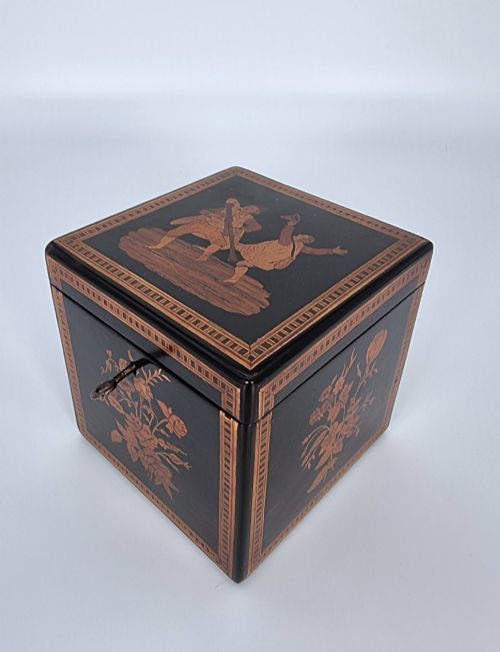
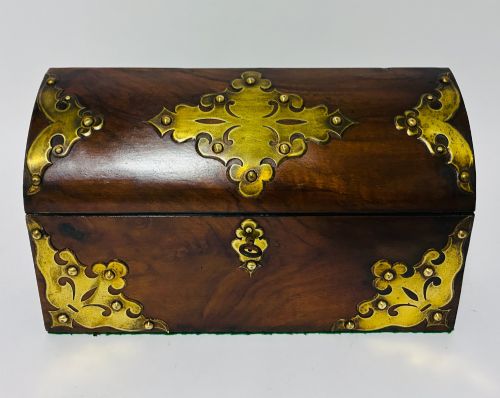
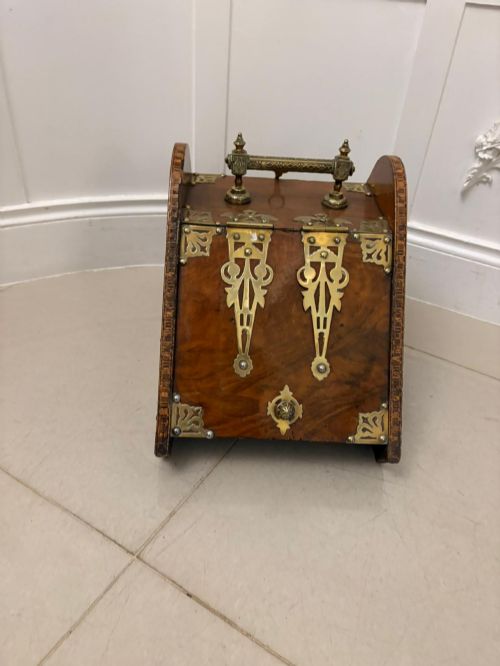
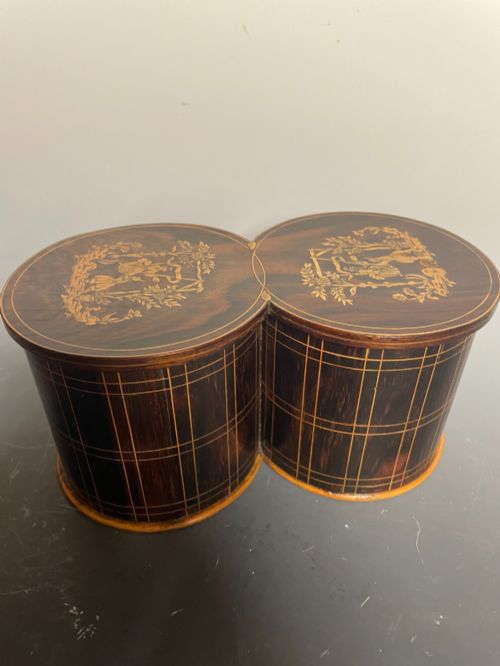
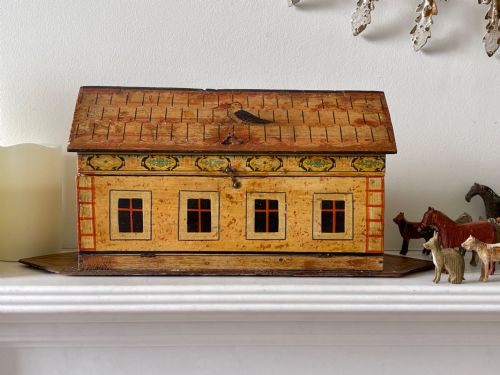
Many structural and decorative elements relied on metalwork, incorporating brass carrying handles, strap hinges, corner reinforcement brackets, and complex steel locks. Surfaces often received hand-carved ornamentation, marquetry inlay, paper filigree, or simple painted finishes depending on the origin and intended use.
Listings feature items spanning the 17th century through the Edwardian era, constructed from woods including oak, mahogany, elm, walnut, and padouk.
What varies in quality
The degree of refinement in timber selection and joinery separates standard utility items from exceptional pieces. Superior examples utilise dense, finely figured woods and display precise hand-cut dovetails or intricate carved detailing executed by skilled hands.
The integrity of original hardware, including brass mounts, hinges, and functioning complex steel locks, strongly influences the character of a box. Pieces retaining their original interior fittings, compartments, and unblemished surface patination hold greater interest for collectors.
Tahan Paris
The Antique Wooden Boxes Glossary
- Coffer
- A heavy wooden chest traditionally used for storing valuables, documents, or household goods. Early examples often feature hand-carved panels and robust joined construction.
- Campaign chest
- A portable trunk or storage chest made in sections, designed for military officers on the move. They typically incorporate brass corner guards, recessed handles, and durable exotic hardwoods.
- Cellarette
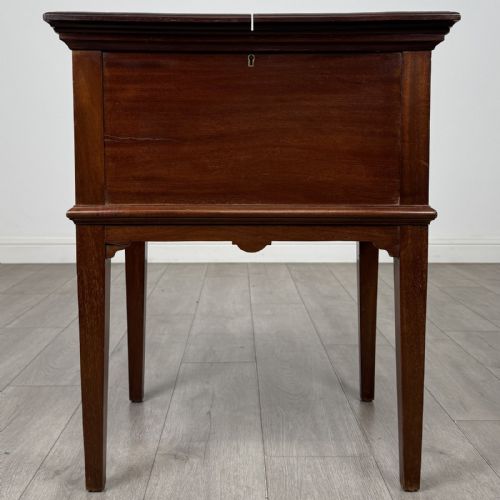
- A lockable container or cabinet designed to hold bottles of wine or spirits. These frequently appeared in formal dining rooms during the Georgian and Victorian periods.
- Tea caddy
- A small box built to store dry tea leaves securely, often fitted with internal compartments and a lock. Tea was a valuable commodity, making these containers objects of fine cabinet work.
- Marquetry
- Decorative veneer work arranged in geometric or pictorial patterns on the surface of a box. Craftsmen used various contrasting wood types to create these detailed designs.
Antique Wooden Boxes: Frequently Asked Questions
What were antique wooden boxes used for?
These vessels served diverse daily purposes ranging from storing household textiles and blankets to securing legal documents, valuables, and perishable commodities like tea.
Specialised containers also accommodated travel gear, writing materials, or wine bottles for domestic and military use.
How do I care for an antique wooden box?
Keep the wood conditioned by placing the box away from direct heat sources, radiators, and prolonged direct sunlight. Apply a traditional beeswax polish occasionally to nourish dry timber and maintain the surface sheen.
Avoid excessive moisture and use a soft, dry cloth for regular dusting.
How can I tell the period of a wooden box?
Examine the construction methods, tool marks, and wood species used in the assembly of the piece. Hand-cut joinery, forged iron hardware, and heavy oak panels typically point to 17th-century or 18th-century origin.
Later Victorian pieces often incorporate machine-sawn elements, factory-made screws, and exotic veneers like walnut or mahogany.
Are campaign trunks waterproof?
Campaign trunks were built from durable woods like camphorwood or padouk to withstand tropical climates, sea voyages, and rough handling. While resistant to pests and moisture due to natural wood oils, they are not entirely waterproof by modern standards.