


Antique Wood Whatnot
An antique wood whatnot serves as a tiered display stand or open shelving unit, prized for organising books, plants and decorative objects in principal rooms.
Antique Wood Whatnot
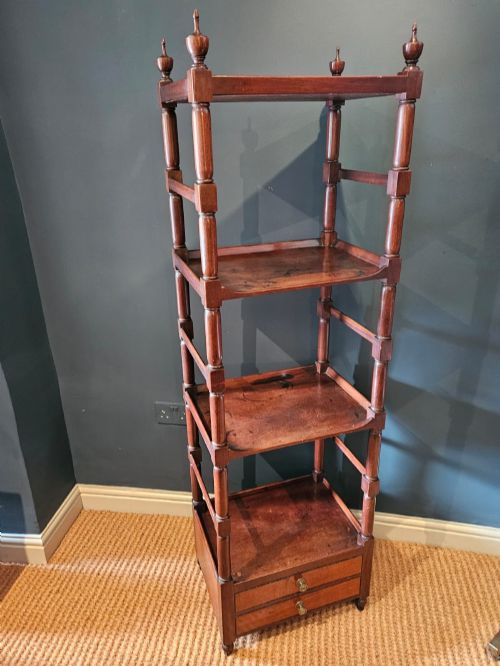
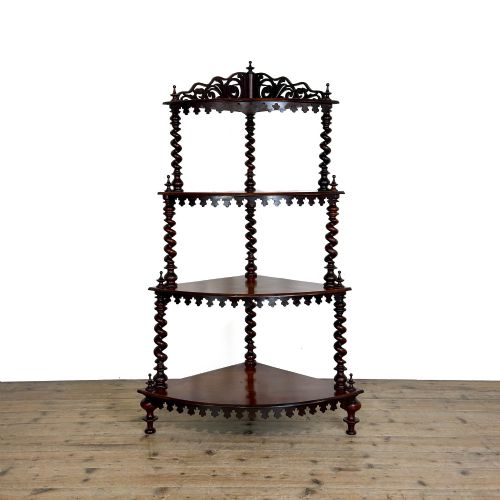
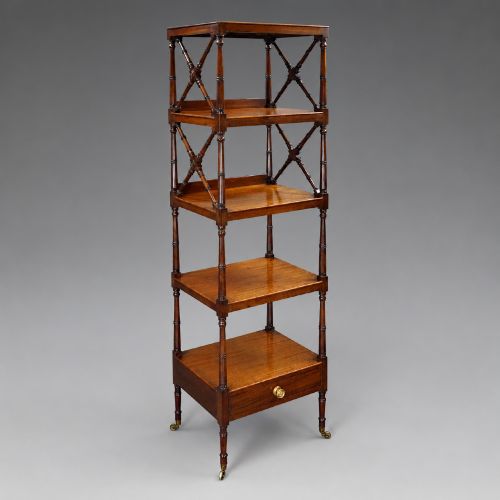
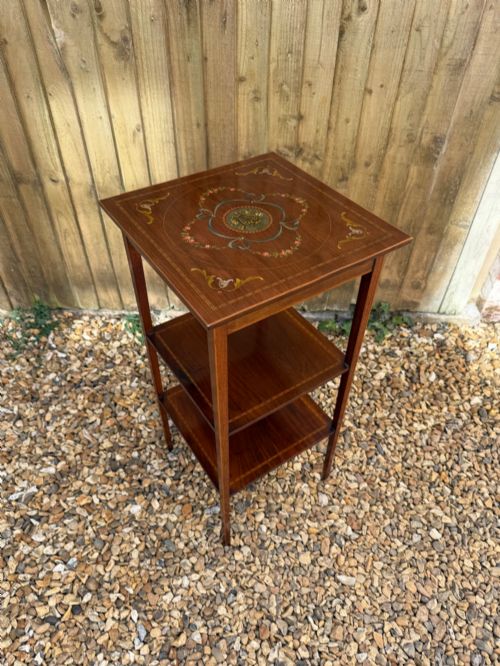
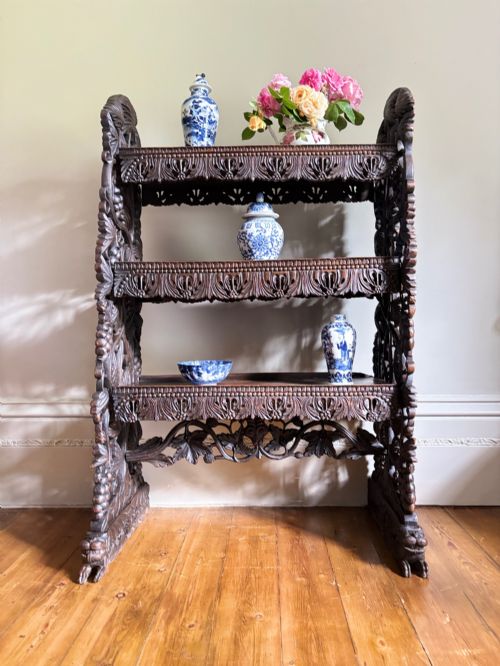
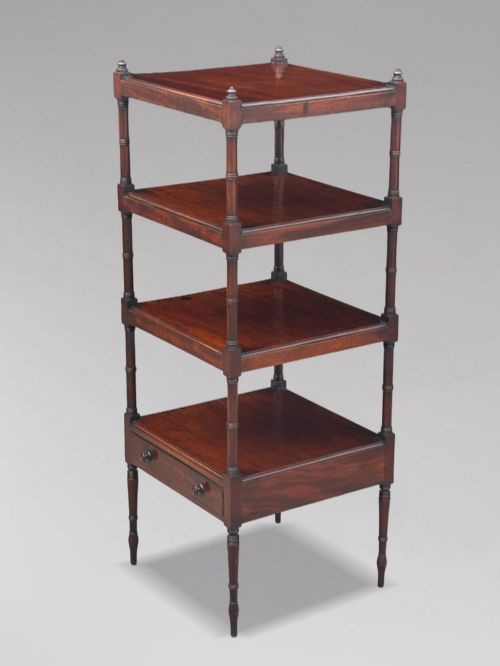
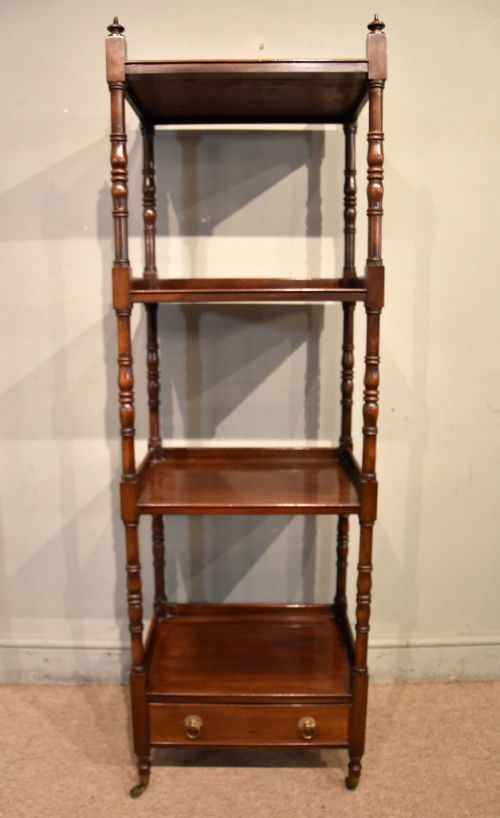
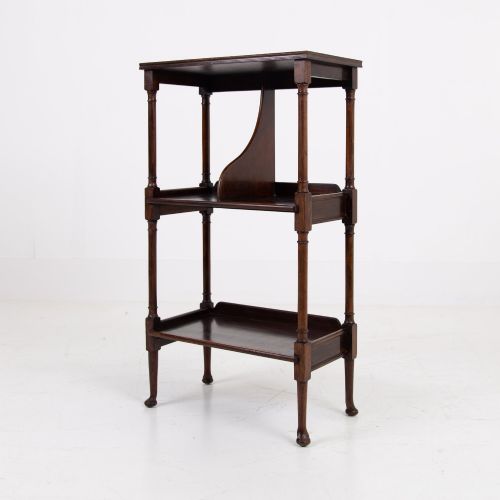
An antique wood whatnot is a multi-tiered piece of freestanding or corner furniture designed to hold books, sheet music and ornaments. The forms range from modest three-tier corner shelves to tall, four-tier freestanding bookcases with drawers and turned supports.
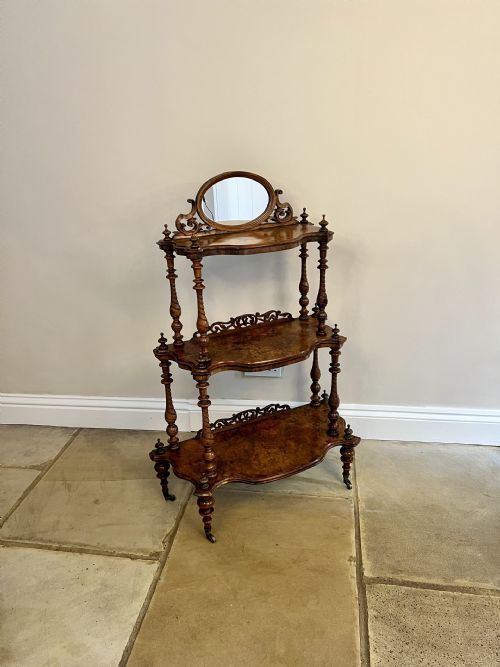
Victorian and nineteenth-century examples dominate the selection, though pieces stretch back to the Georgian and Regency periods. Buyers frequently encounter rosewood and mahogany variants alongside rich burr walnut and occasional painted or ebonised finishes.
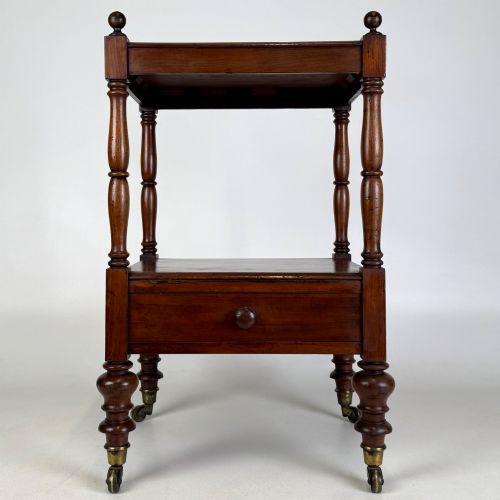
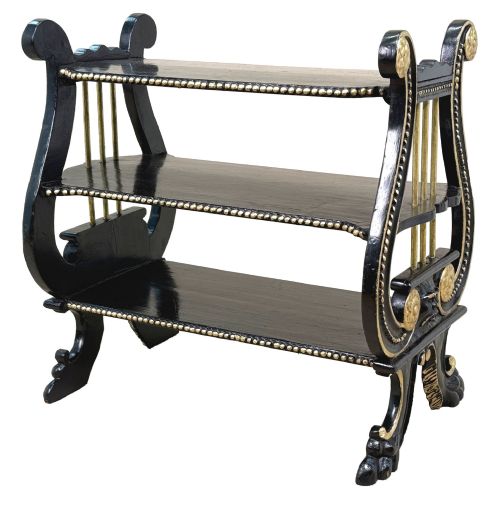
Beyond standard open shelving, variations incorporate specific functions such as lower cupboards, music stands, and integrated canterbury sections for newspapers. These adaptable pieces fit neatly into empty corners or function as low display tables.
How They Were Made
Cabinetmakers constructed these pieces using dense hardwoods like mahogany and rosewood, frequently selecting figured burr walnut for decorative surfaces. Boxwood inlay and parcel gilding added precise contrast to darker timber frames.
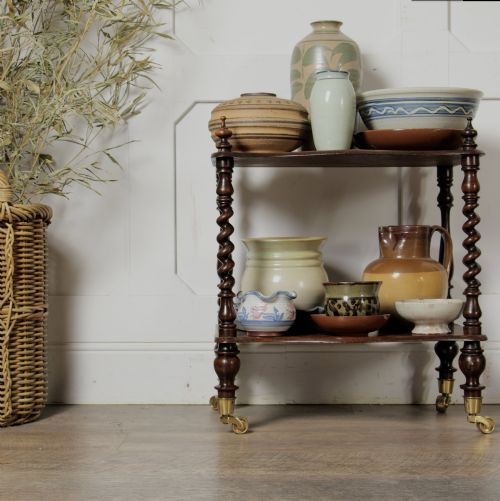
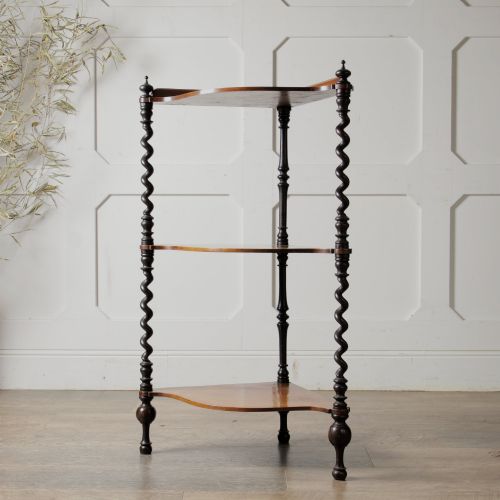
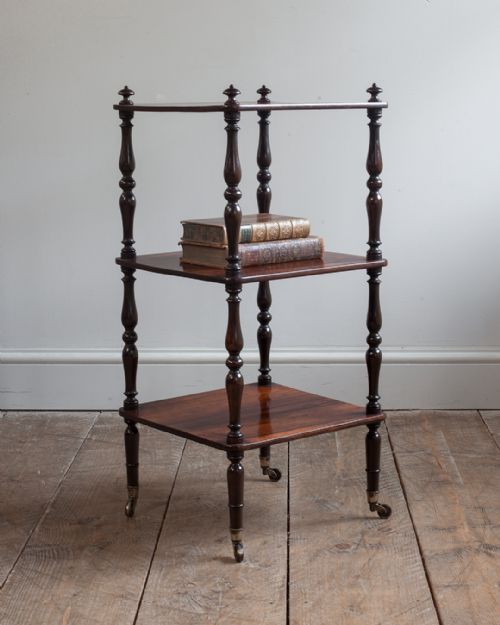
Uprights typically feature turned elements, including barley twist columns and delicate spindle supports that divide each tier. Brass castors and fittings appear on many freestanding examples to assist movement across the floor.
Some nineteenth-century ship's whatnot variants utilised sturdy teak to survive rolling ocean voyages without tumbling the tea service.
What Varies in Quality
The choice of timber grain dictates much of the visual merit, with book-matched burr walnut and richly figured rosewood sitting at the upper end of production. Simpler mahogany and ebonised pieces rely on the crispness of their turned uprights and joinery.
Proportion and stability separate standard utility pieces from exhibition examples. Finer items integrate clever detailing such as concealed drawers, finely carved brackets, and harmonious tier spacing that maintains strength without bulk.
Gillows·Samson and Son
The Antique Wood Whatnot Glossary
- Whatnot
- An open shelving unit with multiple tiers supported by slender columns, used for display and storage. It evolved in the eighteenth century and became a drawing-room staple during the Victorian era.
- Etagere
- A French term for a tiered display stand or whatnot. These pieces often feature decorative inlays or gilt accents designed to showcase porcelain and small objects.
- Canterbury
- A low stand featuring slatted partitions for holding sheet music, books or newspapers, frequently combined with a whatnot tier above. It provides practical partitioned storage beneath display shelves.
- Barley Twist
- A carved wooden column shaped in a spiral twist resembling coiled barley sugar. This decorative turning technique appears frequently on nineteenth-century supports.
- Burr Walnut
- Timber taken from the gnarled growth or root of a walnut tree, yielding a turbulent, highly decorative grain pattern. Cabinetmakers used veneers of this wood on prominent surfaces.
Antique Wood Whatnot: Frequently Asked Questions
What is an antique wood whatnot used for?
These tiered units served primarily to display porcelain, silver, and small decorative objects in drawing rooms and parlours. They also functioned as accessible storage for books, sheet music, and writing accessories.
Today, owners utilise them in living spaces and hallways for plant displays, book storage, and general curation of small collectibles.
How do I tell a Regency whatnot from a Victorian one?
Regency pieces often display cleaner architectural lines, crisper brass details, and lighter mahogany or rosewood timbers reflecting classicism. Victorian examples frequently embrace heavier proportions, burr walnut veneers, and elaborate turnings like barley twists.
Examining the construction methods, secondary timbers, and overall decorative restraint helps separate early nineteenth-century work from later Victorian production.
Will a corner whatnot fit in a modern room?
Corner units utilise awkward or empty angles in a room without claiming valuable floor space. Their triangular footprint allows them to sit flush against intersecting walls.
This makes them practical for smaller rooms where a freestanding rectangular bookcase might overwhelm the available floor area.
What is a canterbury whatnot?
A canterbury whatnot combines open display shelves on top with slatted wooden partitions below designed for holding folios, music sheets, or periodicals. This dual purpose made them convenient furniture for music rooms and sitting rooms.
They offer the display utility of standard shelving alongside enclosed or partitioned floor-level storage.